
How Can You Keep Your Baby Cozy During Winter Months?
On this page 20 sections
How to Keep Your Baby Cozy During Winter
Winter can be a beautiful season, but colder temperatures also mean parents need to take extra steps to keep their babies warm, comfortable, and safe. Because babies are still developing their ability to regulate body temperature, they can become cold more quickly than adults.
Creating a cozy winter environment involves more than simply adding extra blankets or heavy clothing. Proper layering, maintaining a comfortable nursery temperature, ensuring hydration, and avoiding overheating are all important parts of winter baby care.
Here are some helpful tips to keep your baby cozy and comfortable throughout the colder months.
Dress Your Baby in Layers
Layering is one of the safest and most effective ways to keep your baby warm during winter.
Instead of using one heavy outfit, multiple light layers allow you to adjust your baby’s clothing more easily depending on temperature changes.
Start With a Soft Base Layer
A breathable base layer helps regulate body temperature while keeping your baby comfortable.
Good base layer options may include:
- Cotton onesies
- Long-sleeve bodysuits
- Soft thermal pajamas
- Breathable sleepers
Soft fabrics help prevent irritation while trapping warmth close to the body.
Add Warm Outer Layers
Additional layers can provide extra insulation during colder weather.
Helpful winter clothing items include:
- Sweaters
- Fleece jackets
- Knit pants
- Warm socks
- Mittens
- Booties
For outdoor trips, consider weather-resistant outerwear to protect against wind, rain, or snow.
Don’t Forget Hats
Babies lose body heat quickly through their heads, especially during cold weather.
A soft winter hat can help maintain warmth while outdoors.
Choose hats that:
- Cover the ears comfortably
- Fit securely without being tight
- Use soft, breathable fabric
Always remove hats indoors to prevent overheating.
Avoid Overheating
While keeping your baby warm is important, overheating can also be dangerous.
Signs your baby may be too warm include:
- Sweating
- Damp hair
- Flushed cheeks
- Rapid breathing
- Restlessness
Check your baby’s neck or chest rather than hands or feet to better gauge body temperature.
Maintain a Comfortable Nursery Temperature
Keeping the nursery at a comfortable temperature helps support safer and more restful sleep during winter.
Experts often recommend maintaining nursery temperatures around:
68–72∘F ≈ 20–22∘C68\text{–}72^\circ F\ \approx\ 20\text{–}22^\circ C68–72∘F ≈ 20–22∘C
to help babies stay comfortable without becoming too cold or too hot.
Use a Room Thermometer
A nursery thermometer can help you monitor temperature changes more accurately throughout the day and night.
This is especially useful during colder winter evenings when room temperatures may fluctuate significantly.
Prevent Cold Drafts
Cold drafts can make nurseries uncomfortable for babies.
To help maintain warmth:
- Seal window gaps
- Use thick curtains
- Add rugs or carpets
- Keep the crib away from windows if possible
Proper insulation helps create a more stable sleeping environment.
Use Safe Sleep Layers
Blankets should be used carefully with infants to reduce sleep-related risks.
Many parents choose wearable sleep solutions instead of loose bedding.
Sleep Sacks Are a Popular Winter Option
Sleep sacks provide warmth while helping maintain safer sleep conditions.
Benefits of sleep sacks may include:
- Consistent warmth
- Reduced loose blanket risks
- Comfortable movement
- Better overnight temperature regulation
Choose a sleep sack appropriate for your room temperature and your baby’s age.
Choose Appropriate Blanket Materials
If using blankets outside of sleep or during supervised time, choose soft and breathable fabrics such as:
- Fleece
- Cotton
- Flannel
Avoid overly heavy blankets that may increase overheating risks.
Keep Your Baby Hydrated
Hydration remains important during winter, even when temperatures are colder.
Cold weather and indoor heating can contribute to dryness and mild dehydration.
Continue Regular Feedings
Frequent feedings help maintain hydration and provide energy for warmth and growth.
For babies, hydration may include:
- Breast milk
- Formula
- Water for older infants when appropriate
Follow your pediatrician’s guidance regarding hydration needs for your baby’s age.
Watch for Signs of Dehydration
Signs of dehydration in babies may include:
- Dry lips or mouth
- Fewer wet diapers
- Fussiness
- Unusual sleepiness
If you notice concerning symptoms, contact your pediatrician.
Use a Humidifier if Needed
Indoor heating can dry out the air during winter months.
A cool-mist humidifier may help:
- Reduce dry skin
- Ease congestion
- Improve breathing comfort
- Support hydration
Always clean humidifiers regularly to prevent mold or bacteria buildup.
Limit Exposure to Extreme Cold
Babies should not remain outdoors for long periods during freezing temperatures or harsh winter weather.
Cold weather precautions may include:
- Shorter outdoor trips
- Wind protection
- Warm stroller covers
- Monitoring facial exposure
- Checking fingers and toes for warmth
If conditions become too cold, indoor activities may be safer and more comfortable.
Warm Up Car Seats Carefully
Bulky winter coats should generally not be worn under car seat harnesses because they can interfere with proper strap positioning.
Instead:
- Dress your baby in thin warm layers
- Secure the harness properly
- Place blankets or coats over the harness after buckling
This helps maintain both warmth and car seat safety.
Moisturize Sensitive Winter Skin
Cold weather and indoor heating can dry out delicate baby skin.
Using gentle baby moisturizer may help protect against:
- Dry patches
- Irritation
- Chapped skin
Apply moisturizer after baths to help lock in hydration.
Monitor Your Baby’s Comfort
Every baby responds differently to winter temperatures.
Pay attention to your baby’s cues and comfort levels throughout the day.
Signs your baby feels comfortable may include:
- Calm behavior
- Warm chest and neck
- Normal breathing
- Comfortable sleep
Frequent small adjustments may help maintain ideal comfort.
Final Thoughts
Keeping your baby cozy during winter involves balancing warmth, comfort, hydration, and safety. Layered clothing, a warm nursery environment, proper sleepwear, and careful temperature monitoring can all help your baby stay comfortable throughout the colder months.
Remember that babies can become both cold and overheated more easily than adults, so regular comfort checks are important.
With thoughtful preparation and safe winter care habits, you can help your baby stay warm, happy, and healthy all season long.
Trending Articles
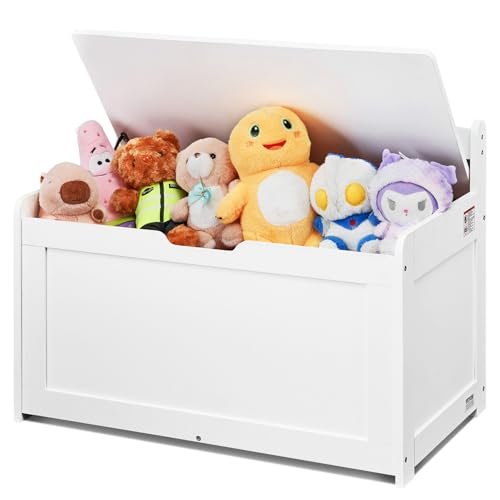 Product
$62.99
VEVOR Wooden Toy Chest for Kids, Toddler Toy Storage Box with Flip-Top Lid and Safety Hinge, 32.68 x 17.91 x 24.02 Large Kids Storage Bench for Playroom, Living Room or Entryway, White
View product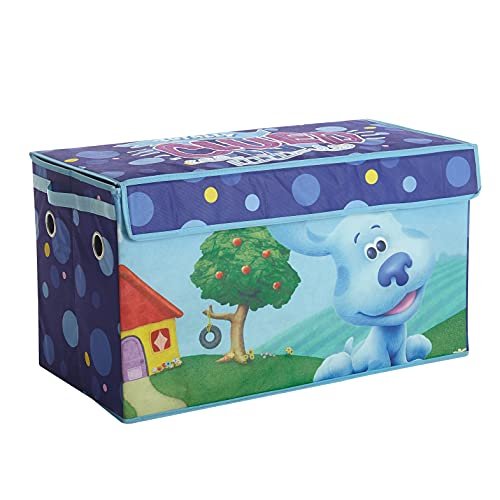 Product
$28.99
Idea Nuova Nickelodeon Blues Clues Collapsible Children’s Storage Trunk, Durable with Lid
View product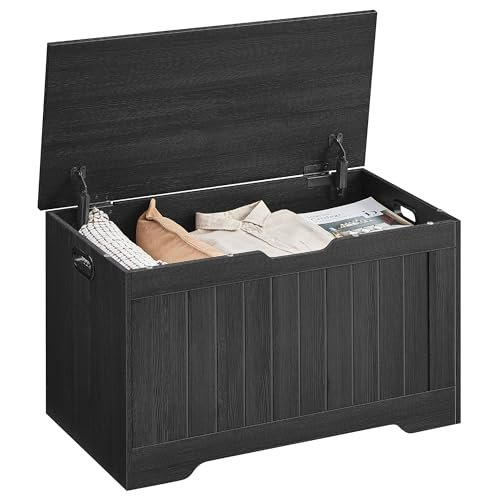 Product
$59.99
VASAGLE Storage Chest, 29.9 Inches Width Storage Bench, Entryway Bench with 2 Safety Hinges, Shoe Bench, Farmhouse Style, for Entryway, Bedroom, Living Room, Charcoal Gray ULHS011B02
View product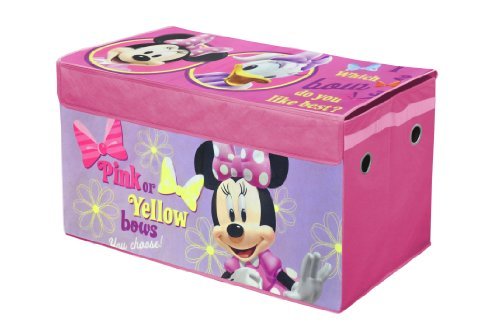 Product
$48.28
Idea Nuova Disney Minnie Mouse Collapsible Children’s Toy Storage Trunk, Durable with Lid
View product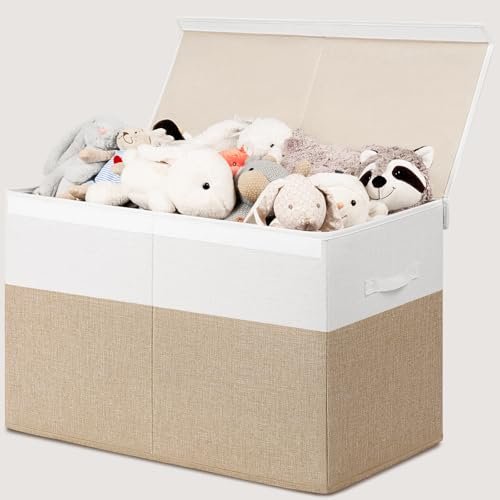 Product
$18.99
INDRESSME 25"x13"x16" Toy Box Toy Storage Organizer with Lid Collapsible Sturdy Toy Chest, Foldable Toy Bin for Living Room, Playroom, Bedroom, Toy Baskets Storage Kids, Boys, Girls (Beige & White)
View product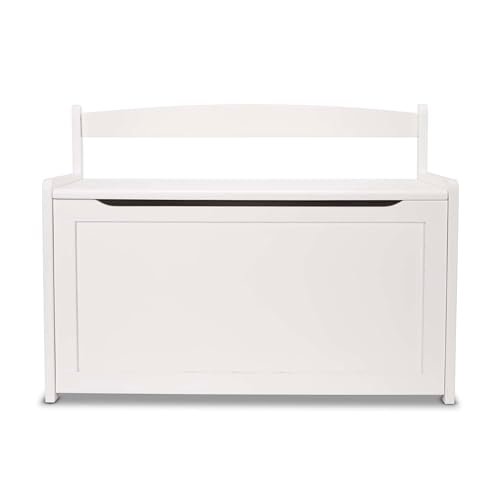 Product
$104.99
Melissa & Doug Wooden Toy Chest - White Furniture for Playroom - Kids Toy Box, Wooden Storage Organizer, Children's Furniture
View product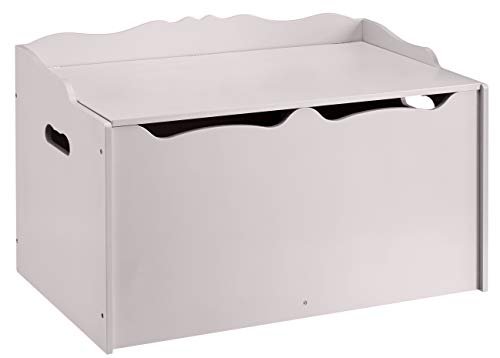 Product
$43.19
Amazon Basics Kids Toy Box, Wooden Organizer Storage Chest, Gray, 30" x 18" x 19"
View product Product
$19.99