
Feeding Twins and Multiples: Practical Strategies for Stress-Free Mealtimes
Bringing home twins, triplets, or other multiples is an incredible experience filled with double the cuddles, double the milestones, and, quite often, double the feeding responsibilities. While feeding one baby can feel like a full-time job during the early months, feeding two or more babies simultaneously introduces a unique set of challenges that many parents don't anticipate.
From coordinating feeding schedules and managing sleep routines to ensuring each child receives adequate nutrition, feeding multiples requires planning, flexibility, and a healthy dose of patience. Fortunately, while the learning curve can feel steep at first, many parents discover that creating structured routines and using the right tools can make daily feeding sessions significantly more manageable.
Whether you're breastfeeding twins, bottle-feeding multiples, preparing for the introduction of solid foods, or simply trying to survive those exhausting early months, having a practical feeding strategy can help reduce stress and increase confidence.
This comprehensive guide covers everything parents need to know about feeding twins and multiples, helping you create smoother mealtimes while supporting the healthy growth and development of every child.
Understanding the Unique Feeding Challenges of Multiples
Feeding multiples differs from feeding a single baby in several important ways.
While each baby has individual needs, parents often face the challenge of balancing those needs simultaneously. One baby may be hungry while another is sleeping. One may feed quickly while the other takes their time. Managing these differences while maintaining your own well-being can be demanding.
In addition, parents of multiples often spend a significant portion of each day feeding, burping, preparing bottles, cleaning equipment, and tracking feeding schedules. Without an organized approach, these tasks can quickly become overwhelming.
The key is not achieving perfection but developing systems that make feeding more efficient and sustainable for your family.
Why Feeding Routines Matter for Twins and Multiples
One of the most valuable strategies for parents of multiples is establishing a consistent feeding routine.
Synchronizing Feeding Times
Whenever possible, many parents find it helpful to feed their babies at the same time.
Synchronizing feedings can:
- Reduce the number of feeding sessions throughout the day
- Help establish predictable schedules
- Allow parents more opportunities for rest
- Simplify daily planning
Although perfect synchronization isn't always realistic, working toward a shared feeding routine can make life significantly easier.
Creating Predictability
Babies often thrive on consistency.
When feedings occur around similar times each day, children begin to develop predictable rhythms that support sleep, play, and overall family routines.
Consistency can also help parents identify patterns and recognize changes in appetite or behavior more easily.
Creating a Calm Feeding Environment
The environment in which feedings take place can influence both babies and parents.
Reduce Distractions
A calm feeding area can help babies focus on eating and may make feeding sessions more efficient.
Soft lighting, reduced noise, and comfortable seating can create a more relaxing atmosphere for everyone involved.
Stay Organized
Keeping feeding supplies in one location can save valuable time.
Consider creating a feeding station that includes:
- Bottles
- Burp cloths
- Nursing supplies
- Water bottles
- Snacks for parents
- Feeding logs if needed
Having everything within reach helps reduce interruptions during feedings.
Choosing the Best Feeding Equipment for Multiples
The right equipment can make a substantial difference when feeding more than one baby.
Bottles Designed for Convenience
If bottle-feeding, choosing bottles that are easy to clean and assemble can save significant time throughout the day.
Many parents of multiples prefer maintaining a larger supply of bottles to reduce the frequency of washing and sterilizing between feedings.
Twin Nursing Pillows
Specialized nursing pillows designed for twins can provide additional support during tandem breastfeeding.
These pillows help position both babies comfortably while reducing strain on the parent's back, shoulders, and arms.
High Chairs for Future Mealtimes
As your babies grow, sturdy and easy-to-clean high chairs become essential.
Look for features such as:
- Adjustable seating positions
- Removable trays
- Compact storage options
- Easy-to-clean surfaces
Investing in practical feeding equipment early can make future mealtimes much smoother.
Breastfeeding Twins and Multiples
Breastfeeding multiples may seem intimidating initially, but many parents successfully nurse two or more babies with the right support and preparation.
Consider Tandem Feeding
Tandem breastfeeding allows two babies to nurse simultaneously.
This approach can:
- Save time
- Encourage synchronized schedules
- Reduce the number of separate feeding sessions
Many parents find tandem feeding becomes easier with practice and proper positioning support.
Prioritize Comfort
Because feeding sessions may be frequent, creating a comfortable nursing setup is important.
Choose supportive seating, use pillows as needed, and keep water and snacks nearby to help make longer feeding sessions more manageable.
Seek Professional Support
Lactation consultants can provide valuable guidance for parents breastfeeding twins or multiples.
Professional support can be especially helpful during the early weeks as feeding routines are established.
Bottle Feeding Multiples Efficiently
Bottle feeding can offer flexibility and shared caregiving opportunities.
Prepare in Advance
Many parents find that preparing bottles ahead of time reduces stress during busy feeding periods.
Organizing supplies and establishing a preparation routine can streamline daily tasks.
Share Feeding Responsibilities
One advantage of bottle feeding is the ability for partners, grandparents, and caregivers to assist with feedings.
Sharing responsibilities can help reduce parental exhaustion while ensuring babies receive consistent care.
Managing Common Mealtime Challenges
Feeding multiples rarely goes exactly as planned every day.
When One Baby Is Hungry and the Other Isn't
This is one of the most common challenges parents encounter.
While synchronization is helpful, flexibility remains important. Sometimes one baby simply has different needs than their sibling.
Parents often find success by gently encouraging schedule alignment while respecting individual hunger cues.
Handling Different Feeding Speeds
One child may finish eating quickly while another takes considerably longer.
Creating a calm environment and avoiding comparisons can help reduce frustration during these situations.
Every baby develops feeding skills at their own pace.
Introducing Solid Foods to Twins and Multiples
The transition to solid foods brings exciting new opportunities for exploration and development.
Start Slowly
When introducing solids, begin with simple single-ingredient foods.
This approach allows parents to observe how each child responds to new foods while gradually expanding their menu.
Introduce New Foods Individually
Offering one new food at a time makes it easier to identify preferences and monitor for any reactions.
Many parents find it helpful to introduce new foods several days apart during the early stages.
Encourage Self-Feeding Skills
As babies become more confident eaters, providing safe opportunities for self-feeding can help develop coordination and independence.
Messes are part of the learning process and should be expected.
Practical Meal Planning for Multiples
As children grow, meal planning becomes increasingly important.
Prepare Family-Friendly Meals
Many parents find it helpful to prepare meals that can be adapted for both adults and children.
This reduces the need for separate meal preparation while encouraging healthy eating habits throughout the family.
Batch Cooking Can Save Time
Preparing larger quantities of food and freezing portions can simplify busy weeks.
This strategy can be particularly valuable for families managing multiple young children simultaneously.
Taking Care of Yourself While Feeding Multiples
Parents often focus so heavily on feeding their babies that they neglect their own nutritional needs.
Prioritize Hydration
Feeding multiples can be physically demanding.
Keeping water nearby throughout the day helps support energy levels and overall well-being.
Accept Help
Family members and friends often want to assist but may not know how.
Allowing others to help with meal preparation, bottle washing, grocery shopping, or household tasks can provide valuable relief.
Give Yourself Grace
Some feeding days will go smoothly, while others may feel chaotic.
This is normal.
Parenting multiples requires flexibility, and progress is often more important than perfection.
Final Thoughts
Feeding twins and multiples presents unique challenges, but it also offers opportunities to create routines that support both your babies and your family. By establishing consistent feeding schedules, choosing practical feeding equipment, creating calm mealtime environments, and remaining flexible when challenges arise, parents can make feeding more manageable and enjoyable.
Whether you're breastfeeding, bottle-feeding, introducing solids, or navigating all three stages at once, remember that every family develops its own rhythm over time. What works best for one set of twins may differ from another, and that's perfectly okay.
With patience, preparation, and a willingness to adapt, feeding multiples can become less overwhelming and more rewarding. As your children grow, these shared mealtimes will not only nourish their bodies but also create valuable opportunities for bonding, learning, and family connection.
Trending Articles
TEMI Baby Gym Toys & Activity Play Mat, Kick and Play Piano Gym Center with Music and Lights, Electronic Learning Toys for Infants, Toddlers, Newborn, Girls and Boys Ages 1 to 36 Months
TEMI Baby Gym Toys & Activity Play Mat, Kick and Play Piano Gym Center with Music and Lights, Electronic Learning Toys for Infants, Toddlers, Newborn, Girls and Boys Ages 1 to 36 Months
Dream On Me, Champ Activity Center & Jumper, Yellow
Dream On Me, Champ Activity Center & Jumper, Yellow
Baby Gym With Kick and Play Piano, Activity Mat for Tummy Time With 5 Infant Learning Sensory, Music and Lights for Newborn Boy or Girl (Green)
Baby Gym With Kick and Play Piano, Activity Mat for Tummy Time With 5 Infant Learning Sensory, Music and Lights for Newborn Boy or Girl (Green)
PairPear Wooden Baby Walker, Baby Push Walker, Montessori Walker Toy with Activity Center for Girls Boys, Adjustable Speed Baby Walker for Kids Development
PairPear Wooden Baby Walker, Baby Push Walker, Montessori Walker Toy with Activity Center for Girls Boys, Adjustable Speed Baby Walker for Kids Development
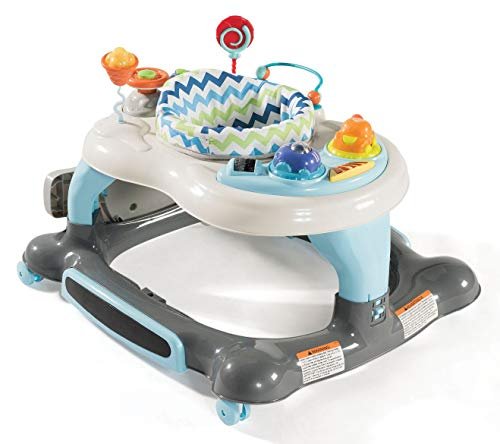
Storkcraft 3-in-1 Activity Walker and Rocker with Jumping Board Feeding Tray, Interactive Toy Tray for Toddlers Infants, Blue/Gray
Storkcraft 3-in-1 Activity Walker and Rocker with Jumping Board Feeding Tray, Interactive Toy Tray for Toddlers Infants, Blue/Gray
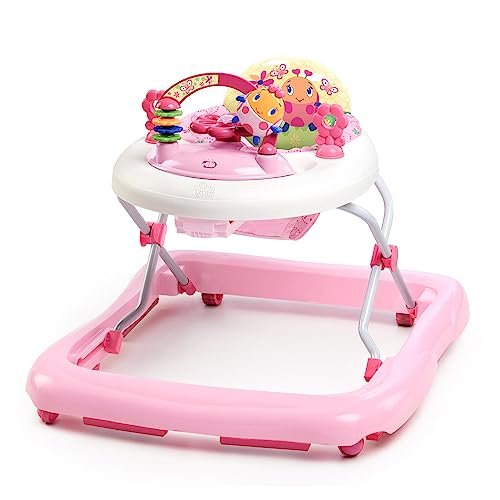
Bright Starts JuneBerry Walk-A-Bout Baby Walker and Entertainer, Removeable Floor Toy, with Easy Fold Frame for Storage, Ages 6 Months +
Bright Starts JuneBerry Walk-A-Bout Baby Walker and Entertainer, Removeable Floor Toy, with Easy Fold Frame for Storage, Ages 6 Months +
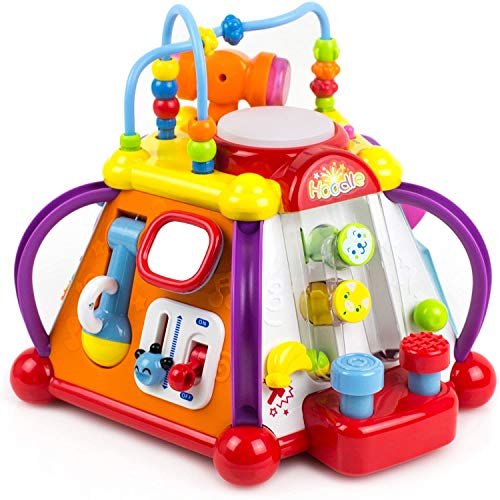
Toysery Baby Activity Center – Toddler Kids Learning & Skill Development Cube with Lights & Music. Enhance Skill Development with a 15 in 1 Game Functions Toy
Toysery Baby Activity Center – Toddler Kids Learning & Skill Development Cube with Lights & Music. Enhance Skill Development with a 15 in 1 Game Functions Toy
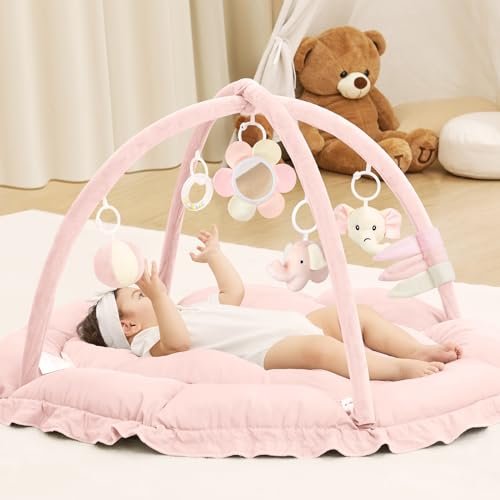
ANGELBLISS 5 in 1 Baby Play Gym Mat, Reversible Tummy Time Mat with 5 Sensory Toys for Stage-Based Developmental, Thick & Large Baby Activity Center from Newborn to Toddler (Pink)
ANGELBLISS 5 in 1 Baby Play Gym Mat, Reversible Tummy Time Mat with 5 Sensory Toys for Stage-Based Developmental, Thick & Large Baby Activity Center from Newborn to Toddler (Pink)