
Essential Baby Bath Safety Tips Every Parent Should Know
Bath time can be one of the most enjoyable bonding moments between parents and babies, but it also requires careful attention to safety. Because babies are small, slippery, and unable to support themselves fully, even a few inches of water can become dangerous without proper supervision and preparation.
Creating a safe bathing routine helps reduce risks while making bath time calmer and more comfortable for both you and your baby.
Here are some important baby bath safety tips every parent should keep in mind.
Never Leave Your Baby Unattended
The most important bath safety rule is simple:
Never leave your baby alone in the bathtub — not even for a few seconds.
Babies can slip underwater very quickly and silently, even in shallow water.
If you need to answer the door, grab a towel, or step away for any reason, always take your baby with you.
Keep Everything Within Reach
Before starting bath time, prepare all bathing supplies in advance so you don’t need to leave the tub area.
Helpful items to have nearby include:
- Towels
- Washcloths
- Baby soap and shampoo
- Clean diaper
- Fresh clothes
- Bath toys
- Lotion if needed
Being fully prepared allows you to focus entirely on your baby throughout the bath.
Maintain a Secure Hold on Your Baby
Babies become extremely slippery when wet, so maintaining a steady grip is essential.
Always support:
- Your baby’s head
- Neck
- Back
- Body during movement
Newborns and young infants have limited muscle control and require extra support throughout bath time.
Prevent Slips & Falls
Bathtubs can become slippery very quickly during bathing.
To reduce slipping risks:
- Keep the tub surface clean
- Remove soap buildup
- Avoid excessive oils in bathwater
- Use non-slip surfaces when appropriate
Use Non-Slip Bath Mats Carefully
A non-slip bath mat or anti-slip stickers can provide additional traction inside the tub.
When choosing bath mats:
- Ensure they attach securely
- Clean them regularly
- Check for mold or wear
- Choose baby-safe materials
These simple additions can help create a safer bathing environment.
Always Test the Water Temperature
A baby’s skin is much more sensitive to heat than adult skin.
Water that feels comfortable to you may still be too hot for your baby.
The recommended bath water temperature is approximately:
90–100∘F ≈ 32–37.8∘C
to help keep your baby warm without risking burns.
Check Water Temperature Before Every Bath
Before placing your baby in the tub:
- Test the water with your wrist or elbow
- Stir the water evenly
- Avoid hot spots
- Consider using a bath thermometer
Sudden temperature changes can also make babies uncomfortable, so maintaining consistent warmth throughout the bath is important.
Use Only a Small Amount of Water
Babies do not need deep water for bathing.
Typically:
2–3 inches of water2\text{–}3\ \text{inches of water}2–3 inches of water
is usually enough for infant baths.
Less water helps reduce drowning risks while still allowing safe and effective cleaning.
Keep Electrical Devices Away
Never place electrical items near the bathtub.
Keep the following away from water:
- Hair dryers
- Phone chargers
- Heaters
- Electric razors
- Extension cords
Water and electricity create serious safety hazards around babies.
Use Gentle, Baby-Safe Bath Products
Choose mild products specifically designed for babies.
Look for items that are:
- Fragrance-free
- Hypoallergenic
- Tear-free
- Free from harsh chemicals
Strong soaps or heavily scented products may irritate your baby’s sensitive skin.
Avoid Overheating the Bathroom
While a warm room helps keep babies comfortable after bathing, overly hot environments can cause discomfort.
Aim for a comfortably warm room temperature without excessive heat buildup.
Be Careful With Bath Seats & Supports
Bath seats and infant bath supports can provide convenience, but they should never replace active supervision.
Even when using supportive bath equipment:
- Keep one hand near your baby
- Stay within arm’s reach
- Never assume bath seats prevent accidents
These products are helpful tools but are not substitutes for direct supervision.
Watch for Signs of Discomfort
Pay attention to your baby’s reactions during bath time.
Signs your baby may feel uncomfortable include:
- Excessive crying
- Shivering
- Red skin
- Fussiness
- Arching away from water
Adjusting the water temperature, shortening bath time, or calming the environment may help improve comfort.
Keep Bath Time Calm & Relaxing
Bath time should feel safe and soothing.
Speaking gently, smiling, and maintaining calm energy can help your baby associate baths with comfort and security.
Many parents find that calming bath routines also support better sleep and relaxation afterward.
Dry Your Baby Carefully
After the bath:
- Wrap your baby immediately in a soft towel
- Pat the skin dry gently
- Pay extra attention to skin folds
- Avoid rubbing sensitive skin harshly
Keeping your baby warm after bathing helps prevent chills and discomfort.
Stay Focused During Bath Time
Distractions during baby baths can increase accident risks.
Avoid:
- Using your phone
- Watching television
- Leaving the room
- Dividing attention with other tasks
Even brief distractions can become dangerous around water.
Final Thoughts
Baby bath safety starts with preparation, supervision, and attention to detail. By maintaining a secure environment, checking water temperature carefully, preventing slips, and staying fully present throughout the bath, you can help create a safe and enjoyable experience for your little one.
Bath time can become a comforting routine filled with bonding, relaxation, and care when safety remains the top priority.
With patience and consistency, you can confidently make bath time both safe and enjoyable for your baby every day.
Trending Articles
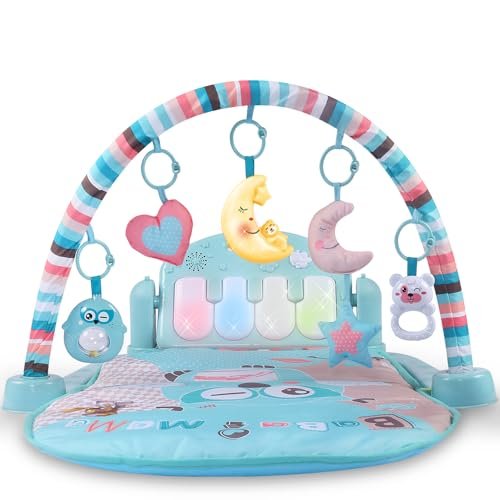
TEMI Baby Gym Toys & Activity Play Mat, Kick and Play Piano Gym Center with Music and Lights, Electronic Learning Toys for Infants, Toddlers, Newborn, Girls and Boys Ages 1 to 36 Months
TEMI Baby Gym Toys & Activity Play Mat, Kick and Play Piano Gym Center with Music and Lights, Electronic Learning Toys for Infants, Toddlers, Newborn, Girls and Boys Ages 1 to 36 Months
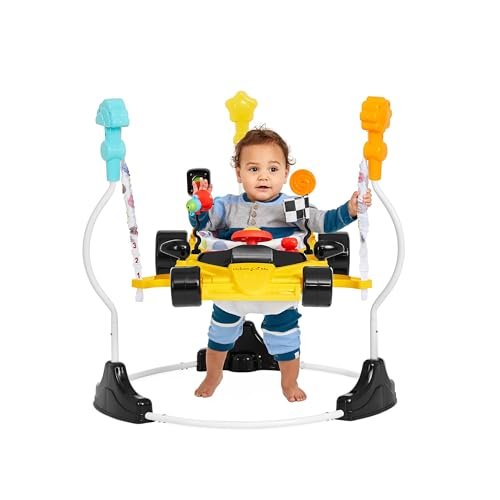
Dream On Me, Champ Activity Center & Jumper, Yellow
Dream On Me, Champ Activity Center & Jumper, Yellow
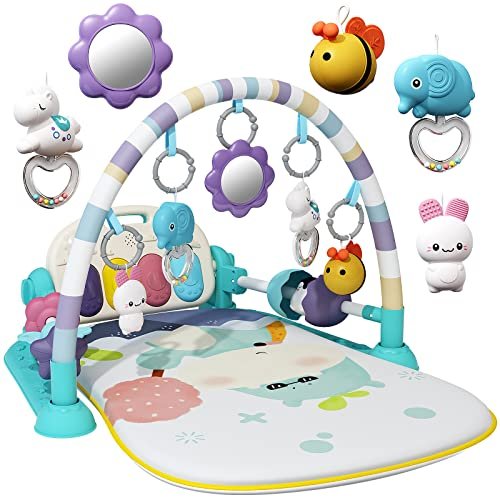
Baby Gym With Kick and Play Piano, Activity Mat for Tummy Time With 5 Infant Learning Sensory, Music and Lights for Newborn Boy or Girl (Green)
Baby Gym With Kick and Play Piano, Activity Mat for Tummy Time With 5 Infant Learning Sensory, Music and Lights for Newborn Boy or Girl (Green)
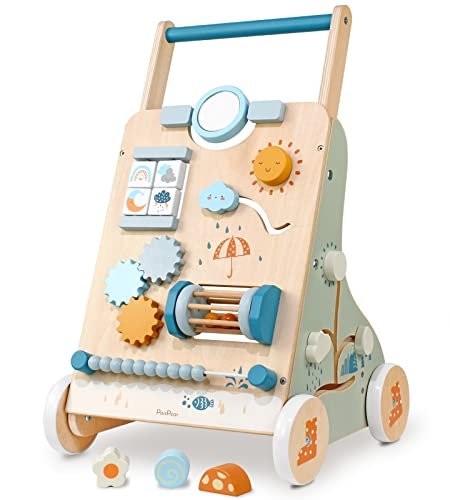
PairPear Wooden Baby Walker, Baby Push Walker, Montessori Walker Toy with Activity Center for Girls Boys, Adjustable Speed Baby Walker for Kids Development
PairPear Wooden Baby Walker, Baby Push Walker, Montessori Walker Toy with Activity Center for Girls Boys, Adjustable Speed Baby Walker for Kids Development
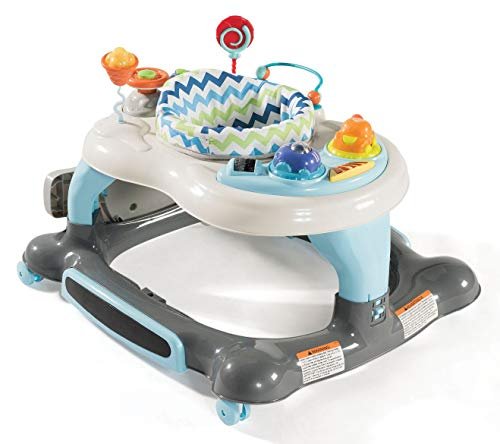
Storkcraft 3-in-1 Activity Walker and Rocker with Jumping Board Feeding Tray, Interactive Toy Tray for Toddlers Infants, Blue/Gray
Storkcraft 3-in-1 Activity Walker and Rocker with Jumping Board Feeding Tray, Interactive Toy Tray for Toddlers Infants, Blue/Gray
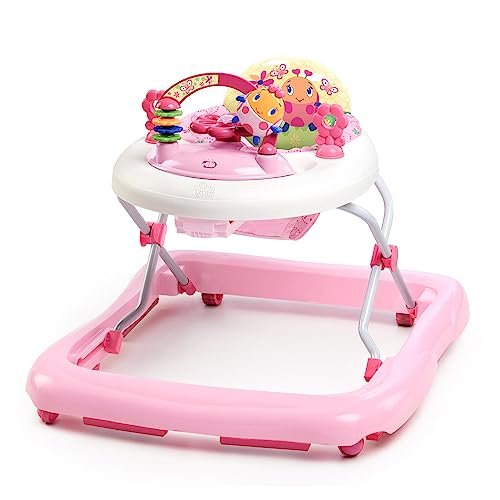
Bright Starts JuneBerry Walk-A-Bout Baby Walker and Entertainer, Removeable Floor Toy, with Easy Fold Frame for Storage, Ages 6 Months +
Bright Starts JuneBerry Walk-A-Bout Baby Walker and Entertainer, Removeable Floor Toy, with Easy Fold Frame for Storage, Ages 6 Months +
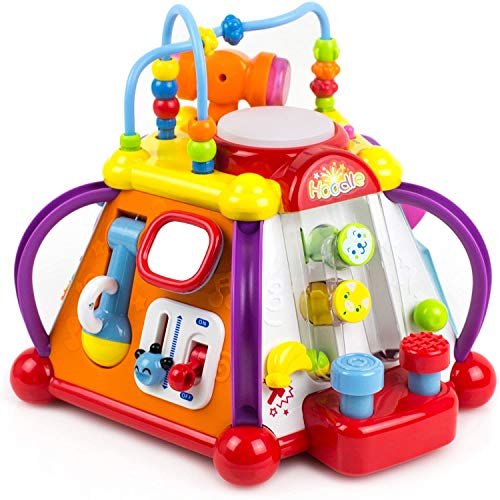
Toysery Baby Activity Center – Toddler Kids Learning & Skill Development Cube with Lights & Music. Enhance Skill Development with a 15 in 1 Game Functions Toy
Toysery Baby Activity Center – Toddler Kids Learning & Skill Development Cube with Lights & Music. Enhance Skill Development with a 15 in 1 Game Functions Toy
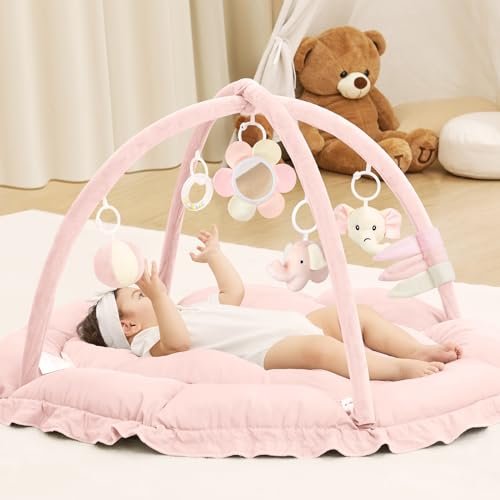
ANGELBLISS 5 in 1 Baby Play Gym Mat, Reversible Tummy Time Mat with 5 Sensory Toys for Stage-Based Developmental, Thick & Large Baby Activity Center from Newborn to Toddler (Pink)
ANGELBLISS 5 in 1 Baby Play Gym Mat, Reversible Tummy Time Mat with 5 Sensory Toys for Stage-Based Developmental, Thick & Large Baby Activity Center from Newborn to Toddler (Pink)