
Breastfeeding Tips Every New Mom Should Know
Breastfeeding can be one of the most rewarding experiences of early motherhood, but it can also come with challenges, especially for first-time moms. Learning how to breastfeed comfortably, maintain milk supply, and manage common issues takes patience, practice, and support.
Every mother’s breastfeeding journey is unique, and it’s completely normal to experience a learning curve during the first weeks after birth. With the right guidance and encouragement, breastfeeding can become a more comfortable and fulfilling experience for both mom and baby.
Here are some essential breastfeeding tips every new mom should know.
Mastering Proper Latching
One of the most important parts of successful breastfeeding is achieving a proper latch. A good latch helps your baby feed efficiently while reducing discomfort and nipple soreness.
When preparing to breastfeed:
- Hold your baby close to your body
- Align their nose with your nipple
- Wait for your baby’s mouth to open wide
- Bring the baby to the breast rather than leaning forward yourself
Your baby’s lips should flare outward, and their mouth should cover a large portion of the areola — not just the nipple.
Signs of a Good Latch
A proper latch often includes:
- Rhythmic sucking and swallowing
- Minimal discomfort or pain
- Your baby’s chin touching the breast
- Rounded cheeks while feeding
- Audible swallowing sounds
If breastfeeding feels painful beyond mild initial tenderness, gently break the latch and try again. Proper positioning can make a major difference in comfort and milk transfer.
Maintaining a Healthy Milk Supply
Many new moms worry about milk supply, especially during the early stages of breastfeeding. In most cases, frequent feeding and proper hydration help support healthy milk production naturally.
Nurse Frequently
Breast milk production works on a supply-and-demand system. The more often your baby nurses, the more signals your body receives to continue producing milk.
Most newborns feed approximately:
8–12 feedings per day8\text{–}12\ \text{feedings per day}8–12 feedings per day
especially during the first weeks.
Feeding on demand rather than following a strict schedule can help establish a strong milk supply.
Stay Hydrated
Breastfeeding increases your body’s hydration needs. Drinking water consistently throughout the day helps support milk production and overall recovery after childbirth.
Helpful hydration tips include:
- Keeping a water bottle nearby during feedings
- Drinking fluids regularly throughout the day
- Limiting excessive caffeine or alcohol intake
Nourish Your Body
A balanced diet also plays an important role in breastfeeding health. Focus on nutrient-rich foods such as:
- Fruits and vegetables
- Whole grains
- Lean proteins
- Healthy fats
- Calcium-rich foods
Taking care of your own health helps support both energy levels and milk production.
Finding Comfortable Breastfeeding Positions
Trying different breastfeeding positions can help you discover what feels most comfortable for both you and your baby.
Cradle Hold
The cradle hold is one of the most commonly used breastfeeding positions. Your baby rests across your lap while their head is supported by your arm.
This position encourages bonding and close eye contact.
Football Hold
In the football hold, your baby is tucked under your arm alongside your body.
This position can be especially helpful for:
- Moms recovering from a C-section
- Babies with latching difficulties
- Feeding twins
Side-Lying Position
The side-lying position allows you to breastfeed while lying down, making nighttime feedings more comfortable and restful.
This position may also reduce strain on your back and shoulders.
Overcoming Common Breastfeeding Challenges
Many breastfeeding difficulties are temporary and can improve with support and small adjustments.
Nipple Soreness
Mild tenderness is common initially, but severe pain may indicate an improper latch.
To reduce soreness:
- Reposition your baby
- Ensure a deep latch
- Allow nipples to air dry after feedings
- Use lanolin or breastfeeding-safe nipple creams if needed
Engorgement
Breast engorgement occurs when breasts become overly full, swollen, or painful.
Helpful strategies include:
- Feeding frequently
- Applying warm compresses before nursing
- Hand expressing small amounts of milk
- Wearing supportive but non-restrictive bras
Clogged Milk Ducts
Clogged ducts may cause localized tenderness or lumps in the breast.
To help relieve them:
- Continue nursing regularly
- Apply warmth before feeding
- Gently massage the area
- Change feeding positions
If symptoms worsen or fever develops, contact a healthcare provider.
Concerns About Low Milk Supply
Many moms worry about milk supply unnecessarily. Signs your baby is feeding well often include:
- Regular wet diapers
- Consistent weight gain
- Satisfied behavior after feeding
- Frequent swallowing during nursing
If concerns persist, a lactation consultant or pediatrician can provide personalized guidance.
Don’t Be Afraid to Ask for Help
One of the most important breastfeeding tips for new moms is recognizing that support matters.
Breastfeeding can feel emotionally and physically demanding, especially during the early weeks. Seeking help is not a sign of failure — it’s part of the learning process.
Helpful Breastfeeding Support Resources
Support can come from many places, including:
- Lactation consultants
- Pediatricians
- Postpartum nurses
- Breastfeeding support groups
- Parenting communities
- Experienced family members or friends
Professional lactation consultants can be especially valuable when dealing with:
- Latch difficulties
- Painful feeding
- Milk supply concerns
- Pumping questions
- Feeding schedules
Having emotional encouragement and expert guidance can make a tremendous difference in your breastfeeding confidence and success.
Taking Care of Yourself Matters Too
Breastfeeding mothers often focus entirely on the baby while forgetting about their own recovery and well-being.
Remember to:
- Rest whenever possible
- Eat nourishing meals
- Stay hydrated
- Accept help from others
- Prioritize emotional health
A healthy and supported mother is better equipped to care for her baby.
Final Thoughts
Breastfeeding is a journey that takes time, patience, and practice. While challenges may arise, many issues can be overcome with proper support, education, and self-care.
Every feeding experience is different, and there is no single “perfect” way to breastfeed. The most important thing is finding a routine that supports both you and your baby’s health and well-being.
With patience, encouragement, and the right resources, breastfeeding can become a meaningful and rewarding part of early motherhood.
Trending Articles
TEMI Baby Gym Toys & Activity Play Mat, Kick and Play Piano Gym Center with Music and Lights, Electronic Learning Toys for Infants, Toddlers, Newborn, Girls and Boys Ages 1 to 36 Months
TEMI Baby Gym Toys & Activity Play Mat, Kick and Play Piano Gym Center with Music and Lights, Electronic Learning Toys for Infants, Toddlers, Newborn, Girls and Boys Ages 1 to 36 Months
Dream On Me, Champ Activity Center & Jumper, Yellow
Dream On Me, Champ Activity Center & Jumper, Yellow
Baby Gym With Kick and Play Piano, Activity Mat for Tummy Time With 5 Infant Learning Sensory, Music and Lights for Newborn Boy or Girl (Green)
Baby Gym With Kick and Play Piano, Activity Mat for Tummy Time With 5 Infant Learning Sensory, Music and Lights for Newborn Boy or Girl (Green)
PairPear Wooden Baby Walker, Baby Push Walker, Montessori Walker Toy with Activity Center for Girls Boys, Adjustable Speed Baby Walker for Kids Development
PairPear Wooden Baby Walker, Baby Push Walker, Montessori Walker Toy with Activity Center for Girls Boys, Adjustable Speed Baby Walker for Kids Development
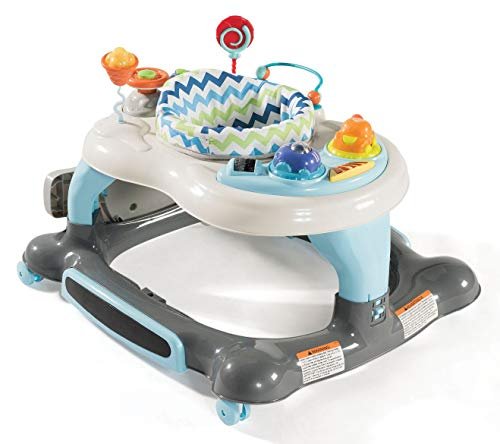
Storkcraft 3-in-1 Activity Walker and Rocker with Jumping Board Feeding Tray, Interactive Toy Tray for Toddlers Infants, Blue/Gray
Storkcraft 3-in-1 Activity Walker and Rocker with Jumping Board Feeding Tray, Interactive Toy Tray for Toddlers Infants, Blue/Gray
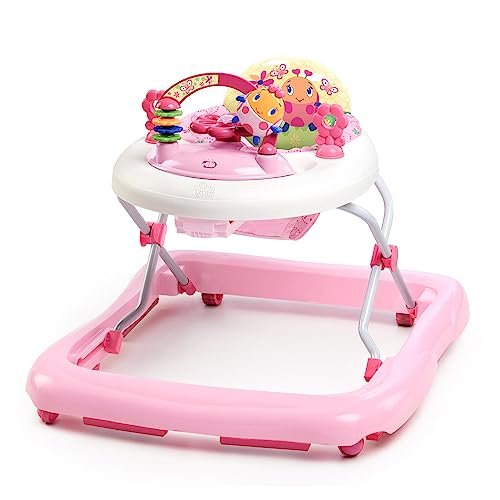
Bright Starts JuneBerry Walk-A-Bout Baby Walker and Entertainer, Removeable Floor Toy, with Easy Fold Frame for Storage, Ages 6 Months +
Bright Starts JuneBerry Walk-A-Bout Baby Walker and Entertainer, Removeable Floor Toy, with Easy Fold Frame for Storage, Ages 6 Months +
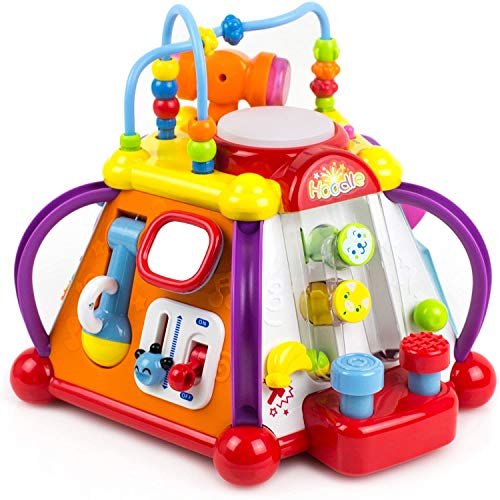
Toysery Baby Activity Center – Toddler Kids Learning & Skill Development Cube with Lights & Music. Enhance Skill Development with a 15 in 1 Game Functions Toy
Toysery Baby Activity Center – Toddler Kids Learning & Skill Development Cube with Lights & Music. Enhance Skill Development with a 15 in 1 Game Functions Toy

ANGELBLISS 5 in 1 Baby Play Gym Mat, Reversible Tummy Time Mat with 5 Sensory Toys for Stage-Based Developmental, Thick & Large Baby Activity Center from Newborn to Toddler (Pink)
ANGELBLISS 5 in 1 Baby Play Gym Mat, Reversible Tummy Time Mat with 5 Sensory Toys for Stage-Based Developmental, Thick & Large Baby Activity Center from Newborn to Toddler (Pink)