
How to Create a Positive Feeding Environment
Creating a healthy feeding environment goes beyond simply offering nutritious food. The atmosphere surrounding meals can strongly influence your child’s eating habits, relationship with food, and overall emotional well-being. A calm, supportive, and enjoyable mealtime experience helps children feel more comfortable exploring new foods while developing healthy habits that can last a lifetime.
By focusing on consistency, communication, and positive interactions, you can transform mealtime into a nurturing part of your family’s daily routine.
Create a Calm & Welcoming Atmosphere
The environment during meals can significantly affect your child’s mood and willingness to eat.
A calm and inviting setting helps children feel relaxed, secure, and more open to trying different foods.
Reduce Mealtime Distractions
Minimizing distractions allows children to focus on eating and listening to their hunger cues.
Try limiting:
- Television
- Phones
- Tablets
- Loud background noise
- Toys at the table
A distraction-free environment encourages mindful eating and family interaction.
Make Mealtimes Feel Comfortable
Simple adjustments can help create a more relaxing dining experience.
Consider:
- Soft lighting
- Comfortable seating
- Calm conversations
- Pleasant background music
- Clean and organized table settings
A peaceful atmosphere can help reduce stress and make meals more enjoyable.
Encourage Healthy Eating Habits
Positive feeding environments support healthy habits without pressure or negativity.
Offer a Variety of Nutritious Foods
Providing balanced meals introduces children to different flavors, textures, and nutrients.
Include a variety of:
- Fruits
- Vegetables
- Whole grains
- Lean proteins
- Dairy or dairy alternatives
Repeated exposure to healthy foods helps children become more comfortable trying new options over time.
Avoid Food Pressure
Pressuring children to eat certain foods or finish their plates can create negative associations with eating.
Instead:
- Encourage exploration
- Offer foods without forcing
- Respect appetite cues
- Allow children to decide how much they eat
Positive encouragement is usually more effective than pressure.
Teach Children to Recognize Hunger & Fullness
Helping children listen to their bodies promotes healthier eating patterns.
Encourage them to:
- Eat when hungry
- Stop when full
- Notice how foods make them feel
This helps support mindful eating habits from an early age.
Involve Children in Meal Preparation
Including children in meal preparation can make them more interested and excited about food.
Even small tasks help children feel involved and empowered.
Age-Appropriate Kitchen Activities
Depending on age, children can help with:
- Washing vegetables
- Stirring ingredients
- Setting the table
- Mixing batter
- Choosing ingredients
- Organizing snacks
Participation often increases curiosity about healthy foods.
Make Cooking Educational & Fun
Meal preparation can become a valuable learning experience.
Children can learn about:
- Nutrition
- Colors and textures
- Measurements
- Food origins
- Healthy choices
Cooking together also creates meaningful bonding opportunities.
Encourage Positive Communication
Mealtime is an excellent opportunity for family connection and conversation.
Listen & Engage
Encourage children to talk about:
- Their day
- Favorite foods
- Feelings
- New experiences
- Interests
Active listening helps children feel heard and valued.
Keep Conversations Positive
Avoid stressful or negative discussions during meals whenever possible.
Instead, focus on:
- Encouragement
- Gratitude
- Family connection
- Shared experiences
Positive interactions help create pleasant associations with mealtimes.
Avoid Using Food as Reward or Punishment
Using food to reward behavior or punish children can create unhealthy emotional relationships with eating.
Try to separate food from discipline whenever possible and focus on balanced routines instead.
Build Consistent Mealtime Routines
Consistency helps children feel secure and understand expectations around meals.
Set Regular Meal & Snack Times
Predictable schedules help regulate appetite and hunger cues.
Establish routines for:
- Breakfast
- Lunch
- Dinner
- Healthy snacks
Consistent meal timing supports healthier eating habits over time.
Encourage Family Meals
Eating together whenever possible can strengthen family relationships and model healthy eating behaviors.
Family meals help children learn through observation while creating meaningful daily connections.
Keep Mealtimes Relaxed
Not every meal needs to be perfect.
Focus on creating a low-pressure environment where children feel comfortable and supported, even if they occasionally refuse foods or eat less than expected.
Model Healthy Eating Behaviors
Children often learn by watching the adults around them.
Demonstrate balanced eating habits by:
- Trying new foods
- Eating vegetables regularly
- Drinking water
- Enjoying meals calmly
- Speaking positively about food
Your behavior can strongly influence your child’s relationship with eating.
Be Patient With Picky Eating
Picky eating is common in young children and often improves gradually over time.
Avoid labeling children as “picky eaters” and continue gently offering a variety of foods without pressure.
Repeated exposure can help increase acceptance over time.
Focus on Connection Over Perfection
A positive feeding environment is not about perfect meals or strict rules.
The goal is to create an atmosphere where children feel:
- Safe
- Comfortable
- Supported
- Encouraged
- Connected
Strong emotional experiences during meals can shape lifelong attitudes toward food and family routines.
Adapt as Your Child Grows
Children’s nutritional needs, preferences, and eating behaviors naturally change over time.
Stay flexible and continue adjusting routines as your child develops independence and new eating habits.
Final Thoughts
Creating a positive feeding environment involves more than simply serving healthy food — it’s about fostering comfort, connection, consistency, and healthy attitudes around eating. By establishing calm mealtime routines, encouraging positive communication, involving children in food preparation, and avoiding pressure around eating, you can help support both healthy nutrition and emotional well-being.
Small daily habits can create lasting positive relationships with food and family mealtimes.
Trending Articles
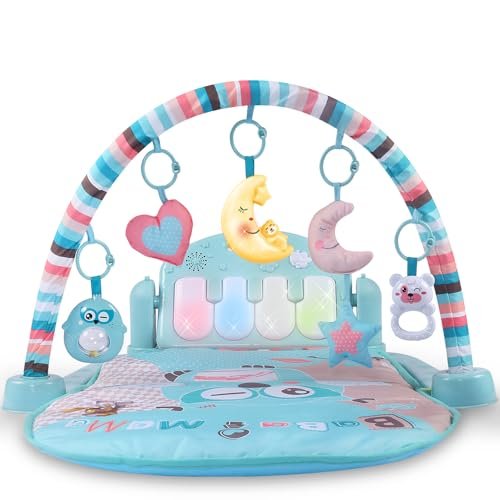
TEMI Baby Gym Toys & Activity Play Mat, Kick and Play Piano Gym Center with Music and Lights, Electronic Learning Toys for Infants, Toddlers, Newborn, Girls and Boys Ages 1 to 36 Months
TEMI Baby Gym Toys & Activity Play Mat, Kick and Play Piano Gym Center with Music and Lights, Electronic Learning Toys for Infants, Toddlers, Newborn, Girls and Boys Ages 1 to 36 Months
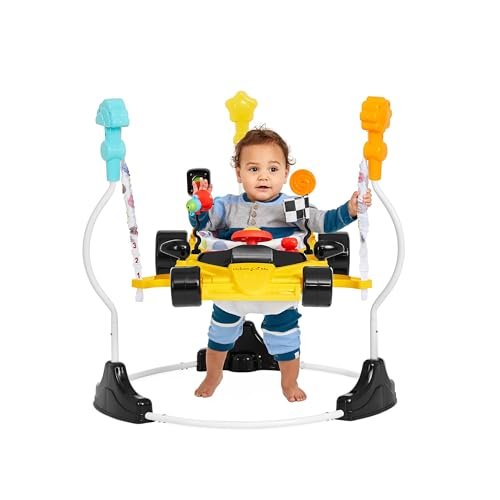
Dream On Me, Champ Activity Center & Jumper, Yellow
Dream On Me, Champ Activity Center & Jumper, Yellow
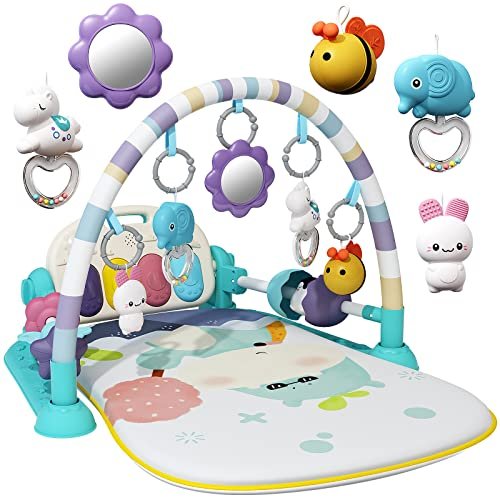
Baby Gym With Kick and Play Piano, Activity Mat for Tummy Time With 5 Infant Learning Sensory, Music and Lights for Newborn Boy or Girl (Green)
Baby Gym With Kick and Play Piano, Activity Mat for Tummy Time With 5 Infant Learning Sensory, Music and Lights for Newborn Boy or Girl (Green)
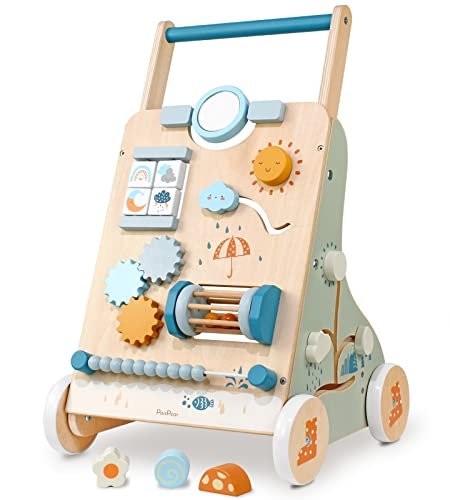
PairPear Wooden Baby Walker, Baby Push Walker, Montessori Walker Toy with Activity Center for Girls Boys, Adjustable Speed Baby Walker for Kids Development
PairPear Wooden Baby Walker, Baby Push Walker, Montessori Walker Toy with Activity Center for Girls Boys, Adjustable Speed Baby Walker for Kids Development
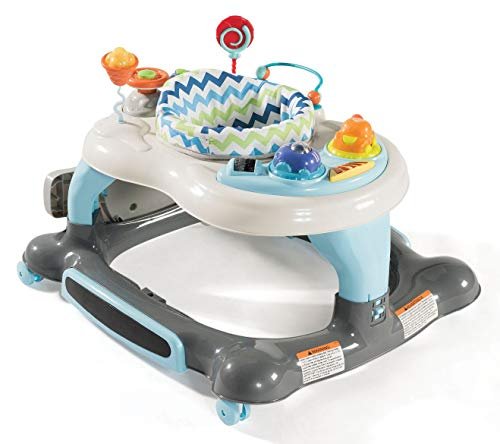
Storkcraft 3-in-1 Activity Walker and Rocker with Jumping Board Feeding Tray, Interactive Toy Tray for Toddlers Infants, Blue/Gray
Storkcraft 3-in-1 Activity Walker and Rocker with Jumping Board Feeding Tray, Interactive Toy Tray for Toddlers Infants, Blue/Gray
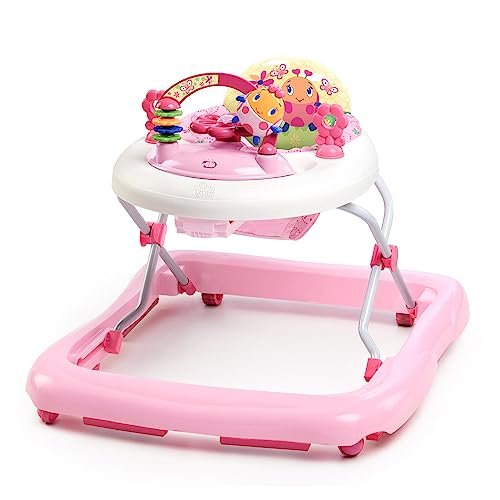
Bright Starts JuneBerry Walk-A-Bout Baby Walker and Entertainer, Removeable Floor Toy, with Easy Fold Frame for Storage, Ages 6 Months +
Bright Starts JuneBerry Walk-A-Bout Baby Walker and Entertainer, Removeable Floor Toy, with Easy Fold Frame for Storage, Ages 6 Months +
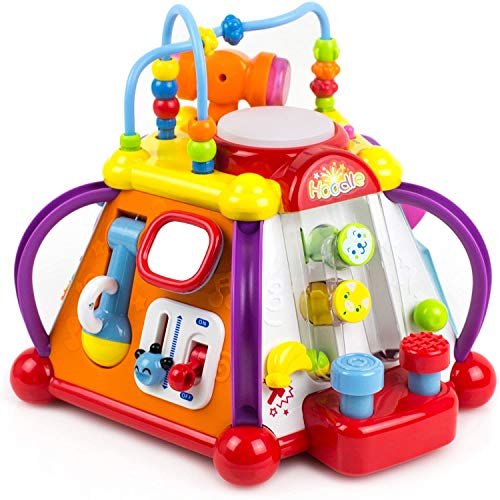
Toysery Baby Activity Center – Toddler Kids Learning & Skill Development Cube with Lights & Music. Enhance Skill Development with a 15 in 1 Game Functions Toy
Toysery Baby Activity Center – Toddler Kids Learning & Skill Development Cube with Lights & Music. Enhance Skill Development with a 15 in 1 Game Functions Toy
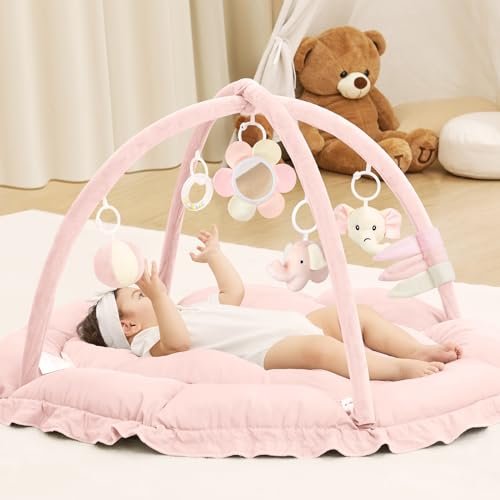
ANGELBLISS 5 in 1 Baby Play Gym Mat, Reversible Tummy Time Mat with 5 Sensory Toys for Stage-Based Developmental, Thick & Large Baby Activity Center from Newborn to Toddler (Pink)
ANGELBLISS 5 in 1 Baby Play Gym Mat, Reversible Tummy Time Mat with 5 Sensory Toys for Stage-Based Developmental, Thick & Large Baby Activity Center from Newborn to Toddler (Pink)