
What to Do When Your Baby Refuses to Eat
It can be stressful and frustrating when your baby suddenly refuses to eat, especially when you’re worried about their nutrition, growth, and overall well-being. However, feeding challenges are very common during infancy and early childhood, and in many cases, they are temporary and manageable with patience and consistency.
Babies may refuse food for many different reasons, ranging from teething discomfort to changes in routine, appetite fluctuations, or developmental stages.
Understanding the possible causes and responding calmly can help make mealtimes less stressful for both you and your baby.
Here are some helpful strategies to try when your baby refuses to eat.
Understand Why Your Baby May Be Refusing Food
Before trying to solve the problem, it’s important to consider what might be causing the feeding refusal.
Babies can lose interest in eating for several normal reasons.
Common Reasons Babies Refuse to Eat
Possible causes may include:
- Teething discomfort
- Illness or congestion
- Fatigue or overstimulation
- Changes in routine
- Dislike of certain textures
- Temporary appetite changes
- Desire for independence
- Sensitivity to new foods
- Growth or developmental phases
In many situations, food refusal is temporary and improves with time and patience.
Teething Can Affect Appetite
Teething often causes sore gums and discomfort, which may make chewing or sucking unpleasant for your baby.
Signs of teething may include:
- Drooling
- Fussiness
- Chewing on objects
- Swollen gums
- Increased irritability
During teething periods, babies may prefer softer foods or cooler textures.
Illness Can Reduce Hunger
Just like adults, babies often eat less when they are sick.
Colds, ear infections, stomach discomfort, or mild illnesses can temporarily affect appetite.
Monitor for additional symptoms such as:
- Fever
- Vomiting
- Diarrhea
- Unusual lethargy
- Persistent crying
If symptoms become concerning or your baby refuses food for an extended period, contact your pediatrician.
Create a Consistent Feeding Schedule
Babies often respond well to predictable routines.
Offering meals and snacks at consistent times each day can help regulate hunger cues and improve feeding habits over time.
Avoid Constant Snacking
Frequent snacking or excessive milk intake between meals may reduce hunger at mealtime.
Allowing some time between feedings can help your baby arrive at meals with a healthier appetite.
Pay Attention to Sleep & Timing
Overtired babies are often less interested in eating.
Try to schedule meals when your baby is:
- Well-rested
- Calm
- Alert
- Not overly hungry or upset
A comfortable and relaxed baby is usually more willing to explore food.
Introduce New Foods Gradually
Babies often need time to adjust to unfamiliar tastes and textures.
It’s completely normal for babies to reject new foods initially.
Offer New Foods Alongside Familiar Favorites
Introducing new foods with familiar, well-liked foods can help reduce anxiety and encourage curiosity.
Examples may include:
- Mixing vegetables with familiar purees
- Offering small portions of new foods
- Pairing new textures with favorite flavors
This approach can make mealtimes feel less overwhelming.
Don’t Give Up Too Quickly
Research suggests that babies may need multiple exposures to a food before accepting it.
Some babies may require:
8–15 exposures8\text{–}15\ \text{exposures}8–15 exposures
before becoming comfortable with a new food.
Patience and repetition are important.
Explore Different Textures
Some babies may dislike certain textures rather than the flavor itself.
Try gradually introducing:
- Smooth purees
- Mashed foods
- Soft finger foods
- Small soft solids
Pay attention to your baby’s reactions and comfort level.
Create a Positive Mealtime Environment
The atmosphere during meals can strongly influence how your baby responds to food.
Keeping mealtimes calm and pressure-free can help encourage healthier eating habits.
Avoid Pressure & Force Feeding
Pressuring a baby to eat often increases stress and resistance.
Instead of forcing bites:
- Encourage exploration
- Allow touching and playing with food
- Praise small attempts
- Stay patient and relaxed
Babies are more likely to develop positive eating habits when mealtimes feel safe and enjoyable.
Reduce Distractions During Meals
Too much stimulation may make it harder for babies to focus on eating.
Try minimizing:
- Television
- Loud sounds
- Phones or screens
- Excessive activity around the table
A calmer environment can help your baby focus better on food and hunger cues.
Eat Together When Possible
Babies often learn by observing others.
Family meals can encourage interest in eating as your baby watches parents and siblings enjoy food together.
Modeling healthy eating behaviors can make a positive difference over time.
Stay Calm & Patient
It’s easy to become anxious when your baby refuses food, but stress during mealtime can sometimes worsen the situation.
Remember:
- Appetite naturally varies from day to day
- Babies often go through picky phases
- Short-term food refusal is common
Staying calm helps create a more positive feeding experience.
Know When to Seek Professional Help
While occasional food refusal is normal, some situations may require medical guidance.
Speak with your pediatrician if your baby:
- Consistently refuses food
- Is losing weight
- Shows signs of dehydration
- Has difficulty swallowing
- Frequently chokes while eating
- Appears lethargic or weak
- Experiences ongoing vomiting or digestive issues
Professional support can help identify underlying medical, sensory, or developmental concerns if needed.
Lactation Consultants & Dietitians Can Help Too
In some cases, feeding specialists, lactation consultants, or pediatric dietitians may provide additional support.
These professionals can help with:
- Feeding techniques
- Texture transitions
- Nutritional concerns
- Feeding aversions
- Meal planning guidance
Early support can often prevent feeding challenges from becoming more stressful over time.
Final Thoughts
When your baby refuses to eat, patience, consistency, and understanding are essential. Most feeding challenges are temporary and improve as babies continue to grow and develop.
By maintaining a calm environment, offering a variety of foods, respecting your baby’s cues, and creating consistent routines, you can help build a healthier and more positive relationship with food over time.
Every baby is different, and progress may happen gradually. Focus on creating supportive mealtime experiences while seeking professional guidance whenever concerns arise.
Trending Articles
TEMI Baby Gym Toys & Activity Play Mat, Kick and Play Piano Gym Center with Music and Lights, Electronic Learning Toys for Infants, Toddlers, Newborn, Girls and Boys Ages 1 to 36 Months
TEMI Baby Gym Toys & Activity Play Mat, Kick and Play Piano Gym Center with Music and Lights, Electronic Learning Toys for Infants, Toddlers, Newborn, Girls and Boys Ages 1 to 36 Months
Dream On Me, Champ Activity Center & Jumper, Yellow
Dream On Me, Champ Activity Center & Jumper, Yellow
Baby Gym With Kick and Play Piano, Activity Mat for Tummy Time With 5 Infant Learning Sensory, Music and Lights for Newborn Boy or Girl (Green)
Baby Gym With Kick and Play Piano, Activity Mat for Tummy Time With 5 Infant Learning Sensory, Music and Lights for Newborn Boy or Girl (Green)
PairPear Wooden Baby Walker, Baby Push Walker, Montessori Walker Toy with Activity Center for Girls Boys, Adjustable Speed Baby Walker for Kids Development
PairPear Wooden Baby Walker, Baby Push Walker, Montessori Walker Toy with Activity Center for Girls Boys, Adjustable Speed Baby Walker for Kids Development
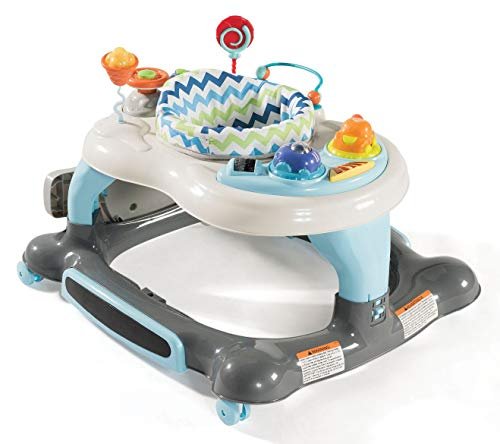
Storkcraft 3-in-1 Activity Walker and Rocker with Jumping Board Feeding Tray, Interactive Toy Tray for Toddlers Infants, Blue/Gray
Storkcraft 3-in-1 Activity Walker and Rocker with Jumping Board Feeding Tray, Interactive Toy Tray for Toddlers Infants, Blue/Gray
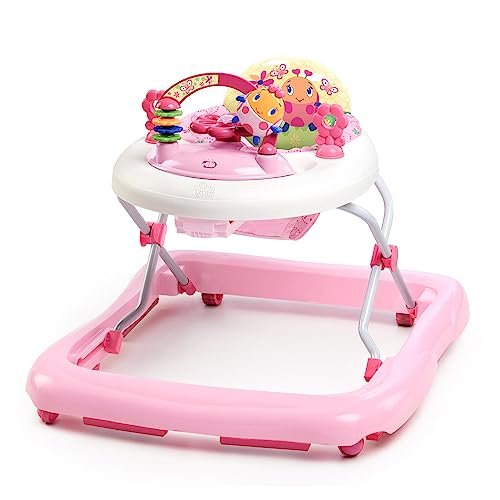
Bright Starts JuneBerry Walk-A-Bout Baby Walker and Entertainer, Removeable Floor Toy, with Easy Fold Frame for Storage, Ages 6 Months +
Bright Starts JuneBerry Walk-A-Bout Baby Walker and Entertainer, Removeable Floor Toy, with Easy Fold Frame for Storage, Ages 6 Months +
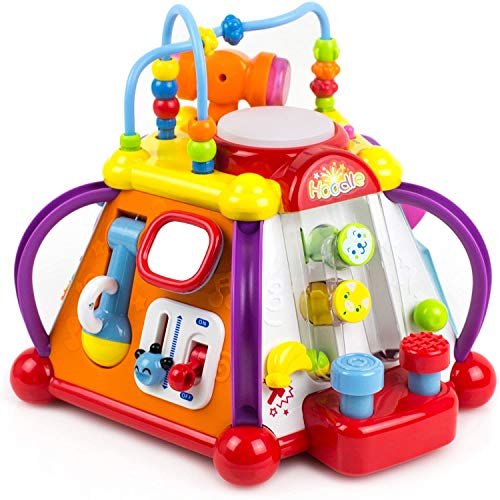
Toysery Baby Activity Center – Toddler Kids Learning & Skill Development Cube with Lights & Music. Enhance Skill Development with a 15 in 1 Game Functions Toy
Toysery Baby Activity Center – Toddler Kids Learning & Skill Development Cube with Lights & Music. Enhance Skill Development with a 15 in 1 Game Functions Toy
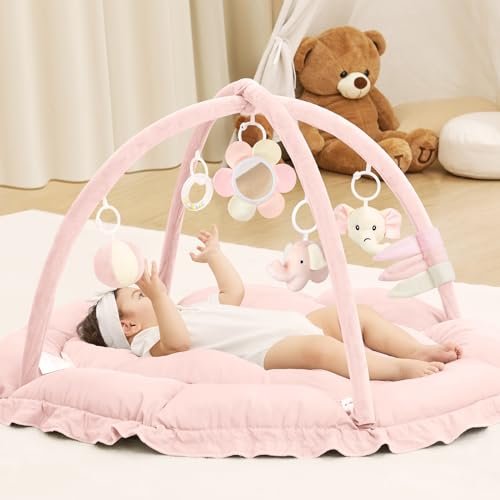
ANGELBLISS 5 in 1 Baby Play Gym Mat, Reversible Tummy Time Mat with 5 Sensory Toys for Stage-Based Developmental, Thick & Large Baby Activity Center from Newborn to Toddler (Pink)
ANGELBLISS 5 in 1 Baby Play Gym Mat, Reversible Tummy Time Mat with 5 Sensory Toys for Stage-Based Developmental, Thick & Large Baby Activity Center from Newborn to Toddler (Pink)