
How to Make Time for Yourself Without Feeling Guilty
Between parenting responsibilities, work demands, household tasks, and everyday obligations, many parents — especially mothers — struggle to find time for themselves. Even when opportunities for rest appear, guilt often follows closely behind.
However, taking time for yourself is not selfish. In reality, self-care plays an essential role in maintaining your mental, emotional, and physical well-being. When you care for yourself consistently, you often become more patient, focused, energized, and emotionally available for the people who depend on you.
Finding balance doesn’t require neglecting responsibilities. It simply means recognizing that your own well-being matters too.
Here are some practical ways to make time for yourself without feeling guilty.
Understand That Self-Care Is Necessary
One of the biggest obstacles to self-care is the belief that personal time is somehow selfish or unproductive.
In reality, constantly ignoring your own needs can eventually lead to:
- Burnout
- Emotional exhaustion
- Increased stress
- Irritability
- Mental fatigue
- Reduced patience and focus
Taking care of yourself allows you to recharge and function more effectively in every area of life.
Self-care is not about avoiding responsibilities — it’s about maintaining the energy and emotional capacity to handle them in a healthier way.
Set Healthy Boundaries
Creating boundaries is one of the most important steps in protecting your time and energy.
Without boundaries, it becomes easy to overcommit yourself and leave little room for rest or personal care.
Learn to Say No
You do not need to accept every invitation, request, or responsibility placed on you.
Saying no respectfully can help you:
- Prevent overwhelm
- Reduce unnecessary stress
- Protect your schedule
- Prioritize important commitments
Not every task deserves immediate attention, and not every request requires your sacrifice.
Communicate Your Needs Clearly
Family members, friends, and coworkers may not realize how overwhelmed you feel unless you communicate openly.
Be honest about:
- When you need rest
- When you need help
- What your limits are
- What support would be helpful
Healthy communication can reduce resentment and create stronger support systems.
Schedule Time for Yourself Intentionally
Many people wait for “free time” to appear naturally, but busy schedules rarely leave open space without intentional planning.
Treat personal time as something valuable that deserves a place in your schedule.
Start Small
You don’t necessarily need hours alone to benefit from self-care.
Even short periods of dedicated personal time can help you recharge, including:
- A quiet cup of coffee
- A short walk
- Reading a few pages of a book
- Listening to music or podcasts
- Stretching or yoga
- Journaling
- Taking a relaxing shower
Small moments of peace can have a surprisingly positive impact on your mental well-being.
Prioritize Activities That Truly Recharge You
Not all free time automatically feels restorative.
Mindless scrolling, multitasking, or constantly staying mentally “on” may not provide the emotional reset your body and mind actually need.
Focus on activities that genuinely help you feel:
- Calm
- Energized
- Creative
- Rested
- Emotionally balanced
Pay attention to what leaves you feeling refreshed rather than drained.
Delegate Responsibilities When Possible
You do not have to carry every responsibility alone.
Delegating tasks can help reduce mental overload while creating more room for rest and personal time.
At Home
Share responsibilities with family members whenever possible.
This may include:
- Household chores
- Meal preparation
- Childcare tasks
- Grocery shopping
- Cleaning routines
Children can also participate in age-appropriate responsibilities, helping build independence while easing your workload.
At Work
If possible, delegate non-essential tasks to coworkers or team members when appropriate.
Trying to manage everything alone often increases stress and decreases productivity over time.
Practice Mindful Time Management
Mindful time management helps you use your time more intentionally instead of constantly reacting to pressure and interruptions.
Focus on Priorities
Identify the tasks that truly matter each day rather than trying to accomplish everything at once.
Helpful strategies include:
- Creating realistic to-do lists
- Prioritizing important tasks first
- Breaking large projects into smaller steps
- Reducing unnecessary multitasking
This can help reduce feelings of chaos and improve overall balance.
Limit Distractions
Constant notifications, social media, and digital distractions can consume more time than many people realize.
Consider setting boundaries around:
- Phone usage
- Social media scrolling
- Email checking
- Unnecessary screen time
Protecting your attention can create more space for meaningful personal time.
Let Go of Perfectionism
Many people struggle to make time for themselves because they feel everything else must be completed perfectly first.
The truth is:
- The laundry may not always be finished
- The house may not always be spotless
- Every task may not be fully completed
And that’s okay.
Perfectionism often creates unrealistic expectations that leave little room for rest, joy, or flexibility.
Giving yourself permission to be imperfect can reduce guilt and improve emotional well-being.
Accept Help Without Guilt
Accepting help does not mean you are failing or incapable.
Allowing others to support you can strengthen relationships and reduce unnecessary pressure.
Whether it’s:
- A partner helping with childcare
- A friend bringing a meal
- A family member offering assistance
- Hiring occasional support if possible
receiving help can create valuable breathing room in your routine.
Remember That Your Well-Being Matters
Your emotional and physical health directly affect how you care for others.
When you constantly ignore your own needs, exhaustion eventually impacts:
- Your mood
- Your patience
- Your energy
- Your relationships
- Your mental health
Making time for yourself allows you to show up more fully and sustainably in every role you hold.
Final Thoughts
Finding time for yourself does not make you selfish — it makes you human. Self-care is an important part of maintaining balance, protecting mental health, and preventing burnout.
By setting boundaries, managing your time intentionally, accepting support, and prioritizing activities that genuinely recharge you, you can create healthier routines without feeling guilty for taking care of yourself.
You deserve rest, peace, and moments of joy too.
Trending Articles
TEMI Baby Gym Toys & Activity Play Mat, Kick and Play Piano Gym Center with Music and Lights, Electronic Learning Toys for Infants, Toddlers, Newborn, Girls and Boys Ages 1 to 36 Months
TEMI Baby Gym Toys & Activity Play Mat, Kick and Play Piano Gym Center with Music and Lights, Electronic Learning Toys for Infants, Toddlers, Newborn, Girls and Boys Ages 1 to 36 Months
Dream On Me, Champ Activity Center & Jumper, Yellow
Dream On Me, Champ Activity Center & Jumper, Yellow
Baby Gym With Kick and Play Piano, Activity Mat for Tummy Time With 5 Infant Learning Sensory, Music and Lights for Newborn Boy or Girl (Green)
Baby Gym With Kick and Play Piano, Activity Mat for Tummy Time With 5 Infant Learning Sensory, Music and Lights for Newborn Boy or Girl (Green)
PairPear Wooden Baby Walker, Baby Push Walker, Montessori Walker Toy with Activity Center for Girls Boys, Adjustable Speed Baby Walker for Kids Development
PairPear Wooden Baby Walker, Baby Push Walker, Montessori Walker Toy with Activity Center for Girls Boys, Adjustable Speed Baby Walker for Kids Development
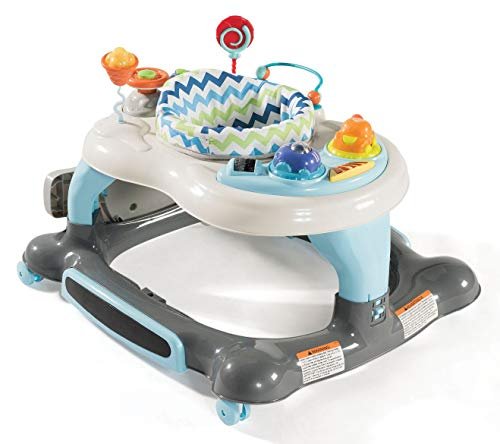
Storkcraft 3-in-1 Activity Walker and Rocker with Jumping Board Feeding Tray, Interactive Toy Tray for Toddlers Infants, Blue/Gray
Storkcraft 3-in-1 Activity Walker and Rocker with Jumping Board Feeding Tray, Interactive Toy Tray for Toddlers Infants, Blue/Gray
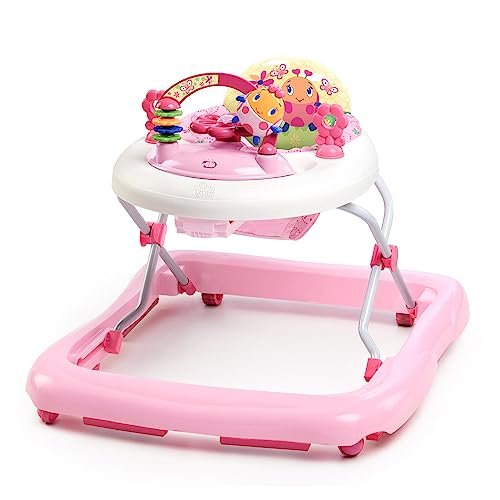
Bright Starts JuneBerry Walk-A-Bout Baby Walker and Entertainer, Removeable Floor Toy, with Easy Fold Frame for Storage, Ages 6 Months +
Bright Starts JuneBerry Walk-A-Bout Baby Walker and Entertainer, Removeable Floor Toy, with Easy Fold Frame for Storage, Ages 6 Months +
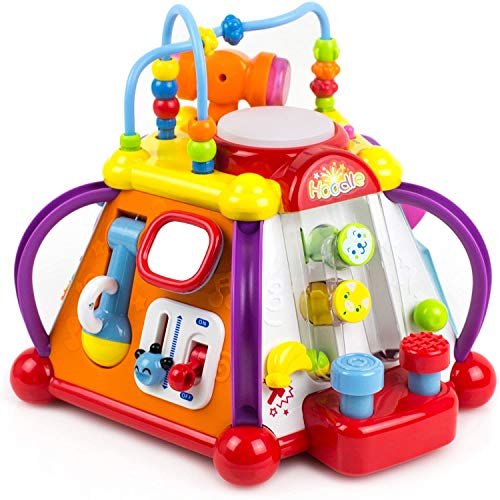
Toysery Baby Activity Center – Toddler Kids Learning & Skill Development Cube with Lights & Music. Enhance Skill Development with a 15 in 1 Game Functions Toy
Toysery Baby Activity Center – Toddler Kids Learning & Skill Development Cube with Lights & Music. Enhance Skill Development with a 15 in 1 Game Functions Toy
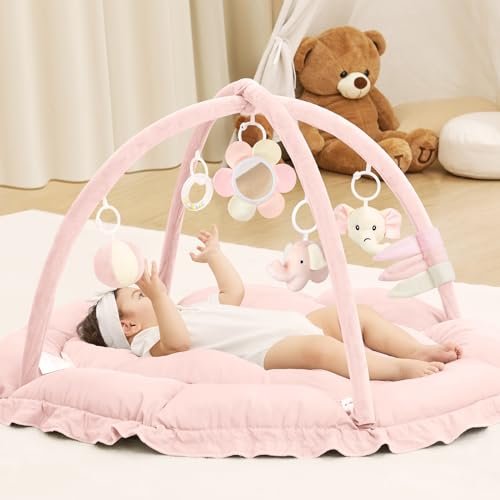
ANGELBLISS 5 in 1 Baby Play Gym Mat, Reversible Tummy Time Mat with 5 Sensory Toys for Stage-Based Developmental, Thick & Large Baby Activity Center from Newborn to Toddler (Pink)
ANGELBLISS 5 in 1 Baby Play Gym Mat, Reversible Tummy Time Mat with 5 Sensory Toys for Stage-Based Developmental, Thick & Large Baby Activity Center from Newborn to Toddler (Pink)