
How to Prepare for Labor and Delivery: A Complete Guide for Expecting Parents
As your due date approaches, excitement, anticipation, and nervousness often arrive all at once. Whether this is your first baby or you've experienced childbirth before, preparing for labor and delivery can help you feel more confident and in control during one of life's most transformative moments.
While it's impossible to predict exactly how labor will unfold, taking practical steps before your baby arrives can reduce stress and help you feel more prepared for the experience ahead. From creating a birth plan to recognizing early labor signs and preparing emotionally, thoughtful preparation can make a significant difference.
The final weeks of pregnancy are an ideal time to focus on both practical arrangements and mental readiness. By understanding what to expect and planning ahead, you can approach labor and delivery with greater confidence and peace of mind.
Why Preparation Matters Before Labor
Labor and delivery are unique for every parent and every baby. Some births progress quickly, while others take more time. Some go exactly as planned, while others require unexpected adjustments.
Preparing in advance doesn't mean controlling every detail. Instead, it allows you to become familiar with your options, communicate your preferences, and create a supportive environment for yourself and your baby.
Many parents find that preparation reduces anxiety and helps them feel empowered throughout the birth experience. Even simple steps like packing a hospital bag or discussing expectations with a partner can make the process feel less overwhelming.
Creating a Thoughtful Birth Plan
Understanding the Purpose of a Birth Plan
A birth plan is a document that outlines your preferences for labor, delivery, and immediate postpartum care. While flexibility is important, having a birth plan helps your healthcare team understand what matters most to you.
Your birth plan might include preferences about:
- Labor support people
- Pain management options
- Movement during labor
- Birth positions
- Monitoring preferences
- Immediate skin-to-skin contact
- Newborn feeding plans
- Postpartum recovery wishes
Remember that a birth plan is not a rigid script. Labor can be unpredictable, and medical circumstances sometimes require changes. Think of your birth plan as a communication tool rather than a set of strict rules.
Discussing Your Plan With Your Healthcare Provider
Before labor begins, review your preferences with your doctor or midwife.
Ask questions such as:
- What pain relief options are available?
- What are the hospital's labor and delivery policies?
- Can I move freely during labor?
- What happens if labor needs to be induced?
- What support options are available after birth?
Having these conversations beforehand can help you understand your choices and avoid surprises later.
Packing Your Hospital Bag
When to Pack
Most healthcare providers recommend having your hospital bag ready by around 36 weeks of pregnancy. Labor doesn't always follow a schedule, and being prepared early can provide peace of mind.
Essentials for Mom
Comfort should be a priority when packing.
Consider including:
- Comfortable pajamas or nightgowns
- Nursing bras if you plan to breastfeed
- Cozy socks and slippers
- Toiletries
- Lip balm
- Hair ties
- Phone charger
- Reusable water bottle
- Snacks approved by your care team
Many parents also appreciate bringing a favorite pillow or blanket to make the hospital environment feel more familiar.
Essentials for Baby
Your newborn won't need much initially, but a few items can make the transition home easier.
Pack:
- Going-home outfit
- Soft blanket
- Newborn hat
- Car seat installed and ready
- Extra clothing options based on weather conditions
Important Documents
Keep important paperwork together in an easily accessible folder.
This may include:
- Identification
- Insurance information
- Hospital registration forms
- Birth plan
- Emergency contact information
Learning the Signs of Labor
Early Labor Symptoms
One of the most common questions expecting parents ask is, "How will I know labor has started?"
While every experience is different, several common signs often indicate labor may be approaching.
You may notice:
- Regular contractions
- Lower back discomfort
- Increased pelvic pressure
- Loss of the mucus plug
- Changes in vaginal discharge
- A noticeable burst of energy known as nesting
Understanding Contractions
Practice contractions, often called Braxton Hicks contractions, can occur during late pregnancy. Unlike true labor contractions, they are usually irregular and often decrease with rest or hydration.
True labor contractions generally:
- Become stronger over time
- Occur at regular intervals
- Last longer as labor progresses
- Continue despite movement or position changes
Tracking contractions can help determine when it's time to contact your healthcare provider.
When Your Water Breaks
For some parents, labor begins when the amniotic sac ruptures, commonly known as "water breaking."
This may feel like:
- A sudden gush of fluid
- A slow, continuous trickle
If your water breaks, contact your healthcare provider for guidance on the next steps.
Preparing Emotionally for Labor and Birth
Acknowledging Common Fears
It's completely normal to feel nervous about labor and delivery.
Many expecting parents worry about:
- Pain management
- Medical interventions
- Unexpected complications
- Recovery
- Caring for a newborn
Rather than trying to eliminate these concerns, acknowledge them and seek accurate information. Education often reduces fear and builds confidence.
Building a Support System
The people surrounding you during pregnancy and birth can have a significant impact on your experience.
Consider who makes you feel:
- Calm
- Encouraged
- Supported
- Safe
- Confident
This may include your partner, family members, friends, a doula, or healthcare professionals.
Knowing you have a strong support team can help reduce anxiety and provide reassurance during labor.
Practicing Relaxation and Coping Techniques
Breathing Exercises
Controlled breathing can help manage discomfort and promote relaxation during labor.
Practice slow, deep breaths regularly during pregnancy so the technique feels familiar when labor begins.
Many parents find breathing exercises helpful for:
- Reducing tension
- Staying focused
- Managing contractions
- Promoting a sense of control
Visualization Techniques
Visualization involves mentally imagining a calm and positive birth experience.
You might picture:
- Meeting your baby for the first time
- A peaceful environment
- A successful labor experience
- Your body working effectively through each contraction
These exercises can help reduce fear and increase confidence.
Prenatal Yoga and Gentle Movement
Many parents benefit from gentle movement during pregnancy.
Prenatal yoga, stretching, and walking may help:
- Improve flexibility
- Reduce discomfort
- Promote relaxation
- Build body awareness
Always consult your healthcare provider before beginning any new exercise routine during pregnancy.
Preparing Your Home Before Baby Arrives
Organize Baby Essentials
The final weeks of pregnancy are a good time to prepare your home.
Focus on essentials such as:
- Diapers and wipes
- Baby clothing
- Feeding supplies
- Safe sleep space
- Bathing supplies
- Postpartum recovery items
Having necessities organized can reduce stress during the first weeks after birth.
Prepare Meals Ahead of Time
Many parents find meal preparation helpful before labor begins.
Consider freezing:
- Soups
- Casseroles
- Pasta dishes
- Healthy snacks
This allows you to focus on recovery and caring for your newborn rather than daily cooking.
Supporting Your Partner During Labor
If you're preparing to support a laboring partner, your role is incredibly valuable.
Helpful ways to provide support include:
- Offering encouragement
- Assisting with breathing techniques
- Providing physical comfort measures
- Helping communicate preferences
- Staying calm and positive
Partners don't need to have all the answers. Simply being present and supportive can make a tremendous difference.
Staying Flexible During Birth
One of the most important aspects of labor preparation is maintaining flexibility.
Even the most carefully planned births can take unexpected turns. Medical needs, labor progression, and baby positioning can all influence decisions during delivery.
Approaching labor with an open mind allows you to adapt while still focusing on your overall goal: a safe and healthy birth experience for both you and your baby.
Conclusion
Preparing for labor and delivery involves more than packing a hospital bag or counting contractions. It's about educating yourself, understanding your options, building a strong support system, and approaching birth with confidence and flexibility.
By creating a birth plan, recognizing labor signs, preparing your home, and focusing on emotional readiness, you can reduce uncertainty and feel more empowered as your due date approaches. Every birth experience is unique, but thoughtful preparation can help you navigate this remarkable journey with greater peace of mind and excitement as you prepare to welcome your baby into the world.
Trending Articles
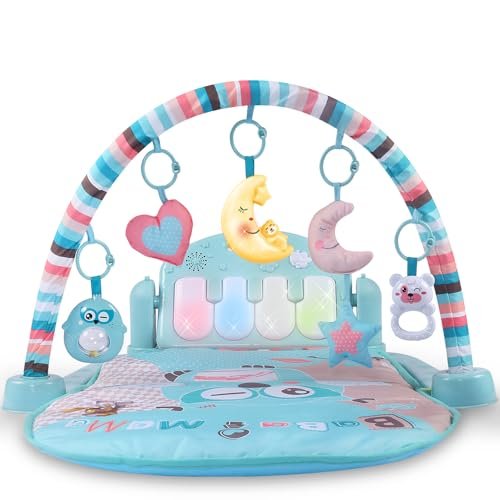
TEMI Baby Gym Toys & Activity Play Mat, Kick and Play Piano Gym Center with Music and Lights, Electronic Learning Toys for Infants, Toddlers, Newborn, Girls and Boys Ages 1 to 36 Months
TEMI Baby Gym Toys & Activity Play Mat, Kick and Play Piano Gym Center with Music and Lights, Electronic Learning Toys for Infants, Toddlers, Newborn, Girls and Boys Ages 1 to 36 Months
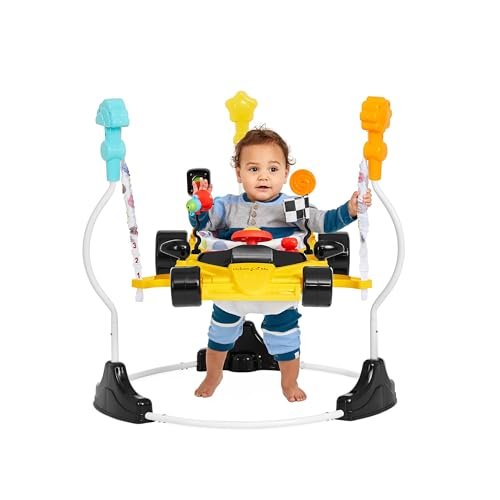
Dream On Me, Champ Activity Center & Jumper, Yellow
Dream On Me, Champ Activity Center & Jumper, Yellow
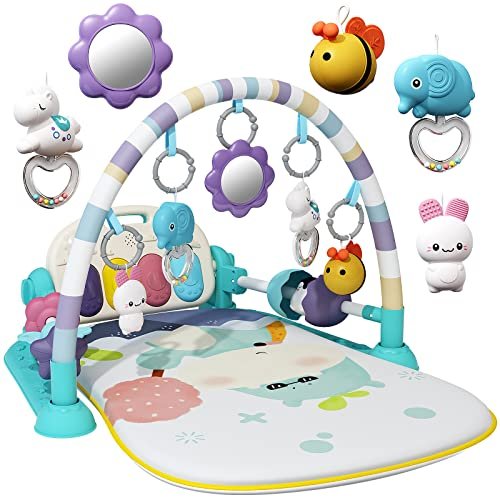
Baby Gym With Kick and Play Piano, Activity Mat for Tummy Time With 5 Infant Learning Sensory, Music and Lights for Newborn Boy or Girl (Green)
Baby Gym With Kick and Play Piano, Activity Mat for Tummy Time With 5 Infant Learning Sensory, Music and Lights for Newborn Boy or Girl (Green)
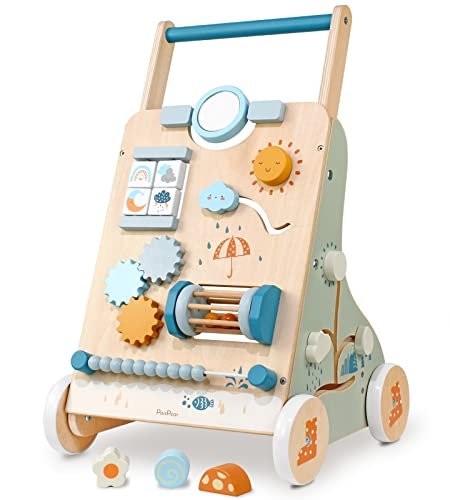
PairPear Wooden Baby Walker, Baby Push Walker, Montessori Walker Toy with Activity Center for Girls Boys, Adjustable Speed Baby Walker for Kids Development
PairPear Wooden Baby Walker, Baby Push Walker, Montessori Walker Toy with Activity Center for Girls Boys, Adjustable Speed Baby Walker for Kids Development
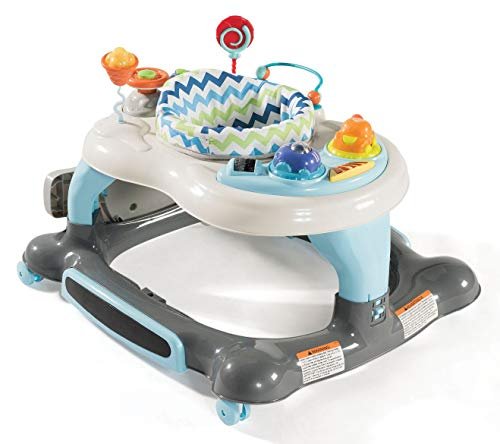
Storkcraft 3-in-1 Activity Walker and Rocker with Jumping Board Feeding Tray, Interactive Toy Tray for Toddlers Infants, Blue/Gray
Storkcraft 3-in-1 Activity Walker and Rocker with Jumping Board Feeding Tray, Interactive Toy Tray for Toddlers Infants, Blue/Gray
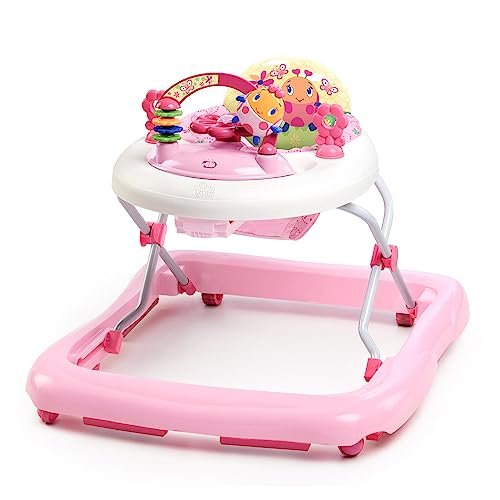
Bright Starts JuneBerry Walk-A-Bout Baby Walker and Entertainer, Removeable Floor Toy, with Easy Fold Frame for Storage, Ages 6 Months +
Bright Starts JuneBerry Walk-A-Bout Baby Walker and Entertainer, Removeable Floor Toy, with Easy Fold Frame for Storage, Ages 6 Months +
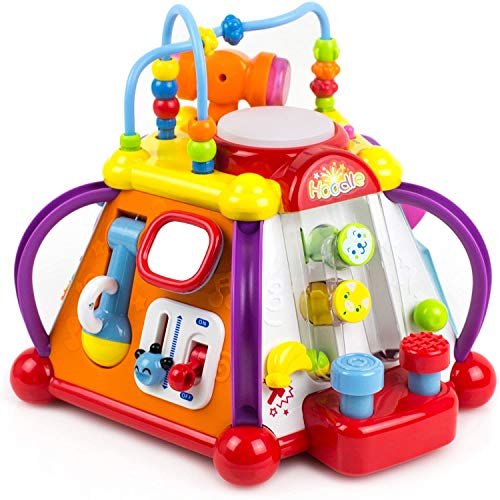
Toysery Baby Activity Center – Toddler Kids Learning & Skill Development Cube with Lights & Music. Enhance Skill Development with a 15 in 1 Game Functions Toy
Toysery Baby Activity Center – Toddler Kids Learning & Skill Development Cube with Lights & Music. Enhance Skill Development with a 15 in 1 Game Functions Toy

ANGELBLISS 5 in 1 Baby Play Gym Mat, Reversible Tummy Time Mat with 5 Sensory Toys for Stage-Based Developmental, Thick & Large Baby Activity Center from Newborn to Toddler (Pink)
ANGELBLISS 5 in 1 Baby Play Gym Mat, Reversible Tummy Time Mat with 5 Sensory Toys for Stage-Based Developmental, Thick & Large Baby Activity Center from Newborn to Toddler (Pink)