
How to Prevent Falls and Injuries in Babies: A Complete Guide to Creating a Safer Home
Few milestones are as exciting as watching your baby learn to roll, crawl, pull up, and eventually take their first steps. These moments represent important stages of growth and development, but they also introduce new safety challenges for parents and caregivers.
Babies are naturally curious. They explore the world through movement, touch, and experimentation, often without understanding potential dangers. A baby who couldn't move across a room yesterday may suddenly discover how to roll off a blanket, climb onto furniture, or reach objects that seemed completely out of reach. Because developmental changes can happen quickly, creating a safe environment becomes an ongoing process rather than a one-time task.
The good news is that many common childhood falls and injuries can be prevented with careful planning, appropriate supervision, and the right safety equipment. Small adjustments throughout your home can significantly reduce risks while still allowing your child to explore, learn, and build confidence.
This guide covers practical ways to improve baby safety at home, create safer sleep environments, choose secure baby gear, and reduce the risk of common accidents as your child grows.
Why Fall Prevention Matters During the First Years
Falls are among the most common causes of injury during infancy and early childhood.
As babies gain new physical abilities, they often attempt movements before they fully understand their limitations. A baby learning to sit may suddenly topple over. A crawler may head directly toward stairs. A toddler who recently learned to walk may become unsteady while exploring new environments.
Because babies have limited coordination and balance, even seemingly minor hazards can lead to injuries.
Fortunately, many risks can be minimized by anticipating developmental milestones before they occur. Baby-proofing your home early allows you to stay one step ahead of your growing explorer.
Creating a Safer Home Environment
A safe home provides babies with opportunities to explore while minimizing unnecessary hazards.
Secure Furniture to Prevent Tip-Overs
As babies become mobile, furniture can quickly become an attractive climbing target.
Dressers, bookshelves, television stands, and storage units should always be anchored securely to the wall using appropriate anti-tip hardware. Even lightweight furniture can become unstable when a child pulls or climbs on it.
Many serious household accidents occur when furniture tips forward unexpectedly. Securing these items is one of the most important safety improvements parents can make.
Cover Electrical Outlets and Secure Cords
Babies are naturally curious about electrical outlets, plugs, and cords.
Use outlet covers or safety plugs to block unused outlets, and keep cords hidden whenever possible. Electrical cords should never hang where a baby can pull on them.
Consider using cord organizers or protective covers to reduce access to wires around lamps, televisions, and electronics.
Reduce Tripping Hazards
As babies learn to crawl and walk, floors should remain as clear as possible.
Remove clutter, secure loose rugs, and keep small objects off the ground. Even everyday household items can become obstacles for an unsteady crawler or new walker.
Creating open pathways allows babies to move more freely and safely as they develop mobility skills.
Stair and Window Safety
Some of the most serious falls occur around stairs and windows.
Install Safety Gates
Stairways should be protected with safety gates at both the top and bottom.
Choose hardware-mounted gates for the top of stairs whenever possible, as these generally provide greater stability than pressure-mounted models.
Regularly inspect gates to ensure they remain secure and properly functioning.
Protect Windows
Many parents underestimate the risks associated with windows.
Window guards and safety locks can help prevent falls while still allowing ventilation. Keep furniture, cribs, and climbing objects away from windows to reduce the temptation for curious children to climb.
Never rely solely on window screens, as they are not designed to prevent falls.
Safe Sleep Practices for Babies
Sleep safety is another important part of injury prevention.
Creating a secure sleep environment helps reduce potential risks while supporting healthy sleep habits.
Always Place Babies on Their Backs to Sleep
Current safe sleep recommendations generally encourage placing babies on their backs for naps and nighttime sleep.
This position is widely recognized as the safest sleep position for healthy infants.
Consistency is important, so caregivers, grandparents, babysitters, and daycare providers should follow the same approach.
Keep the Sleep Space Simple
A baby's sleep area should remain free from unnecessary items.
Soft blankets, pillows, stuffed animals, and loose bedding can create avoidable hazards inside a crib or bassinet.
A firm mattress with a properly fitted sheet is typically all that is needed for a safe sleep environment.
Avoid Unsafe Sleep Surfaces
Babies should sleep in approved sleep spaces designed specifically for infants.
Couches, armchairs, adult beds, and other soft surfaces are not intended for infant sleep and may increase safety risks.
Providing a dedicated sleep space helps create a safer sleeping environment.
The Importance of Active Supervision
No amount of baby-proofing can completely replace attentive supervision.
Stay Within Reach During Elevated Activities
Changing tables, beds, couches, and other elevated surfaces require constant attention.
Babies can roll unexpectedly, even before parents anticipate it. Keeping one hand on your baby during diaper changes can help prevent sudden falls.
If you need to step away, even briefly, move your baby to a safe location such as a crib or play yard.
Monitor Playtime Closely
Playtime provides valuable opportunities for learning and development, but supervision remains important.
Observe your baby as they explore toys, practice movement skills, and interact with their environment. This allows you to quickly respond to potential hazards before accidents occur.
Be Especially Alert During Developmental Milestones
Periods of rapid development often bring increased risk.
A baby who has just learned to crawl, stand, or climb may attempt new movements repeatedly, often without understanding danger.
Adjusting supervision levels during these transitions can help prevent injuries.
Choosing Safe Baby Gear and Equipment
Baby products can make daily life easier, but safety should always remain the top priority.
Follow Current Safety Standards
When purchasing baby gear, choose products that meet current safety regulations and recommendations.
Items such as:
- Cribs
- High chairs
- Strollers
- Play yards
- Car seats
- Activity centers
should be purchased from reputable manufacturers and used according to the instructions provided.
Inspect Equipment Regularly
Even high-quality products require ongoing maintenance.
Check for loose screws, broken parts, worn straps, damaged buckles, and signs of wear. Address any problems immediately before continuing use.
Routine inspections can help identify potential hazards before they become safety concerns.
Use Products as Intended
Many accidents occur when baby gear is used in unintended ways.
Always follow weight limits, age recommendations, and manufacturer guidelines. Avoid modifying products or adding accessories that were not designed for that specific item.
Using equipment correctly significantly improves overall safety.
Creating Safe Play Areas
Babies need opportunities to move, explore, and develop confidence.
Designating specific safe play areas can encourage independence while reducing risks.
Use Soft, Open Spaces
Play mats, foam flooring, and open floor areas provide comfortable environments for rolling, crawling, and early walking practice.
These surfaces can help cushion minor tumbles while encouraging physical development.
Remove Hazardous Objects
Before allowing independent play, scan the area from your baby's perspective.
Look for:
- Sharp corners
- Small objects
- Loose cords
- Breakable decorations
- Unstable furniture
Eliminating these hazards creates a safer environment for exploration.
Common Household Hazards Parents Often Overlook
Some safety risks are easy to miss because they are part of everyday life.
Examples include:
- Tablecloths that can be pulled down
- Floor lamps with accessible cords
- Pet food and water bowls
- Decorative plants
- Remote controls with removable batteries
- Laundry baskets placed near furniture
- Chairs positioned close to counters or tables
Regularly evaluating your home through your baby's eyes can reveal hidden risks you may not have noticed previously.
Building Safe Habits as Your Baby Grows
Child safety is not a one-time project.
As babies develop new abilities, parents often need to adjust their home environment and safety strategies accordingly.
What was safe for a newborn may not be safe for a crawler. Likewise, a toddler may encounter entirely different hazards than an infant.
Regularly reassessing your home helps ensure that safety measures continue to match your child's developmental stage.
Final Thoughts
Preventing falls and injuries begins with understanding how quickly babies grow and how naturally curious they become. By creating a safer home environment, following safe sleep practices, supervising actively, and choosing reliable baby gear, parents can dramatically reduce many common risks.
The goal is not to eliminate every bump or tumble—minor mishaps are often part of learning and development. Instead, the focus should be on preventing serious injuries while giving babies the freedom to explore their world with confidence.
With thoughtful preparation, ongoing supervision, and age-appropriate safety measures, you can create an environment that supports both your baby's development and your peace of mind.
Trending Articles
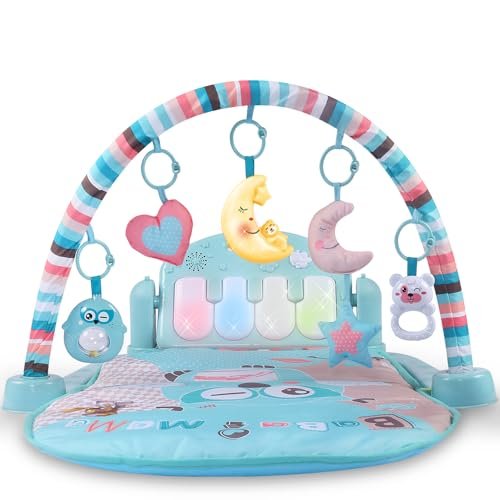
TEMI Baby Gym Toys & Activity Play Mat, Kick and Play Piano Gym Center with Music and Lights, Electronic Learning Toys for Infants, Toddlers, Newborn, Girls and Boys Ages 1 to 36 Months
TEMI Baby Gym Toys & Activity Play Mat, Kick and Play Piano Gym Center with Music and Lights, Electronic Learning Toys for Infants, Toddlers, Newborn, Girls and Boys Ages 1 to 36 Months
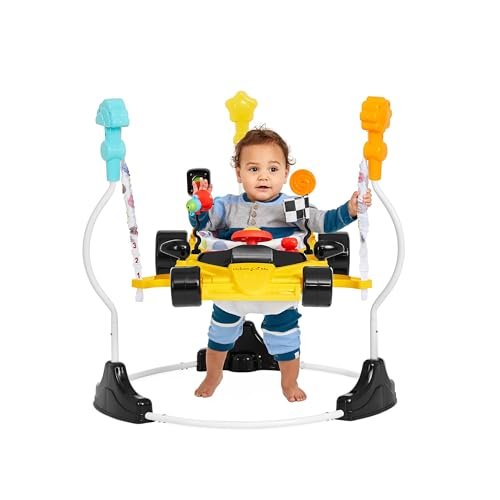
Dream On Me, Champ Activity Center & Jumper, Yellow
Dream On Me, Champ Activity Center & Jumper, Yellow
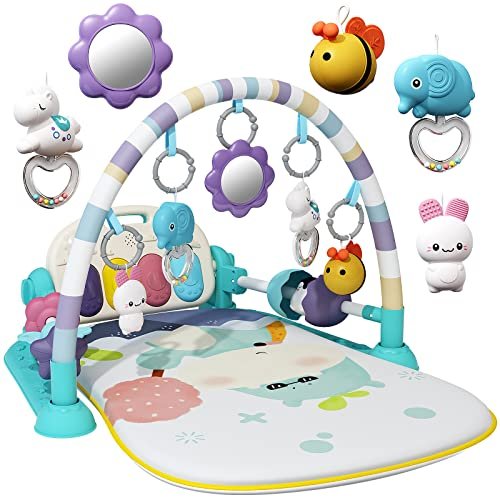
Baby Gym With Kick and Play Piano, Activity Mat for Tummy Time With 5 Infant Learning Sensory, Music and Lights for Newborn Boy or Girl (Green)
Baby Gym With Kick and Play Piano, Activity Mat for Tummy Time With 5 Infant Learning Sensory, Music and Lights for Newborn Boy or Girl (Green)
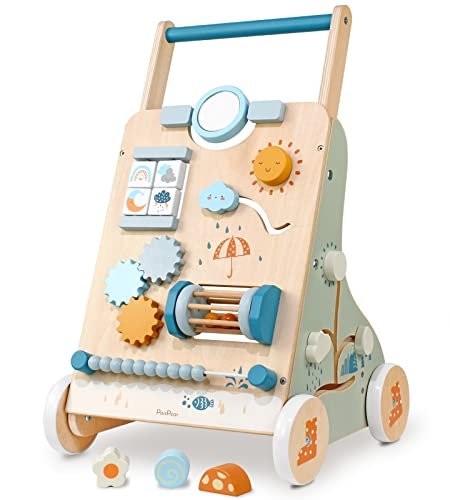
PairPear Wooden Baby Walker, Baby Push Walker, Montessori Walker Toy with Activity Center for Girls Boys, Adjustable Speed Baby Walker for Kids Development
PairPear Wooden Baby Walker, Baby Push Walker, Montessori Walker Toy with Activity Center for Girls Boys, Adjustable Speed Baby Walker for Kids Development
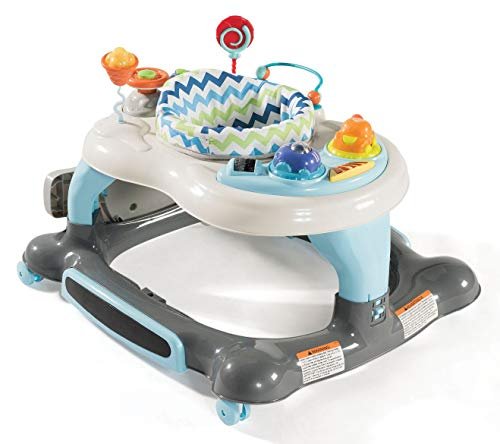
Storkcraft 3-in-1 Activity Walker and Rocker with Jumping Board Feeding Tray, Interactive Toy Tray for Toddlers Infants, Blue/Gray
Storkcraft 3-in-1 Activity Walker and Rocker with Jumping Board Feeding Tray, Interactive Toy Tray for Toddlers Infants, Blue/Gray
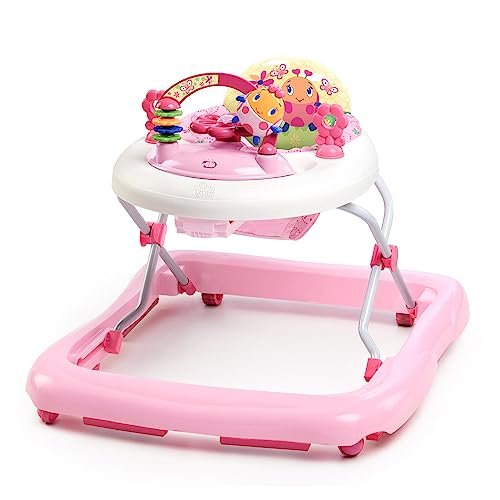
Bright Starts JuneBerry Walk-A-Bout Baby Walker and Entertainer, Removeable Floor Toy, with Easy Fold Frame for Storage, Ages 6 Months +
Bright Starts JuneBerry Walk-A-Bout Baby Walker and Entertainer, Removeable Floor Toy, with Easy Fold Frame for Storage, Ages 6 Months +
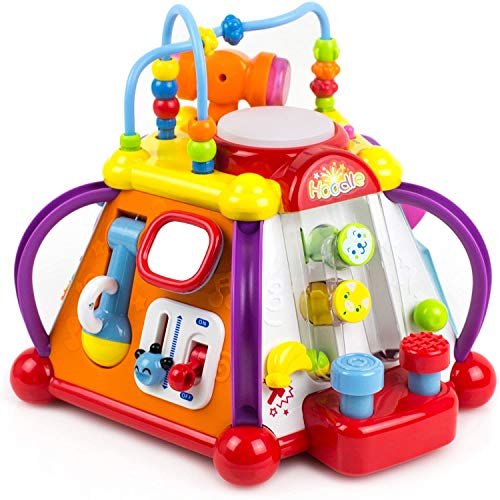
Toysery Baby Activity Center – Toddler Kids Learning & Skill Development Cube with Lights & Music. Enhance Skill Development with a 15 in 1 Game Functions Toy
Toysery Baby Activity Center – Toddler Kids Learning & Skill Development Cube with Lights & Music. Enhance Skill Development with a 15 in 1 Game Functions Toy
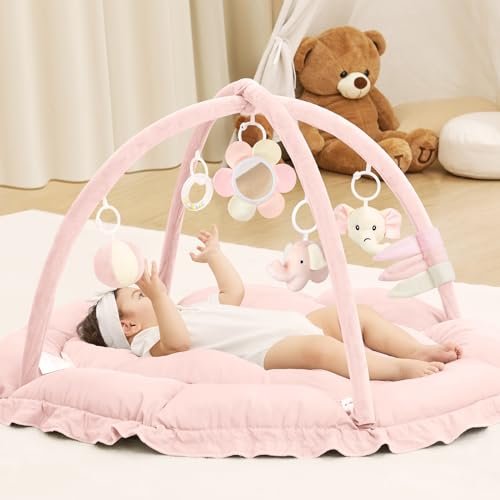
ANGELBLISS 5 in 1 Baby Play Gym Mat, Reversible Tummy Time Mat with 5 Sensory Toys for Stage-Based Developmental, Thick & Large Baby Activity Center from Newborn to Toddler (Pink)
ANGELBLISS 5 in 1 Baby Play Gym Mat, Reversible Tummy Time Mat with 5 Sensory Toys for Stage-Based Developmental, Thick & Large Baby Activity Center from Newborn to Toddler (Pink)