
How to Prevent Jet Lag in Babies: Practical Travel Tips for Better Sleep and Happier Family Trips
Traveling with a baby can be one of the most rewarding ways to create family memories, but crossing time zones often comes with a challenge many parents dread: jet lag. While adults may struggle with fatigue, disrupted sleep, and difficulty adjusting to a new schedule, babies can experience similar challenges—often expressing their discomfort through fussiness, shortened naps, night waking, and changes in feeding routines.
For parents, a vacation or family visit can quickly become exhausting when a baby who normally sleeps well suddenly wakes up at odd hours or struggles to settle down. Fortunately, there are practical steps you can take before, during, and after your trip to help minimize the effects of jet lag and make the adjustment process easier for everyone.
Although it's impossible to completely eliminate the impact of traveling across time zones, understanding how your baby's sleep patterns work and preparing in advance can significantly improve the experience. With patience, flexibility, and a few simple strategies, many babies adapt surprisingly well to new schedules.
If you're planning a family vacation, international trip, or visit to relatives in another time zone, this guide will help you understand how to reduce jet lag and support healthy sleep habits while traveling with your baby.
Why Babies Experience Jet Lag
Jet lag occurs when the body's internal clock, often referred to as the circadian rhythm, becomes out of sync with the local time at your destination.
Babies rely heavily on consistent sleep schedules, feeding routines, and environmental cues to regulate their daily rhythms. When these cues suddenly change due to travel across time zones, their bodies need time to adjust.
Unlike adults, babies cannot understand why bedtime suddenly happens earlier or later than usual. As a result, they may become confused by the new schedule and struggle to fall asleep or stay asleep.
The number of time zones crossed, your baby's age, temperament, and sleep habits can all influence how quickly they adapt.
Understanding Your Baby's Natural Sleep Patterns
Before you can help your baby adjust to a new time zone, it's helpful to understand their current sleep habits.
Every baby has unique sleep needs. Some infants are naturally flexible and adapt quickly to changes, while others thrive on routine and may require more time to adjust.
Observe Sleep Cues
Pay attention to your baby's natural signals of tiredness.
Common signs include:
- Rubbing eyes
- Yawning
- Reduced activity
- Fussiness
- Looking away from stimulation
Recognizing these cues while traveling can help you respond before your baby becomes overtired, which often makes sleep more difficult.
Know Your Baby's Sleep Schedule
Understanding your baby's usual nap times, bedtime, and wake-up routine provides a helpful foundation for planning adjustments before your trip.
Keeping track of these patterns for a week or two before traveling can help identify the best strategy for transitioning to a new time zone.
Start Adjusting Before You Leave
One of the most effective ways to reduce jet lag is to begin preparing before your departure.
Shift Bedtime Gradually
If possible, start adjusting your baby's schedule several days before traveling.
Move bedtime, wake-up time, and meal times by approximately 15 to 30 minutes each day toward the destination's schedule.
For example, if you're traveling to a destination where bedtime will occur earlier, begin gradually moving your baby's bedtime earlier before departure.
Small adjustments often feel less disruptive than attempting a complete schedule change all at once.
Adjust Nap Times Too
Many parents focus only on nighttime sleep, but daytime naps also play an important role.
Gradually shifting naps alongside bedtime can help your baby's internal clock adapt more smoothly.
Use Natural Light to Reset Your Baby's Body Clock
Light is one of the most powerful tools for regulating sleep cycles.
Exposure to natural daylight helps signal to the brain when it's time to be awake and alert.
Prioritize Morning Sunlight
Once you arrive at your destination, try to spend time outdoors during daylight hours.
Morning sunlight can be especially helpful in encouraging your baby's body to adapt to the local schedule.
A stroller walk, outdoor breakfast, or time at a local park can provide beneficial exposure while helping your family settle into the new environment.
Reduce Evening Light Exposure
Just as daylight encourages wakefulness, dimmer lighting helps prepare the body for sleep.
As bedtime approaches, reduce exposure to bright lights and screens whenever possible. Creating a calm environment in the evening can support the transition to sleep in the new time zone.
Create a Familiar Sleep Environment
New places can feel exciting but also unfamiliar for babies.
Maintaining elements of your baby's normal sleep environment can provide comfort and consistency during travel.
Bring Familiar Sleep Items
Whenever possible, pack items your baby associates with bedtime.
Examples include:
- Favorite sleep sack
- Familiar blanket (if age-appropriate and used safely)
- Lovey or comfort item
- White noise machine
- Portable nightlight
These familiar objects can help signal that it's time to sleep, even in a new location.
Recreate Your Home Routine
Babies often find comfort in predictability.
Try to maintain your usual bedtime routine as closely as possible, including activities such as:
- Bath time
- Pajamas
- Feeding
- Reading a story
- Singing a lullaby
The sequence itself often becomes a powerful cue for sleep.
Manage Sleep During the Flight
Air travel presents unique challenges for babies, especially on long-haul flights.
Encourage Sleep When Possible
If the flight coincides with your baby's normal sleep time, do your best to encourage rest.
Dressing your baby in comfortable sleepwear, using familiar sleep cues, and maintaining a calm atmosphere may help support sleep during travel.
Stay Flexible
While routines are helpful, travel days often require flexibility.
Some babies sleep less than usual during flights, while others sleep more. Avoid stressing over perfect schedules and focus instead on keeping your baby comfortable.
Avoid Overtiredness
One of the biggest contributors to travel-related sleep difficulties is overtiredness.
When babies become excessively tired, falling asleep can actually become more challenging.
Watch Wake Windows Carefully
Pay attention to how long your baby has been awake between naps and bedtime.
Travel excitement, unfamiliar surroundings, and stimulating environments can sometimes mask signs of fatigue until your baby suddenly becomes overwhelmed.
Responding early to sleep cues can help prevent overtired meltdowns.
Feeding and Hydration During Travel
Travel can sometimes disrupt feeding schedules.
While maintaining routines is helpful, flexibility may be necessary during travel days.
Offering regular feedings and ensuring adequate hydration can help support your baby's overall comfort while adjusting to a new environment.
Well-fed babies often handle travel-related disruptions more easily than hungry or dehydrated ones.
How Long Does Baby Jet Lag Last?
Every baby adjusts differently.
Some infants adapt within a day or two, while others may require several days to fully settle into a new schedule.
A commonly cited guideline suggests that adjustment may take approximately one day per time zone crossed, although individual experiences vary considerably.
Patience is important during this process.
Most babies eventually adapt as they receive consistent exposure to local sleep schedules, meal times, and daylight patterns.
Practical Travel Tips for Parents
When traveling across time zones with a baby:
- Keep expectations realistic.
- Focus on flexibility rather than perfection.
- Prioritize sleep opportunities.
- Use daylight strategically.
- Maintain familiar bedtime routines.
- Offer extra comfort during the adjustment period.
- Allow time for adaptation.
A relaxed approach often helps both parents and babies navigate travel more successfully.
Final Thoughts
Traveling with a baby across time zones can feel intimidating, but jet lag doesn't have to ruin your family adventure. By understanding your baby's sleep patterns, gradually adjusting schedules before departure, maximizing exposure to natural light, and creating a familiar sleep environment, you can significantly reduce the challenges associated with travel-related sleep disruptions.
The key is preparation, patience, and flexibility. Every baby responds differently, and even the best travel plan may require adjustments along the way. Fortunately, most babies are remarkably adaptable when given the support, comfort, and consistency they need.
With thoughtful planning and realistic expectations, your family can spend less time worrying about sleep schedules and more time enjoying the experiences, memories, and adventures that make traveling together so special.
Trending Articles
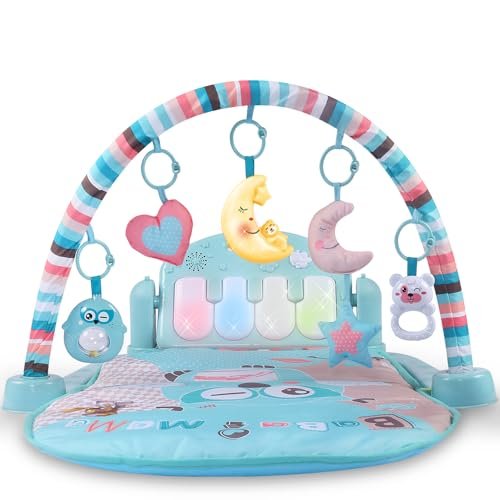
TEMI Baby Gym Toys & Activity Play Mat, Kick and Play Piano Gym Center with Music and Lights, Electronic Learning Toys for Infants, Toddlers, Newborn, Girls and Boys Ages 1 to 36 Months
TEMI Baby Gym Toys & Activity Play Mat, Kick and Play Piano Gym Center with Music and Lights, Electronic Learning Toys for Infants, Toddlers, Newborn, Girls and Boys Ages 1 to 36 Months
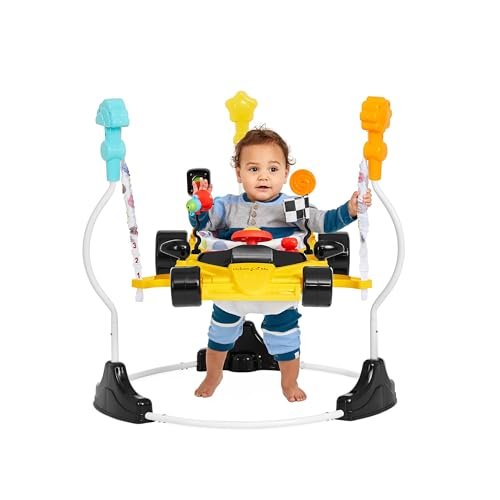
Dream On Me, Champ Activity Center & Jumper, Yellow
Dream On Me, Champ Activity Center & Jumper, Yellow
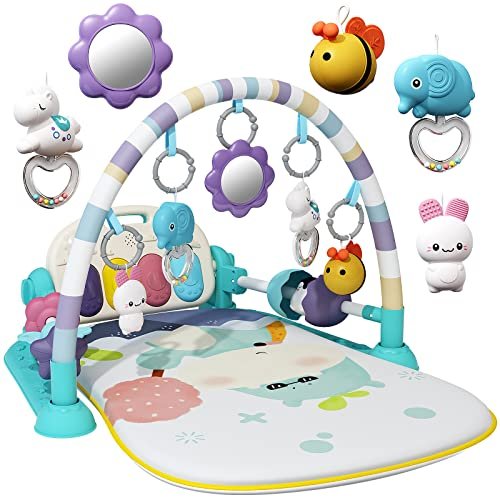
Baby Gym With Kick and Play Piano, Activity Mat for Tummy Time With 5 Infant Learning Sensory, Music and Lights for Newborn Boy or Girl (Green)
Baby Gym With Kick and Play Piano, Activity Mat for Tummy Time With 5 Infant Learning Sensory, Music and Lights for Newborn Boy or Girl (Green)
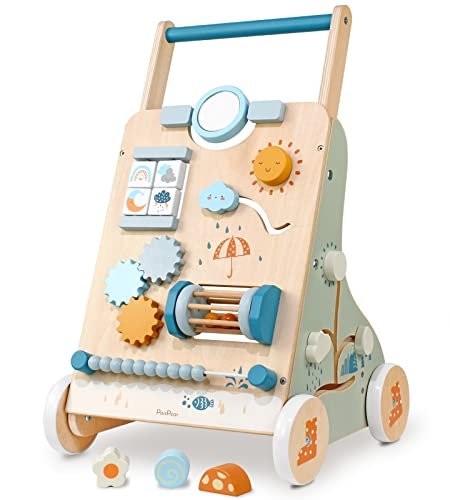
PairPear Wooden Baby Walker, Baby Push Walker, Montessori Walker Toy with Activity Center for Girls Boys, Adjustable Speed Baby Walker for Kids Development
PairPear Wooden Baby Walker, Baby Push Walker, Montessori Walker Toy with Activity Center for Girls Boys, Adjustable Speed Baby Walker for Kids Development
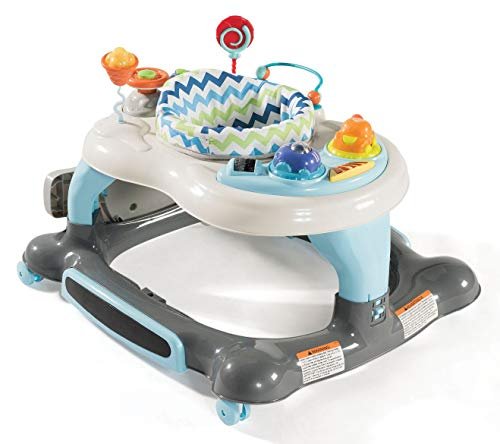
Storkcraft 3-in-1 Activity Walker and Rocker with Jumping Board Feeding Tray, Interactive Toy Tray for Toddlers Infants, Blue/Gray
Storkcraft 3-in-1 Activity Walker and Rocker with Jumping Board Feeding Tray, Interactive Toy Tray for Toddlers Infants, Blue/Gray
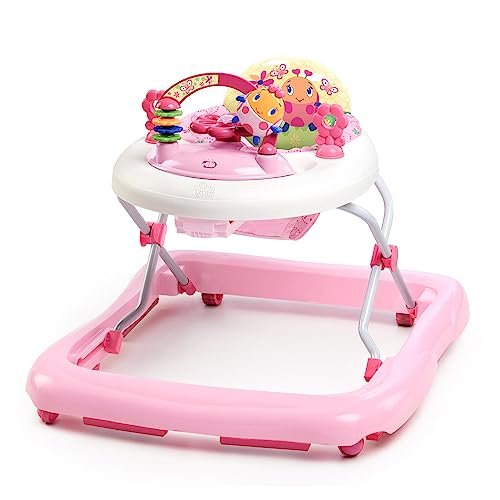
Bright Starts JuneBerry Walk-A-Bout Baby Walker and Entertainer, Removeable Floor Toy, with Easy Fold Frame for Storage, Ages 6 Months +
Bright Starts JuneBerry Walk-A-Bout Baby Walker and Entertainer, Removeable Floor Toy, with Easy Fold Frame for Storage, Ages 6 Months +
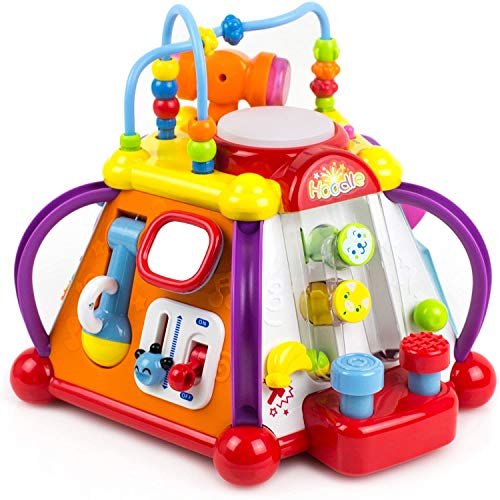
Toysery Baby Activity Center – Toddler Kids Learning & Skill Development Cube with Lights & Music. Enhance Skill Development with a 15 in 1 Game Functions Toy
Toysery Baby Activity Center – Toddler Kids Learning & Skill Development Cube with Lights & Music. Enhance Skill Development with a 15 in 1 Game Functions Toy
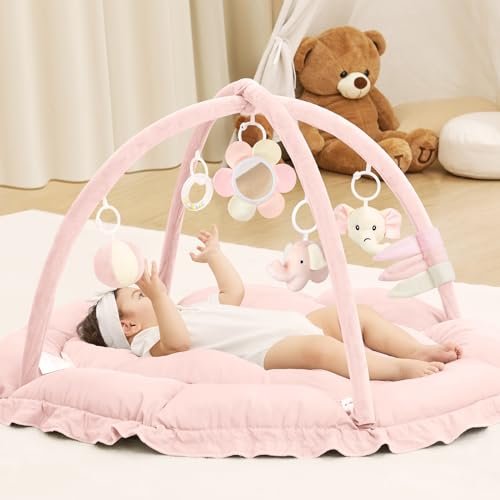
ANGELBLISS 5 in 1 Baby Play Gym Mat, Reversible Tummy Time Mat with 5 Sensory Toys for Stage-Based Developmental, Thick & Large Baby Activity Center from Newborn to Toddler (Pink)
ANGELBLISS 5 in 1 Baby Play Gym Mat, Reversible Tummy Time Mat with 5 Sensory Toys for Stage-Based Developmental, Thick & Large Baby Activity Center from Newborn to Toddler (Pink)