
How to Recharge After Sleepless Nights: Practical Ways for Parents to Restore Their Energy
Few parenting experiences are as universal as sleep deprivation. Whether you're caring for a newborn who wakes every few hours, soothing a teething baby, managing sleep regressions, or balancing nighttime feedings with daytime responsibilities, sleepless nights can quickly take a toll on both your body and mind.
The effects often go beyond simple tiredness. Lack of sleep can impact concentration, mood, patience, productivity, and even your ability to enjoy everyday moments with your family. Many parents find themselves running on autopilot, relying on caffeine and determination just to get through the day.
While there is no perfect substitute for quality sleep, there are effective strategies that can help you recover, improve your energy levels, and feel more capable when rest is in short supply. Small habits practiced consistently can make a surprisingly big difference.
If you're navigating a season of interrupted sleep, these practical tips can help you recharge and care for yourself while caring for your little one.
Why Sleep Deprivation Hits Parents So Hard
Parenting often requires constant attention, decision-making, and emotional availability. When sleep becomes fragmented, even simple tasks can feel overwhelming.
Sleep plays a vital role in:
- Physical recovery
- Memory and concentration
- Emotional regulation
- Immune system function
- Energy production
When sleep is limited, parents may notice increased irritability, forgetfulness, reduced motivation, and difficulty focusing. Understanding these effects can help you approach your situation with realistic expectations and self-compassion.
Rather than expecting yourself to function at full capacity, focus on strategies that support recovery throughout the day.
Start the Day with Gentle Movement
When you're exhausted, exercise may sound like the last thing you want to do. However, gentle movement can actually help increase alertness and reduce feelings of sluggishness.
Morning Stretching for an Energy Boost
A short stretching routine can stimulate circulation, loosen stiff muscles, and help your body transition into the day.
Try simple movements such as:
- Neck rolls
- Shoulder stretches
- Side bends
- Gentle twists
- Forward folds
- Calf and hamstring stretches
Even five minutes of stretching can help improve mobility and create a sense of mental clarity.
Take Advantage of Natural Light
Exposure to natural daylight shortly after waking can help regulate your body's internal clock and improve alertness.
If possible, spend a few minutes outdoors in the morning. A short walk with your baby in a stroller can provide both movement and sunlight, helping you feel more awake naturally.
Use Mindful Breathing to Reduce Mental Fatigue
Sleep deprivation often affects more than physical energy. Many parents experience mental overload, racing thoughts, and increased stress.
Mindful breathing offers a simple way to calm your nervous system and improve focus.
A Simple Breathing Exercise
Find a comfortable place to sit.
Take a slow breath in through your nose for four counts.
Hold briefly.
Then slowly exhale through your mouth for six counts.
Repeat for several minutes.
This practice can help lower stress levels and create a sense of calm, even during a busy day.
Use Breathing Breaks Throughout the Day
You don't need a formal meditation session to benefit from mindful breathing.
Try practicing while:
- Feeding your baby
- Waiting for water to boil
- Sitting in the car before errands
- Rocking your child to sleep
These small moments can help reduce tension and restore mental energy.
The Power of Strategic Naps
When nighttime sleep is limited, daytime rest can provide valuable recovery.
Keep Naps Short
Short naps often provide the greatest benefit without leaving you feeling groggy.
Aim for:
- 10 to 20 minutes for a quick energy boost
- Up to 30 minutes if you need deeper rest
Longer naps may make it harder to fall asleep later or leave you feeling sluggish upon waking.
Sleep When You Can
While the phrase "sleep when the baby sleeps" isn't always realistic, taking advantage of occasional opportunities to rest can be incredibly helpful.
Not every nap needs to involve sleep. Simply lying down, closing your eyes, and allowing your body to relax can still provide meaningful recovery.
Stay Hydrated Throughout the Day
Fatigue and dehydration often share similar symptoms.
When you're busy caring for a baby, it's easy to forget to drink enough water.
Why Hydration Matters
Proper hydration supports:
- Energy levels
- Concentration
- Digestion
- Mood
- Physical performance
Many parents notice improved alertness simply by increasing their water intake.
Easy Hydration Habits
Keep a water bottle nearby throughout the day.
Place one:
- Near your nursing chair
- Beside your bed
- In your stroller
- On your work desk
Small reminders make healthy habits easier to maintain during busy parenting days.
Fuel Your Body with Energy-Supporting Foods
Food becomes especially important when sleep is limited.
Rather than relying solely on coffee and sugary snacks, focus on balanced meals that provide lasting energy.
Prioritize Protein
Protein helps support steady energy levels and can reduce mid-day crashes.
Good options include:
- Eggs
- Greek yogurt
- Cottage cheese
- Lean meats
- Nuts and seeds
- Beans and legumes
Choose Complex Carbohydrates
Complex carbohydrates provide slower, more stable energy release.
Examples include:
- Oatmeal
- Brown rice
- Sweet potatoes
- Whole-grain bread
- Quinoa
Pairing carbohydrates with protein can help maintain energy throughout the day.
Don't Skip Meals
Busy parents often postpone meals or snack irregularly.
Eating regularly helps prevent blood sugar fluctuations that can worsen fatigue and irritability.
Be Smart About Caffeine
Coffee can be a helpful tool, but timing matters.
Avoid Overusing Caffeine
Too much caffeine may lead to:
- Jitters
- Anxiety
- Afternoon crashes
- Difficulty sleeping when opportunities arise
Moderation often provides better results than constantly reaching for another cup.
Time It Strategically
Many sleep experts recommend waiting at least an hour after waking before consuming caffeine.
This approach may help support more stable energy levels throughout the day.
Lower Your Expectations on Difficult Days
One of the biggest challenges of sleep deprivation is expecting yourself to function as though you're fully rested.
Focus on Priorities
When you've had a rough night, identify the most important tasks for the day and let less urgent items wait.
Ask yourself:
- What absolutely needs to be done today?
- What can be postponed?
- Where can I simplify?
Giving yourself permission to scale back can reduce stress and conserve energy.
Accept Help When Available
Many parents struggle to ask for support.
If a partner, family member, or friend offers assistance, consider accepting it.
Even a short break can help you recharge physically and emotionally.
Build Small Moments of Recovery Into Your Day
Recovery doesn't always require a full day off.
Tiny moments of self-care can have a meaningful impact.
Examples include:
- Sitting quietly with a cup of tea
- Listening to music
- Taking a short walk
- Reading a few pages of a book
- Stretching before bed
- Enjoying a warm shower
These simple practices help signal to your brain that your own well-being matters too.
When Sleep Challenges Persist
Some periods of sleep deprivation are temporary and linked to developmental stages such as newborn care, sleep regressions, illness, or teething.
However, if exhaustion becomes overwhelming or persists for an extended period, consider discussing your concerns with a healthcare professional.
Support may be available for sleep issues affecting either you or your child.
Final Thoughts
Parenting through sleepless nights can feel physically demanding and emotionally draining, but small daily habits can help you recover and regain energy. Gentle movement, mindful breathing, strategic naps, proper hydration, balanced nutrition, and realistic expectations all contribute to feeling more capable during challenging seasons.
Remember that this stage is temporary. While uninterrupted sleep may feel far away right now, caring for yourself alongside your child can make the journey more manageable. By prioritizing simple forms of rest and recovery whenever possible, you'll be better equipped to handle the demands of parenthood while protecting your own well-being along the way.
Trending Articles

TEMI Baby Gym Toys & Activity Play Mat, Kick and Play Piano Gym Center with Music and Lights, Electronic Learning Toys for Infants, Toddlers, Newborn, Girls and Boys Ages 1 to 36 Months
TEMI Baby Gym Toys & Activity Play Mat, Kick and Play Piano Gym Center with Music and Lights, Electronic Learning Toys for Infants, Toddlers, Newborn, Girls and Boys Ages 1 to 36 Months
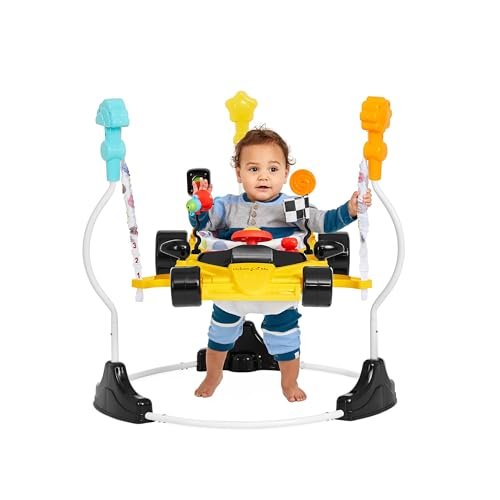
Dream On Me, Champ Activity Center & Jumper, Yellow
Dream On Me, Champ Activity Center & Jumper, Yellow
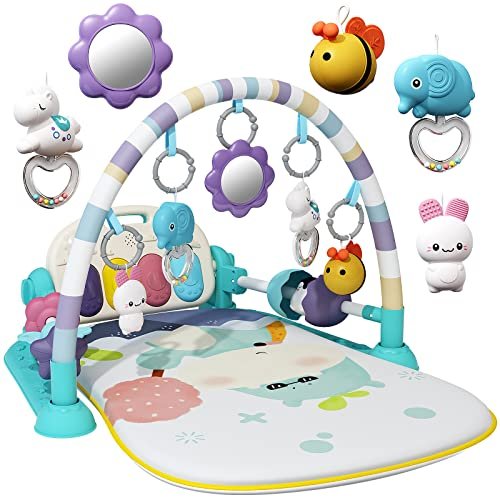
Baby Gym With Kick and Play Piano, Activity Mat for Tummy Time With 5 Infant Learning Sensory, Music and Lights for Newborn Boy or Girl (Green)
Baby Gym With Kick and Play Piano, Activity Mat for Tummy Time With 5 Infant Learning Sensory, Music and Lights for Newborn Boy or Girl (Green)
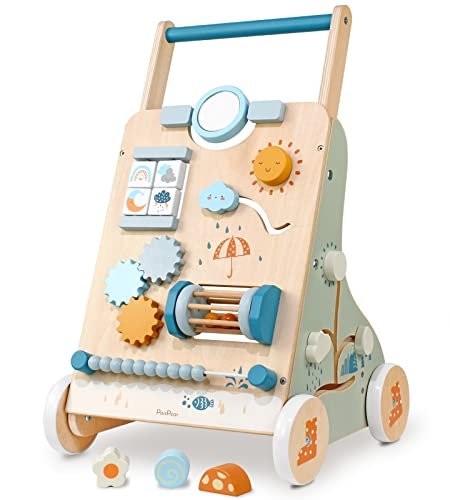
PairPear Wooden Baby Walker, Baby Push Walker, Montessori Walker Toy with Activity Center for Girls Boys, Adjustable Speed Baby Walker for Kids Development
PairPear Wooden Baby Walker, Baby Push Walker, Montessori Walker Toy with Activity Center for Girls Boys, Adjustable Speed Baby Walker for Kids Development
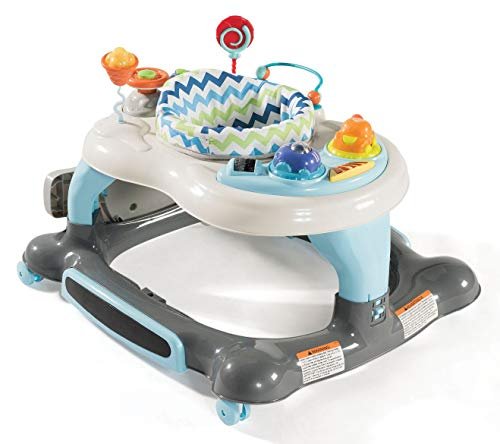
Storkcraft 3-in-1 Activity Walker and Rocker with Jumping Board Feeding Tray, Interactive Toy Tray for Toddlers Infants, Blue/Gray
Storkcraft 3-in-1 Activity Walker and Rocker with Jumping Board Feeding Tray, Interactive Toy Tray for Toddlers Infants, Blue/Gray
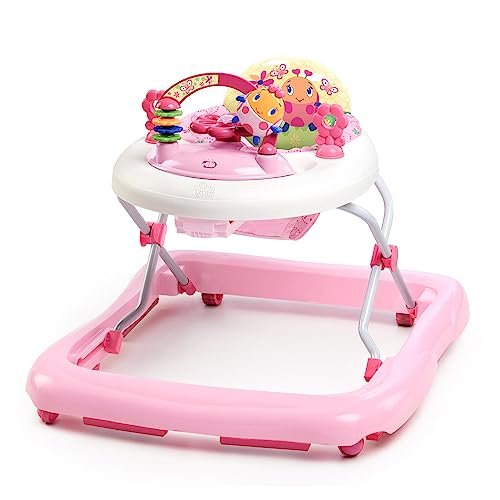
Bright Starts JuneBerry Walk-A-Bout Baby Walker and Entertainer, Removeable Floor Toy, with Easy Fold Frame for Storage, Ages 6 Months +
Bright Starts JuneBerry Walk-A-Bout Baby Walker and Entertainer, Removeable Floor Toy, with Easy Fold Frame for Storage, Ages 6 Months +
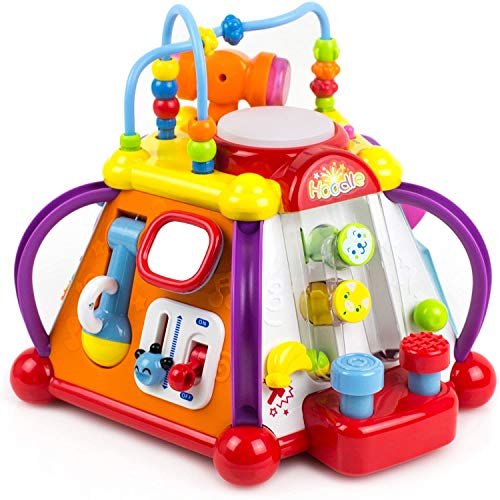
Toysery Baby Activity Center – Toddler Kids Learning & Skill Development Cube with Lights & Music. Enhance Skill Development with a 15 in 1 Game Functions Toy
Toysery Baby Activity Center – Toddler Kids Learning & Skill Development Cube with Lights & Music. Enhance Skill Development with a 15 in 1 Game Functions Toy

ANGELBLISS 5 in 1 Baby Play Gym Mat, Reversible Tummy Time Mat with 5 Sensory Toys for Stage-Based Developmental, Thick & Large Baby Activity Center from Newborn to Toddler (Pink)
ANGELBLISS 5 in 1 Baby Play Gym Mat, Reversible Tummy Time Mat with 5 Sensory Toys for Stage-Based Developmental, Thick & Large Baby Activity Center from Newborn to Toddler (Pink)