
Understanding Baby Separation Anxiety: Gentle Ways to Help Your Little One Feel Secure
One day your baby is happily playing nearby while you move around the house, and the next they seem upset the moment you walk out of the room. For many parents, this sudden clinginess can be surprising, exhausting, and even heartbreaking. However, separation anxiety is a completely normal part of infant and toddler development.
As babies grow, they begin to understand that they are separate individuals from their parents. At the same time, they develop strong emotional attachments to the people who care for them most. While this is a positive and healthy developmental milestone, it can also lead to feelings of distress whenever a trusted caregiver disappears from view.
Whether your baby cries when you leave the room, struggles during daycare drop-offs, or becomes upset when left with family members, it's important to remember that these reactions are often signs of a strong and loving bond.
The good news is that separation anxiety is typically temporary. With patience, consistency, and plenty of reassurance, most children gradually develop the confidence needed to handle separations more comfortably. Understanding what your baby is experiencing can help you respond in ways that support their emotional development while making this phase easier for the entire family.
What Is Separation Anxiety?
Separation anxiety refers to the distress babies and young children may experience when separated from a parent or primary caregiver.
This developmental stage commonly begins around six to eight months of age and often becomes more noticeable during the first and second years of life. During this period, babies develop a stronger awareness of their surroundings and become deeply attached to the people they rely on for comfort, safety, and care.
As their understanding of the world expands, babies begin to realize that parents continue to exist even when they are no longer visible. While this new understanding is an important cognitive milestone, it can also create worry when they cannot see the people they trust most.
For many children, separation anxiety appears during specific situations such as bedtime, daycare transitions, babysitting arrangements, or even brief moments when a parent steps into another room.
Why Separation Anxiety Is a Normal Part of Development
Although separation anxiety can be challenging, it is often a sign that your baby's emotional and cognitive skills are developing appropriately.
Growing Awareness of Relationships
Young babies initially live very much in the present moment. As they mature, they begin to recognize familiar faces, establish attachments, and understand the importance of relationships.
This growing awareness allows babies to form meaningful emotional bonds with caregivers. While these attachments are healthy and necessary, they can also make temporary separations feel upsetting.
Understanding Object Permanence
One of the most important developmental milestones associated with separation anxiety is object permanence.
Object permanence refers to a child's growing understanding that people and objects continue to exist even when they cannot see them. Once babies develop this awareness, they begin to notice when parents leave and may worry about when they will return.
Ironically, the very skill that helps babies understand the world more accurately can temporarily make separations feel more difficult.
Building Emotional Security
Over time, repeated experiences of separation and reunion teach children that parents leave and come back. These experiences gradually build trust and emotional security, helping children become more confident and independent.
Common Signs of Separation Anxiety
Every baby expresses separation anxiety differently.
Some children become upset only occasionally, while others experience stronger emotional reactions. Understanding the signs can help parents respond with empathy and patience.
Crying When a Parent Leaves
One of the most recognizable signs is crying or fussiness when a caregiver leaves the room.
Even brief separations can trigger distress, especially if a baby is tired, hungry, or feeling overwhelmed.
Increased Clinginess
Many babies seek extra physical closeness during periods of separation anxiety.
You may notice your child wanting to be held more often, following you around the house, or becoming upset when placed down for independent play.
Difficulty With New Caregivers
Babies experiencing separation anxiety may initially resist being cared for by relatives, babysitters, or childcare providers, even if they have met them before.
This reaction usually improves with familiarity and consistent positive experiences.
Sleep Challenges
Some babies who are experiencing separation anxiety may become more resistant to naps or bedtime routines.
Nighttime wake-ups may also increase as babies seek reassurance and connection with caregivers.
Creating a Predictable Daily Routine
One of the most effective ways to support a baby experiencing separation anxiety is through consistency.
Babies feel more secure when they know what to expect throughout the day. Predictable routines create a sense of stability and help children understand that their world remains safe and familiar.
Establish Regular Daily Patterns
Consistent schedules for feeding, naps, playtime, and bedtime can provide reassurance during a period when emotions may feel overwhelming.
While every day does not need to be identical, maintaining familiar patterns can help reduce uncertainty.
Use Familiar Rituals
Simple routines often become powerful sources of comfort.
Reading the same bedtime story, singing a favorite lullaby, or following a consistent nap routine can signal safety and predictability to your child.
Over time, these rituals become emotional anchors that help babies feel secure.
Practicing Gentle and Gradual Separations
Learning to be apart from parents is a skill that develops gradually.
Rather than avoiding separations completely, gentle practice can help babies build confidence over time.
Start Small
Begin with very short separations.
For example, step into another room for a few moments while continuing to speak calmly so your baby can hear your voice. Return before your child becomes overly distressed.
These brief experiences help reinforce the idea that separations are temporary.
Increase Time Gradually
As your baby becomes more comfortable, gradually extend the length of time you spend apart.
Small successes help build trust and confidence without overwhelming your child.
Practice With Trusted Caregivers
Allowing your baby to spend short periods with trusted family members can also help them learn that they can feel safe and cared for even when you are not present.
The goal is not to eliminate attachment but to expand your child's circle of trusted relationships.
The Importance of Comfort and Reassurance
When babies experience separation anxiety, they are not being difficult or manipulative. They are expressing a genuine emotional need for comfort and connection.
Respond With Empathy
Acknowledging your baby's feelings helps them feel understood.
Gentle cuddles, soothing words, and a calm presence can go a long way in helping your child regulate difficult emotions.
Maintain a Calm Goodbye
Long, emotional goodbyes can sometimes increase anxiety.
A brief, confident farewell communicates that you trust the situation and expect to return. This can help your baby feel more secure than repeated departures and returns.
Focus on Reunions
When you return, greet your baby warmly and positively.
These consistent reunions reinforce an important lesson: even when parents leave, they always come back.
Over time, this repeated experience strengthens trust and reduces anxiety.
Helping Your Baby Build Confidence
While it is natural to comfort your child, it is also important to encourage age-appropriate independence.
Encourage Independent Play
Providing opportunities for short periods of independent play can help babies develop confidence in their own abilities.
Start small by remaining nearby while allowing your child to explore toys independently.
Celebrate Small Successes
Every successful separation, no matter how brief, is a step forward.
Positive encouragement helps reinforce confidence and resilience as your child learns to navigate new experiences.
When Separation Anxiety May Feel More Intense
Certain situations can temporarily increase separation anxiety, including:
- Changes in routine
- Starting daycare
- Family travel
- Illness
- Teething discomfort
- Developmental milestones
- Moving to a new home
During these periods, your child may need additional patience and reassurance while adjusting to new circumstances.
Supporting Yourself as a Parent
Separation anxiety can be emotionally draining for parents as well.
Hearing your baby cry when you leave can trigger feelings of guilt, frustration, or sadness. It's important to remember that separation anxiety is not a reflection of poor parenting. In fact, it often reflects a strong attachment between parent and child.
Giving yourself grace during this phase is just as important as supporting your baby. Seeking help from family members, friends, or parenting communities can make challenging days feel more manageable.
Final Thoughts
Separation anxiety is a common and healthy stage of childhood development that reflects your baby's growing awareness of relationships and emotional connections. While it can be difficult for both parents and children, it is usually temporary and gradually improves with time.
By creating predictable routines, practicing gentle separations, offering consistent reassurance, and responding with patience and empathy, you can help your child build the confidence needed to handle time apart more comfortably.
Every comforting hug, calm goodbye, and joyful reunion helps strengthen your child's sense of security. With your support and understanding, your baby will learn that separations are temporary, relationships remain strong, and the people they love always return.
Trending Articles
TEMI Baby Gym Toys & Activity Play Mat, Kick and Play Piano Gym Center with Music and Lights, Electronic Learning Toys for Infants, Toddlers, Newborn, Girls and Boys Ages 1 to 36 Months
TEMI Baby Gym Toys & Activity Play Mat, Kick and Play Piano Gym Center with Music and Lights, Electronic Learning Toys for Infants, Toddlers, Newborn, Girls and Boys Ages 1 to 36 Months
Dream On Me, Champ Activity Center & Jumper, Yellow
Dream On Me, Champ Activity Center & Jumper, Yellow
Baby Gym With Kick and Play Piano, Activity Mat for Tummy Time With 5 Infant Learning Sensory, Music and Lights for Newborn Boy or Girl (Green)
Baby Gym With Kick and Play Piano, Activity Mat for Tummy Time With 5 Infant Learning Sensory, Music and Lights for Newborn Boy or Girl (Green)
PairPear Wooden Baby Walker, Baby Push Walker, Montessori Walker Toy with Activity Center for Girls Boys, Adjustable Speed Baby Walker for Kids Development
PairPear Wooden Baby Walker, Baby Push Walker, Montessori Walker Toy with Activity Center for Girls Boys, Adjustable Speed Baby Walker for Kids Development
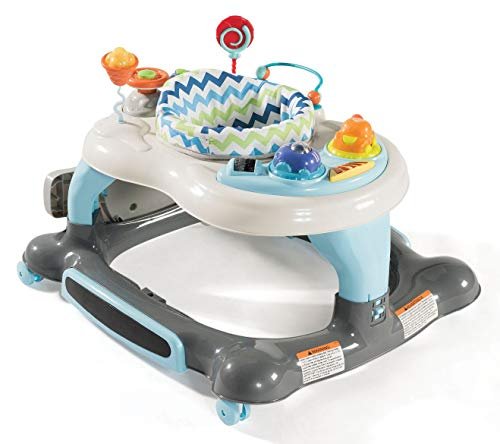
Storkcraft 3-in-1 Activity Walker and Rocker with Jumping Board Feeding Tray, Interactive Toy Tray for Toddlers Infants, Blue/Gray
Storkcraft 3-in-1 Activity Walker and Rocker with Jumping Board Feeding Tray, Interactive Toy Tray for Toddlers Infants, Blue/Gray
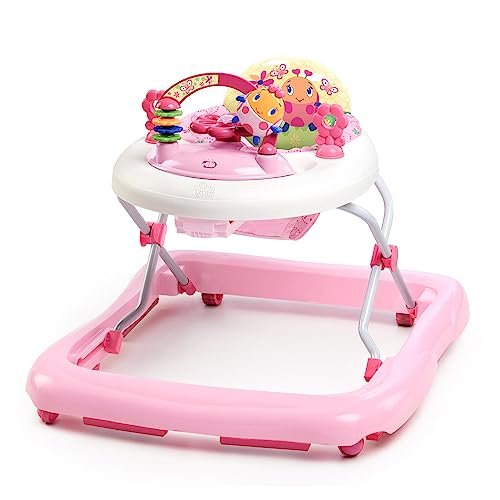
Bright Starts JuneBerry Walk-A-Bout Baby Walker and Entertainer, Removeable Floor Toy, with Easy Fold Frame for Storage, Ages 6 Months +
Bright Starts JuneBerry Walk-A-Bout Baby Walker and Entertainer, Removeable Floor Toy, with Easy Fold Frame for Storage, Ages 6 Months +
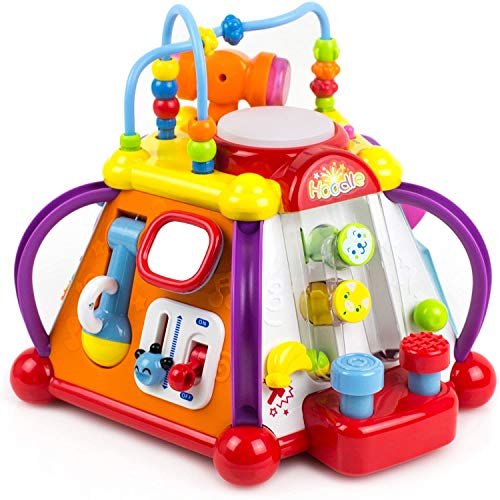
Toysery Baby Activity Center – Toddler Kids Learning & Skill Development Cube with Lights & Music. Enhance Skill Development with a 15 in 1 Game Functions Toy
Toysery Baby Activity Center – Toddler Kids Learning & Skill Development Cube with Lights & Music. Enhance Skill Development with a 15 in 1 Game Functions Toy
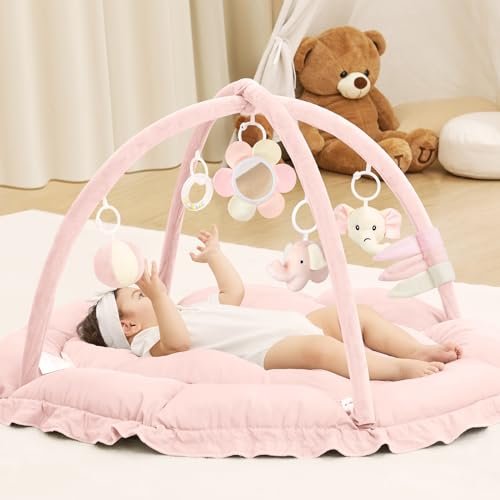
ANGELBLISS 5 in 1 Baby Play Gym Mat, Reversible Tummy Time Mat with 5 Sensory Toys for Stage-Based Developmental, Thick & Large Baby Activity Center from Newborn to Toddler (Pink)
ANGELBLISS 5 in 1 Baby Play Gym Mat, Reversible Tummy Time Mat with 5 Sensory Toys for Stage-Based Developmental, Thick & Large Baby Activity Center from Newborn to Toddler (Pink)