
How to Tell if Your Baby Is Teething
Teething is an important developmental milestone that most babies experience during their first few years of life. While every baby reacts differently, teething can sometimes cause discomfort, fussiness, and noticeable behavioral changes. Understanding the common signs of teething can help you comfort your baby and better manage this challenging stage.
Although teething can be uncomfortable, it’s completely normal and temporary.
Common Signs of Teething
Babies often display several recognizable symptoms as their teeth begin to emerge through the gums.
Increased Drooling
One of the earliest and most common signs of teething is excessive drooling.
As teeth begin moving beneath the gums, saliva production often increases significantly. You may notice:
- Constant drooling
- Wet shirts or bibs
- Drool rash around the mouth or chin
Keeping your baby dry with soft bibs and gently wiping excess drool can help prevent skin irritation.
Swollen or Sensitive Gums
Teething can cause gums to become swollen, tender, or slightly red.
Your baby may appear uncomfortable when:
- Feeding
- Using pacifiers
- Brushing gums
- Chewing objects
You might even notice a small white bump where a tooth is beginning to emerge.
Chewing on Everything
Many babies instinctively chew on objects to relieve pressure and discomfort from teething.
You may notice your baby biting or chewing:
- Fingers
- Toys
- Blankets
- Teething rings
- Pacifiers
The pressure from chewing can help soothe sore gums temporarily.
Irritability & Fussiness
Teething discomfort can make babies more irritable than usual.
Your baby may become:
- More clingy
- Easily upset
- Difficult to soothe
- Extra sensitive
This is especially common when multiple teeth are erupting at once.
Changes in Sleep Patterns
Some babies experience disrupted sleep during teething periods.
Teething discomfort may lead to:
- Frequent waking
- Trouble falling asleep
- Shorter naps
- Restlessness at night
Comforting bedtime routines may help ease nighttime fussiness.
Changes in Eating Habits
Teething can sometimes make feeding uncomfortable.
Your baby may:
- Refuse bottles or breastfeeds temporarily
- Eat less than usual
- Prefer cold foods
- Become fussy during meals
Cold purees, yogurt, or chilled teething toys may provide relief for older babies eating solids.
Mild Temperature Increase
Some babies experience a slight rise in body temperature while teething.
However, true high fevers are generally not considered normal teething symptoms.
If your baby develops a significant fever or appears seriously ill, consult your pediatrician.
Teething Timeline
Every baby develops differently, but most babies begin teething around:
6 months6\ \text{months}6 months
although some may start earlier or later.
Typical Tooth Eruption Order
Baby teeth generally appear in the following sequence:
Around 6–10 Months
- Bottom front teeth (lower central incisors)
Around 8–12 Months
- Top front teeth (upper central incisors)
Around 9–16 Months
- Side incisors
Around 13–19 Months
- First molars
Around 16–23 Months
- Canine teeth
Around 23–33 Months
- Second molars
Most children have approximately:
202020
baby teeth by around age:
333
Safe Ways to Soothe Teething Discomfort
There are several gentle ways to help comfort your teething baby.
Offer Chilled Teething Toys
Cold temperatures can help reduce gum inflammation and numb discomfort.
Helpful options include:
- Chilled teething rings
- Cold washcloths
- Refrigerated pacifiers
Avoid freezing teething toys completely, as extreme cold may hurt sensitive gums.
Gently Massage the Gums
Using a clean finger to gently massage your baby’s gums may provide temporary relief.
The gentle pressure can help soothe soreness and reduce discomfort.
Provide Safe Chewing Options
Babies often feel better when they can safely chew on something firm but soft enough for their gums.
Always supervise teething toys and choose age-appropriate options.
Comfort & Distraction
Sometimes simple comfort measures work best.
Helpful soothing methods may include:
- Extra cuddles
- Singing
- Gentle rocking
- Walks
- Quiet playtime
Distraction can help shift your baby’s focus away from discomfort.
Keep the Skin Dry
Excessive drooling can irritate delicate skin.
To prevent rashes:
- Change bibs frequently
- Pat drool gently
- Apply baby-safe moisturizer if needed
Avoid rubbing the skin harshly.
When to Contact Your Pediatrician
Although teething is normal, some symptoms may indicate another illness rather than teething alone.
Contact your healthcare provider if your baby experiences:
- High fever
- Severe diarrhea
- Persistent vomiting
- Refusal to eat for long periods
- Extreme lethargy
- Difficulty breathing
These symptoms are generally not caused by teething alone.
Avoid Unsafe Teething Remedies
Some teething products may not be recommended for babies.
Avoid:
- Teething necklaces
- Unsafe gels with numbing ingredients
- Frozen hard objects
- Small choking hazards
Always choose pediatrician-approved teething solutions.
Be Patient With the Process
Teething can be uncomfortable for both babies and parents, but the phase is temporary.
Some babies experience only mild symptoms, while others may seem more sensitive during tooth eruption.
Every baby responds differently.
Final Thoughts
Teething is a natural part of your baby’s growth and development. Common signs such as drooling, swollen gums, chewing behaviors, irritability, and disrupted sleep can help indicate when teeth are beginning to emerge. By understanding the teething timeline and using safe soothing techniques, you can help make this stage more manageable and comforting for your little one.
With patience, comfort, and gentle care, your baby will gradually move through this important milestone.
Trending Articles
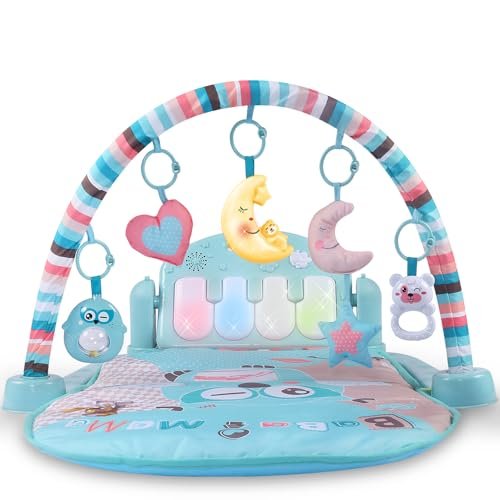
TEMI Baby Gym Toys & Activity Play Mat, Kick and Play Piano Gym Center with Music and Lights, Electronic Learning Toys for Infants, Toddlers, Newborn, Girls and Boys Ages 1 to 36 Months
TEMI Baby Gym Toys & Activity Play Mat, Kick and Play Piano Gym Center with Music and Lights, Electronic Learning Toys for Infants, Toddlers, Newborn, Girls and Boys Ages 1 to 36 Months
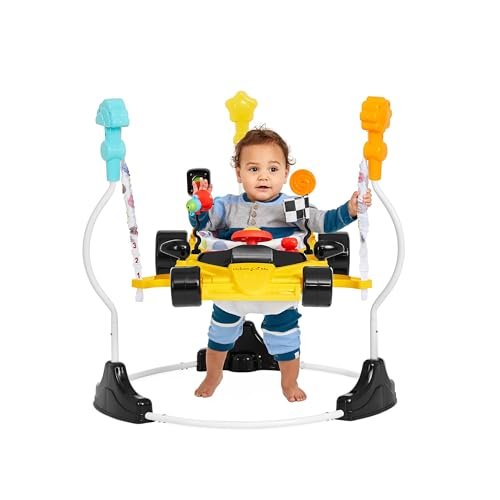
Dream On Me, Champ Activity Center & Jumper, Yellow
Dream On Me, Champ Activity Center & Jumper, Yellow
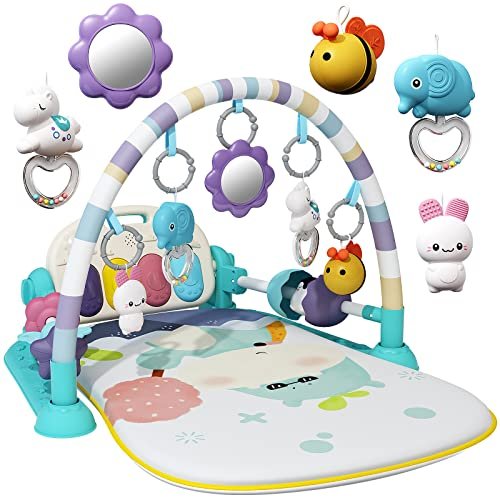
Baby Gym With Kick and Play Piano, Activity Mat for Tummy Time With 5 Infant Learning Sensory, Music and Lights for Newborn Boy or Girl (Green)
Baby Gym With Kick and Play Piano, Activity Mat for Tummy Time With 5 Infant Learning Sensory, Music and Lights for Newborn Boy or Girl (Green)
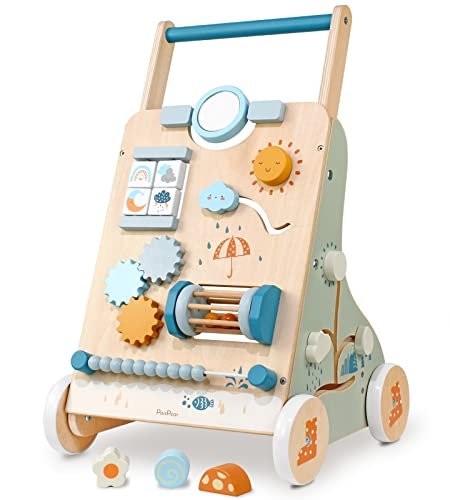
PairPear Wooden Baby Walker, Baby Push Walker, Montessori Walker Toy with Activity Center for Girls Boys, Adjustable Speed Baby Walker for Kids Development
PairPear Wooden Baby Walker, Baby Push Walker, Montessori Walker Toy with Activity Center for Girls Boys, Adjustable Speed Baby Walker for Kids Development
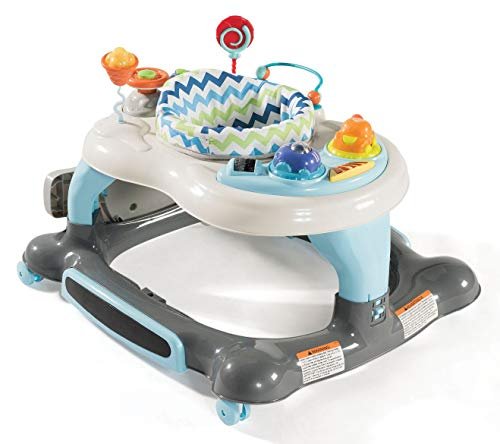
Storkcraft 3-in-1 Activity Walker and Rocker with Jumping Board Feeding Tray, Interactive Toy Tray for Toddlers Infants, Blue/Gray
Storkcraft 3-in-1 Activity Walker and Rocker with Jumping Board Feeding Tray, Interactive Toy Tray for Toddlers Infants, Blue/Gray
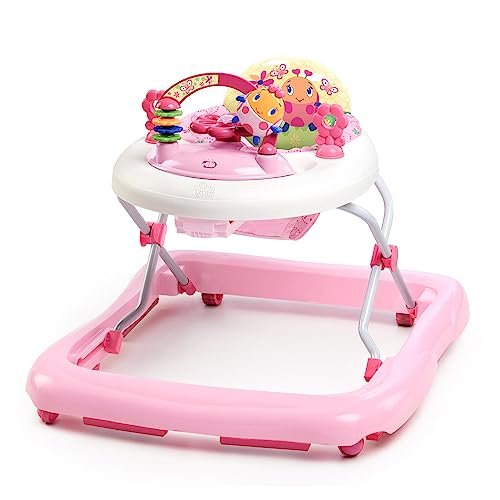
Bright Starts JuneBerry Walk-A-Bout Baby Walker and Entertainer, Removeable Floor Toy, with Easy Fold Frame for Storage, Ages 6 Months +
Bright Starts JuneBerry Walk-A-Bout Baby Walker and Entertainer, Removeable Floor Toy, with Easy Fold Frame for Storage, Ages 6 Months +
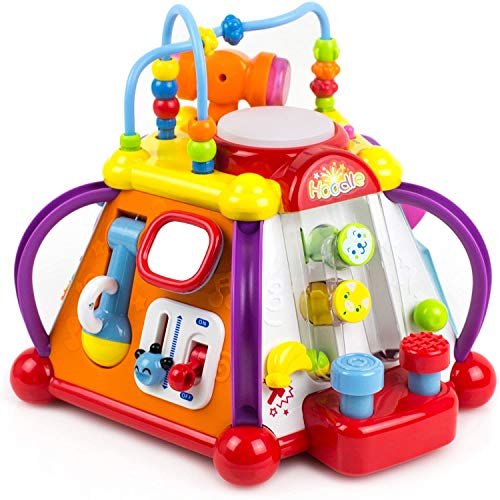
Toysery Baby Activity Center – Toddler Kids Learning & Skill Development Cube with Lights & Music. Enhance Skill Development with a 15 in 1 Game Functions Toy
Toysery Baby Activity Center – Toddler Kids Learning & Skill Development Cube with Lights & Music. Enhance Skill Development with a 15 in 1 Game Functions Toy
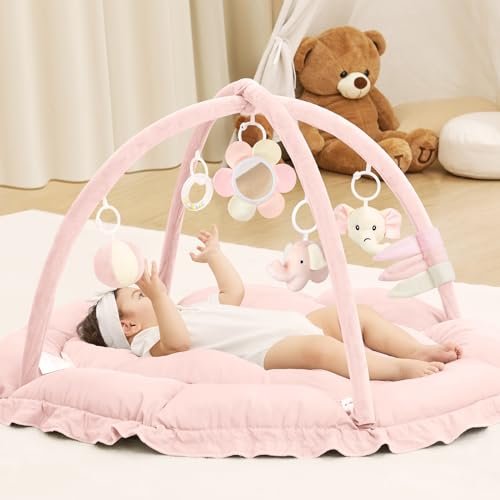
ANGELBLISS 5 in 1 Baby Play Gym Mat, Reversible Tummy Time Mat with 5 Sensory Toys for Stage-Based Developmental, Thick & Large Baby Activity Center from Newborn to Toddler (Pink)
ANGELBLISS 5 in 1 Baby Play Gym Mat, Reversible Tummy Time Mat with 5 Sensory Toys for Stage-Based Developmental, Thick & Large Baby Activity Center from Newborn to Toddler (Pink)