
How to Keep Baby Clothes Soft: Simple Care Tips for Comfort, Longevity, and Sensitive Skin
There’s something special about freshly washed baby clothes. Soft pajamas, cozy onesies, tiny socks, and cuddly blankets all contribute to your baby's comfort throughout the day. Because babies have delicate and sensitive skin, many parents quickly discover that keeping clothing soft isn't just about appearance—it's about helping their little one feel comfortable and protected.
Unfortunately, baby clothes can lose their softness over time. Frequent washing, harsh detergents, improper drying methods, and storage mistakes can leave fabrics feeling rough, stiff, or worn out much sooner than expected. Since babies go through multiple outfit changes each day, proper clothing care becomes an important part of everyday parenting.
The good news is that keeping baby clothes soft doesn't require expensive products or complicated routines. With a few simple adjustments to how you wash, dry, treat stains, and store clothing, you can help maintain the softness and quality of your baby's wardrobe for much longer.
In this guide, we'll explore practical ways to keep baby clothes gentle, fresh, and comfortable while also protecting delicate fabrics from unnecessary wear and tear.
Why Soft Baby Clothes Matter
Baby skin is significantly more delicate than adult skin. It can become irritated more easily by rough fabrics, strong detergents, or clothing that has become stiff from repeated washing.
Soft clothing helps reduce friction against sensitive skin, making babies more comfortable during sleep, feeding, tummy time, and everyday activities. Comfortable fabrics can also help prevent unnecessary irritation, especially in areas where clothing frequently rubs against the skin.
In addition to comfort, maintaining softness helps preserve the quality and appearance of baby clothing, allowing items to last longer and potentially be passed down to younger siblings.
Choosing the Right Laundry Detergent
One of the most important factors in maintaining soft baby clothes is selecting a gentle detergent.
Use Baby-Friendly Detergents
Not all laundry detergents are created equal. Some contain strong fragrances, dyes, and chemicals that may leave residue on fabrics and irritate sensitive skin.
Look for detergents that are:
- Free from harsh dyes
- Fragrance-free or lightly scented
- Designed for sensitive skin
- Hypoallergenic when possible
Gentle detergents clean effectively while helping preserve the softness of delicate baby fabrics.
Avoid Overusing Detergent
Many parents assume that more detergent means cleaner clothes, but excessive detergent can actually leave residue behind.
Residue buildup can make fabrics feel stiff and rough after washing. Follow the manufacturer's recommended amount and avoid adding extra detergent unless absolutely necessary.
Best Practices for Washing Baby Clothes
The way you wash baby clothing plays a major role in maintaining softness over time.
Sort Clothes Carefully
Separating baby clothes by color and fabric type helps protect delicate materials.
Consider washing:
- Whites separately
- Dark colors separately
- Delicate fabrics together
- Heavier items separately from lightweight garments
This reduces friction and prevents damage during the wash cycle.
Choose Gentle Wash Cycles
Most baby clothing benefits from gentle or delicate wash settings.
These cycles use slower agitation and lower spin speeds, which help preserve fabric fibers and maintain softness.
Frequent use of aggressive wash cycles can cause clothes to wear out more quickly and lose their comfortable texture.
Pay Attention to Care Labels
Every garment is different.
Before washing, check the care instructions provided by the manufacturer. Some baby items may require special treatment, lower temperatures, or hand washing to preserve their quality.
Following care instructions helps extend the lifespan of clothing while maintaining softness.
Drying Baby Clothes Without Losing Softness
Many parents focus on washing but overlook the impact drying methods have on fabric texture.
Air Drying for Gentle Care
Air drying is one of the most effective ways to preserve softness and reduce wear.
After washing, gently shake out garments to reduce wrinkles and hang them on a drying rack or clothesline.
Air drying offers several benefits:
- Reduces fabric stress
- Helps prevent shrinking
- Maintains garment shape
- Preserves delicate fibers
Many parents find that natural drying keeps baby clothes feeling softer for longer.
Drying Outdoors
When weather permits, drying baby clothes outside can naturally freshen fabrics.
Fresh air and sunlight can help eliminate odors and leave clothing feeling crisp and clean. However, avoid prolonged exposure to direct sunlight, which may cause colors to fade over time.
Using a Dryer Carefully
If you prefer using a dryer, choose low heat settings whenever possible.
High heat can damage fibers, causing fabrics to become rough and less comfortable. Removing clothes promptly after drying can also help prevent wrinkles and stiffness.
Handling Common Baby Clothing Stains
Babies are experts at creating laundry challenges.
From milk spills and food messes to diaper leaks and spit-up accidents, stains are simply part of parenting. Proper stain treatment can help keep clothes looking fresh without damaging fabric softness.
Treat Stains Quickly
The sooner you address a stain, the easier it is to remove.
Blot excess liquid with a clean cloth and avoid rubbing, which can push the stain deeper into the fabric.
Use Gentle Stain Removers
Choose baby-safe stain removers or mild detergents designed for sensitive skin.
Allow the product to sit briefly before washing according to the garment's care instructions.
Natural Stain Removal Options
For certain stains, natural solutions may be effective.
A simple mixture of water and white vinegar is commonly used by parents to help lift mild stains while remaining gentle on fabrics.
Always test any treatment on a small hidden area first.
Maintaining Softness Over Time
Keeping baby clothes soft isn't just about one wash cycle—it's about building good habits over time.
Avoid Fabric Overloading
Stuffing too many clothes into the washing machine can prevent proper cleaning and increase friction between garments.
Allow enough space for clothes to move freely during washing.
Rinse Thoroughly
Extra rinse cycles can help remove leftover detergent residue that may contribute to fabric stiffness.
This is particularly useful for babies with sensitive skin.
Rotate Frequently Worn Items
Babies often have favorite outfits that get worn and washed repeatedly.
Rotating clothing can reduce excessive wear on specific garments and help maintain softness across the entire wardrobe.
Smart Storage Solutions for Baby Clothes
Even perfectly washed clothing can lose its freshness if stored improperly.
Keep Clothing Organized
Folding baby clothes neatly helps maintain their shape and prevents unnecessary wrinkles.
Organizing by size, season, or clothing type can also make daily dressing routines easier.
Use Drawer Dividers
Drawer organizers help separate:
- Onesies
- Sleepwear
- Socks
- Bibs
- Seasonal clothing
This keeps everything tidy while reducing the need to constantly rearrange garments.
Store in a Dry Environment
Moisture can lead to unpleasant odors and fabric damage.
Choose a clean, dry storage space away from direct sunlight and humidity.
Label Storage Containers
If storing outgrown clothing for future use, clearly label containers by size and season.
This makes it easier to locate items when needed and helps keep clothing protected while in storage.
Choosing Soft Fabrics from the Start
The fabric you choose can also influence how easy it is to maintain softness.
Natural fibers such as cotton are often popular among parents because they are breathable, gentle, and easy to care for.
When shopping for baby clothes, look for:
- Soft cotton fabrics
- Organic cotton options
- Tag-free designs
- Flat seams
- Breathable materials
These features can contribute to greater comfort and durability.
Common Mistakes That Can Make Baby Clothes Rough
Even well-intentioned parents sometimes make laundry choices that reduce softness.
Some common mistakes include:
- Using too much detergent
- Washing clothes in hot water unnecessarily
- Over-drying garments
- Using excessive heat settings
- Ignoring care labels
- Storing clothes in damp spaces
Avoiding these habits can significantly improve the longevity and comfort of your baby's wardrobe.
Final Thoughts
Keeping baby clothes soft doesn't require complicated routines or expensive products. Small adjustments in how you wash, dry, treat stains, and store clothing can make a noticeable difference in both comfort and durability.
Because babies spend so much time in direct contact with their clothing, maintaining soft fabrics can help create a more comfortable daily experience while protecting sensitive skin. By choosing gentle detergents, using careful drying methods, addressing stains promptly, and storing clothes properly, you can keep your baby's wardrobe feeling cozy, fresh, and ready for countless cuddles.
After all, few things are sweeter than wrapping your little one in clothing that feels just as soft and comforting as your love.
Trending Articles
TEMI Baby Gym Toys & Activity Play Mat, Kick and Play Piano Gym Center with Music and Lights, Electronic Learning Toys for Infants, Toddlers, Newborn, Girls and Boys Ages 1 to 36 Months
TEMI Baby Gym Toys & Activity Play Mat, Kick and Play Piano Gym Center with Music and Lights, Electronic Learning Toys for Infants, Toddlers, Newborn, Girls and Boys Ages 1 to 36 Months
Dream On Me, Champ Activity Center & Jumper, Yellow
Dream On Me, Champ Activity Center & Jumper, Yellow
Baby Gym With Kick and Play Piano, Activity Mat for Tummy Time With 5 Infant Learning Sensory, Music and Lights for Newborn Boy or Girl (Green)
Baby Gym With Kick and Play Piano, Activity Mat for Tummy Time With 5 Infant Learning Sensory, Music and Lights for Newborn Boy or Girl (Green)
PairPear Wooden Baby Walker, Baby Push Walker, Montessori Walker Toy with Activity Center for Girls Boys, Adjustable Speed Baby Walker for Kids Development
PairPear Wooden Baby Walker, Baby Push Walker, Montessori Walker Toy with Activity Center for Girls Boys, Adjustable Speed Baby Walker for Kids Development
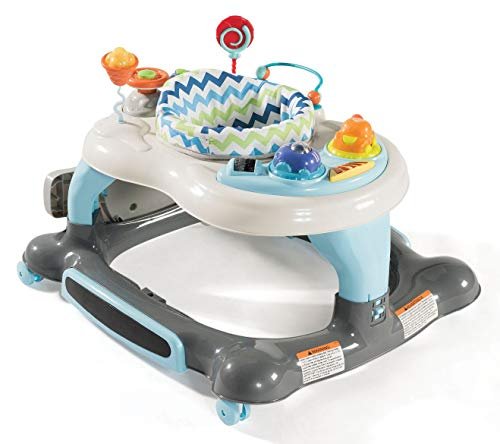
Storkcraft 3-in-1 Activity Walker and Rocker with Jumping Board Feeding Tray, Interactive Toy Tray for Toddlers Infants, Blue/Gray
Storkcraft 3-in-1 Activity Walker and Rocker with Jumping Board Feeding Tray, Interactive Toy Tray for Toddlers Infants, Blue/Gray
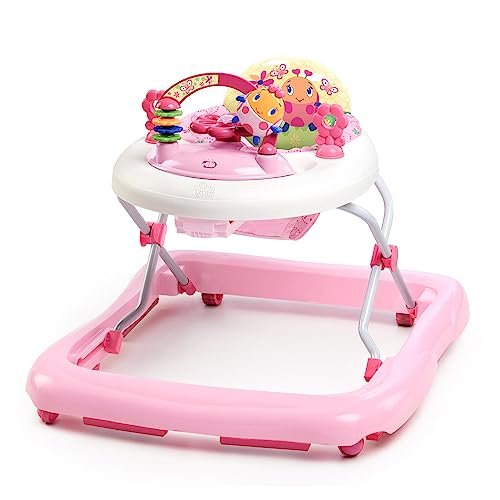
Bright Starts JuneBerry Walk-A-Bout Baby Walker and Entertainer, Removeable Floor Toy, with Easy Fold Frame for Storage, Ages 6 Months +
Bright Starts JuneBerry Walk-A-Bout Baby Walker and Entertainer, Removeable Floor Toy, with Easy Fold Frame for Storage, Ages 6 Months +
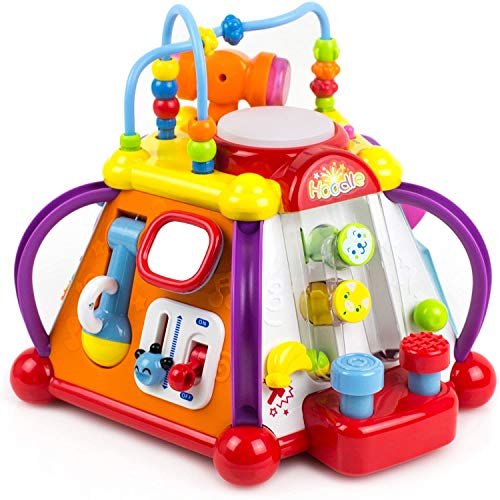
Toysery Baby Activity Center – Toddler Kids Learning & Skill Development Cube with Lights & Music. Enhance Skill Development with a 15 in 1 Game Functions Toy
Toysery Baby Activity Center – Toddler Kids Learning & Skill Development Cube with Lights & Music. Enhance Skill Development with a 15 in 1 Game Functions Toy
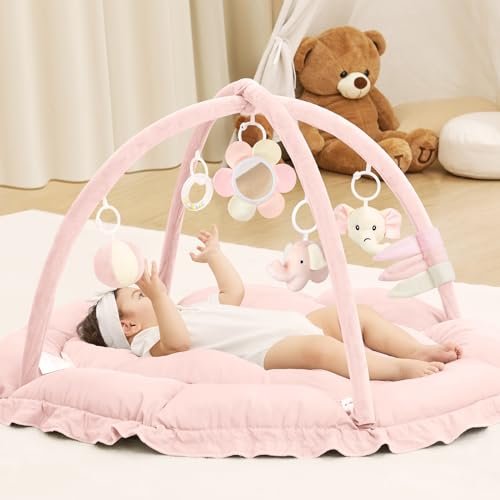
ANGELBLISS 5 in 1 Baby Play Gym Mat, Reversible Tummy Time Mat with 5 Sensory Toys for Stage-Based Developmental, Thick & Large Baby Activity Center from Newborn to Toddler (Pink)
ANGELBLISS 5 in 1 Baby Play Gym Mat, Reversible Tummy Time Mat with 5 Sensory Toys for Stage-Based Developmental, Thick & Large Baby Activity Center from Newborn to Toddler (Pink)