
How to Keep Your Baby Safe During Outdoor Play
Outdoor play offers babies a wonderful opportunity to explore the world around them. Fresh air, natural light, new sounds, different textures, and open spaces all contribute to early learning and development. Whether you're spending time in the backyard, visiting a local park, enjoying a family picnic, or taking a stroll through nature, outdoor experiences can help stimulate curiosity and encourage healthy growth.
However, while outdoor play can be exciting and beneficial, it also introduces new safety considerations for parents and caregivers. Uneven surfaces, sun exposure, insects, water hazards, and unfamiliar environments require extra attention when young children are involved.
The good news is that a few simple precautions can help create a safe and enjoyable outdoor experience for your baby. By planning ahead, staying attentive, and choosing age-appropriate equipment, you can confidently support your child's outdoor adventures while minimizing potential risks.
Why Outdoor Play Is Important for Babies
Babies learn through exploration. Every sight, sound, texture, and movement helps them understand the world around them.
Outdoor environments provide unique sensory experiences that indoor spaces often cannot replicate. Feeling grass beneath tiny feet, listening to birds sing, watching leaves move in the wind, and observing different colors and shapes can all support early cognitive development.
Outdoor play also encourages movement. As babies roll, crawl, reach, stand, and eventually walk, they develop important physical skills that contribute to balance, coordination, and confidence.
While these experiences are valuable, creating a safe environment allows your baby to explore without unnecessary dangers.
Creating a Safe Outdoor Play Area
Before allowing your baby to play outside, take a few moments to inspect the area carefully.
Check for Potential Hazards
Outdoor spaces can contain hidden risks that may not be obvious at first glance. Sharp objects, rocks, sticks, garden tools, broken toys, and small items that pose choking hazards should be removed before playtime begins.
If your baby is crawling or beginning to walk, pay close attention to anything within reach. Babies naturally explore by touching and putting objects in their mouths, making regular safety checks especially important.
Inspect Play Equipment
If you're using swings, slides, activity centers, or climbing toys designed for babies and toddlers, ensure everything is sturdy and properly assembled.
Look for:
- Loose screws or bolts
- Cracked plastic components
- Sharp edges
- Rusted metal parts
- Unstable structures
Regular inspections help prevent accidents and ensure equipment remains safe as your child grows.
Choose Appropriate Ground Surfaces
Falls are a normal part of childhood, especially when babies are learning to sit, crawl, stand, and walk.
Whenever possible, choose soft surfaces such as:
- Grass
- Rubber playground flooring
- Sand
- Mulch designed for playgrounds
Hard surfaces like concrete, stone, or asphalt can increase injury risk if your child loses balance.
Protecting Your Baby From the Sun
Sun safety should always be a priority during outdoor activities.
Dress for Sun Protection
Lightweight clothing that covers the arms and legs can help reduce direct sun exposure while keeping your baby comfortable.
A wide-brimmed hat provides additional protection for the face, ears, and neck. Sunglasses designed for infants and toddlers may also help shield sensitive eyes from bright sunlight.
Choose breathable fabrics that help prevent overheating while still offering protection.
Use Baby-Safe Sunscreen
For older babies, applying a broad-spectrum sunscreen can help protect exposed skin during outdoor play.
Be sure to:
- Apply sunscreen before going outdoors
- Cover commonly missed areas such as ears and feet
- Reapply as directed, especially during extended outdoor activities
Always follow product instructions and consult your pediatrician if you have questions about sunscreen use for your baby's age.
Seek Shade During Peak Hours
The sun tends to be strongest during the middle of the day. Whenever possible, plan outdoor activities during the early morning or late afternoon when temperatures are often more comfortable.
Trees, umbrellas, canopies, and covered play areas can provide additional protection from direct sunlight.
The Importance of Active Supervision
No safety product can replace attentive supervision.
Stay Within Reach
Young children can move surprisingly quickly. Even babies who are only crawling can reach hazards in seconds.
Remaining close allows you to respond immediately if your baby:
- Falls
- Encounters an unsafe object
- Approaches stairs or water
- Gets tangled in equipment
Active supervision means more than simply being nearby. It involves watching your child continuously and staying engaged with their environment.
Establish Clear Boundaries
As babies become more mobile, setting safe play boundaries becomes increasingly important.
If you're in a backyard, ensure gates remain closed. At parks, stay within designated play areas and avoid allowing babies to wander near parking lots, roads, ponds, or other potentially dangerous locations.
Consistent boundaries help children gradually learn safe limits as they grow.
Choosing Baby-Friendly Outdoor Gear
The right equipment can make outdoor play safer and more enjoyable for everyone.
Age-Appropriate Play Equipment
When selecting outdoor toys and activity centers, look for products specifically designed for your child's age and developmental stage.
Features to consider include:
- Stable construction
- Rounded edges
- Non-toxic materials
- Secure seating
- Appropriate size and weight limits
Activity centers, play mats, sensory toys, and outdoor play stations can encourage exploration while providing a structured environment.
Comfortable Clothing Matters
Babies are more likely to enjoy outdoor play when they're comfortable.
Dress your child according to the weather conditions:
- Breathable fabrics for warm days
- Layered clothing for cooler temperatures
- Waterproof gear when necessary
Avoid clothing with loose strings or small decorative parts that could create safety concerns.
Water Safety Requires Extra Attention
Water can be appealing to curious babies, but it requires constant supervision.
Even shallow water can pose risks to young children.
Whether you're near:
- Pools
- Splash pads
- Lakes
- Beaches
- Water tables
Maintain close supervision at all times.
Never rely solely on flotation devices or barriers. Staying within arm's reach is one of the most effective ways to help keep your baby safe around water.
Be Prepared for Outdoor Emergencies
While most outdoor outings go smoothly, preparation can help you respond quickly if unexpected situations arise.
Carry Essential Supplies
A small diaper bag or outdoor kit can make a big difference.
Consider bringing:
- Diapers and wipes
- Extra clothing
- Water for older babies and caregivers
- Sunscreen
- Hat
- Snacks for older infants
- Basic first aid supplies
Having essentials readily available can make outdoor adventures more enjoyable and less stressful.
Know Basic First Aid
Parents don't need to become medical professionals, but learning basic first aid skills can increase confidence during outdoor activities.
Understanding how to respond to minor bumps, scrapes, insect bites, or choking emergencies can provide valuable peace of mind.
Encouraging Safe Exploration
One of the most rewarding aspects of outdoor play is watching your baby discover new things independently.
Instead of preventing every challenge, focus on creating an environment where exploration can happen safely.
Allow your baby to:
- Touch different textures
- Observe nature
- Practice movement skills
- Explore age-appropriate toys
- Experience new sights and sounds
These experiences help build confidence, curiosity, and resilience while supporting healthy development.
Common Outdoor Safety Mistakes Parents Can Avoid
Even experienced parents occasionally overlook small details.
Some common mistakes include:
- Forgetting sun protection on cloudy days
- Leaving babies unattended for "just a moment"
- Using equipment designed for older children
- Failing to inspect play areas before use
- Underestimating the risks associated with water
Being aware of these potential pitfalls can help make outdoor play safer and more enjoyable.
Conclusion
Outdoor play provides countless opportunities for babies to learn, grow, and experience the world around them. From developing motor skills and sensory awareness to building curiosity and confidence, time spent outdoors can be a valuable part of early childhood.
By creating a safe play environment, protecting your baby from sun exposure, choosing age-appropriate gear, maintaining active supervision, and preparing for unexpected situations, you can help ensure every outdoor adventure is both fun and secure.
With thoughtful planning and attentive care, outdoor play can become one of the most rewarding parts of your baby's early years—creating lasting memories while supporting healthy development every step of the way.
Trending Articles
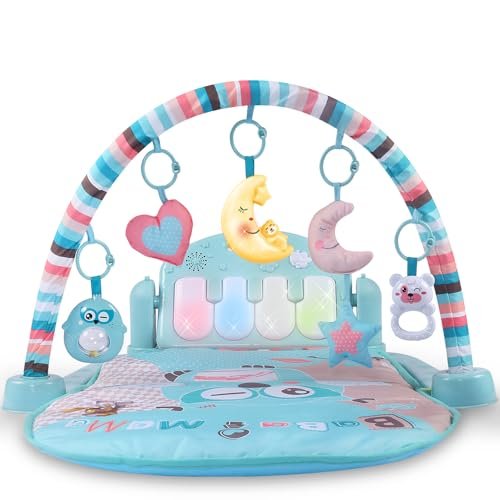
TEMI Baby Gym Toys & Activity Play Mat, Kick and Play Piano Gym Center with Music and Lights, Electronic Learning Toys for Infants, Toddlers, Newborn, Girls and Boys Ages 1 to 36 Months
TEMI Baby Gym Toys & Activity Play Mat, Kick and Play Piano Gym Center with Music and Lights, Electronic Learning Toys for Infants, Toddlers, Newborn, Girls and Boys Ages 1 to 36 Months
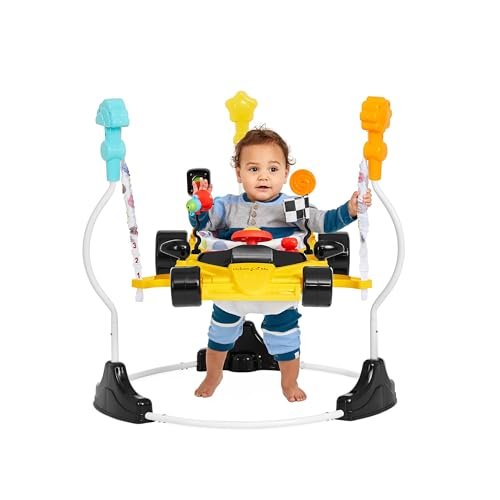
Dream On Me, Champ Activity Center & Jumper, Yellow
Dream On Me, Champ Activity Center & Jumper, Yellow
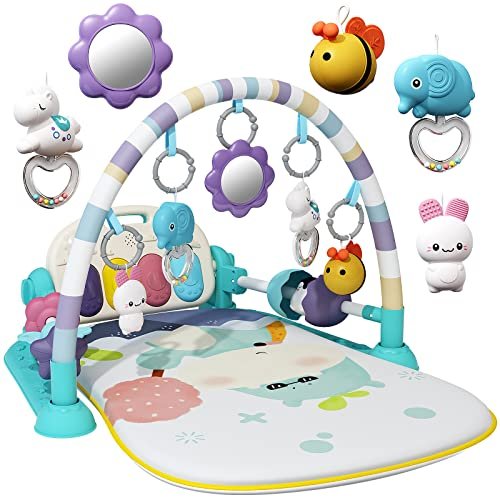
Baby Gym With Kick and Play Piano, Activity Mat for Tummy Time With 5 Infant Learning Sensory, Music and Lights for Newborn Boy or Girl (Green)
Baby Gym With Kick and Play Piano, Activity Mat for Tummy Time With 5 Infant Learning Sensory, Music and Lights for Newborn Boy or Girl (Green)
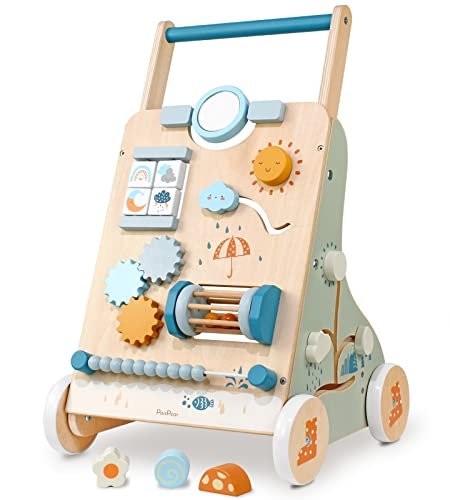
PairPear Wooden Baby Walker, Baby Push Walker, Montessori Walker Toy with Activity Center for Girls Boys, Adjustable Speed Baby Walker for Kids Development
PairPear Wooden Baby Walker, Baby Push Walker, Montessori Walker Toy with Activity Center for Girls Boys, Adjustable Speed Baby Walker for Kids Development
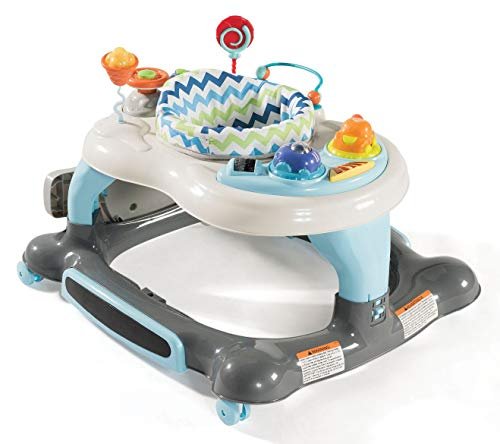
Storkcraft 3-in-1 Activity Walker and Rocker with Jumping Board Feeding Tray, Interactive Toy Tray for Toddlers Infants, Blue/Gray
Storkcraft 3-in-1 Activity Walker and Rocker with Jumping Board Feeding Tray, Interactive Toy Tray for Toddlers Infants, Blue/Gray
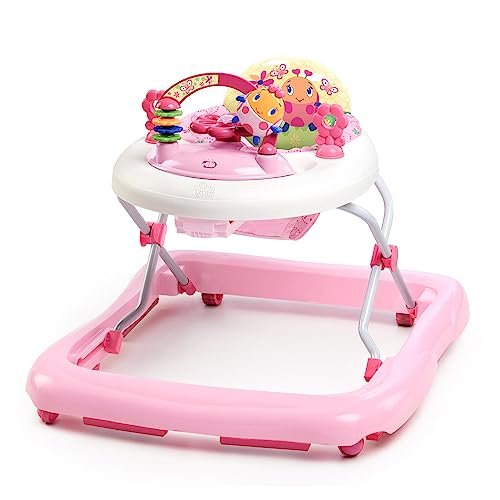
Bright Starts JuneBerry Walk-A-Bout Baby Walker and Entertainer, Removeable Floor Toy, with Easy Fold Frame for Storage, Ages 6 Months +
Bright Starts JuneBerry Walk-A-Bout Baby Walker and Entertainer, Removeable Floor Toy, with Easy Fold Frame for Storage, Ages 6 Months +
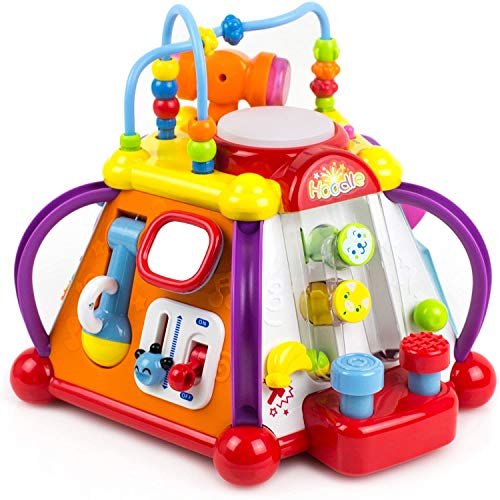
Toysery Baby Activity Center – Toddler Kids Learning & Skill Development Cube with Lights & Music. Enhance Skill Development with a 15 in 1 Game Functions Toy
Toysery Baby Activity Center – Toddler Kids Learning & Skill Development Cube with Lights & Music. Enhance Skill Development with a 15 in 1 Game Functions Toy
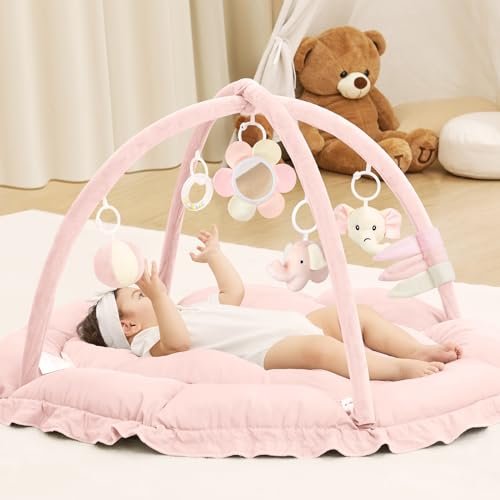
ANGELBLISS 5 in 1 Baby Play Gym Mat, Reversible Tummy Time Mat with 5 Sensory Toys for Stage-Based Developmental, Thick & Large Baby Activity Center from Newborn to Toddler (Pink)
ANGELBLISS 5 in 1 Baby Play Gym Mat, Reversible Tummy Time Mat with 5 Sensory Toys for Stage-Based Developmental, Thick & Large Baby Activity Center from Newborn to Toddler (Pink)