
Safe Baby Food Storage and Preparation: A Complete Guide for Parents
Feeding your baby is one of the most important parts of caring for their health and development. Whether you're preparing homemade purees, offering finger foods, or serving store-bought baby meals, food safety should always be a top priority. Babies have developing immune systems, which makes them more vulnerable to foodborne illnesses than older children and adults.
Many parents focus on choosing nutritious ingredients but may not realize that how food is prepared, stored, and served is just as important. Improper handling can allow harmful bacteria to grow, potentially putting your baby at risk of digestive upset or more serious illness.
The good news is that maintaining safe baby food practices doesn't have to be complicated. A few simple habits can significantly reduce risks while ensuring your little one receives fresh, healthy meals every day.
In this guide, we'll explore everything parents need to know about safe baby food storage and preparation, including practical tips for handling homemade and store-bought foods, avoiding contamination, and keeping meals fresh from preparation to serving.
Why Food Safety Matters for Babies
Babies are more sensitive to foodborne bacteria because their immune systems are still developing. While older children and adults may experience mild symptoms from contaminated food, infants can be more seriously affected.
Proper food handling helps reduce exposure to harmful bacteria such as Salmonella, E. coli, and Listeria. These organisms can grow quickly when food is stored incorrectly or left at unsafe temperatures.
By following food safety guidelines consistently, parents can help create a healthier feeding environment and reduce unnecessary risks during this important stage of growth and development.
Creating a Clean Food Preparation Environment
Start With Clean Hands
One of the easiest and most effective ways to protect your baby is by washing your hands thoroughly before preparing food.
Use warm water and soap, scrubbing for at least 20 seconds before handling ingredients, bottles, utensils, or feeding equipment.
It's also important to wash your hands after:
- Changing diapers
- Handling raw meat
- Touching pets
- Using the bathroom
- Cleaning household surfaces
Sanitize Preparation Surfaces
Kitchen counters, cutting boards, blenders, and food processors should be cleaned regularly.
Before preparing baby food:
- Wipe down countertops
- Wash cutting boards thoroughly
- Clean food preparation equipment
- Ensure utensils are free from residue
Maintaining a clean workspace helps minimize the risk of contamination.
Avoid Cross-Contamination
Cross-contamination occurs when bacteria from one food transfers to another.
To reduce this risk:
- Use separate cutting boards for raw meats and produce
- Wash utensils between uses
- Keep raw foods separate from cooked foods
- Store raw meat on lower refrigerator shelves
These simple habits help keep your baby's meals safe.
Safe Preparation of Homemade Baby Food
Homemade baby food can be a wonderful way to introduce fresh ingredients and control what goes into your baby's meals.
Choose Fresh Ingredients
Start with fresh fruits, vegetables, grains, and proteins whenever possible.
Wash all produce thoroughly under running water before peeling, chopping, or cooking. Even fruits and vegetables with skins that won't be eaten should be cleaned first to avoid transferring bacteria during preparation.
Cook Foods Properly
Cooking helps eliminate potentially harmful bacteria.
Vegetables should be cooked until soft enough for your baby's developmental stage, while meats, poultry, eggs, and fish should always be cooked thoroughly according to food safety recommendations.
Avoid serving undercooked animal products to infants.
Blend and Puree Safely
When blending baby food:
- Use clean equipment
- Avoid leaving prepared food at room temperature
- Cool cooked foods before blending when appropriate
- Store prepared food promptly after preparation
Maintaining safe temperatures throughout the process helps preserve quality and safety.
Best Practices for Storing Homemade Baby Food
Refrigeration Guidelines
Once prepared, homemade baby food should be stored in clean, airtight containers.
Most homemade baby foods can typically be refrigerated for up to 48 hours, though specific ingredients may vary.
Label containers with preparation dates to help keep track of freshness.
Freezing for Convenience
Freezing baby food is a convenient option for busy parents.
Many families freeze purees in:
- Ice cube trays
- Silicone baby food molds
- Small storage containers
Once frozen, portions can be transferred to freezer-safe bags or containers for longer storage.
This approach allows you to prepare larger batches while minimizing waste.
Proper Thawing Methods
Frozen baby food should be thawed safely.
Good options include:
- Thawing overnight in the refrigerator
- Using the defrost setting on a microwave
- Warming gently before serving
Avoid thawing baby food on the kitchen counter, as this can encourage bacterial growth.
Safely Using Store-Bought Baby Food
Commercial baby foods are designed with safety standards in mind, but proper handling remains important.
Check Expiration Dates
Before purchasing or serving packaged baby food, inspect expiration dates carefully.
Avoid products that are:
- Expired
- Damaged
- Dented
- Leaking
- Swollen
Follow Storage Instructions
Always follow the manufacturer's storage recommendations.
After opening a jar or pouch, refrigerate unused portions promptly and use them within the recommended timeframe.
Avoid Feeding Directly From the Jar
Many parents find it convenient to feed directly from a baby food jar. However, saliva introduced by the spoon can contaminate remaining food.
Instead:
- Transfer a serving to a separate bowl
- Feed from the bowl
- Refrigerate any unopened portion immediately
This simple step can help extend freshness and reduce contamination.
Heating Baby Food Safely
Warm Food Evenly
If warming baby food, ensure heat is distributed evenly throughout the meal.
Microwaves can create hot spots that may burn your baby's mouth.
After heating:
- Stir thoroughly
- Let the food sit briefly
- Test the temperature before serving
Check Temperature Carefully
Baby food should be warm, not hot.
Always test a small amount on the inside of your wrist before feeding your baby.
This quick check helps prevent accidental burns.
Recognizing When Baby Food Should Be Discarded
When in doubt, it's better to throw food away than risk serving spoiled food.
Discard baby food if you notice:
- Unusual odors
- Mold
- Discoloration
- Separation that doesn't mix back together
- Damaged packaging
- Food left out too long
Trust your instincts. If something doesn't seem right, it's safest not to serve it.
Common Baby Food Safety Mistakes to Avoid
Many food safety issues can be prevented by avoiding a few common mistakes.
Leaving Food Out Too Long
Prepared baby food should not remain at room temperature for extended periods.
Bacteria multiply rapidly in warm conditions, making prompt refrigeration important.
Reheating Multiple Times
Repeated reheating can affect food quality and increase safety concerns.
Only warm the amount your baby is likely to eat at one feeding.
Using Unclean Utensils
Always use clean spoons, bowls, and containers when preparing and serving baby meals.
Small lapses in hygiene can introduce unnecessary bacteria into your baby's food.
Creating Safe Feeding Habits at Home and On the Go
Food safety doesn't stop at home.
When traveling or running errands:
- Use insulated food containers when necessary
- Keep cold foods cold
- Pack clean utensils
- Bring ice packs for longer outings
- Discard leftovers that have been unrefrigerated too long
Planning ahead helps maintain safe feeding practices wherever you are.
Conclusion
Providing safe, nutritious meals for your baby involves more than choosing healthy ingredients. Proper food preparation, storage, and handling play a vital role in protecting your little one from foodborne illnesses and ensuring every meal supports healthy growth and development.
By maintaining clean preparation areas, storing food at safe temperatures, avoiding cross-contamination, and following proper refrigeration and freezing practices, parents can confidently prepare meals that are both nutritious and safe. These simple habits create a strong foundation for healthy eating while giving families peace of mind throughout their baby's feeding journey.
Trending Articles
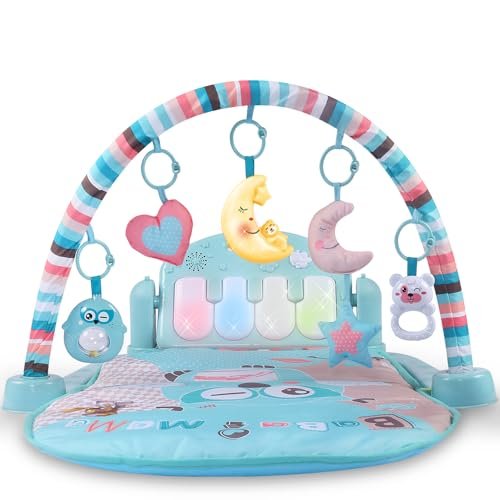
TEMI Baby Gym Toys & Activity Play Mat, Kick and Play Piano Gym Center with Music and Lights, Electronic Learning Toys for Infants, Toddlers, Newborn, Girls and Boys Ages 1 to 36 Months
TEMI Baby Gym Toys & Activity Play Mat, Kick and Play Piano Gym Center with Music and Lights, Electronic Learning Toys for Infants, Toddlers, Newborn, Girls and Boys Ages 1 to 36 Months
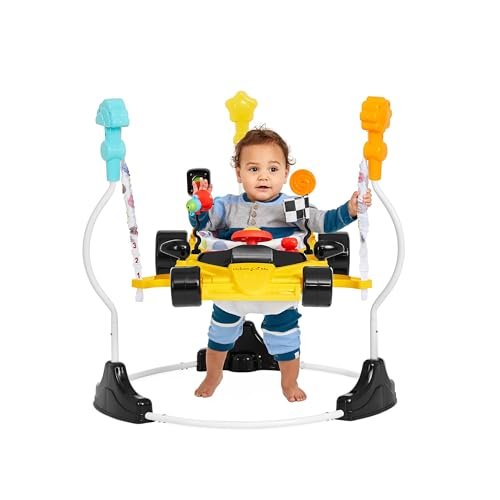
Dream On Me, Champ Activity Center & Jumper, Yellow
Dream On Me, Champ Activity Center & Jumper, Yellow
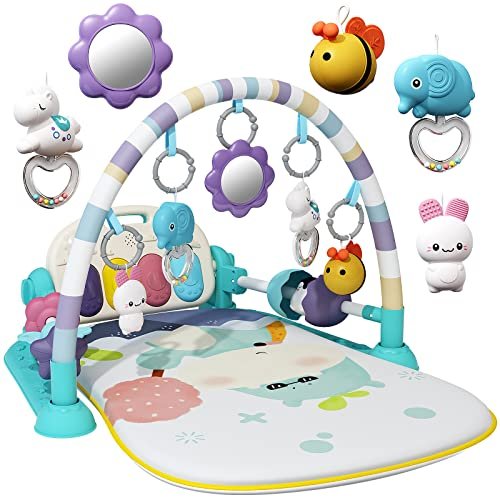
Baby Gym With Kick and Play Piano, Activity Mat for Tummy Time With 5 Infant Learning Sensory, Music and Lights for Newborn Boy or Girl (Green)
Baby Gym With Kick and Play Piano, Activity Mat for Tummy Time With 5 Infant Learning Sensory, Music and Lights for Newborn Boy or Girl (Green)
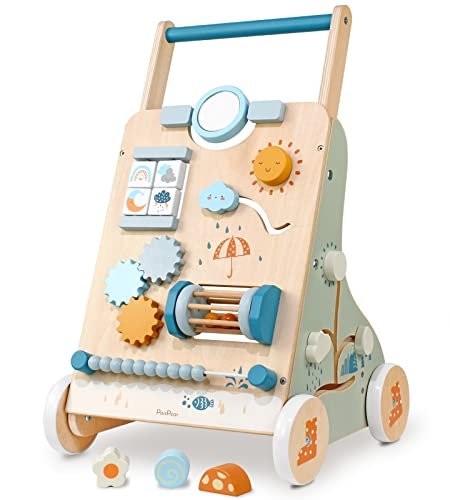
PairPear Wooden Baby Walker, Baby Push Walker, Montessori Walker Toy with Activity Center for Girls Boys, Adjustable Speed Baby Walker for Kids Development
PairPear Wooden Baby Walker, Baby Push Walker, Montessori Walker Toy with Activity Center for Girls Boys, Adjustable Speed Baby Walker for Kids Development
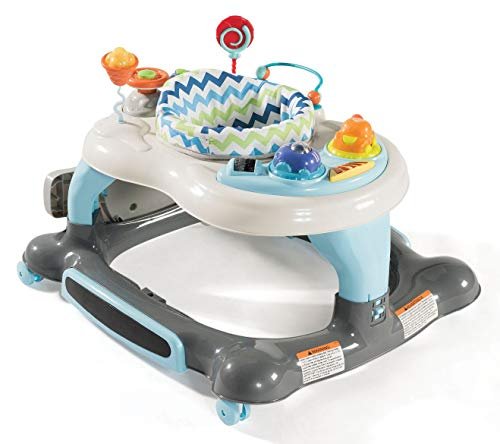
Storkcraft 3-in-1 Activity Walker and Rocker with Jumping Board Feeding Tray, Interactive Toy Tray for Toddlers Infants, Blue/Gray
Storkcraft 3-in-1 Activity Walker and Rocker with Jumping Board Feeding Tray, Interactive Toy Tray for Toddlers Infants, Blue/Gray
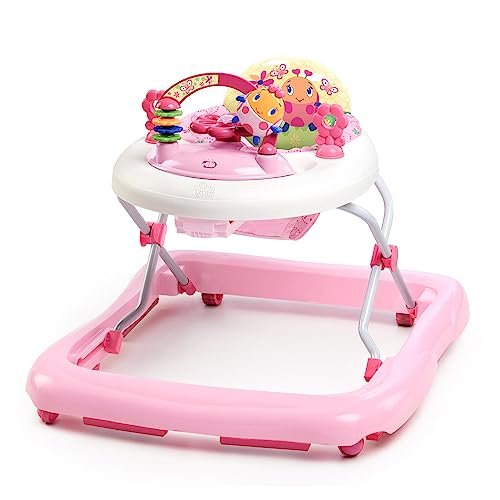
Bright Starts JuneBerry Walk-A-Bout Baby Walker and Entertainer, Removeable Floor Toy, with Easy Fold Frame for Storage, Ages 6 Months +
Bright Starts JuneBerry Walk-A-Bout Baby Walker and Entertainer, Removeable Floor Toy, with Easy Fold Frame for Storage, Ages 6 Months +
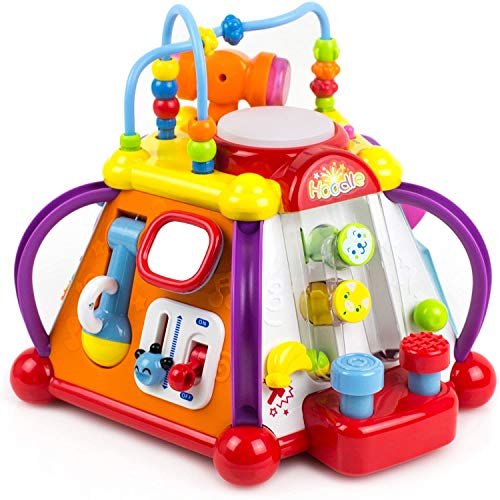
Toysery Baby Activity Center – Toddler Kids Learning & Skill Development Cube with Lights & Music. Enhance Skill Development with a 15 in 1 Game Functions Toy
Toysery Baby Activity Center – Toddler Kids Learning & Skill Development Cube with Lights & Music. Enhance Skill Development with a 15 in 1 Game Functions Toy
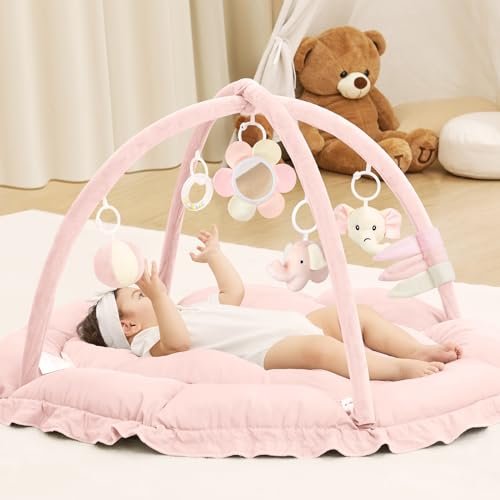
ANGELBLISS 5 in 1 Baby Play Gym Mat, Reversible Tummy Time Mat with 5 Sensory Toys for Stage-Based Developmental, Thick & Large Baby Activity Center from Newborn to Toddler (Pink)
ANGELBLISS 5 in 1 Baby Play Gym Mat, Reversible Tummy Time Mat with 5 Sensory Toys for Stage-Based Developmental, Thick & Large Baby Activity Center from Newborn to Toddler (Pink)