
How to Balance Your Relationship and Self-Care as a Parent
Becoming a parent changes nearly every aspect of life, including your relationship with your partner and the way you care for yourself. Between diaper changes, school runs, household responsibilities, work commitments, and sleepless nights, it's easy for personal needs and relationship priorities to slide to the bottom of the list.
Many parents find themselves caught in a cycle of giving everything to their children while neglecting their own well-being and the connection they share with their partner. Over time, this imbalance can lead to exhaustion, frustration, and feelings of disconnection. The challenge isn't choosing between your relationship and self-care—it's learning how to nurture both simultaneously.
The truth is that healthy relationships and personal well-being often support each other. When you feel emotionally and physically recharged, you're more present, patient, and connected with the people you love. Likewise, a supportive partnership can make it easier to prioritize your own needs without guilt.
If you're looking for practical ways to strengthen your relationship while also taking care of yourself, these strategies can help create a healthier and more fulfilling family life.
Why Self-Care Matters in a Healthy Relationship
Many parents mistakenly view self-care as a luxury. In reality, it's an essential part of maintaining emotional resilience, physical health, and relationship satisfaction.
When you're constantly running on empty, even small challenges can feel overwhelming. Stress, fatigue, and burnout often affect communication, patience, and intimacy. Taking time to recharge helps you show up as your best self—not only for your children but also for your partner.
Self-care doesn't have to involve expensive spa days or entire weekends away. Sometimes it's as simple as reading a book for twenty minutes, taking a walk, exercising, enjoying a hobby, or spending quiet time alone.
The goal is not to escape your responsibilities but to replenish the energy needed to manage them effectively.
Setting Healthy Boundaries as a Couple
Understanding Each Other's Needs
Every person has different emotional, social, and personal needs. Some people recharge through quiet alone time, while others feel refreshed after social interactions or physical activities.
Taking the time to discuss these needs openly can help prevent misunderstandings and resentment.
Ask questions such as:
- What helps you feel recharged?
- How much personal time do you need each week?
- What activities help reduce your stress?
- How can I support you better?
These conversations create understanding and help both partners feel seen and valued.
Respecting Individual Space
Healthy relationships thrive when both partners maintain a sense of individuality.
It's perfectly normal—and healthy—to spend time apart occasionally. Supporting each other's interests, friendships, and personal goals helps maintain balance within the relationship.
Rather than viewing personal time as separation, think of it as an investment in the health of the partnership.
Practicing Mindful Communication
Listening to Understand
Communication is often the first thing to suffer when parents become overwhelmed.
Instead of focusing solely on responding, try listening with the goal of understanding your partner's perspective. Active listening involves making eye contact, avoiding interruptions, and giving your full attention.
Sometimes your partner doesn't need solutions—they simply need to feel heard.
Expressing Needs Clearly
Many conflicts arise when expectations remain unspoken.
Rather than assuming your partner knows what you need, communicate openly and respectfully. Use statements that focus on your feelings and experiences.
For example:
- "I'm feeling overwhelmed and could use some help tonight."
- "I'd love some time to myself this weekend."
- "I miss spending quality time together."
Honest communication creates opportunities for collaboration instead of conflict.
Avoiding the Scorekeeping Trap
It's easy for exhausted parents to start mentally tracking who did more chores, handled more bedtime routines, or sacrificed more sleep.
While these feelings are understandable, keeping score often creates tension rather than solutions.
Instead, focus on working together as a team. Parenting is not a competition—it's a shared responsibility.
Making Quality Time a Priority
Connection Doesn't Require Grand Gestures
Many couples assume quality time requires elaborate date nights or expensive outings. While those experiences can be wonderful, meaningful connection often happens in simple everyday moments.
You might:
- Share coffee before the children wake up
- Take an evening walk together
- Watch a favorite show
- Cook dinner as a team
- Talk for fifteen minutes before bed
Small, consistent moments of connection often strengthen relationships more effectively than occasional big events.
Schedule Time Together
Parenthood can make spontaneity difficult. Scheduling time together may not sound romantic, but it often becomes necessary.
Treat your relationship like any other important commitment. Block time on the calendar for conversations, date nights, or shared activities.
When quality time becomes intentional, it's less likely to be overlooked.
Supporting Each Other's Self-Care Goals
Encourage Personal Time
One of the greatest gifts partners can offer each other is permission to prioritize self-care without guilt.
If your partner wants to exercise, meet a friend, pursue a hobby, or simply enjoy quiet time, encourage it. The same applies to your own needs.
Supporting each other's well-being benefits the entire family.
Share Responsibilities Fairly
When household and parenting responsibilities are distributed fairly, both partners are more likely to have opportunities for self-care.
Regularly discuss:
- Household duties
- Childcare responsibilities
- Work schedules
- Personal time needs
Flexibility and teamwork help prevent one partner from carrying an unfair burden.
Celebrate Small Wins
Parenting can feel relentless, making it easy to focus only on what's left to do.
Take time to acknowledge each other's efforts. A simple thank-you, compliment, or gesture of appreciation can strengthen emotional connection and foster goodwill.
Feeling valued contributes significantly to relationship satisfaction.
Recognizing Signs of Burnout
Balancing parenting, relationships, and personal well-being isn't always easy. Sometimes stress accumulates gradually until it becomes difficult to ignore.
Common signs of burnout may include:
- Constant exhaustion
- Irritability
- Emotional withdrawal
- Loss of interest in activities you once enjoyed
- Difficulty concentrating
- Increased conflict with your partner
Recognizing these signs early allows you to make adjustments before stress begins affecting your relationship and overall well-being.
Creating a Sustainable Family Routine
Focus on Realistic Expectations
Many parents place enormous pressure on themselves to do everything perfectly.
The reality is that perfect balance doesn't exist. Some days will feel smooth and connected, while others may feel chaotic and exhausting.
Rather than striving for perfection, focus on creating routines that are realistic and sustainable.
Build Self-Care Into Daily Life
Self-care becomes more manageable when it's integrated into your regular routine.
Simple examples include:
- Taking a short walk after dinner
- Reading before bed
- Practicing mindfulness for a few minutes each morning
- Enjoying a hobby during nap time
- Taking regular breaks from screens
Small habits often have a greater long-term impact than occasional major efforts.
The Benefits of a Strong Relationship for the Whole Family
Children thrive when they grow up in environments where healthy relationships are modeled.
When parents communicate respectfully, support one another, and prioritize emotional well-being, children learn valuable lessons about empathy, cooperation, and self-respect.
A strong partnership also creates a more stable and nurturing family atmosphere. While no relationship is perfect, investing in your connection benefits everyone in the household.
Conclusion
Balancing your relationship and self-care as a parent isn't about finding a perfect formula—it's about making intentional choices that support both your well-being and your partnership. By communicating openly, respecting boundaries, scheduling quality time, and encouraging each other's personal growth, you create a healthier foundation for your family.
Remember that caring for yourself is not selfish, and investing in your relationship is not taking time away from your children. In fact, when parents feel supported, connected, and emotionally healthy, the entire family benefits. Small, consistent efforts can strengthen your bond, reduce stress, and help you build a happier, more balanced life together.
Trending Articles
TEMI Baby Gym Toys & Activity Play Mat, Kick and Play Piano Gym Center with Music and Lights, Electronic Learning Toys for Infants, Toddlers, Newborn, Girls and Boys Ages 1 to 36 Months
TEMI Baby Gym Toys & Activity Play Mat, Kick and Play Piano Gym Center with Music and Lights, Electronic Learning Toys for Infants, Toddlers, Newborn, Girls and Boys Ages 1 to 36 Months
Dream On Me, Champ Activity Center & Jumper, Yellow
Dream On Me, Champ Activity Center & Jumper, Yellow
Baby Gym With Kick and Play Piano, Activity Mat for Tummy Time With 5 Infant Learning Sensory, Music and Lights for Newborn Boy or Girl (Green)
Baby Gym With Kick and Play Piano, Activity Mat for Tummy Time With 5 Infant Learning Sensory, Music and Lights for Newborn Boy or Girl (Green)
PairPear Wooden Baby Walker, Baby Push Walker, Montessori Walker Toy with Activity Center for Girls Boys, Adjustable Speed Baby Walker for Kids Development
PairPear Wooden Baby Walker, Baby Push Walker, Montessori Walker Toy with Activity Center for Girls Boys, Adjustable Speed Baby Walker for Kids Development
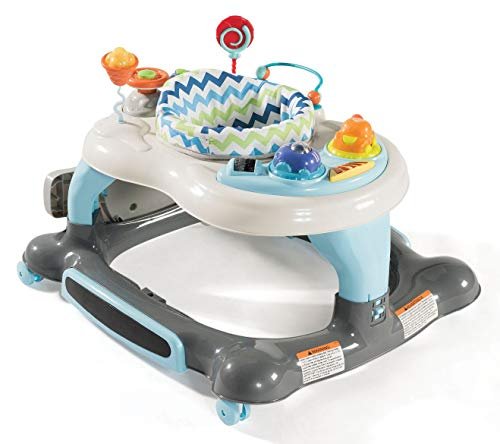
Storkcraft 3-in-1 Activity Walker and Rocker with Jumping Board Feeding Tray, Interactive Toy Tray for Toddlers Infants, Blue/Gray
Storkcraft 3-in-1 Activity Walker and Rocker with Jumping Board Feeding Tray, Interactive Toy Tray for Toddlers Infants, Blue/Gray
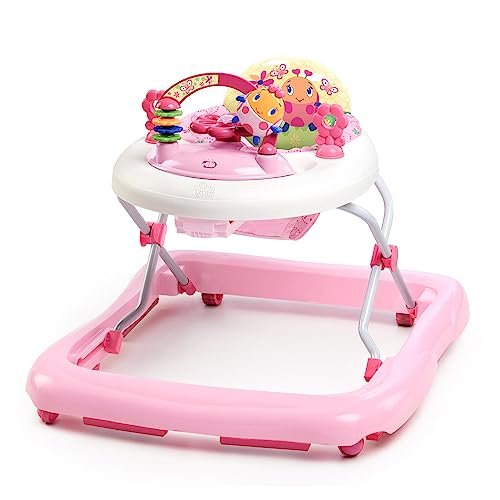
Bright Starts JuneBerry Walk-A-Bout Baby Walker and Entertainer, Removeable Floor Toy, with Easy Fold Frame for Storage, Ages 6 Months +
Bright Starts JuneBerry Walk-A-Bout Baby Walker and Entertainer, Removeable Floor Toy, with Easy Fold Frame for Storage, Ages 6 Months +
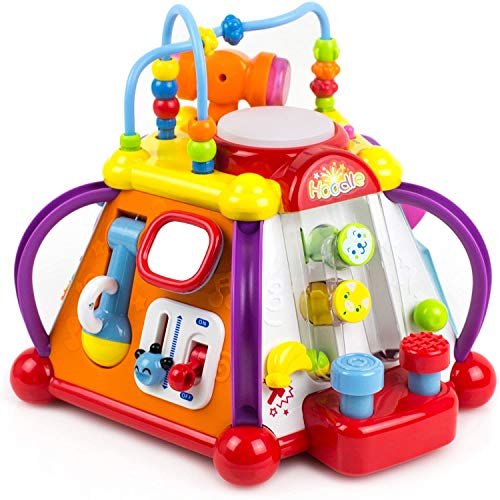
Toysery Baby Activity Center – Toddler Kids Learning & Skill Development Cube with Lights & Music. Enhance Skill Development with a 15 in 1 Game Functions Toy
Toysery Baby Activity Center – Toddler Kids Learning & Skill Development Cube with Lights & Music. Enhance Skill Development with a 15 in 1 Game Functions Toy
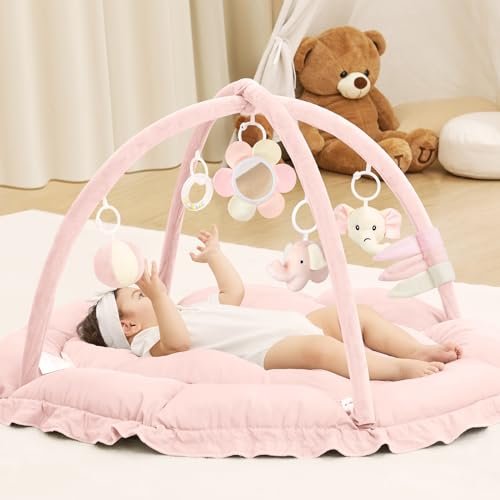
ANGELBLISS 5 in 1 Baby Play Gym Mat, Reversible Tummy Time Mat with 5 Sensory Toys for Stage-Based Developmental, Thick & Large Baby Activity Center from Newborn to Toddler (Pink)
ANGELBLISS 5 in 1 Baby Play Gym Mat, Reversible Tummy Time Mat with 5 Sensory Toys for Stage-Based Developmental, Thick & Large Baby Activity Center from Newborn to Toddler (Pink)