
How to Choose Baby Clothes for Sensitive Skin: A Parent’s Complete Guide
Bringing home a new baby comes with countless decisions, and one of the most important is choosing clothing that keeps your little one comfortable. While adorable designs and tiny outfits are tempting, parents of babies with sensitive skin quickly learn that fabric choices can have a significant impact on their child’s comfort and well-being.
Babies have delicate skin that is thinner and more vulnerable than adult skin. As a result, certain fabrics, dyes, detergents, and clothing finishes can sometimes cause irritation, redness, or discomfort. For babies prone to dryness, eczema, or skin sensitivities, selecting the right clothing becomes even more important.
The good news is that finding baby clothes suitable for sensitive skin doesn't have to be complicated. By understanding what materials to look for, which irritants to avoid, and how to care for your baby's wardrobe, you can create a comfortable environment that helps protect their delicate skin every day.
This guide will walk you through everything parents need to know about choosing baby clothes for sensitive skin, from fabric selection to laundry tips and practical shopping advice.
Understanding Why Baby Skin Is So Sensitive
Before choosing clothing, it's helpful to understand why babies are more susceptible to skin irritation than older children and adults.
A newborn's skin barrier is still developing during the first months of life. This means moisture can escape more easily, and irritants can penetrate the skin more readily. Friction from rough fabrics, exposure to harsh chemicals, and even excessive heat can contribute to discomfort.
Some babies naturally have more sensitive skin due to genetics, while others may develop temporary irritation from environmental factors. Babies with eczema or dry skin often require extra attention when selecting clothing and skincare products.
Because clothing remains in direct contact with your baby's skin for many hours each day, choosing soft, breathable materials can make a noticeable difference in comfort.
The Best Fabrics for Sensitive Baby Skin
The fabric of your baby's clothing is one of the most important factors to consider.
Cotton: A Trusted Favorite
Cotton remains one of the most recommended fabrics for babies with sensitive skin. It is soft, breathable, and gentle against delicate skin.
Cotton also helps regulate body temperature, reducing the likelihood of overheating, which can sometimes aggravate skin irritation.
When shopping for cotton baby clothes, look for:
- 100% cotton garments
- Soft jersey cotton
- Organic cotton options
- Lightweight cotton sleepwear
These materials typically provide excellent comfort for everyday wear.
Organic Cotton Benefits
Many parents choose organic cotton because it is often produced without certain synthetic pesticides and chemical treatments.
While not every baby requires organic clothing, parents of babies with highly sensitive skin may appreciate the extra peace of mind that comes with organic fabric choices.
Bamboo Fabrics
Bamboo-based fabrics have become increasingly popular in baby clothing.
They are known for being:
- Exceptionally soft
- Lightweight
- Breathable
- Comfortable in various temperatures
Many parents find bamboo sleepwear particularly useful for babies who tend to become warm during sleep.
Fabrics and Materials to Approach With Caution
Not all fabrics are equally gentle on sensitive skin.
Synthetic Materials
Clothing made primarily from polyester, nylon, or other synthetic materials may sometimes trap heat and moisture against the skin. While these fabrics are common in children's clothing, they may not be the best choice for babies with eczema or skin sensitivities.
Rough Textures
Even natural fabrics can cause discomfort if they have rough finishes or stiff textures.
Before purchasing, feel the fabric with your hands. If it feels scratchy or uncomfortable to you, it may not be ideal for your baby's delicate skin.
Decorative Elements
Cute embellishments can sometimes create problems.
Pay attention to:
- Rough embroidery
- Decorative patches
- Sequins
- Stiff appliqués
- Thick seams
These features may rub against your baby's skin and create irritation during daily wear.
Why Breathability Matters
Overheating is a common trigger for skin discomfort in babies.
Breathable fabrics allow air to circulate freely, helping regulate body temperature and reducing excess sweating. This is particularly important for babies who have eczema or are prone to heat rashes.
When selecting baby clothes, think about the climate, season, and your home's temperature. Dressing your baby in lightweight layers often provides greater flexibility than using thick or heavy garments.
Choosing Clothing With Comfort in Mind
Sensitive skin isn't affected by fabric alone. The design of the clothing matters too.
Look for Flat Seams
Some baby clothing brands specifically design garments with flat seams to reduce friction.
Flat seams help prevent rubbing, especially around areas such as:
- Necklines
- Underarms
- Waistbands
- Legs
Avoid Irritating Tags
Tags can become surprisingly uncomfortable for babies.
Many parents prefer tagless clothing or garments with printed labels to reduce irritation around the neck and shoulders.
Choose a Comfortable Fit
Clothing that is too tight can create friction and trap heat against the skin.
A slightly relaxed fit often provides better comfort and allows babies to move freely while staying cool.
Washing Baby Clothes Before First Use
Many parents are surprised to learn that brand-new baby clothes should generally be washed before being worn.
During manufacturing, packaging, shipping, and storage, clothing may come into contact with various substances that could irritate sensitive skin.
Washing new garments before use helps remove:
- Manufacturing residues
- Dust
- Packaging chemicals
- Excess dyes
This simple step can make clothing gentler on your baby's skin from the very first wear.
Choosing the Right Laundry Products
Laundry care plays a major role in maintaining skin-friendly clothing.
Use Gentle Detergents
Look for detergents that are:
- Fragrance-free
- Dye-free
- Designed for sensitive skin
- Hypoallergenic
These products are less likely to leave irritating residues on clothing.
Skip Harsh Additives
Fabric softeners, scented boosters, and strong stain removers may contain ingredients that can trigger skin irritation in some babies.
When possible, keep your laundry routine simple and gentle.
Consider an Extra Rinse Cycle
Running an additional rinse cycle can help remove leftover detergent from clothing.
This is especially helpful for babies with eczema or highly reactive skin.
Special Considerations for Babies With Eczema
If your baby has eczema, clothing choices become even more important.
Many parents find that soft, breathable fabrics combined with proper skincare routines can help minimize discomfort.
Some helpful practices include:
- Dressing your baby in lightweight cotton layers
- Avoiding wool directly against the skin
- Keeping clothing clean and dry
- Changing sweat-soaked clothing promptly
- Moisturizing skin regularly according to your healthcare provider's recommendations
Because every child is different, it may take some experimentation to discover which fabrics and clothing styles work best for your baby.
Signs That Clothing May Be Irritating Your Baby's Skin
Sometimes the signs of irritation are subtle.
Pay attention if you notice:
- Redness under clothing
- Persistent scratching
- Increased fussiness after dressing
- Dry patches where fabric contacts the skin
- Heat rash or irritation in skin folds
If symptoms seem to worsen after wearing certain garments, consider switching to softer, more breathable alternatives.
Building a Skin-Friendly Baby Wardrobe
Creating a wardrobe for a baby with sensitive skin doesn't require hundreds of outfits.
Focus on quality over quantity.
A practical collection may include:
- Soft cotton bodysuits
- Lightweight sleepers
- Breathable pajamas
- Comfortable leggings
- Cotton hats and mittens
- Seasonal outerwear made from skin-friendly materials
Having a smaller collection of well-made, comfortable clothing often works better than a large collection of garments that may irritate your baby's skin.
Conclusion
Choosing baby clothes for sensitive skin is about much more than style. The right fabrics, thoughtful designs, and gentle laundry practices can help keep your baby comfortable throughout the day and night. Soft, breathable materials such as cotton and bamboo, combined with fragrance-free laundry products and careful attention to fit, can make a significant difference for babies with delicate skin.
As you build your baby's wardrobe, focus on comfort, breathability, and simplicity. Every baby is unique, but a gentle, skin-friendly approach can help reduce irritation and create a more comfortable experience for both you and your little one. With the right clothing choices, your baby can stay cozy, happy, and ready to explore the world around them.
Trending Articles
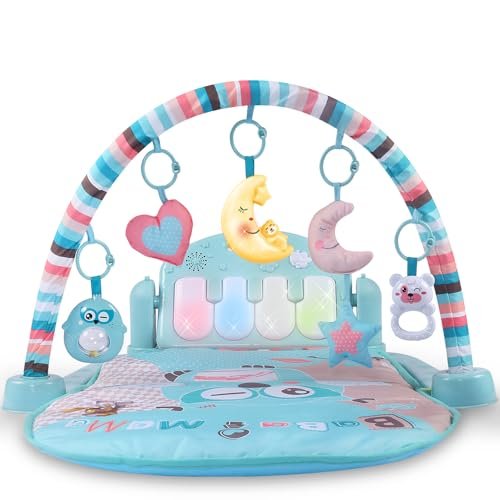
TEMI Baby Gym Toys & Activity Play Mat, Kick and Play Piano Gym Center with Music and Lights, Electronic Learning Toys for Infants, Toddlers, Newborn, Girls and Boys Ages 1 to 36 Months
TEMI Baby Gym Toys & Activity Play Mat, Kick and Play Piano Gym Center with Music and Lights, Electronic Learning Toys for Infants, Toddlers, Newborn, Girls and Boys Ages 1 to 36 Months
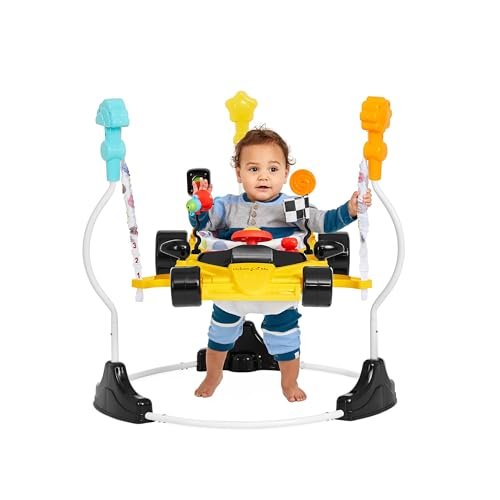
Dream On Me, Champ Activity Center & Jumper, Yellow
Dream On Me, Champ Activity Center & Jumper, Yellow
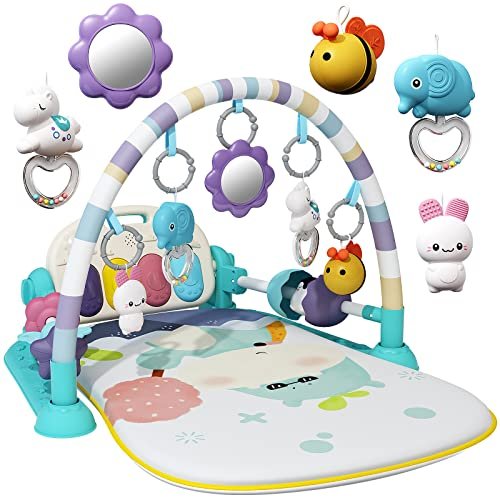
Baby Gym With Kick and Play Piano, Activity Mat for Tummy Time With 5 Infant Learning Sensory, Music and Lights for Newborn Boy or Girl (Green)
Baby Gym With Kick and Play Piano, Activity Mat for Tummy Time With 5 Infant Learning Sensory, Music and Lights for Newborn Boy or Girl (Green)
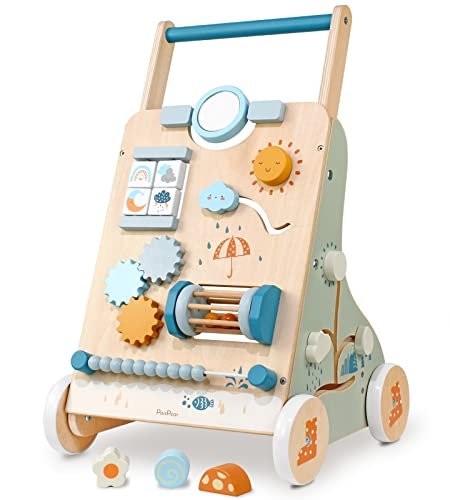
PairPear Wooden Baby Walker, Baby Push Walker, Montessori Walker Toy with Activity Center for Girls Boys, Adjustable Speed Baby Walker for Kids Development
PairPear Wooden Baby Walker, Baby Push Walker, Montessori Walker Toy with Activity Center for Girls Boys, Adjustable Speed Baby Walker for Kids Development
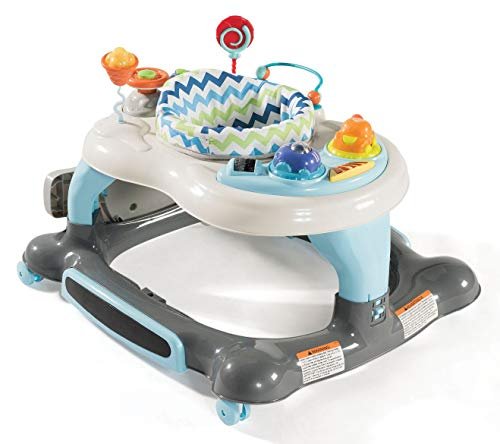
Storkcraft 3-in-1 Activity Walker and Rocker with Jumping Board Feeding Tray, Interactive Toy Tray for Toddlers Infants, Blue/Gray
Storkcraft 3-in-1 Activity Walker and Rocker with Jumping Board Feeding Tray, Interactive Toy Tray for Toddlers Infants, Blue/Gray
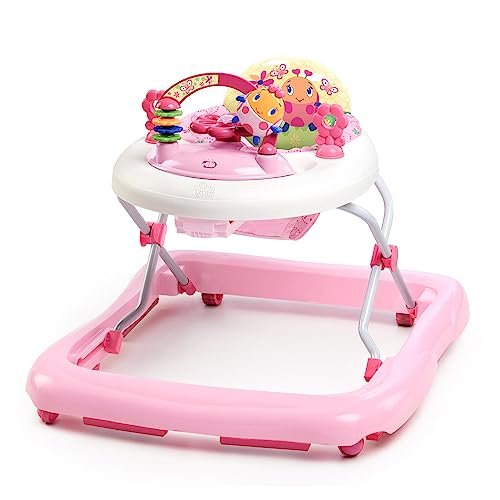
Bright Starts JuneBerry Walk-A-Bout Baby Walker and Entertainer, Removeable Floor Toy, with Easy Fold Frame for Storage, Ages 6 Months +
Bright Starts JuneBerry Walk-A-Bout Baby Walker and Entertainer, Removeable Floor Toy, with Easy Fold Frame for Storage, Ages 6 Months +
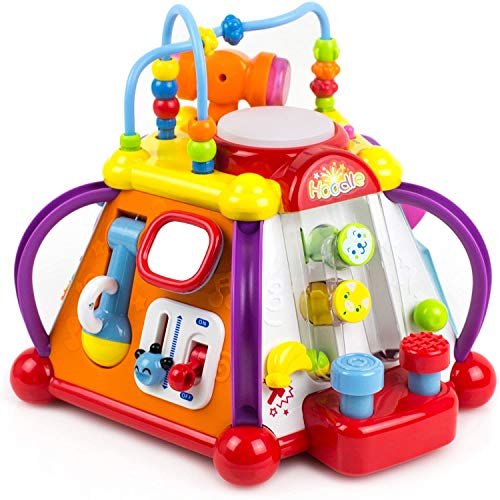
Toysery Baby Activity Center – Toddler Kids Learning & Skill Development Cube with Lights & Music. Enhance Skill Development with a 15 in 1 Game Functions Toy
Toysery Baby Activity Center – Toddler Kids Learning & Skill Development Cube with Lights & Music. Enhance Skill Development with a 15 in 1 Game Functions Toy
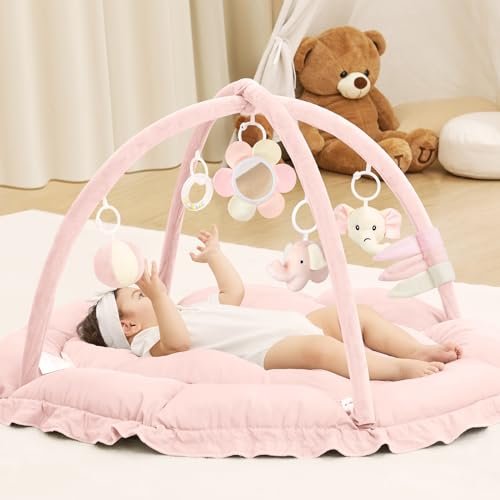
ANGELBLISS 5 in 1 Baby Play Gym Mat, Reversible Tummy Time Mat with 5 Sensory Toys for Stage-Based Developmental, Thick & Large Baby Activity Center from Newborn to Toddler (Pink)
ANGELBLISS 5 in 1 Baby Play Gym Mat, Reversible Tummy Time Mat with 5 Sensory Toys for Stage-Based Developmental, Thick & Large Baby Activity Center from Newborn to Toddler (Pink)