
Baby Reflux: How to Recognize the Signs and Help Your Little One Feel More Comfortable
Few things are more stressful for parents than watching their baby seem uncomfortable after a feeding. Frequent spit-up, fussiness, interrupted sleep, and feeding difficulties can leave caregivers wondering whether what they're seeing is normal or a sign of something more. One common concern among parents of newborns and infants is baby reflux.
The good news is that reflux is extremely common during infancy. As babies grow and their digestive systems mature, many outgrow reflux naturally. However, understanding the symptoms and knowing how to manage them can make daily life significantly easier for both babies and parents.
Learning to recognize reflux early allows caregivers to respond appropriately, provide comfort, and discuss concerns with their pediatrician when necessary. While every baby is different, understanding the basics of infant reflux can help you feel more confident as you navigate this stage of development.
In this guide, we'll explore what baby reflux is, common symptoms to watch for, possible causes, practical ways to manage discomfort, and when it may be time to seek medical advice.
What Is Baby Reflux?
Baby reflux occurs when stomach contents flow back into the esophagus after feeding. This can happen because the muscle that normally keeps food in the stomach—the lower esophageal sphincter—is still developing during infancy.
As a result, some milk or formula may move back up, causing spit-up or discomfort.
For many babies, occasional reflux is simply a normal part of development. Because infants spend much of their time lying down and consume a liquid diet, reflux episodes can happen relatively frequently during the first months of life.
In many cases, reflux improves gradually as babies become more upright, begin eating solid foods, and develop stronger digestive muscles.
Common Signs and Symptoms of Baby Reflux
Recognizing reflux symptoms can help parents determine whether their baby's behavior may be linked to digestive discomfort.
Frequent Spitting Up
One of the most recognizable signs of reflux is frequent spit-up after feedings.
Many babies spit up occasionally, but reflux may involve larger amounts or more frequent episodes. While this can be messy and concerning, spit-up alone doesn't always indicate a serious problem.
It's important to observe patterns rather than focusing on isolated incidents.
Fussiness During or After Feedings
Some babies become irritable during feeding sessions or shortly afterward.
You may notice crying, squirming, or general discomfort while feeding. These behaviors can sometimes be associated with reflux because stomach contents moving upward may create an unpleasant sensation.
Back Arching and Body Tension
Parents often notice babies arching their backs or stiffening their bodies during or after feedings.
This behavior can be a response to discomfort and may occur alongside other reflux symptoms. While occasional arching can be normal, persistent episodes may warrant discussion with a healthcare professional.
Interrupted Sleep
Babies experiencing reflux may appear uncomfortable when lying flat.
Some infants wake frequently, struggle to settle after feedings, or seem restless during sleep. Although many factors can affect infant sleep, reflux-related discomfort may contribute to nighttime disturbances in some babies.
Feeding Challenges
Certain babies with reflux may feed eagerly at first but become fussy partway through a feeding.
Others may pull away from the bottle or breast, cry, or seem frustrated while eating. Monitoring feeding behaviors can provide helpful information when discussing concerns with your pediatrician.
Why Reflux Happens in Babies
Understanding the causes of reflux can help parents feel reassured that this condition is often related to normal infant development.
An Immature Digestive System
A baby's digestive system is still learning how to function efficiently.
The muscle that separates the stomach from the esophagus is often not fully developed during infancy. Because this muscle isn't always strong enough to keep stomach contents where they belong, milk can sometimes travel back upward.
As babies grow, this muscle typically becomes stronger and more effective.
A Liquid Diet
Unlike older children and adults, babies consume only breast milk or formula during the early months.
Liquids move more easily within the digestive tract, which can contribute to reflux episodes, particularly when babies lie down soon after feeding.
Small Stomachs Fill Quickly
Infants have very small stomachs that fill rapidly.
Even a modest feeding can create pressure within the stomach, making spit-up more likely. This is one reason reflux tends to be especially common among younger babies.
Practical Tips for Managing Baby Reflux
Although reflux cannot always be prevented completely, certain strategies may help reduce symptoms and improve comfort.
Keep Your Baby Upright After Feedings
One of the simplest and most effective approaches is to hold your baby upright after feeding sessions.
Allowing your baby to remain upright for approximately 20 to 30 minutes may help food stay in the stomach while digestion begins.
Many parents incorporate this time into cuddling, reading, or quiet interaction after meals.
Burp Frequently During Feedings
Swallowed air can sometimes contribute to digestive discomfort.
Frequent burping during and after feedings may help release trapped air and reduce pressure in the stomach.
For bottle-fed babies, taking brief pauses during feeding can create natural opportunities for burping.
Offer Smaller, More Frequent Feedings
Sometimes smaller feedings given more often may be easier for babies to handle than larger meals spaced farther apart.
This approach may reduce stomach pressure and decrease the likelihood of spit-up episodes.
If you're considering significant feeding changes, it's always a good idea to discuss them with your pediatrician first.
Avoid Tight Clothing Around the Abdomen
Clothing and diapers that are overly tight around the stomach can increase pressure and potentially worsen reflux symptoms.
Choosing comfortable, properly fitting clothing can help support overall comfort throughout the day.
Helping Relieve Reflux-Related Discomfort
While managing reflux often focuses on feeding strategies, there are additional ways to help your baby feel more comfortable.
Gentle Tummy Massage
Some parents find that a gentle tummy massage helps relax their baby and support comfort after feedings.
Using light circular motions around the abdomen may help ease tension and encourage relaxation.
Create Calm Feeding Environments
Babies can sometimes feed more comfortably in calm, quiet surroundings.
Reducing distractions and maintaining a relaxed atmosphere may help make feeding sessions more pleasant for both baby and caregiver.
Watch for Individual Triggers
Every baby is unique.
Keeping a simple journal of feeding times, symptoms, sleep patterns, and spit-up episodes can sometimes reveal patterns that help parents better understand their baby's needs.
When Should Parents Talk to a Pediatrician?
Although reflux is common, it's always appropriate to discuss concerns with your pediatrician if symptoms seem severe, persistent, or unusual.
Seek professional guidance if:
- Your baby appears consistently uncomfortable.
- Feeding becomes increasingly difficult.
- Sleep disruption becomes significant.
- Symptoms worsen over time.
- You have concerns about your baby's overall well-being.
A pediatrician can evaluate your baby's symptoms, rule out other potential causes, and recommend appropriate next steps if needed.
Supporting Yourself as a Parent
Managing baby reflux can be exhausting.
Frequent feedings, extra laundry, interrupted sleep, and concern for your baby's comfort can take an emotional toll on caregivers. It's important to remember that many families experience similar challenges, and seeking support from healthcare providers, family members, or parenting communities can be helpful.
Patience is often key during this stage. Many babies gradually improve as their digestive systems mature, making reflux less noticeable over time.
Final Thoughts
Baby reflux can be frustrating and sometimes worrying for parents, but understanding the condition can make it much easier to manage. By recognizing common symptoms, learning why reflux occurs, and implementing simple comfort measures, caregivers can often help their babies feel more comfortable during daily feedings and routines.
Keeping your baby upright after meals, offering smaller feedings, burping frequently, and paying attention to feeding habits can all contribute to a more comfortable experience. Most importantly, maintaining open communication with your pediatrician ensures that any concerns are addressed appropriately.
With patience, observation, and supportive care, many families find that reflux becomes easier to manage as their baby grows and develops. In the meantime, focusing on comfort, consistency, and gentle routines can help make this phase a little smoother for everyone involved.
Trending Articles

TEMI Baby Gym Toys & Activity Play Mat, Kick and Play Piano Gym Center with Music and Lights, Electronic Learning Toys for Infants, Toddlers, Newborn, Girls and Boys Ages 1 to 36 Months
TEMI Baby Gym Toys & Activity Play Mat, Kick and Play Piano Gym Center with Music and Lights, Electronic Learning Toys for Infants, Toddlers, Newborn, Girls and Boys Ages 1 to 36 Months
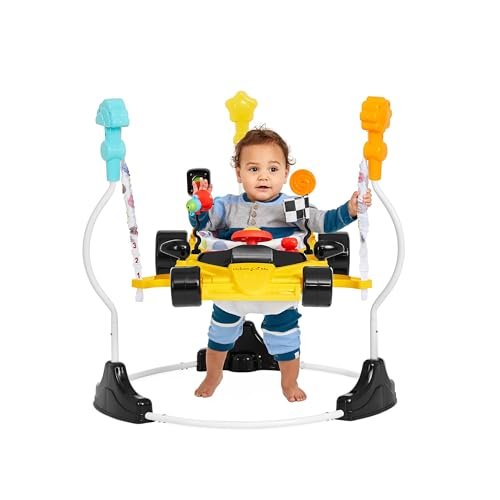
Dream On Me, Champ Activity Center & Jumper, Yellow
Dream On Me, Champ Activity Center & Jumper, Yellow
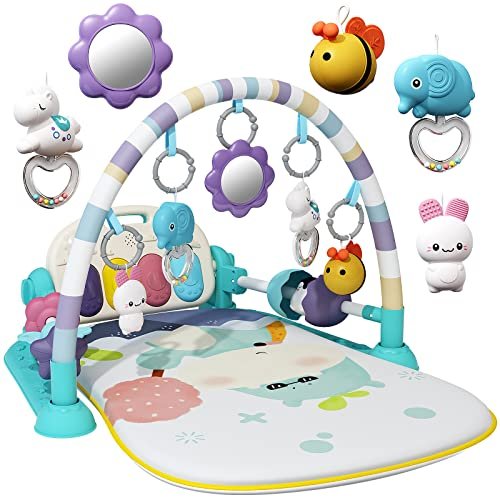
Baby Gym With Kick and Play Piano, Activity Mat for Tummy Time With 5 Infant Learning Sensory, Music and Lights for Newborn Boy or Girl (Green)
Baby Gym With Kick and Play Piano, Activity Mat for Tummy Time With 5 Infant Learning Sensory, Music and Lights for Newborn Boy or Girl (Green)
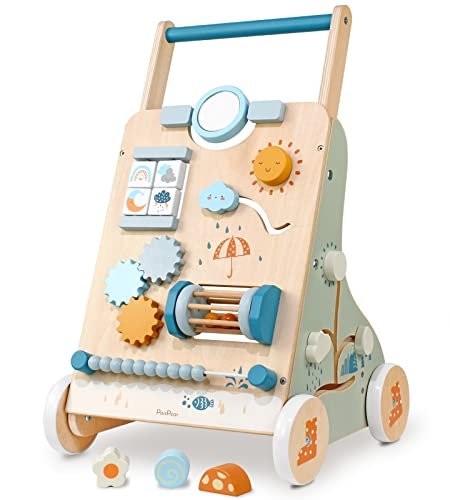
PairPear Wooden Baby Walker, Baby Push Walker, Montessori Walker Toy with Activity Center for Girls Boys, Adjustable Speed Baby Walker for Kids Development
PairPear Wooden Baby Walker, Baby Push Walker, Montessori Walker Toy with Activity Center for Girls Boys, Adjustable Speed Baby Walker for Kids Development
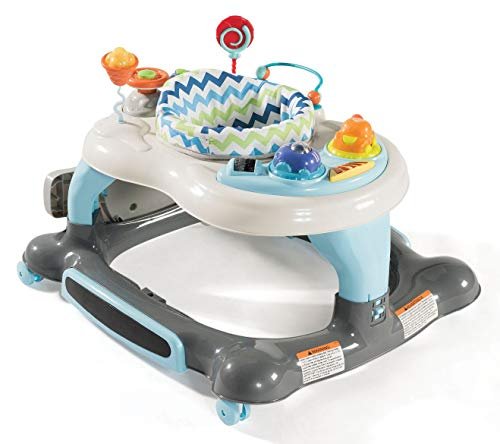
Storkcraft 3-in-1 Activity Walker and Rocker with Jumping Board Feeding Tray, Interactive Toy Tray for Toddlers Infants, Blue/Gray
Storkcraft 3-in-1 Activity Walker and Rocker with Jumping Board Feeding Tray, Interactive Toy Tray for Toddlers Infants, Blue/Gray
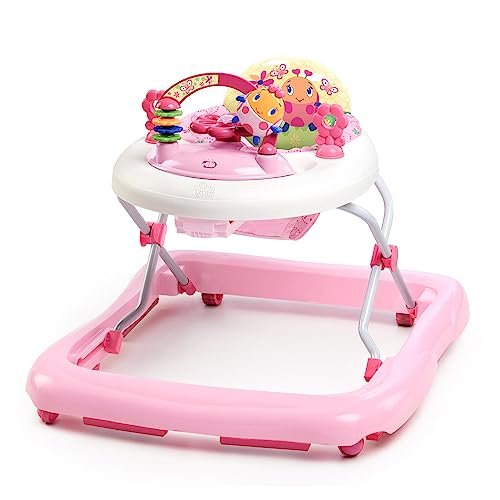
Bright Starts JuneBerry Walk-A-Bout Baby Walker and Entertainer, Removeable Floor Toy, with Easy Fold Frame for Storage, Ages 6 Months +
Bright Starts JuneBerry Walk-A-Bout Baby Walker and Entertainer, Removeable Floor Toy, with Easy Fold Frame for Storage, Ages 6 Months +
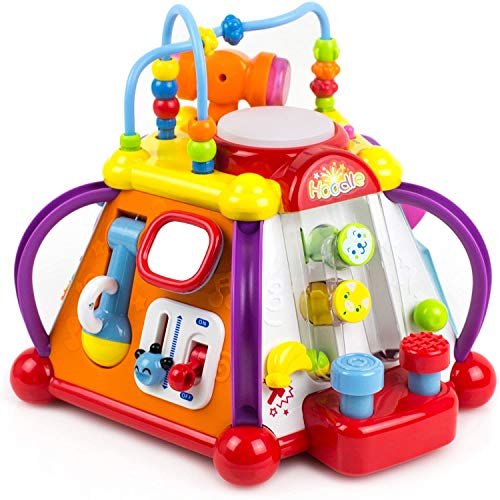
Toysery Baby Activity Center – Toddler Kids Learning & Skill Development Cube with Lights & Music. Enhance Skill Development with a 15 in 1 Game Functions Toy
Toysery Baby Activity Center – Toddler Kids Learning & Skill Development Cube with Lights & Music. Enhance Skill Development with a 15 in 1 Game Functions Toy

ANGELBLISS 5 in 1 Baby Play Gym Mat, Reversible Tummy Time Mat with 5 Sensory Toys for Stage-Based Developmental, Thick & Large Baby Activity Center from Newborn to Toddler (Pink)
ANGELBLISS 5 in 1 Baby Play Gym Mat, Reversible Tummy Time Mat with 5 Sensory Toys for Stage-Based Developmental, Thick & Large Baby Activity Center from Newborn to Toddler (Pink)