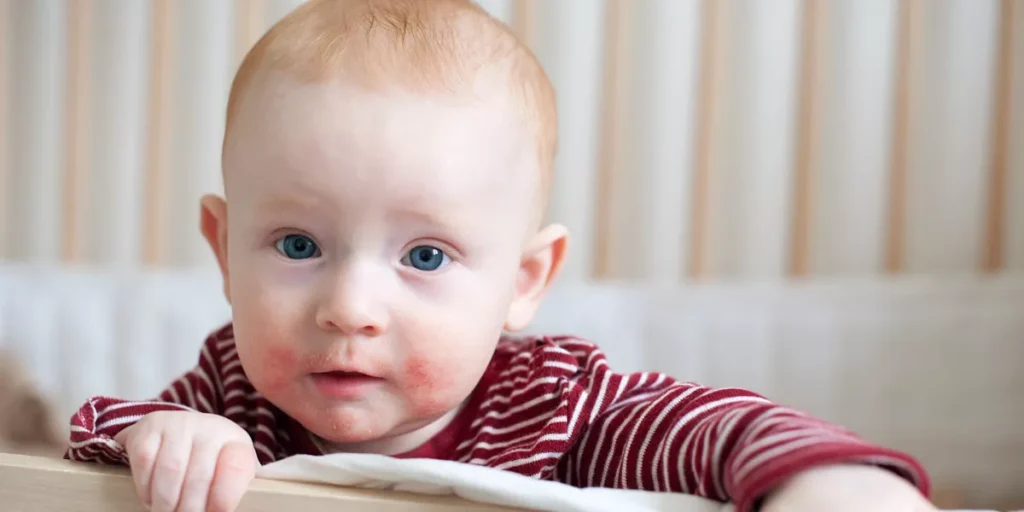
Managing Allergies in Babies: A Practical Guide for Parents
Bringing a new baby into the world comes with countless joys, but it also introduces new responsibilities—especially when it comes to protecting your child's health. One concern that many parents face during infancy is the possibility of allergies. Whether related to food, environmental triggers, or other substances, allergic reactions can be confusing and sometimes frightening when they first appear.
The good news is that most parents can successfully manage allergies with the right knowledge, careful observation, and support from healthcare professionals. Understanding common allergens, recognizing symptoms early, and creating a safe environment can help reduce the risk of serious reactions and improve your baby's comfort.
Because babies cannot tell us how they feel, parents often become detectives, looking for clues that something may not be right. A rash after a meal, ongoing digestive discomfort, or unexpected breathing difficulties can all signal that an allergen may be involved.
This guide will help you understand how allergies affect babies, what warning signs to watch for, and practical strategies to reduce exposure and keep your child safe.
Understanding Allergies in Babies
An allergy occurs when the body's immune system mistakenly identifies a normally harmless substance as a threat. In response, the immune system releases chemicals that can trigger a range of symptoms affecting the skin, digestive system, or respiratory tract.
While some allergies may develop later in childhood, others can appear during infancy. Family history may increase the likelihood of allergies, but even babies without a family history can develop allergic sensitivities.
It's important to remember that not every rash, upset stomach, or sneeze is caused by an allergy. However, recurring symptoms that consistently appear after exposure to certain foods or environmental triggers deserve attention.
Common Allergens That Affect Babies
Understanding the most common allergens can help parents identify potential triggers more quickly.
Food Allergens
Food allergies are among the most common concerns during infancy, particularly as babies begin exploring solid foods.
Common food allergens include:
- Peanuts
- Tree nuts
- Eggs
- Cow's milk
- Soy
- Wheat
- Fish
- Shellfish
Many babies tolerate these foods without any problems, but introducing new foods carefully allows parents to monitor for reactions.
Environmental Allergens
Not all allergies are food-related. Environmental triggers can also cause symptoms in some babies.
Common environmental allergens include:
- Pet dander
- Dust mites
- Mold
- Pollen
- Cigarette smoke and other airborne irritants
While environmental allergies are more commonly diagnosed in older children, some infants may show sensitivity to these triggers early on.
Skin and Contact Allergens
Certain skincare products, detergents, fragrances, and fabrics may irritate sensitive skin or contribute to allergic reactions.
Products labeled for sensitive or fragrance-free use are often preferred for babies with delicate skin.
Signs and Symptoms of Allergies in Babies
Because babies cannot communicate their symptoms verbally, parents must rely on physical and behavioral clues.
Skin Reactions
Skin symptoms are often among the first noticeable signs of an allergic reaction.
These may include:
- Redness
- Hives
- Itchy patches
- Eczema flare-ups
- Swelling around the face or mouth
A rash that repeatedly appears after exposure to a specific food or product should be discussed with a healthcare provider.
Digestive Symptoms
Food allergies frequently affect the digestive system.
Possible symptoms include:
- Vomiting
- Diarrhea
- Excessive gas
- Stomach discomfort
- Unusual fussiness after feeding
While digestive symptoms can have many causes, recurring issues linked to specific foods may indicate an allergy or sensitivity.
Respiratory Symptoms
Some allergic reactions affect the airways and breathing.
Parents should watch for:
- Persistent coughing
- Wheezing
- Nasal congestion
- Sneezing
- Difficulty breathing
Any breathing difficulty should be treated as a medical emergency and evaluated immediately.
Behavioral Changes
Babies experiencing allergic reactions may become:
- More irritable than usual
- Difficult to soothe
- Restless during sleep
- Less interested in feeding
Although these symptoms can be associated with many infant challenges, patterns often emerge when allergies are involved.
When to Seek Medical Attention
While some allergic reactions are mild, others can become serious very quickly.
Seek immediate medical care if your baby experiences:
- Swelling of the lips, tongue, or throat
- Difficulty breathing
- Severe vomiting
- Loss of consciousness
- Sudden lethargy
- Widespread hives accompanied by breathing symptoms
Prompt medical evaluation is always the safest approach when a severe allergic reaction is suspected.
Allergy Testing and Diagnosis
If your pediatrician suspects allergies, they may recommend additional evaluation.
Medical History Review
The diagnostic process often begins with a detailed review of your baby's symptoms, feeding history, and family medical background.
Keeping a symptom journal can be extremely helpful. Recording foods, reactions, timing, and environmental exposures may reveal important patterns.
Allergy Testing Options
Healthcare professionals may recommend:
Skin Prick Testing
Small amounts of potential allergens are introduced to the skin to observe whether a reaction occurs.
Blood Testing
Blood tests can measure specific antibodies associated with allergic responses.
Elimination Diets
Under medical supervision, certain foods may be temporarily removed and later reintroduced to determine whether they are contributing to symptoms.
Testing decisions should always be guided by qualified healthcare professionals.
Preventing Allergic Reactions
Although allergies cannot always be prevented, there are many ways parents can reduce the risk of reactions.
Introduce Foods Carefully
When introducing new foods, offer one new food at a time and wait several days before introducing another.
This approach makes it easier to identify the source if a reaction occurs.
Maintain a Clean Home Environment
Reducing exposure to environmental allergens can help sensitive babies.
Regularly:
- Wash bedding
- Vacuum carpets and upholstery
- Clean stuffed toys
- Control humidity levels
- Reduce dust accumulation
These simple habits can improve overall indoor air quality.
Be Mindful of Skincare Products
Choose gentle products designed for babies whenever possible.
Fragrance-free lotions, soaps, detergents, and shampoos may help reduce irritation for babies with sensitive skin.
Monitor New Exposures
Whether introducing a new food, pet, laundry detergent, or skincare product, pay close attention to how your baby responds over the following days.
Small observations can provide valuable clues.
Creating an Allergy-Friendly Routine
Managing allergies often becomes easier once parents establish consistent routines.
Meal planning, ingredient checking, and maintaining a symptom journal can all help reduce uncertainty. If your baby has confirmed allergies, make sure caregivers, grandparents, daycare providers, and babysitters understand the triggers and know what symptoms to watch for.
Clear communication helps create a safer environment wherever your child spends time.
Supporting Your Baby's Comfort
Living with allergies can be frustrating for both babies and parents. Skin irritation, digestive discomfort, and disrupted sleep can affect the entire family.
Focus on creating a calm and supportive environment. Follow your healthcare provider's recommendations, stay informed, and remember that many children successfully manage allergies while continuing to grow and thrive.
As your child gets older, you'll gain a better understanding of their specific triggers and how to avoid them effectively.
Conclusion
Managing allergies in babies begins with awareness, observation, and proactive care. By understanding common allergens, recognizing symptoms early, and working closely with healthcare professionals, parents can help reduce the risk of serious reactions while keeping their baby comfortable and healthy.
Every baby is unique, and allergy experiences can vary widely. What matters most is staying attentive to your child's needs, introducing new foods thoughtfully, and creating a safe environment that supports their growth and development. With patience and preparation, parents can confidently navigate the challenges of infant allergies and help their little ones thrive.
Trending Articles
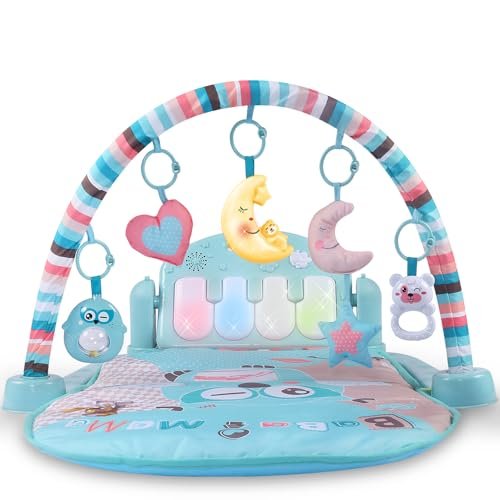
TEMI Baby Gym Toys & Activity Play Mat, Kick and Play Piano Gym Center with Music and Lights, Electronic Learning Toys for Infants, Toddlers, Newborn, Girls and Boys Ages 1 to 36 Months
TEMI Baby Gym Toys & Activity Play Mat, Kick and Play Piano Gym Center with Music and Lights, Electronic Learning Toys for Infants, Toddlers, Newborn, Girls and Boys Ages 1 to 36 Months
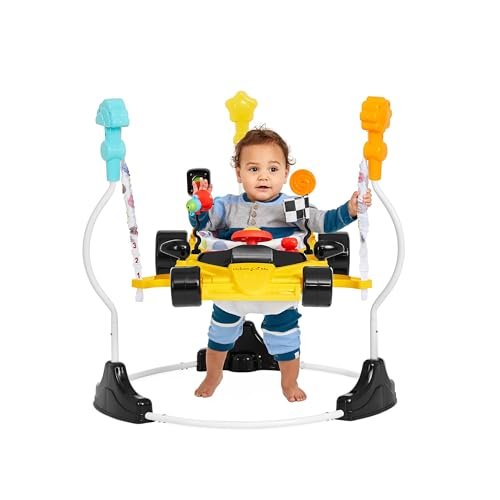
Dream On Me, Champ Activity Center & Jumper, Yellow
Dream On Me, Champ Activity Center & Jumper, Yellow
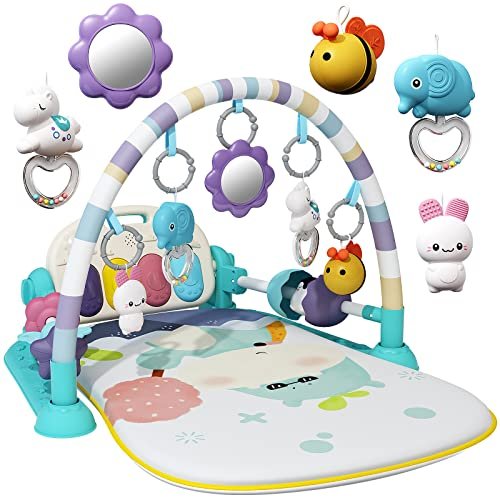
Baby Gym With Kick and Play Piano, Activity Mat for Tummy Time With 5 Infant Learning Sensory, Music and Lights for Newborn Boy or Girl (Green)
Baby Gym With Kick and Play Piano, Activity Mat for Tummy Time With 5 Infant Learning Sensory, Music and Lights for Newborn Boy or Girl (Green)
PairPear Wooden Baby Walker, Baby Push Walker, Montessori Walker Toy with Activity Center for Girls Boys, Adjustable Speed Baby Walker for Kids Development
PairPear Wooden Baby Walker, Baby Push Walker, Montessori Walker Toy with Activity Center for Girls Boys, Adjustable Speed Baby Walker for Kids Development
Storkcraft 3-in-1 Activity Walker and Rocker with Jumping Board Feeding Tray, Interactive Toy Tray for Toddlers Infants, Blue/Gray
Storkcraft 3-in-1 Activity Walker and Rocker with Jumping Board Feeding Tray, Interactive Toy Tray for Toddlers Infants, Blue/Gray
Bright Starts JuneBerry Walk-A-Bout Baby Walker and Entertainer, Removeable Floor Toy, with Easy Fold Frame for Storage, Ages 6 Months +
Bright Starts JuneBerry Walk-A-Bout Baby Walker and Entertainer, Removeable Floor Toy, with Easy Fold Frame for Storage, Ages 6 Months +
Toysery Baby Activity Center – Toddler Kids Learning & Skill Development Cube with Lights & Music. Enhance Skill Development with a 15 in 1 Game Functions Toy
Toysery Baby Activity Center – Toddler Kids Learning & Skill Development Cube with Lights & Music. Enhance Skill Development with a 15 in 1 Game Functions Toy
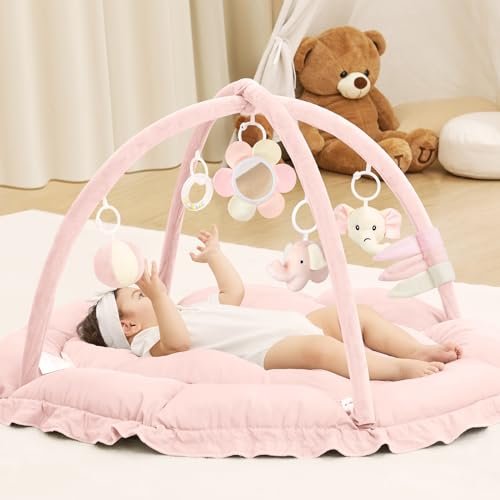
ANGELBLISS 5 in 1 Baby Play Gym Mat, Reversible Tummy Time Mat with 5 Sensory Toys for Stage-Based Developmental, Thick & Large Baby Activity Center from Newborn to Toddler (Pink)
ANGELBLISS 5 in 1 Baby Play Gym Mat, Reversible Tummy Time Mat with 5 Sensory Toys for Stage-Based Developmental, Thick & Large Baby Activity Center from Newborn to Toddler (Pink)