
Fabrics to Avoid in Baby Clothing
A baby’s skin is delicate, sensitive, and far more vulnerable to irritation than adult skin. Because of this, the fabrics used in baby clothing matter much more than many parents realize.
Certain materials can cause discomfort, overheating, allergic reactions, or even safety concerns if they are not suitable for infants. Choosing soft, breathable, and gentle fabrics can help keep your baby comfortable while reducing the risk of skin irritation and other issues.
Here are some of the main fabrics and materials parents may want to avoid when selecting baby clothing.
Harsh Synthetic Fabrics
Synthetic fabrics are commonly used in clothing because they are inexpensive and durable, but some of them may not be ideal for babies.
Materials such as:
- Polyester
- Nylon
- Acrylic
- Rayon blends
can sometimes irritate sensitive skin, especially when worn for long periods.
Why Synthetic Fabrics Can Be Problematic
Many synthetic materials are less breathable than natural fabrics. This means they may trap:
- Heat
- Sweat
- Moisture
against your baby’s skin.
This can potentially contribute to:
- Skin irritation
- Overheating
- Rashes
- Discomfort
- Excess sweating
Additionally, some synthetic fabrics may contain dyes, chemical finishes, or treatments that sensitive babies may react to.
Rough or Scratchy Textures
Babies need soft, smooth fabrics that feel comfortable against their skin.
Rough or coarse materials may cause:
- Redness
- Chafing
- Irritation
- Itching
- General discomfort
Fabrics That May Feel Too Rough
Some materials that may feel uncomfortable for babies include:
- Coarse wool
- Stiff polyester blends
- Rough textured knits
- Heavy scratchy fabrics
Even if a garment looks stylish, comfort should always come first for infants and young children.
Be Careful With Wool
While wool can provide warmth during colder seasons, certain wool fabrics may feel too rough for sensitive baby skin.
Some babies may also react to:
- Wool fibers
- Lanolin naturally found in wool
- Friction from textured materials
If using wool clothing or blankets, choose ultra-soft options specifically designed for babies and always monitor for signs of irritation.
Allergenic Fibers & Chemical Treatments
Some fabrics or textile treatments may trigger allergic reactions in sensitive babies.
Potential irritants can include:
- Harsh dyes
- Chemical finishes
- Synthetic fragrances
- Fabric softener residues
- Flame-retardant treatments
Signs of fabric-related irritation may include:
- Red patches
- Dry skin
- Itching
- Small bumps or rashes
- Increased fussiness
Choose Hypoallergenic Options When Possible
Parents of babies with eczema or sensitive skin may benefit from choosing:
- Hypoallergenic fabrics
- Organic cotton
- Bamboo fabrics
- Chemical-free textiles
- Fragrance-free laundry detergents
Gentler materials can help reduce irritation and improve comfort.
Overly Flammable Fabrics
Fabric safety is another important factor that many parents overlook.
Certain synthetic materials are highly flammable and may ignite or melt quickly when exposed to heat or flames.
Fabrics With Higher Flammability Risks
Some highly flammable materials may include:
- Acrylic
- Rayon
- Nylon blends
- Certain polyester fabrics
These materials may burn rapidly or melt onto the skin, increasing the risk of severe burns.
Safer Fabric Choices for Babies
Natural fibers are often considered safer and more breathable for baby clothing.
Popular baby-friendly fabrics include:
- Cotton
- Organic cotton
- Bamboo
- Muslin
- Modal
- Soft breathable blends
These fabrics are generally:
- Softer on sensitive skin
- More breathable
- Better at moisture absorption
- Less likely to trap heat
Why Organic Cotton Is Popular
Organic cotton has become one of the most recommended fabrics for babies because it is:
- Soft and breathable
- Gentle on sensitive skin
- Often produced without harsh pesticides
- Comfortable year-round
- Easy to wash and maintain
Many parents choose organic cotton for everyday baby essentials such as:
- Onesies
- Pajamas
- Sleep sacks
- Blankets
- Bibs
- Hats
Always Check Clothing Labels
Before purchasing baby clothing, take a moment to read the fabric label carefully.
Look for information about:
- Fabric composition
- Flame resistance
- Washing instructions
- Chemical treatments
- Organic certifications
This can help you make more informed choices for your baby’s comfort and safety.
Wash New Clothes Before Use
Even soft fabrics may contain residues from manufacturing, packaging, or transportation.
Washing new baby clothes before use can help remove:
- Dust
- Excess dye
- Chemical residues
- Irritants
Use gentle, fragrance-free detergents whenever possible.
Prioritize Comfort Over Fashion
Cute designs and trendy styles can be tempting, but comfort should always come first when dressing a baby.
Choose clothing that is:
- Soft
- Flexible
- Breathable
- Lightweight
- Non-restrictive
Babies spend much of their time sleeping, crawling, and moving, so comfortable fabrics are essential for daily wear.
Final Thoughts
Choosing the right fabrics for baby clothing can help protect your little one’s sensitive skin while improving comfort and safety. Avoiding rough textures, harsh synthetic materials, allergenic fibers, and overly flammable fabrics can reduce the risk of irritation and discomfort.
Soft, breathable, and natural fabrics are often the safest and most comfortable choice for babies, especially during the early months when their skin is most delicate.
By paying attention to fabric quality and comfort, you can help keep your baby happy, cozy, and protected every day.
Trending Articles
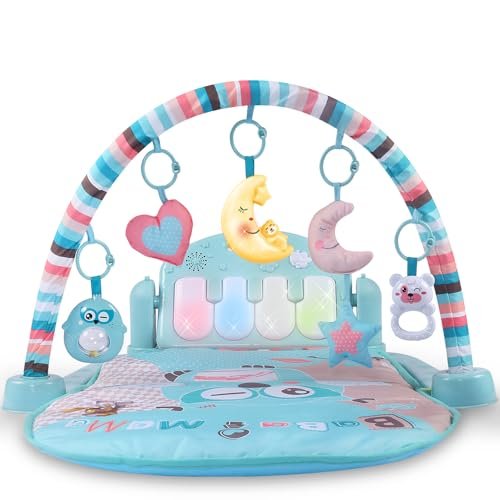
TEMI Baby Gym Toys & Activity Play Mat, Kick and Play Piano Gym Center with Music and Lights, Electronic Learning Toys for Infants, Toddlers, Newborn, Girls and Boys Ages 1 to 36 Months
TEMI Baby Gym Toys & Activity Play Mat, Kick and Play Piano Gym Center with Music and Lights, Electronic Learning Toys for Infants, Toddlers, Newborn, Girls and Boys Ages 1 to 36 Months
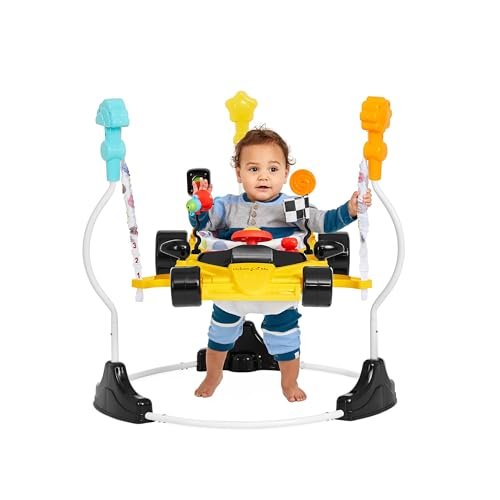
Dream On Me, Champ Activity Center & Jumper, Yellow
Dream On Me, Champ Activity Center & Jumper, Yellow
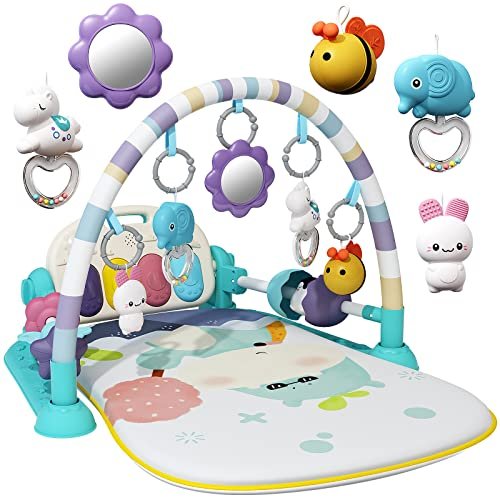
Baby Gym With Kick and Play Piano, Activity Mat for Tummy Time With 5 Infant Learning Sensory, Music and Lights for Newborn Boy or Girl (Green)
Baby Gym With Kick and Play Piano, Activity Mat for Tummy Time With 5 Infant Learning Sensory, Music and Lights for Newborn Boy or Girl (Green)
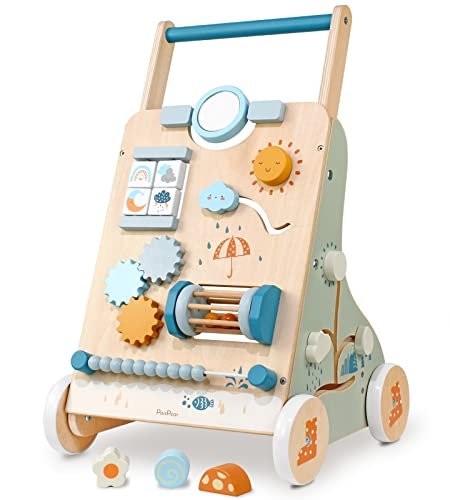
PairPear Wooden Baby Walker, Baby Push Walker, Montessori Walker Toy with Activity Center for Girls Boys, Adjustable Speed Baby Walker for Kids Development
PairPear Wooden Baby Walker, Baby Push Walker, Montessori Walker Toy with Activity Center for Girls Boys, Adjustable Speed Baby Walker for Kids Development
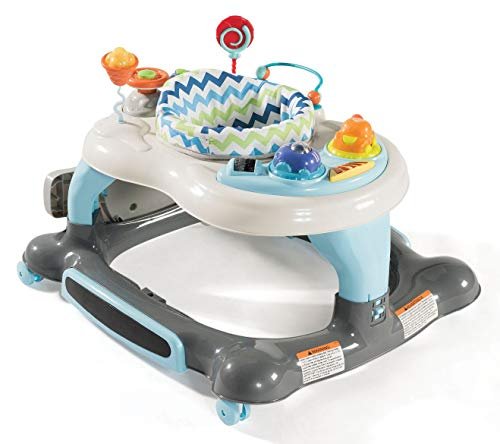
Storkcraft 3-in-1 Activity Walker and Rocker with Jumping Board Feeding Tray, Interactive Toy Tray for Toddlers Infants, Blue/Gray
Storkcraft 3-in-1 Activity Walker and Rocker with Jumping Board Feeding Tray, Interactive Toy Tray for Toddlers Infants, Blue/Gray
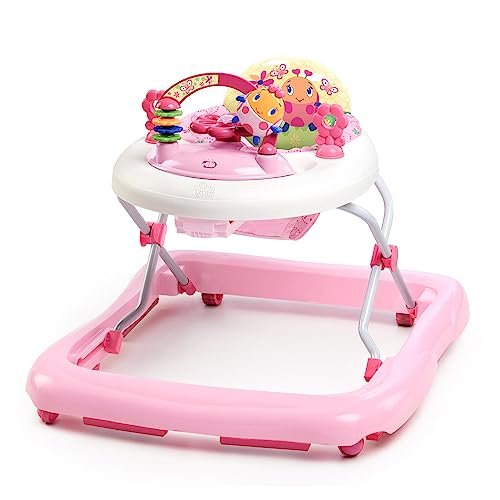
Bright Starts JuneBerry Walk-A-Bout Baby Walker and Entertainer, Removeable Floor Toy, with Easy Fold Frame for Storage, Ages 6 Months +
Bright Starts JuneBerry Walk-A-Bout Baby Walker and Entertainer, Removeable Floor Toy, with Easy Fold Frame for Storage, Ages 6 Months +
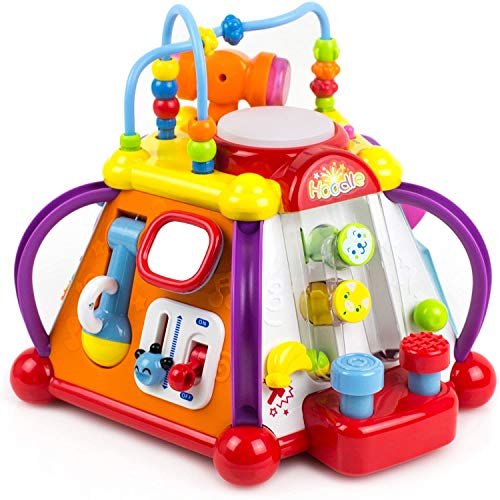
Toysery Baby Activity Center – Toddler Kids Learning & Skill Development Cube with Lights & Music. Enhance Skill Development with a 15 in 1 Game Functions Toy
Toysery Baby Activity Center – Toddler Kids Learning & Skill Development Cube with Lights & Music. Enhance Skill Development with a 15 in 1 Game Functions Toy
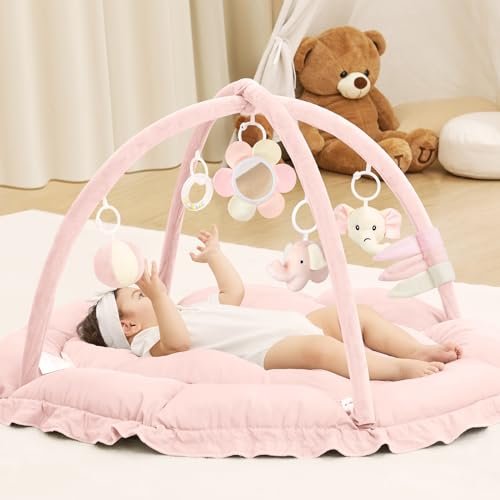
ANGELBLISS 5 in 1 Baby Play Gym Mat, Reversible Tummy Time Mat with 5 Sensory Toys for Stage-Based Developmental, Thick & Large Baby Activity Center from Newborn to Toddler (Pink)
ANGELBLISS 5 in 1 Baby Play Gym Mat, Reversible Tummy Time Mat with 5 Sensory Toys for Stage-Based Developmental, Thick & Large Baby Activity Center from Newborn to Toddler (Pink)