
Best First Foods for Babies: A Parent’s Guide to Starting Solids with Confidence
Introducing solid foods is one of the most exciting milestones in your baby's first year. After months of relying exclusively on breast milk, formula, or a combination of both, your little one is ready to begin exploring new tastes, textures, and nutritional experiences. For many parents, however, this milestone also brings plenty of questions.
What should you offer first? Are homemade foods better than store-bought options? How do you safely introduce common allergens? And perhaps most importantly, how can you ensure your baby receives the nutrients they need during this important stage of growth and development?
The good news is that introducing solids doesn't have to be complicated. By focusing on nutrient-rich foods, paying attention to your baby's readiness cues, and creating positive mealtime experiences, you can help lay the foundation for healthy eating habits that may benefit your child for years to come.
This guide explores some of the best first foods for babies and offers practical tips to help parents navigate this exciting transition with confidence.
When Is Your Baby Ready for Solid Foods?
Before choosing first foods, it's important to make sure your baby is developmentally ready.
Many babies show signs of readiness around six months of age, although every child develops at their own pace. Rather than focusing solely on age, look for developmental cues that indicate your baby may be prepared to begin exploring solids.
Common readiness signs include:
- Sitting with minimal support
- Good head and neck control
- Showing interest in family meals
- Reaching for food
- Opening their mouth when food is offered
- Reduced tongue-thrust reflex
It's important to remember that solid foods complement breast milk or formula during the first year rather than replace them. Milk remains a primary source of nutrition while your baby gradually learns to eat a variety of foods.
Why Nutrient-Dense Foods Matter
The foods offered during infancy provide more than calories. They introduce essential vitamins, minerals, healthy fats, protein, and other nutrients needed to support rapid growth and development.
Because babies have small stomachs, every bite should ideally deliver meaningful nutritional value. Choosing nutrient-rich foods can help support healthy growth while encouraging positive eating habits from an early age.
Variety also plays an important role. Offering a wide range of foods helps expose babies to different flavors and textures, which may contribute to more adventurous eating as they grow.
Nutrient-Rich Fruits for First Foods
Fruits are often among the first foods parents introduce because they are naturally soft, easy to prepare, and packed with vitamins.
Bananas
Bananas are a popular first food for good reason. Their naturally creamy texture makes them easy to mash, and they contain important nutrients such as potassium and vitamin B6.
Many babies enjoy their mild sweetness, making bananas a convenient option for early feeding experiences.
Avocados
Avocados provide healthy fats that support brain development and overall growth. Their smooth texture requires little preparation and makes them ideal for babies just beginning solids.
Because they are rich in nutrients and naturally soft, avocados are often recommended as one of the best first foods for infants.
Pears and Apples
Cooked and pureed pears or apples offer natural sweetness along with fiber and important vitamins. These fruits can be introduced individually before combining them with other foods as your baby becomes more comfortable with solids.
Peaches and Mangoes
As your baby progresses, soft fruits such as peaches and mangoes can provide additional variety while introducing new flavors and textures.
Vegetables That Make Excellent First Foods
Vegetables offer important vitamins, minerals, and antioxidants that contribute to healthy development.
Sweet Potatoes
Sweet potatoes are rich in beta-carotene, which the body converts into vitamin A. Their naturally smooth texture and mild flavor make them a favorite among parents and babies alike.
Carrots
Cooked and pureed carrots are another nutrient-rich option. Their bright color and gentle sweetness often appeal to babies who are learning to enjoy vegetables.
Peas
Peas provide fiber, vitamins, and plant-based protein. When cooked and blended, they create a smooth puree suitable for early feeding stages.
Spinach and Other Leafy Greens
Leafy greens contain valuable nutrients, including iron and folate. Mixing small amounts into familiar foods can help introduce these flavors gradually.
Introducing Easy-to-Digest Grains
Grains can provide energy and additional nutrients while helping babies experience new textures.
Oatmeal
Baby oatmeal is often preferred over rice cereal due to its nutritional profile and fiber content. It can be mixed with breast milk or formula to create a familiar taste and consistency.
Whole Grain Cereals
Iron-fortified whole grain cereals can help support healthy development while introducing new textures and flavors.
Quinoa
As babies gain experience with solids, cooked and blended quinoa can provide protein, fiber, and important minerals.
Protein-Rich Foods for Growing Babies
Protein plays an important role in growth, muscle development, and overall health.
Beans and Lentils
Soft-cooked lentils, black beans, and chickpeas are excellent plant-based protein sources. When mashed or pureed, they become easy for babies to eat.
Chicken and Turkey
Finely pureed poultry provides protein as well as nutrients such as iron and zinc, which become increasingly important during infancy.
Eggs
Eggs are nutrient-dense and versatile. They provide protein, healthy fats, and important vitamins that support growth and development.
Greek Yogurt
Plain, unsweetened Greek yogurt offers protein and calcium while introducing a creamy texture many babies enjoy.
How to Introduce Common Food Allergens
Research has evolved significantly regarding food allergies.
Current guidance generally supports introducing common allergens during infancy rather than delaying them unnecessarily, unless advised otherwise by a healthcare professional.
Common Allergens Include:
- Peanuts
- Eggs
- Dairy
- Soy
- Wheat
- Fish
- Shellfish
- Tree nuts
Introduce One New Food at a Time
Offering a single new food every few days allows parents to monitor for possible reactions.
Watch for signs such as:
- Skin rashes
- Hives
- Vomiting
- Swelling
- Difficulty breathing
Any severe symptoms require immediate medical attention.
Consult Your Pediatrician
Families with a history of allergies may benefit from discussing allergen introduction with their pediatrician before starting.
Homemade Baby Food vs. Store-Bought Baby Food
One of the most common questions new parents ask is whether homemade baby food is better than store-bought alternatives.
The answer often depends on your family's preferences, schedule, and budget.
Benefits of Homemade Baby Food
Homemade baby food offers complete control over ingredients.
Parents can:
- Choose fresh produce
- Avoid unnecessary additives
- Customize textures
- Experiment with flavor combinations
Many families appreciate knowing exactly what goes into each meal.
Benefits of Store-Bought Baby Food
Store-bought options offer convenience and consistency.
Modern baby food products often undergo rigorous safety testing and provide balanced nutrition. For busy families, they can be a practical solution without sacrificing quality.
Combining Both Approaches
Many parents find success using a combination of homemade and store-bought foods. This flexible approach allows families to enjoy the benefits of both convenience and customization.
Tips for Creating Positive Mealtime Experiences
Starting solids is about more than nutrition. It's also an opportunity to help babies build a healthy relationship with food.
Follow Your Baby's Lead
Babies naturally regulate their appetite. Pay attention to signs of hunger and fullness rather than encouraging them to finish every bite.
Expect Some Mess
Food exploration is part of learning. Touching, squishing, and playing with food helps babies become comfortable with new textures.
Stay Patient
It can take multiple exposures before a baby accepts a new food. Repeated gentle introductions often help build familiarity over time.
Eat Together When Possible
Family meals provide valuable opportunities for babies to observe eating behaviors and become part of shared routines.
Common Mistakes to Avoid
Parents often worry about getting everything perfect, but a few simple guidelines can help.
Try to avoid:
- Introducing too many new foods at once
- Adding sugar or salt to baby foods
- Pressuring your baby to eat
- Relying on the same foods every day
- Ignoring hunger and fullness cues
Keeping mealtimes relaxed and positive encourages healthy eating habits.
Final Thoughts
Introducing solids is an exciting milestone that marks the beginning of your baby's lifelong relationship with food. By focusing on nutrient-rich fruits, vegetables, grains, proteins, and a thoughtful allergen introduction strategy, you can provide a strong nutritional foundation while helping your child explore new flavors and textures.
Whether you choose homemade baby food, store-bought options, or a combination of both, the goal remains the same: offering safe, nutritious foods in a positive and supportive environment. With patience, flexibility, and a willingness to follow your baby's cues, mealtimes can become enjoyable opportunities for learning, growth, and family connection.
Remember, every baby develops at their own pace. Trust the process, celebrate the small milestones, and enjoy watching your little one discover the wonderful world of food.
Trending Articles
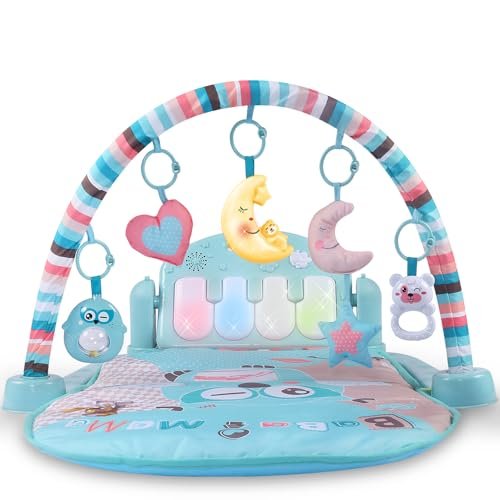
TEMI Baby Gym Toys & Activity Play Mat, Kick and Play Piano Gym Center with Music and Lights, Electronic Learning Toys for Infants, Toddlers, Newborn, Girls and Boys Ages 1 to 36 Months
TEMI Baby Gym Toys & Activity Play Mat, Kick and Play Piano Gym Center with Music and Lights, Electronic Learning Toys for Infants, Toddlers, Newborn, Girls and Boys Ages 1 to 36 Months
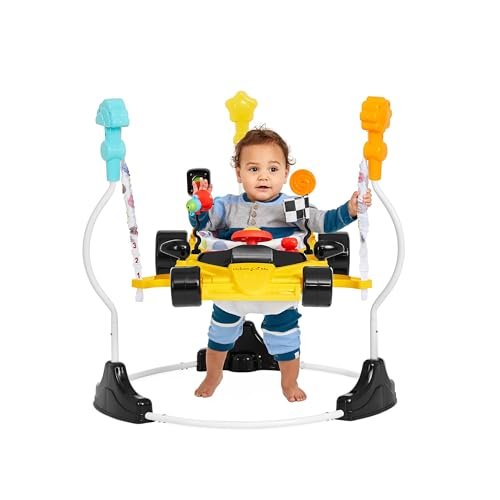
Dream On Me, Champ Activity Center & Jumper, Yellow
Dream On Me, Champ Activity Center & Jumper, Yellow
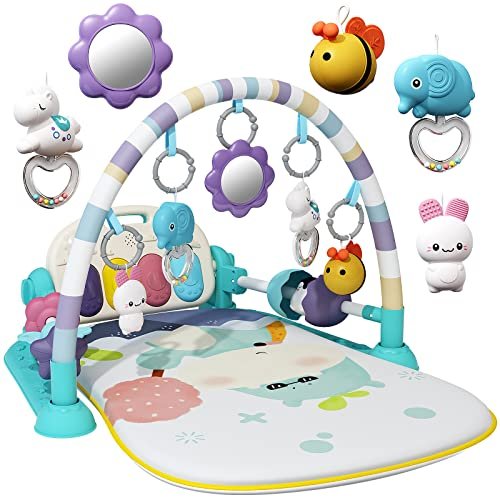
Baby Gym With Kick and Play Piano, Activity Mat for Tummy Time With 5 Infant Learning Sensory, Music and Lights for Newborn Boy or Girl (Green)
Baby Gym With Kick and Play Piano, Activity Mat for Tummy Time With 5 Infant Learning Sensory, Music and Lights for Newborn Boy or Girl (Green)
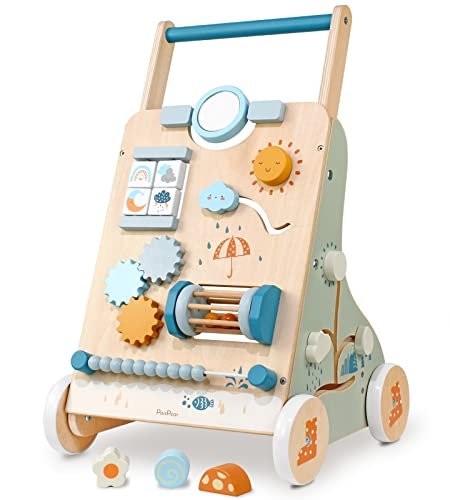
PairPear Wooden Baby Walker, Baby Push Walker, Montessori Walker Toy with Activity Center for Girls Boys, Adjustable Speed Baby Walker for Kids Development
PairPear Wooden Baby Walker, Baby Push Walker, Montessori Walker Toy with Activity Center for Girls Boys, Adjustable Speed Baby Walker for Kids Development
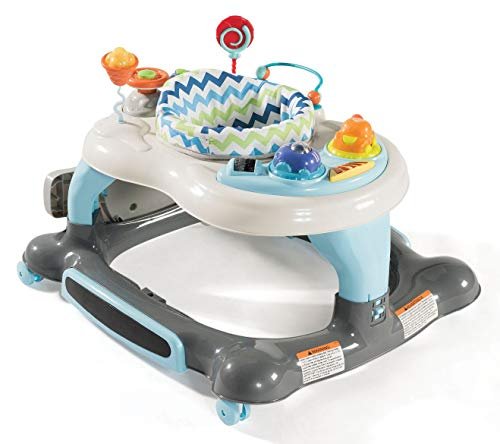
Storkcraft 3-in-1 Activity Walker and Rocker with Jumping Board Feeding Tray, Interactive Toy Tray for Toddlers Infants, Blue/Gray
Storkcraft 3-in-1 Activity Walker and Rocker with Jumping Board Feeding Tray, Interactive Toy Tray for Toddlers Infants, Blue/Gray
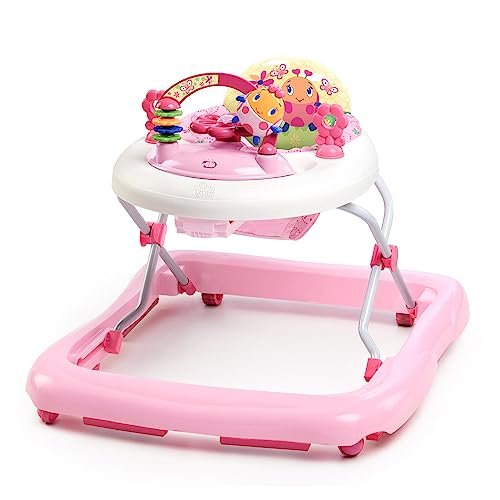
Bright Starts JuneBerry Walk-A-Bout Baby Walker and Entertainer, Removeable Floor Toy, with Easy Fold Frame for Storage, Ages 6 Months +
Bright Starts JuneBerry Walk-A-Bout Baby Walker and Entertainer, Removeable Floor Toy, with Easy Fold Frame for Storage, Ages 6 Months +
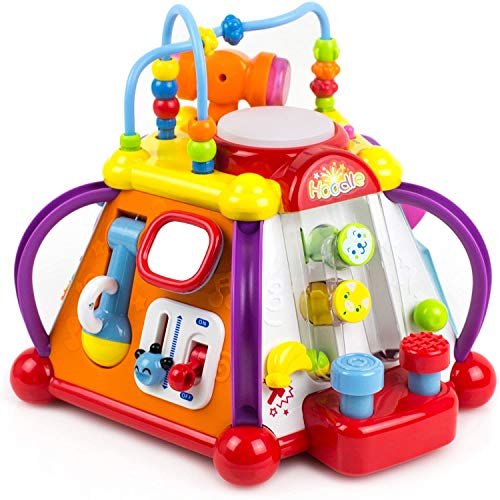
Toysery Baby Activity Center – Toddler Kids Learning & Skill Development Cube with Lights & Music. Enhance Skill Development with a 15 in 1 Game Functions Toy
Toysery Baby Activity Center – Toddler Kids Learning & Skill Development Cube with Lights & Music. Enhance Skill Development with a 15 in 1 Game Functions Toy

ANGELBLISS 5 in 1 Baby Play Gym Mat, Reversible Tummy Time Mat with 5 Sensory Toys for Stage-Based Developmental, Thick & Large Baby Activity Center from Newborn to Toddler (Pink)
ANGELBLISS 5 in 1 Baby Play Gym Mat, Reversible Tummy Time Mat with 5 Sensory Toys for Stage-Based Developmental, Thick & Large Baby Activity Center from Newborn to Toddler (Pink)