
Common Pregnancy Symptoms and How to Handle Them
Pregnancy is an exciting and life-changing journey, but it also brings many physical and emotional changes. As your body works to support your growing baby, you may experience a wide range of symptoms — some mild, some challenging, and many completely normal.
Every pregnancy is unique, which means symptoms can vary greatly from person to person. Understanding common pregnancy symptoms and learning how to manage them can help you feel more prepared, comfortable, and confident throughout your pregnancy journey.
Here are some of the most common pregnancy symptoms and practical ways to handle them.
Early Signs of Pregnancy
Pregnancy symptoms often begin very early, sometimes even before a missed period.
Hormonal changes in the body can trigger noticeable physical and emotional symptoms during the first trimester.
Missed Period
One of the earliest and most common signs of pregnancy is a missed menstrual period.
While missed periods can occur for other reasons, pregnancy is often the first possibility many women consider.
If you suspect pregnancy, taking a home pregnancy test and scheduling an appointment with your healthcare provider can help confirm it.
Fatigue & Exhaustion
Pregnancy fatigue is extremely common, especially during the first and third trimesters.
Your body is working hard to:
- Support fetal development
- Increase blood volume
- Produce pregnancy hormones
- Build the placenta
All of this requires significant energy.
How to Manage Pregnancy Fatigue
Helpful fatigue management strategies may include:
- Prioritizing rest
- Taking short naps
- Staying hydrated
- Eating balanced meals
- Asking for help when needed
- Maintaining light physical activity
Listening to your body and slowing down when necessary is important during pregnancy.
Breast Tenderness
Hormonal changes can cause breasts to become:
- Tender
- Swollen
- Sensitive
- Heavier than usual
These changes are often among the earliest pregnancy symptoms.
Wearing supportive and comfortable bras may help reduce discomfort.
Frequent Urination
As pregnancy progresses, hormonal changes and the growing uterus may increase pressure on the bladder.
This can lead to more frequent trips to the bathroom, especially during the first and third trimesters.
Stay Hydrated Anyway
Although frequent urination can feel inconvenient, hydration remains extremely important during pregnancy.
Proper hydration supports:
- Blood circulation
- Amniotic fluid levels
- Digestion
- Energy levels
Avoid reducing water intake unless advised by your healthcare provider.
Morning Sickness
Nausea and vomiting — commonly called morning sickness — affect many pregnant women, especially during early pregnancy.
Despite the name, morning sickness can happen at any time of day.
Tips for Managing Morning Sickness
Helpful strategies may include:
- Eating small, frequent meals
- Avoiding strong odors
- Eating bland foods
- Keeping crackers nearby
- Staying hydrated
- Resting regularly
Some women also find relief through ginger products such as ginger tea or ginger candies.
Foods That May Help
Simple foods that are often easier to tolerate include:
- Crackers
- Toast
- Rice
- Bananas
- Applesauce
- Plain pasta
Avoiding greasy or heavily spiced foods may also help reduce nausea.
Mood Swings & Emotional Changes
Pregnancy hormones can affect emotions and mood significantly.
You may experience:
- Irritability
- Emotional sensitivity
- Anxiety
- Sudden mood changes
These emotional shifts are common and often temporary.
Support Your Mental Well-Being
Helpful emotional support strategies may include:
- Talking with loved ones
- Practicing relaxation techniques
- Getting adequate rest
- Joining pregnancy support groups
- Seeking professional support if needed
Mental and emotional health are important parts of prenatal care.
Pregnancy Aches & Pains
As your body changes to accommodate your growing baby, physical discomfort can become more noticeable.
Back Pain
Back pain is one of the most common pregnancy complaints.
Changes in posture, weight distribution, and hormone-related ligament relaxation can all contribute to discomfort.
Ways to Reduce Back Pain
Helpful strategies may include:
- Maintaining good posture
- Wearing supportive shoes
- Using pregnancy pillows
- Avoiding heavy lifting
- Gentle stretching
- Prenatal yoga
- Warm baths
Always consult your healthcare provider before starting new exercise routines.
Pelvic Pressure & Pain
As pregnancy progresses, pressure in the pelvic region may increase.
This can happen as:
- Ligaments stretch
- The uterus expands
- The baby grows larger
Resting, changing positions, and avoiding excessive standing may help reduce discomfort.
Leg Cramps
Many pregnant women experience leg cramps, especially during the second and third trimesters.
These cramps often occur at night and may be related to circulation or muscle fatigue.
Managing Leg Cramps
Helpful strategies include:
- Gentle stretching
- Staying hydrated
- Light physical activity
- Magnesium-rich foods
- Elevating the legs
Massaging the affected muscles may also help relieve cramps.
Heartburn & Digestive Changes
Pregnancy hormones can slow digestion and relax muscles in the digestive tract, contributing to heartburn and bloating.
Reduce Heartburn Naturally
You may find relief by:
- Eating smaller meals
- Avoiding spicy or greasy foods
- Remaining upright after eating
- Avoiding late-night meals
- Sleeping with your head slightly elevated
Consult your healthcare provider before using medications during pregnancy.
Food Cravings & Aversions
Many pregnant women experience strong food cravings or sudden aversions to certain smells and foods.
Hormonal changes may influence appetite and sensory sensitivity.
Balance Cravings With Nutrition
While occasional cravings are normal, maintaining balanced nutrition remains important.
Focus on including:
- Fruits
- Vegetables
- Lean proteins
- Whole grains
- Healthy fats
- Calcium-rich foods
A balanced diet supports both maternal and fetal health.
Sleep Difficulties
Pregnancy can affect sleep due to discomfort, hormonal changes, frequent urination, or anxiety.
Improve Pregnancy Sleep
Helpful sleep tips may include:
- Using pregnancy pillows
- Sleeping on your side
- Keeping a consistent bedtime
- Avoiding heavy meals before bed
- Practicing relaxation techniques
Comfortable sleep positions can become increasingly important as pregnancy progresses.
Stay Active Safely
Light to moderate exercise during pregnancy may help improve:
- Energy
- Circulation
- Sleep quality
- Mood
- Muscle strength
Safe pregnancy activities often include:
- Walking
- Swimming
- Prenatal yoga
- Stretching
Always discuss exercise plans with your healthcare provider.
Know When to Contact Your Doctor
While many pregnancy symptoms are normal, some symptoms require immediate medical attention.
Contact your healthcare provider if you experience:
- Severe abdominal pain
- Heavy bleeding
- Severe headaches
- Vision changes
- Fever
- Decreased fetal movement
- Difficulty breathing
Prompt medical care is important when concerning symptoms arise.
Final Thoughts
Pregnancy brings many physical and emotional changes, and experiencing symptoms throughout the journey is completely normal. Understanding common pregnancy symptoms and learning practical ways to manage them can help make pregnancy more comfortable and less overwhelming.
Remember that every pregnancy is different. What works for one person may not work for another, so it’s important to listen to your body, prioritize rest, and seek medical guidance whenever needed.
With proper care, support, and preparation, you can navigate pregnancy with greater confidence and comfort while supporting both your health and your baby’s development.
Trending Articles
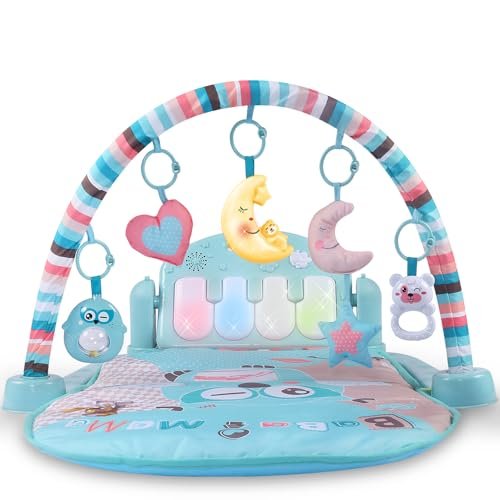
TEMI Baby Gym Toys & Activity Play Mat, Kick and Play Piano Gym Center with Music and Lights, Electronic Learning Toys for Infants, Toddlers, Newborn, Girls and Boys Ages 1 to 36 Months
TEMI Baby Gym Toys & Activity Play Mat, Kick and Play Piano Gym Center with Music and Lights, Electronic Learning Toys for Infants, Toddlers, Newborn, Girls and Boys Ages 1 to 36 Months
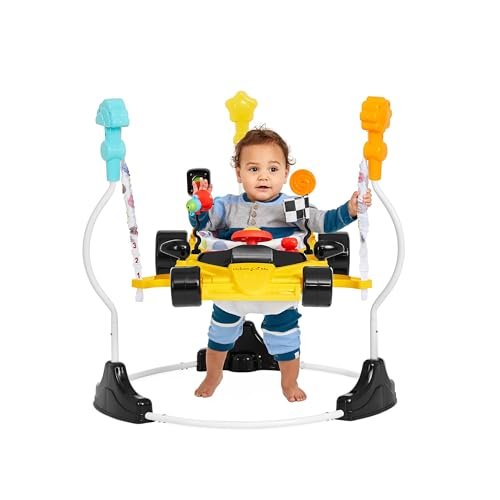
Dream On Me, Champ Activity Center & Jumper, Yellow
Dream On Me, Champ Activity Center & Jumper, Yellow
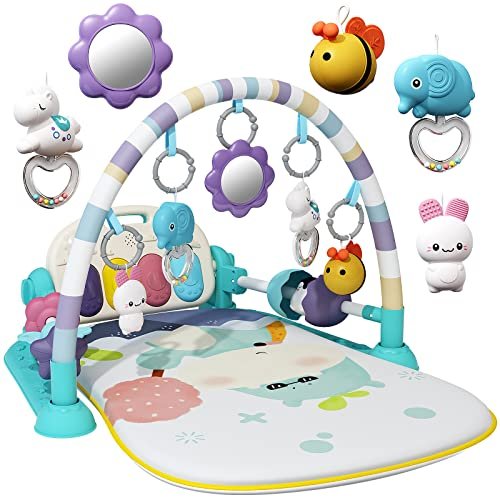
Baby Gym With Kick and Play Piano, Activity Mat for Tummy Time With 5 Infant Learning Sensory, Music and Lights for Newborn Boy or Girl (Green)
Baby Gym With Kick and Play Piano, Activity Mat for Tummy Time With 5 Infant Learning Sensory, Music and Lights for Newborn Boy or Girl (Green)
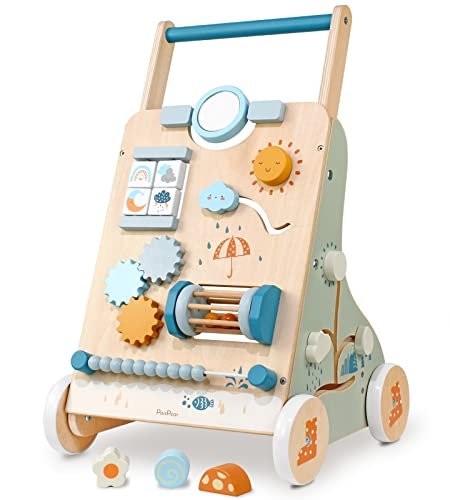
PairPear Wooden Baby Walker, Baby Push Walker, Montessori Walker Toy with Activity Center for Girls Boys, Adjustable Speed Baby Walker for Kids Development
PairPear Wooden Baby Walker, Baby Push Walker, Montessori Walker Toy with Activity Center for Girls Boys, Adjustable Speed Baby Walker for Kids Development
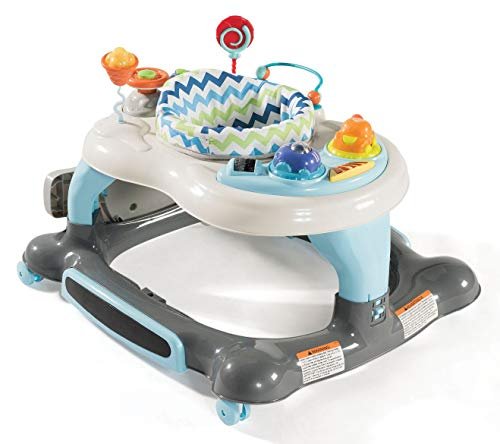
Storkcraft 3-in-1 Activity Walker and Rocker with Jumping Board Feeding Tray, Interactive Toy Tray for Toddlers Infants, Blue/Gray
Storkcraft 3-in-1 Activity Walker and Rocker with Jumping Board Feeding Tray, Interactive Toy Tray for Toddlers Infants, Blue/Gray
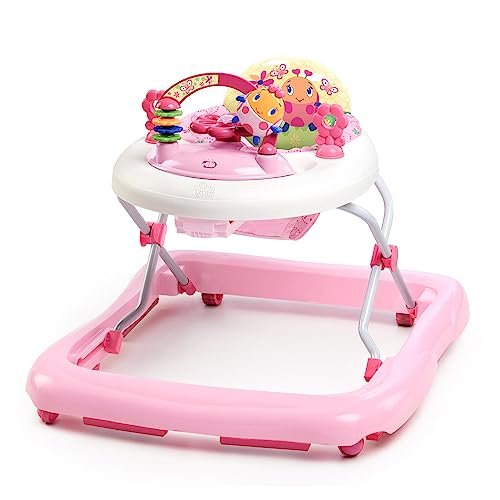
Bright Starts JuneBerry Walk-A-Bout Baby Walker and Entertainer, Removeable Floor Toy, with Easy Fold Frame for Storage, Ages 6 Months +
Bright Starts JuneBerry Walk-A-Bout Baby Walker and Entertainer, Removeable Floor Toy, with Easy Fold Frame for Storage, Ages 6 Months +
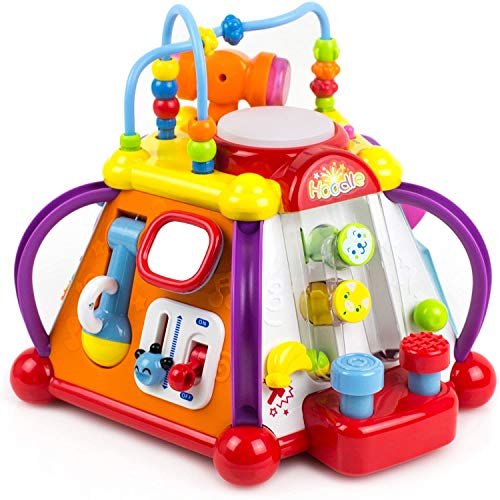
Toysery Baby Activity Center – Toddler Kids Learning & Skill Development Cube with Lights & Music. Enhance Skill Development with a 15 in 1 Game Functions Toy
Toysery Baby Activity Center – Toddler Kids Learning & Skill Development Cube with Lights & Music. Enhance Skill Development with a 15 in 1 Game Functions Toy

ANGELBLISS 5 in 1 Baby Play Gym Mat, Reversible Tummy Time Mat with 5 Sensory Toys for Stage-Based Developmental, Thick & Large Baby Activity Center from Newborn to Toddler (Pink)
ANGELBLISS 5 in 1 Baby Play Gym Mat, Reversible Tummy Time Mat with 5 Sensory Toys for Stage-Based Developmental, Thick & Large Baby Activity Center from Newborn to Toddler (Pink)