
Safe Sleep Practices for Babies
Creating a safe sleep environment is one of the most important ways to protect your baby’s health and well-being. Safe sleep habits can significantly reduce the risk of sleep-related accidents and conditions such as Sudden Infant Death Syndrome (SIDS). While newborn sleep can feel overwhelming for parents, following a few essential guidelines can help create a safer and more comfortable sleeping space for your little one.
Understanding safe sleep practices allows parents to feel more confident while helping babies rest safely through the night.
Always Place Your Baby on Their Back
One of the most important safe sleep recommendations is placing your baby on their back for every sleep.
This includes:
- Nighttime sleep
- Naps
- Short sleep periods
- Supervised resting times
Back sleeping significantly lowers the risk of SIDS and helps keep your baby’s airway open during sleep.
Why Back Sleeping Matters
Research has shown that babies who sleep on their backs are less likely to experience dangerous breathing problems during sleep.
The “Back to Sleep” recommendation has helped reduce SIDS rates worldwide and remains one of the most important infant sleep safety practices.
Use a Firm Mattress
A firm sleep surface is essential for safe infant sleep.
Babies should sleep on:
- A firm crib mattress
- A bassinet mattress
- A properly fitted sleep surface
Soft surfaces can increase the risk of suffocation or accidental airway obstruction.
Avoid Soft Sleep Surfaces
Do not place your baby to sleep on:
- Sofas
- Adult beds
- Cushions
- Bean bags
- Soft mattresses
- Pillows
These surfaces may conform around your baby’s face and make breathing difficult.
Ensure the Mattress Fits Properly
The mattress should fit snugly inside the crib or bassinet without gaps around the edges.
Loose spaces between the mattress and crib frame can create entrapment hazards for babies.
Keep the Crib Free of Loose Bedding
A bare sleep space is one of the safest environments for babies.
Avoid placing loose items inside the crib.
Items to Avoid in the Crib
Keep the sleeping area free from:
- Blankets
- Pillows
- Stuffed animals
- Positioners
- Loose sheets
- Bumper pads
These items may increase the risk of suffocation or overheating.
Use Fitted Sheets Only
The safest crib setup typically includes:
- A firm mattress
- A tightly fitted crib sheet
and nothing else inside the crib.
Choose Safe Sleep Clothing
Instead of loose blankets, consider using wearable sleep options.
Safe alternatives include:
- Sleep sacks
- Wearable blankets
- Lightweight footed pajamas
These options help keep babies warm without introducing loose bedding hazards.
Practice Room Sharing
Room sharing can help improve infant sleep safety during the first months of life.
What Is Room Sharing?
Room sharing means your baby sleeps in your room but on a separate sleep surface such as:
- A crib
- Bassinet
- Cradle
Experts often recommend room sharing for approximately:
6–12 months6\text{–}12\ \text{months}6–12 months
to help reduce SIDS risk.
Benefits of Room Sharing
Room sharing allows parents to:
- Monitor the baby more easily
- Respond quickly to feeding needs
- Comfort the baby faster
- Maintain safer sleep supervision
It can also support nighttime bonding and feeding routines.
Avoid Bed Sharing
Although room sharing is recommended, bed sharing is generally not advised for infants.
Adult beds may contain:
- Soft mattresses
- Loose blankets
- Pillows
- Gaps
- Overheating risks
that can create dangerous sleep environments for babies.
Maintain a Comfortable Room Temperature
Babies can overheat more easily than adults, so maintaining a comfortable room temperature is important.
A room that feels comfortable for a lightly clothed adult is usually appropriate for a baby as well.
Watch for Overheating
Signs your baby may be too warm include:
- Sweating
- Damp hair
- Flushed cheeks
- Rapid breathing
Avoid overdressing your baby during sleep.
Consider Pacifier Use
Some studies suggest pacifier use during sleep may help reduce the risk of SIDS.
If breastfeeding, many parents choose to wait until breastfeeding is well established before introducing a pacifier.
Never force a pacifier if your baby refuses it.
Avoid Smoking Around Your Baby
Exposure to smoke significantly increases the risk of sleep-related dangers for infants.
Keep your baby’s environment completely smoke-free, including:
- Cigarettes
- Vapes
- Secondhand smoke
Supervised Tummy Time While Awake
Although babies should sleep on their backs, supervised tummy time during awake periods is still important.
Tummy time helps strengthen:
- Neck muscles
- Shoulder muscles
- Motor development
- Coordination
Always supervise tummy time closely.
Follow Updated Sleep Safety Guidelines
Infant sleep safety recommendations can evolve over time as new research becomes available.
Regular pediatric checkups can help ensure you stay informed about current safe sleep practices.
Trust Safe Sleep Products Carefully
Not all marketed baby sleep products are necessarily recommended by pediatric sleep experts.
Be cautious with products claiming to:
- Prevent SIDS
- Position babies
- Improve sleep safety
Always consult trusted pediatric guidance when selecting sleep products.
Create a Consistent Sleep Routine
A calm and predictable bedtime routine can help babies sleep more comfortably and safely.
Simple routines may include:
- Bath time
- Feeding
- Soft music
- Reading
- Gentle cuddling
Consistency often helps babies feel secure and relaxed before sleep.
Final Thoughts
Safe sleep practices play a major role in protecting your baby during infancy. By placing your baby on their back, using a firm mattress, avoiding loose bedding, practicing room sharing safely, and maintaining a comfortable sleep environment, you can significantly reduce sleep-related risks.
Creating a simple, consistent, and safe sleep setup helps support healthier rest for both babies and parents.
Trending Articles
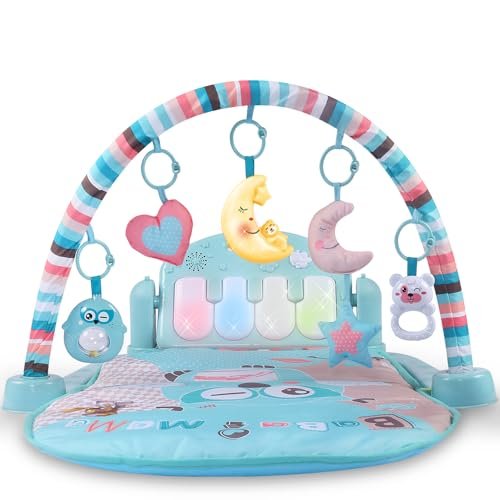
TEMI Baby Gym Toys & Activity Play Mat, Kick and Play Piano Gym Center with Music and Lights, Electronic Learning Toys for Infants, Toddlers, Newborn, Girls and Boys Ages 1 to 36 Months
TEMI Baby Gym Toys & Activity Play Mat, Kick and Play Piano Gym Center with Music and Lights, Electronic Learning Toys for Infants, Toddlers, Newborn, Girls and Boys Ages 1 to 36 Months
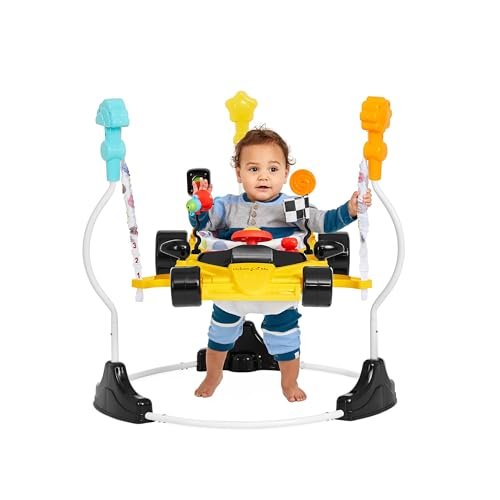
Dream On Me, Champ Activity Center & Jumper, Yellow
Dream On Me, Champ Activity Center & Jumper, Yellow
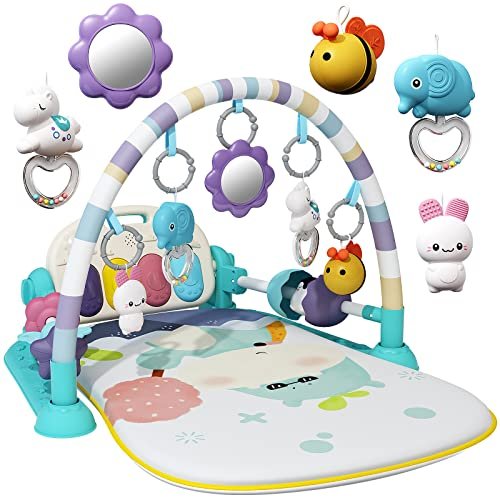
Baby Gym With Kick and Play Piano, Activity Mat for Tummy Time With 5 Infant Learning Sensory, Music and Lights for Newborn Boy or Girl (Green)
Baby Gym With Kick and Play Piano, Activity Mat for Tummy Time With 5 Infant Learning Sensory, Music and Lights for Newborn Boy or Girl (Green)
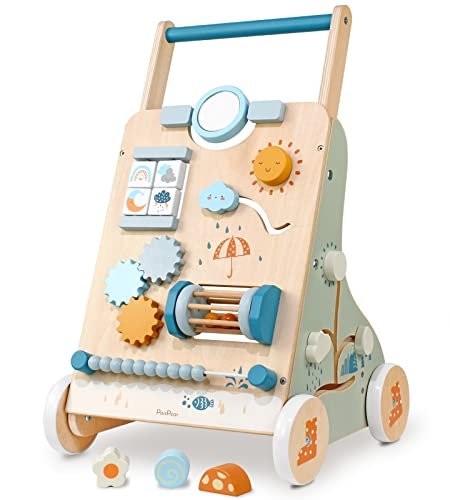
PairPear Wooden Baby Walker, Baby Push Walker, Montessori Walker Toy with Activity Center for Girls Boys, Adjustable Speed Baby Walker for Kids Development
PairPear Wooden Baby Walker, Baby Push Walker, Montessori Walker Toy with Activity Center for Girls Boys, Adjustable Speed Baby Walker for Kids Development
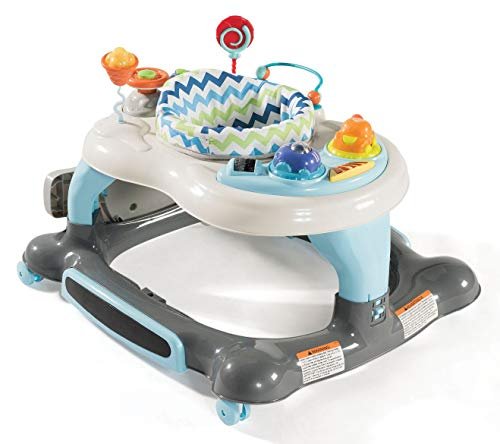
Storkcraft 3-in-1 Activity Walker and Rocker with Jumping Board Feeding Tray, Interactive Toy Tray for Toddlers Infants, Blue/Gray
Storkcraft 3-in-1 Activity Walker and Rocker with Jumping Board Feeding Tray, Interactive Toy Tray for Toddlers Infants, Blue/Gray
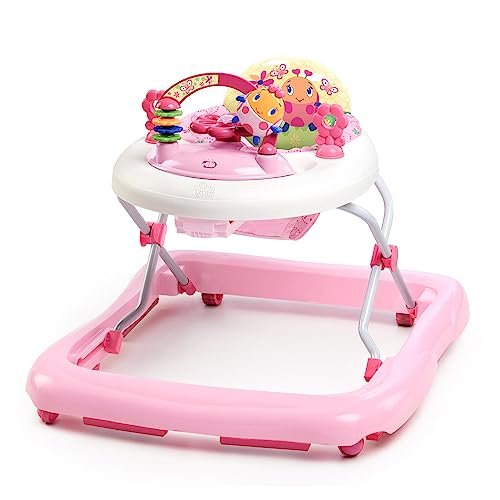
Bright Starts JuneBerry Walk-A-Bout Baby Walker and Entertainer, Removeable Floor Toy, with Easy Fold Frame for Storage, Ages 6 Months +
Bright Starts JuneBerry Walk-A-Bout Baby Walker and Entertainer, Removeable Floor Toy, with Easy Fold Frame for Storage, Ages 6 Months +
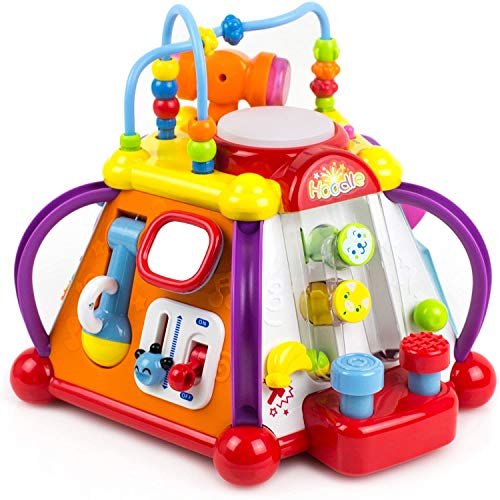
Toysery Baby Activity Center – Toddler Kids Learning & Skill Development Cube with Lights & Music. Enhance Skill Development with a 15 in 1 Game Functions Toy
Toysery Baby Activity Center – Toddler Kids Learning & Skill Development Cube with Lights & Music. Enhance Skill Development with a 15 in 1 Game Functions Toy
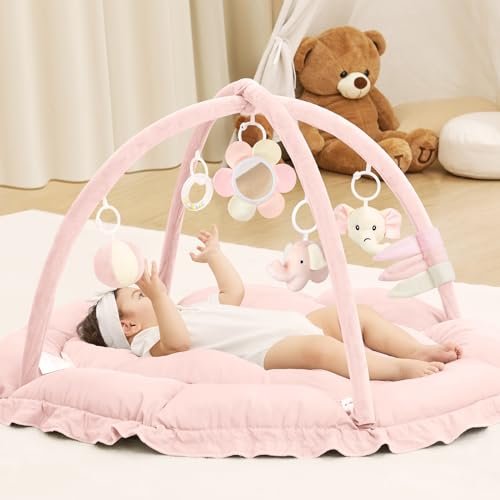
ANGELBLISS 5 in 1 Baby Play Gym Mat, Reversible Tummy Time Mat with 5 Sensory Toys for Stage-Based Developmental, Thick & Large Baby Activity Center from Newborn to Toddler (Pink)
ANGELBLISS 5 in 1 Baby Play Gym Mat, Reversible Tummy Time Mat with 5 Sensory Toys for Stage-Based Developmental, Thick & Large Baby Activity Center from Newborn to Toddler (Pink)