
Safe Ways to Handle Baby Medications: A Parent’s Complete Guide
As a parent, few things are more stressful than seeing your baby feeling unwell. Whether it's a fever, teething discomfort, an ear infection, or another common childhood illness, medications are sometimes necessary to help your little one recover comfortably. However, administering medicine to babies requires extra care, attention, and accuracy.
Unlike adults, babies are much more sensitive to medication dosages. Even small mistakes in measuring, storing, or administering medicine can have serious consequences. That's why understanding safe medication practices is one of the most important skills every parent and caregiver should develop.
The good news is that with a little preparation and knowledge, giving medications safely can become a routine part of caring for your child. From reading labels correctly to storing medicines properly and knowing when to call your pediatrician, there are several simple steps that can help protect your baby's health.
This guide will walk you through everything parents need to know about safely handling baby medications at home.
Why Medication Safety Matters for Babies
Babies process medications differently than older children and adults. Their bodies are still developing, which means they can be more vulnerable to medication errors, accidental overdoses, and unexpected side effects.
Because infant medications are often given in very small amounts, precision matters. A tiny measuring mistake may result in giving too much or too little medication. Additionally, babies cannot explain how they feel, making it even more important for parents to carefully monitor their reactions.
Developing safe medication habits early helps create a safer environment and reduces the likelihood of preventable mistakes.
Proper Storage Guidelines for Baby Medications
One of the easiest ways to improve medication safety is by storing medicines correctly.
Keep Medications Out of Reach
Babies become curious surprisingly quickly. What seems inaccessible today may be within reach tomorrow.
Store all medications:
- In locked cabinets whenever possible
- On high shelves
- Away from changing tables and cribs
- Out of sight of children
Never leave medication on countertops, bedside tables, or diaper-changing stations, even temporarily.
Protect Medicines From Heat and Moisture
Many medications lose effectiveness when exposed to extreme temperatures, humidity, or direct sunlight.
To maintain medication quality:
- Store medicines in a cool, dry location
- Avoid bathroom medicine cabinets if possible
- Keep medications away from kitchen stoves and windows
- Follow storage instructions provided on the packaging
Some medications may require refrigeration, while others should never be frozen. Always check the label for specific instructions.
Keep Original Packaging Intact
Original packaging contains important information including:
- Dosage instructions
- Expiration dates
- Active ingredients
- Safety warnings
Avoid transferring medications into different containers unless specifically instructed by a pharmacist.
How to Measure Medication Accurately
Correct dosing is one of the most critical aspects of medication safety.
Use the Right Measuring Tool
Kitchen teaspoons and tablespoons should never be used to measure medication.
Instead, use:
- Oral syringes
- Medicine droppers
- Dosing cups provided with the medication
These tools are designed to provide accurate measurements and reduce dosing errors.
Double-Check Every Dose
Before administering medication:
- Read the label carefully
- Confirm the dosage recommended by your pediatrician
- Verify your baby's weight if dosing is weight-based
- Measure slowly and carefully
When you're tired or distracted, it's especially important to pause and double-check the amount before giving it to your baby.
Ask Questions When Unsure
Never guess a dosage.
If instructions seem unclear or conflicting, contact:
- Your pediatrician
- A pharmacist
- A healthcare provider
A quick phone call can prevent potentially serious mistakes.
Understanding Medication Labels
Medication labels contain essential information that helps parents use products safely and effectively.
Read the Active Ingredients
Many cold, fever, and pain-relief products contain similar ingredients.
Understanding the active ingredient helps prevent accidentally giving multiple medications that contain the same substance.
Check Age Recommendations
Not all medications are appropriate for infants.
Always verify:
- Minimum age requirements
- Weight-based recommendations
- Pediatric usage instructions
Never assume that a medication safe for an older sibling is appropriate for a younger baby.
Review Warnings Carefully
Medication labels often include important warnings regarding:
- Allergies
- Drug interactions
- Side effects
- Special precautions
Taking a few extra minutes to read the entire label can provide valuable safety information.
Safe Administration Tips for Parents
Giving medication to a baby can sometimes be challenging, especially if they resist.
Stay Calm and Patient
Babies often sense stress and anxiety.
Approach medication time calmly and confidently. A gentle tone and reassuring touch can help your baby feel more comfortable.
Position Your Baby Correctly
When administering liquid medication:
- Hold your baby in an upright or semi-upright position
- Avoid giving medicine while they are lying flat
- Slowly dispense liquid into the side of the cheek
This reduces the risk of choking and makes swallowing easier.
Never Mix Medication Without Guidance
Some parents are tempted to hide medication in bottles or large amounts of food.
However, this can create dosing problems if the baby doesn't finish the entire feeding.
Always consult your pediatrician before mixing medication with food or beverages.
Monitoring Your Baby After Medication
After administering medicine, observe your baby closely.
Pay attention to:
- Changes in behavior
- Sleepiness
- Skin reactions
- Digestive changes
- Feeding patterns
Most medications are well tolerated, but monitoring allows you to identify any unusual reactions quickly.
Keeping a simple medication log can also be helpful, especially if multiple caregivers are involved.
Record:
- Medication name
- Dose given
- Time administered
- Any noticeable reactions
This reduces the risk of accidental duplicate doses.
When to Contact a Healthcare Professional
While many common infant medications are safe when used correctly, there are situations where professional guidance is essential.
Contact your healthcare provider if:
- Symptoms worsen instead of improving
- Your baby refuses multiple doses
- You suspect an incorrect dose was given
- New symptoms appear after medication
- Your baby develops unusual side effects
Trust your instincts. If something doesn't seem right, seeking medical advice is always the safest choice.
Seek Emergency Care Immediately If Your Baby Has:
- Difficulty breathing
- Swelling of the lips, tongue, or face
- Severe lethargy
- Seizures
- Loss of consciousness
- Signs of a severe allergic reaction
Prompt medical attention can be critical in emergency situations.
Common Medication Mistakes Parents Can Avoid
Even experienced parents occasionally make mistakes. Awareness can help reduce the risk.
Some common errors include:
- Using kitchen spoons instead of dosing syringes
- Forgetting previous doses
- Giving adult medication to a baby
- Misreading dosage instructions
- Using expired medication
- Administering medicine in poor lighting
Creating a consistent medication routine can help minimize these risks.
Building a Family Medication Safety Plan
Medication safety isn't just about one dose—it's about creating habits that protect your child every day.
Consider:
- Keeping emergency contact numbers accessible
- Using a medication tracking app or notebook
- Educating grandparents and babysitters about dosing instructions
- Reviewing medication expiration dates regularly
When everyone caring for your baby follows the same safety practices, the risk of errors decreases significantly.
Conclusion
Safely handling baby medications requires attention, patience, and accurate information. By storing medications properly, measuring doses carefully, reading labels thoroughly, and monitoring your baby after administration, you can help ensure that treatments remain both safe and effective.
Every parent wants to do what's best for their child, and medication safety is an important part of that responsibility. While giving medicine can sometimes feel intimidating, following simple precautions and seeking professional guidance when needed can help you care for your baby with confidence and peace of mind.
A few extra moments spent checking instructions and staying organized can make a meaningful difference in protecting your little one's health and well-being.
Trending Articles
TEMI Baby Gym Toys & Activity Play Mat, Kick and Play Piano Gym Center with Music and Lights, Electronic Learning Toys for Infants, Toddlers, Newborn, Girls and Boys Ages 1 to 36 Months
TEMI Baby Gym Toys & Activity Play Mat, Kick and Play Piano Gym Center with Music and Lights, Electronic Learning Toys for Infants, Toddlers, Newborn, Girls and Boys Ages 1 to 36 Months
Dream On Me, Champ Activity Center & Jumper, Yellow
Dream On Me, Champ Activity Center & Jumper, Yellow
Baby Gym With Kick and Play Piano, Activity Mat for Tummy Time With 5 Infant Learning Sensory, Music and Lights for Newborn Boy or Girl (Green)
Baby Gym With Kick and Play Piano, Activity Mat for Tummy Time With 5 Infant Learning Sensory, Music and Lights for Newborn Boy or Girl (Green)
PairPear Wooden Baby Walker, Baby Push Walker, Montessori Walker Toy with Activity Center for Girls Boys, Adjustable Speed Baby Walker for Kids Development
PairPear Wooden Baby Walker, Baby Push Walker, Montessori Walker Toy with Activity Center for Girls Boys, Adjustable Speed Baby Walker for Kids Development
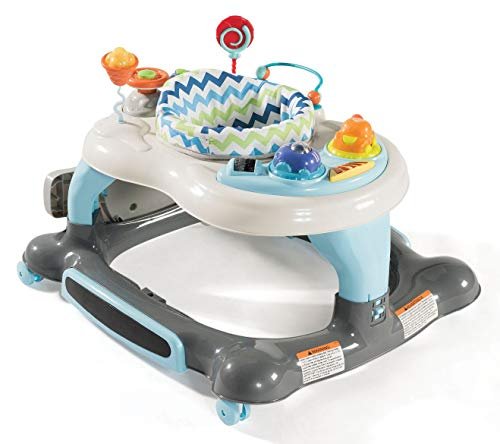
Storkcraft 3-in-1 Activity Walker and Rocker with Jumping Board Feeding Tray, Interactive Toy Tray for Toddlers Infants, Blue/Gray
Storkcraft 3-in-1 Activity Walker and Rocker with Jumping Board Feeding Tray, Interactive Toy Tray for Toddlers Infants, Blue/Gray
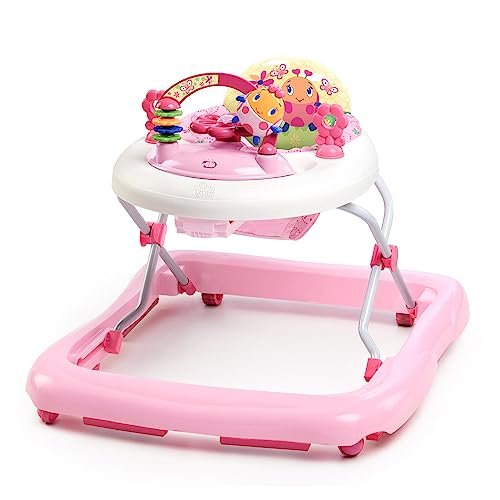
Bright Starts JuneBerry Walk-A-Bout Baby Walker and Entertainer, Removeable Floor Toy, with Easy Fold Frame for Storage, Ages 6 Months +
Bright Starts JuneBerry Walk-A-Bout Baby Walker and Entertainer, Removeable Floor Toy, with Easy Fold Frame for Storage, Ages 6 Months +
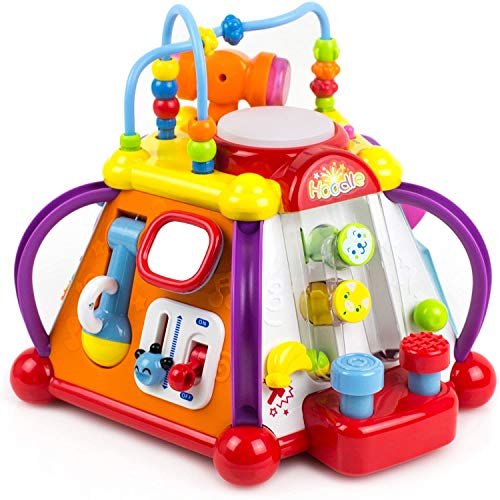
Toysery Baby Activity Center – Toddler Kids Learning & Skill Development Cube with Lights & Music. Enhance Skill Development with a 15 in 1 Game Functions Toy
Toysery Baby Activity Center – Toddler Kids Learning & Skill Development Cube with Lights & Music. Enhance Skill Development with a 15 in 1 Game Functions Toy

ANGELBLISS 5 in 1 Baby Play Gym Mat, Reversible Tummy Time Mat with 5 Sensory Toys for Stage-Based Developmental, Thick & Large Baby Activity Center from Newborn to Toddler (Pink)
ANGELBLISS 5 in 1 Baby Play Gym Mat, Reversible Tummy Time Mat with 5 Sensory Toys for Stage-Based Developmental, Thick & Large Baby Activity Center from Newborn to Toddler (Pink)