
Signs of Food Allergies in Babies: What Every Parent Should Know
Introducing solid foods is an exciting milestone in your baby’s first year. Watching your little one explore new flavors, textures, and foods can be both fun and rewarding. However, for some babies, certain foods may trigger allergic reactions, making it important for parents to recognize the warning signs early.
Food allergies in babies can present in many different ways. While some reactions happen within minutes of eating a particular food, others may develop over several hours. Symptoms can range from mild skin irritation to more serious reactions that require immediate medical attention.
Understanding how food allergies appear in infants can help parents respond quickly and confidently. Knowing what to watch for also makes introducing new foods less stressful and allows families to work closely with healthcare professionals when concerns arise.
In this guide, we'll explore the most common signs of food allergies in babies, when symptoms may appear, and what parents can do if they suspect a food-related reaction.
Understanding Food Allergies in Babies
A food allergy occurs when the body's immune system mistakenly identifies a food protein as harmful and reacts to it. Even small amounts of the triggering food can sometimes cause symptoms.
Food allergies are different from food intolerances. While intolerances may cause digestive discomfort, food allergies involve the immune system and can potentially lead to more serious reactions.
Some of the foods most commonly associated with allergies include:
- Cow's milk
- Eggs
- Peanuts
- Tree nuts
- Soy
- Wheat
- Fish
- Shellfish
- Sesame
Many babies tolerate these foods without any issues, but understanding the signs of a possible allergy remains important during food introduction.
Skin Reactions: One of the Most Common Signs
Skin changes are often among the earliest and most noticeable signs of a food allergy in babies.
Hives and Raised Rashes
Hives are red, itchy, raised bumps that can appear suddenly after a baby eats a triggering food. They may appear on the face, neck, chest, arms, or other parts of the body.
Some hives disappear within a few hours, while others may come and go during the allergic reaction.
Redness and Flushing
Parents may notice areas of redness around the mouth, cheeks, or other parts of the body shortly after feeding.
While mild redness isn't always caused by an allergy, persistent or recurring skin reactions after eating a particular food should be discussed with a healthcare provider.
Eczema Flare-Ups
Babies with eczema may experience worsening symptoms when certain foods trigger their immune system. Dry, itchy, or inflamed skin can become more noticeable following exposure to an allergen.
It's important to remember that eczema alone does not confirm a food allergy, but it can sometimes be associated with allergic conditions.
Digestive Symptoms to Watch For
Food allergies frequently affect the digestive system because food passes directly through the gastrointestinal tract.
Vomiting After Feeding
Repeated vomiting shortly after eating may indicate an allergic response. While occasional spit-up is common in babies, sudden vomiting associated with a specific food should not be ignored.
Diarrhea and Loose Stools
Some babies may develop loose stools or diarrhea after consuming a food they are allergic to. In some cases, mucus may also be present.
Digestive symptoms can sometimes appear several hours after eating, making it more difficult to identify the specific trigger.
Excessive Gas and Stomach Discomfort
Babies experiencing digestive reactions may appear uncomfortable, pull their legs toward their stomach, or cry more than usual after feeding.
Although gas can occur for many reasons, recurring symptoms connected to certain foods deserve attention.
Respiratory Symptoms Can Signal an Allergic Reaction
Food allergies don't only affect the skin and digestive system. They can also impact the respiratory system.
Persistent Coughing
Some babies develop coughing shortly after exposure to an allergen. This may occur alongside other symptoms such as hives or facial swelling.
Wheezing
Wheezing is a high-pitched sound that occurs when breathing becomes more difficult. It can be a sign that the airways are narrowing due to an allergic reaction.
Nasal Congestion
Although congestion can result from many childhood illnesses, sudden nasal symptoms following food exposure may sometimes be linked to allergies.
Any breathing difficulties should be taken seriously and evaluated immediately.
Swelling Around the Face and Mouth
Facial swelling is another important symptom parents should recognize.
Lip and Tongue Swelling
Swelling of the lips, tongue, or mouth may occur shortly after eating an allergenic food.
This symptom can be particularly concerning because swelling inside the mouth or throat may interfere with breathing.
Puffy Eyes
Some babies develop swelling around the eyes during an allergic reaction. The eyes may appear red, watery, or puffy.
If swelling occurs together with breathing difficulties, immediate medical attention is necessary.
Behavioral Changes and General Irritability
Not all allergy symptoms are easy to see.
Sometimes a baby's behavior may provide clues that something is wrong.
Increased Fussiness
A baby experiencing discomfort from an allergic reaction may become unusually fussy or difficult to soothe.
Parents often notice changes in behavior shortly after feeding, particularly when a new food has recently been introduced.
Difficulty Sleeping
Discomfort from itching, digestive upset, or general inflammation may interfere with normal sleep patterns.
A baby who suddenly becomes restless after eating certain foods may be experiencing an adverse reaction.
Refusing Feedings
Some babies may begin refusing foods associated with discomfort. While feeding challenges are common during infancy, repeated refusal of specific foods should be noted.
Signs of a Severe Allergic Reaction
Although rare, severe allergic reactions can occur in babies.
A severe reaction, sometimes called anaphylaxis, is a medical emergency.
Seek immediate emergency medical care if your baby develops:
- Difficulty breathing
- Severe wheezing
- Swelling of the tongue or throat
- Pale or bluish skin
- Sudden weakness or limpness
- Loss of consciousness
Prompt treatment is critical during severe allergic reactions.
How to Introduce New Foods Safely
Introducing new foods gradually can help parents identify potential reactions more easily.
Offer One New Food at a Time
Introducing foods individually allows you to monitor your baby's response before moving on to another ingredient.
Many healthcare professionals recommend waiting several days between introducing new foods.
Keep a Food Journal
Tracking what your baby eats and noting any symptoms can help identify patterns if reactions occur.
Record:
- Foods offered
- Date introduced
- Amount consumed
- Any symptoms observed
This information can be valuable during discussions with your pediatrician.
Observe Carefully
After introducing a new food, pay attention to changes in your baby's skin, digestion, breathing, and behavior over the next several hours and days.
When to Contact Your Pediatrician
It's always a good idea to contact your pediatrician if you notice symptoms that may be related to a food allergy.
Seek medical advice if your baby experiences:
- Repeated rashes after eating
- Persistent vomiting
- Diarrhea associated with specific foods
- Swelling
- Breathing changes
- Ongoing feeding difficulties
Early evaluation can help identify triggers and create a safe feeding plan moving forward.
Conclusion
Recognizing the signs of food allergies in babies can help parents respond quickly and confidently when concerns arise. Symptoms may appear on the skin, affect digestion, impact breathing, or show up as changes in behavior and mood. Because reactions can vary from mild to severe, careful observation during the introduction of new foods is essential.
Most babies enjoy a wide variety of foods without any issues, but understanding the potential signs of food allergies allows families to navigate this important stage of development with greater peace of mind. When in doubt, consult your pediatrician for guidance and support as your baby explores the exciting world of solid foods.
Trending Articles
TEMI Baby Gym Toys & Activity Play Mat, Kick and Play Piano Gym Center with Music and Lights, Electronic Learning Toys for Infants, Toddlers, Newborn, Girls and Boys Ages 1 to 36 Months
TEMI Baby Gym Toys & Activity Play Mat, Kick and Play Piano Gym Center with Music and Lights, Electronic Learning Toys for Infants, Toddlers, Newborn, Girls and Boys Ages 1 to 36 Months
Dream On Me, Champ Activity Center & Jumper, Yellow
Dream On Me, Champ Activity Center & Jumper, Yellow
Baby Gym With Kick and Play Piano, Activity Mat for Tummy Time With 5 Infant Learning Sensory, Music and Lights for Newborn Boy or Girl (Green)
Baby Gym With Kick and Play Piano, Activity Mat for Tummy Time With 5 Infant Learning Sensory, Music and Lights for Newborn Boy or Girl (Green)
PairPear Wooden Baby Walker, Baby Push Walker, Montessori Walker Toy with Activity Center for Girls Boys, Adjustable Speed Baby Walker for Kids Development
PairPear Wooden Baby Walker, Baby Push Walker, Montessori Walker Toy with Activity Center for Girls Boys, Adjustable Speed Baby Walker for Kids Development
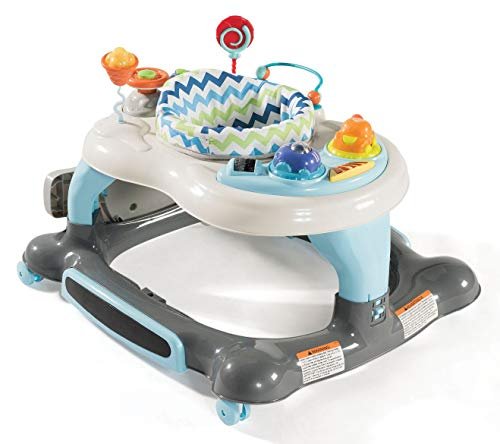
Storkcraft 3-in-1 Activity Walker and Rocker with Jumping Board Feeding Tray, Interactive Toy Tray for Toddlers Infants, Blue/Gray
Storkcraft 3-in-1 Activity Walker and Rocker with Jumping Board Feeding Tray, Interactive Toy Tray for Toddlers Infants, Blue/Gray
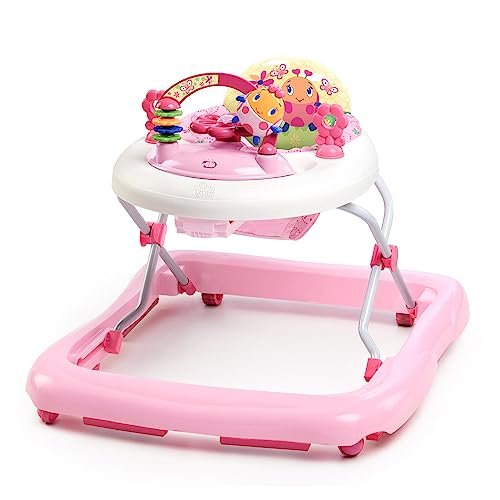
Bright Starts JuneBerry Walk-A-Bout Baby Walker and Entertainer, Removeable Floor Toy, with Easy Fold Frame for Storage, Ages 6 Months +
Bright Starts JuneBerry Walk-A-Bout Baby Walker and Entertainer, Removeable Floor Toy, with Easy Fold Frame for Storage, Ages 6 Months +
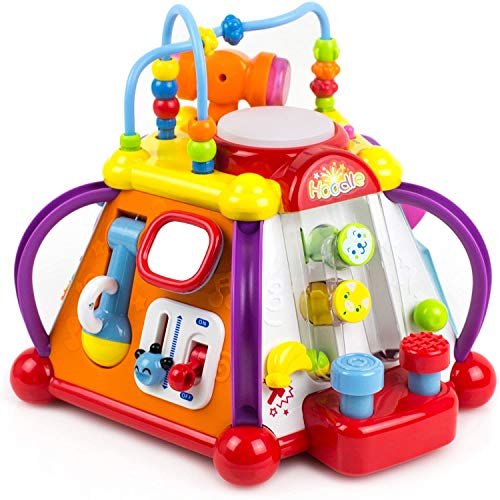
Toysery Baby Activity Center – Toddler Kids Learning & Skill Development Cube with Lights & Music. Enhance Skill Development with a 15 in 1 Game Functions Toy
Toysery Baby Activity Center – Toddler Kids Learning & Skill Development Cube with Lights & Music. Enhance Skill Development with a 15 in 1 Game Functions Toy

ANGELBLISS 5 in 1 Baby Play Gym Mat, Reversible Tummy Time Mat with 5 Sensory Toys for Stage-Based Developmental, Thick & Large Baby Activity Center from Newborn to Toddler (Pink)
ANGELBLISS 5 in 1 Baby Play Gym Mat, Reversible Tummy Time Mat with 5 Sensory Toys for Stage-Based Developmental, Thick & Large Baby Activity Center from Newborn to Toddler (Pink)