
Preparing for Labor: What Every Expecting Mom Should Know
Preparing for labor can bring a mix of excitement, anticipation, and uncertainty. As your due date approaches, it’s completely normal to feel both eager and nervous about the birth experience ahead. While every labor journey is unique, understanding what to expect and preparing ahead of time can help you feel more confident, informed, and emotionally ready.
From creating a birth plan to learning coping techniques for contractions, taking time to prepare can make a meaningful difference in how you experience labor and delivery.
Here are some important things every expecting mom should know while preparing for labor.
The Importance of a Birth Plan
A birth plan is a helpful way to communicate your preferences and expectations for labor, delivery, and postpartum care.
While labor can sometimes be unpredictable, having a birth plan allows you to think ahead about what matters most to you and helps your healthcare team better understand your wishes.
What a Birth Plan May Include
Your birth plan may outline preferences regarding:
- Pain management options
- Labor positions
- Birth environment
- Medical interventions
- Support people present during labor
- Immediate newborn care
- Skin-to-skin contact
- Feeding preferences
- Cesarean considerations if needed
A birth plan is not about controlling every detail — it’s about helping you feel informed, prepared, and involved in decision-making throughout the process.
Stay Flexible
Although birth plans are valuable, flexibility is important because labor and delivery may not always go exactly as expected.
Unexpected situations can arise, and medical decisions may sometimes need to change based on the safety of both mother and baby.
Approaching labor with both preparation and adaptability can help reduce stress if plans shift during delivery.
Packing Your Hospital Bag
Preparing your hospital bag ahead of time can help you feel more organized and ready when labor begins.
Many parents choose to pack their bag several weeks before their estimated due date to avoid last-minute stress.
Essentials to Bring for Yourself
Helpful items for labor and recovery may include:
- Comfortable pajamas or nightgowns
- Socks and slippers
- Nursing bras
- Toiletries
- Lip balm
- Hair ties
- Phone charger
- Snacks and drinks
- Important documents and insurance information
- Comfortable going-home clothes
Bringing familiar comfort items can also help create a calmer environment during labor.
Comfort Items for Labor
Some moms also find it helpful to bring:
- Pillows
- Massage tools
- Essential oils
- Music playlists
- A birthing ball
- Relaxation aids
- Personal blankets or robes
Small comforts can make the hospital environment feel more relaxing and familiar.
Don’t Forget Baby Essentials
Pack a few items for your newborn as well, such as:
- Onesies
- Swaddles or blankets
- Hats and socks
- Diapers if desired
- Car seat for the trip home
- Going-home outfit
Having everything prepared ahead of time can help you focus more fully on labor when the moment arrives.
Understanding the Stages of Labor
Learning about the stages of labor can help reduce fear and make the process feel less overwhelming.
Labor is generally divided into three main stages.
First Stage of Labor
The first stage involves the cervix gradually softening, thinning, and opening in preparation for delivery.
This stage includes:
- Early labor
- Active labor
- Transition
During this phase, contractions become progressively stronger, longer, and closer together.
Early Labor
Early labor often begins gradually with mild contractions and cervical changes.
This phase may last for several hours — or sometimes even longer.
Many women spend early labor at home focusing on rest, hydration, and comfort.
Active Labor
Active labor is when contractions become more intense and consistent.
The cervix continues dilating, and labor typically becomes more physically demanding during this stage.
Transition Phase
Transition is often considered the most intense part of labor before pushing begins.
The cervix reaches approximately:
10 cm dilation10\ \text{cm dilation}10 cm dilation
which prepares the body for delivery.
Second Stage of Labor
The second stage is when pushing begins and your baby is delivered.
This phase can vary greatly in length depending on factors such as:
- First-time birth
- Baby’s position
- Maternal energy levels
- Labor progression
Your healthcare team will guide you throughout this stage.
Third Stage of Labor
After your baby is born, the body delivers the placenta during the third stage of labor.
This stage is usually much shorter and less physically intense than the earlier stages.
Coping Strategies for Labor
Learning coping techniques ahead of time can help you feel more prepared for labor discomfort and intensity.
Every woman responds differently to labor, so it’s helpful to explore multiple comfort methods.
Breathing Techniques
Controlled breathing is one of the most common and effective labor coping tools.
Slow, deep breathing may help:
- Reduce tension
- Improve focus
- Encourage relaxation
- Support pain management
Practicing breathing exercises before labor can make them easier to use during contractions.
Movement & Position Changes
Changing positions during labor may help improve comfort and support labor progression.
Helpful movements may include:
- Walking
- Swaying
- Squatting
- Rocking
- Using a birthing ball
- Leaning forward for support
Movement can also help some babies move into more favorable positions for birth.
Relaxation & Visualization
Visualization and relaxation techniques can help shift focus away from discomfort.
Some moms find comfort in:
- Guided meditation
- Positive affirmations
- Calming music
- Visualizing peaceful places
- Focusing on each contraction individually
Mental preparation can be just as important as physical preparation.
Partner Support Matters
A supportive birth partner can make a significant difference during labor.
Partners may help by:
- Offering encouragement
- Providing massage or counter-pressure
- Assisting with breathing techniques
- Helping with movement and positioning
- Advocating for your preferences
- Offering emotional reassurance
Strong support can help many mothers feel calmer and more confident throughout labor.
Stay Hydrated & Nourished
Labor can be physically exhausting, so maintaining energy levels is important.
Depending on your provider’s guidance, light snacks and clear fluids may help support hydration and endurance during labor.
Every Labor Experience Is Different
It’s important to remember that no two labor experiences are exactly the same.
Some labors progress quickly, while others take more time. Some mothers prefer medicated pain relief, while others choose natural coping methods.
There is no single “right” way to give birth.
The most important goal is a safe and healthy outcome for both mother and baby.
Final Thoughts
Preparing for labor can help reduce anxiety and increase confidence as you approach childbirth. Understanding the stages of labor, packing ahead of time, practicing coping strategies, and creating a flexible birth plan can all help you feel more prepared for the experience ahead.
While labor can be physically and emotionally intense, preparation, support, and self-trust can make the journey feel far more manageable.
Take time to learn, ask questions, and prepare in ways that help you feel calm and empowered as you get ready to welcome your baby into the world.
Trending Articles
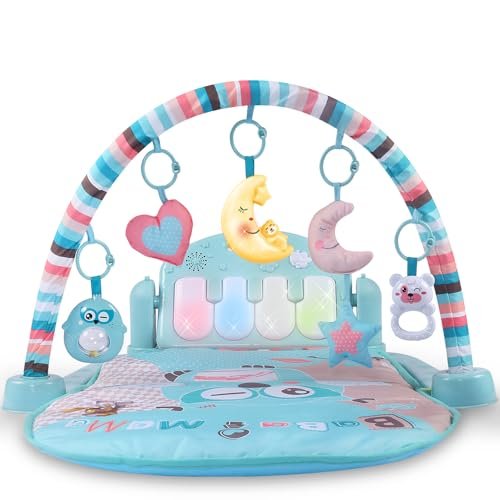
TEMI Baby Gym Toys & Activity Play Mat, Kick and Play Piano Gym Center with Music and Lights, Electronic Learning Toys for Infants, Toddlers, Newborn, Girls and Boys Ages 1 to 36 Months
TEMI Baby Gym Toys & Activity Play Mat, Kick and Play Piano Gym Center with Music and Lights, Electronic Learning Toys for Infants, Toddlers, Newborn, Girls and Boys Ages 1 to 36 Months
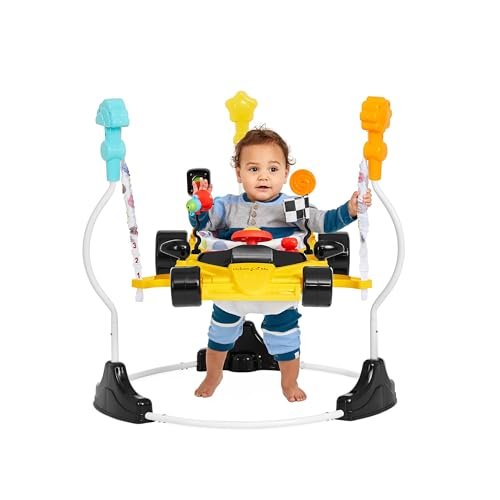
Dream On Me, Champ Activity Center & Jumper, Yellow
Dream On Me, Champ Activity Center & Jumper, Yellow
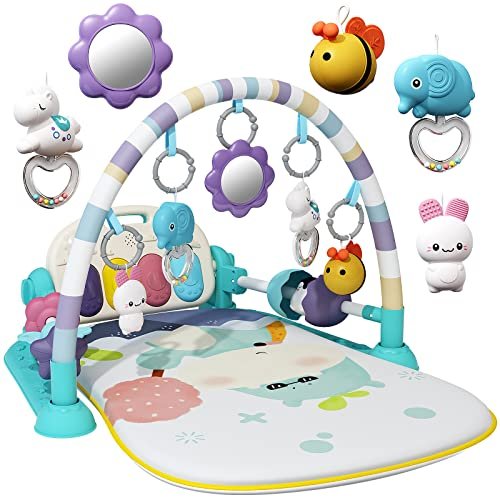
Baby Gym With Kick and Play Piano, Activity Mat for Tummy Time With 5 Infant Learning Sensory, Music and Lights for Newborn Boy or Girl (Green)
Baby Gym With Kick and Play Piano, Activity Mat for Tummy Time With 5 Infant Learning Sensory, Music and Lights for Newborn Boy or Girl (Green)
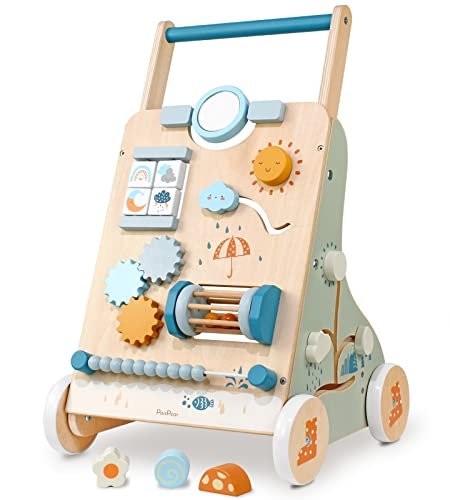
PairPear Wooden Baby Walker, Baby Push Walker, Montessori Walker Toy with Activity Center for Girls Boys, Adjustable Speed Baby Walker for Kids Development
PairPear Wooden Baby Walker, Baby Push Walker, Montessori Walker Toy with Activity Center for Girls Boys, Adjustable Speed Baby Walker for Kids Development
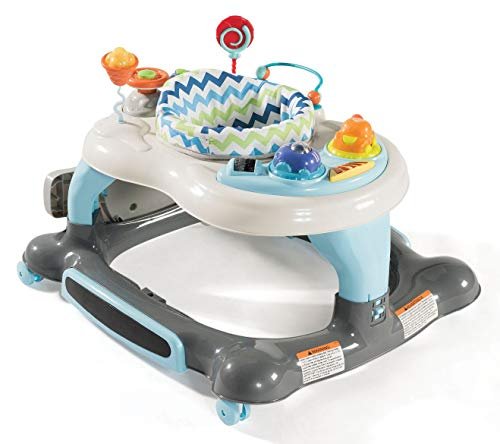
Storkcraft 3-in-1 Activity Walker and Rocker with Jumping Board Feeding Tray, Interactive Toy Tray for Toddlers Infants, Blue/Gray
Storkcraft 3-in-1 Activity Walker and Rocker with Jumping Board Feeding Tray, Interactive Toy Tray for Toddlers Infants, Blue/Gray
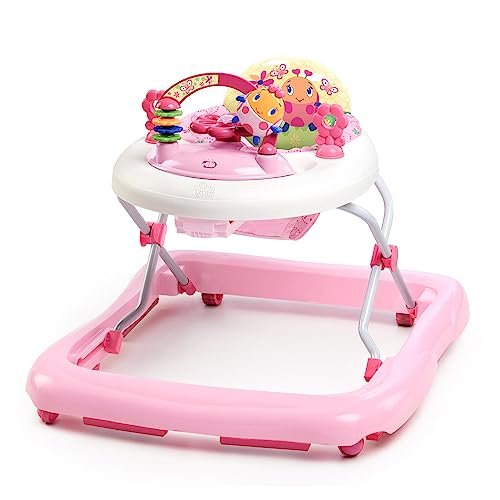
Bright Starts JuneBerry Walk-A-Bout Baby Walker and Entertainer, Removeable Floor Toy, with Easy Fold Frame for Storage, Ages 6 Months +
Bright Starts JuneBerry Walk-A-Bout Baby Walker and Entertainer, Removeable Floor Toy, with Easy Fold Frame for Storage, Ages 6 Months +
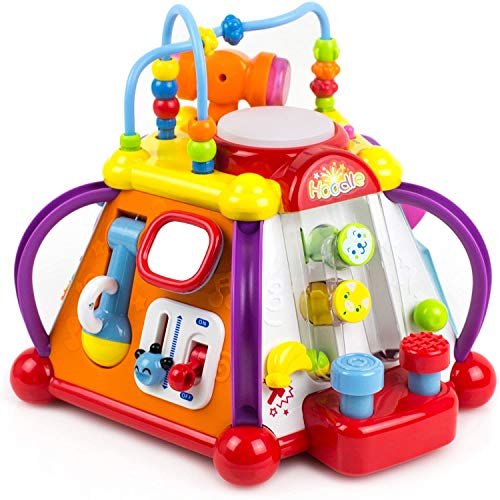
Toysery Baby Activity Center – Toddler Kids Learning & Skill Development Cube with Lights & Music. Enhance Skill Development with a 15 in 1 Game Functions Toy
Toysery Baby Activity Center – Toddler Kids Learning & Skill Development Cube with Lights & Music. Enhance Skill Development with a 15 in 1 Game Functions Toy

ANGELBLISS 5 in 1 Baby Play Gym Mat, Reversible Tummy Time Mat with 5 Sensory Toys for Stage-Based Developmental, Thick & Large Baby Activity Center from Newborn to Toddler (Pink)
ANGELBLISS 5 in 1 Baby Play Gym Mat, Reversible Tummy Time Mat with 5 Sensory Toys for Stage-Based Developmental, Thick & Large Baby Activity Center from Newborn to Toddler (Pink)