
Best Exercises to Support Your Baby’s Development
Supporting your baby’s development involves more than simply watching them grow — it also means creating opportunities for movement, exploration, sensory experiences, and interaction. Simple daily activities and gentle exercises can help strengthen muscles, improve coordination, encourage cognitive growth, and support emotional bonding.
Every baby develops at their own pace, but incorporating age-appropriate exercises into your routine can help encourage healthy physical and developmental progress during the early months and years of life.
Here are some of the best exercises and activities to help support your baby’s overall development.
The Importance of Movement in Early Development
Movement plays a major role in helping babies develop essential skills needed for future milestones such as:
- Rolling over
- Sitting up
- Crawling
- Standing
- Walking
- Hand-eye coordination
- Balance
Active play also supports cognitive, emotional, and sensory development.
Tummy Time
Tummy time is one of the most important early exercises for babies.
This simple activity involves placing your baby on their stomach while awake and supervised.
Benefits of Tummy Time
Tummy time helps strengthen important muscles including:
- Neck muscles
- Shoulder muscles
- Arm muscles
- Core muscles
These muscles are essential for future developmental milestones such as crawling, sitting, and walking.
Helps Prevent Flat Spots
Regular tummy time may also help reduce pressure on the back of your baby’s head, which can help prevent flat spots caused by spending long periods lying on their back.
Start Slowly & Gradually Increase Time
Newborns may only tolerate tummy time for short periods initially.
Many parents begin with sessions lasting:
3–5 minutes3\text{–}5\ \text{minutes}3–5 minutes
a few times per day and gradually increase duration as the baby becomes stronger and more comfortable.
Always supervise tummy time closely.
Sensory Play Activities
Sensory play helps stimulate your baby’s developing senses and supports brain development through exploration and interaction.
These activities encourage babies to learn through:
- Touch
- Sight
- Sound
- Movement
- Texture
- Temperature
Texture Exploration
Allowing babies to safely experience different textures can help stimulate sensory development.
Examples may include:
- Soft fabrics
- Crinkly toys
- Silicone teethers
- Water play
- Plush toys
- Sensory mats
Exploring textures encourages curiosity and sensory awareness.
Music & Sound Activities
Music and sound-based activities can help support auditory development and emotional connection.
Helpful activities may include:
- Singing songs
- Listening to calming music
- Using rattles
- Reading aloud
- Playing gentle instruments
Babies often respond positively to rhythm, repetition, and familiar voices.
Visual Stimulation
Babies benefit from visually engaging activities as their eyesight develops.
Simple visual exercises may include:
- High-contrast cards
- Bright-colored toys
- Mirrors
- Tracking moving objects
- Face-to-face interaction
These activities help improve focus and visual tracking skills.
Reaching & Grasping Exercises
As babies grow, reaching and grasping become important developmental skills.
Encourage these abilities by placing toys slightly within reach to motivate movement and coordination.
Benefits of Grasping Activities
These exercises help improve:
- Fine motor skills
- Hand strength
- Coordination
- Hand-eye coordination
- Sensory awareness
Soft rattles, textured toys, and lightweight objects often work well for these activities.
Rolling Practice
Helping babies practice rolling can support strength and body coordination.
You can encourage rolling by:
- Placing toys beside them
- Gently guiding movement
- Using tummy time regularly
Rolling helps babies strengthen their core muscles and develop body awareness.
Supported Sitting Activities
Once babies begin developing stronger neck and core muscles, supported sitting can become an important exercise.
This may involve:
- Sitting with assistance
- Using pillows for support
- Encouraging upright posture during play
Supported sitting helps babies strengthen muscles needed for independent sitting and balance.
Standing With Support
As babies grow stronger, supported standing exercises can help prepare them for walking.
Allow babies to:
- Bear weight on their legs
- Bounce gently with support
- Hold onto stable surfaces
These activities help strengthen leg muscles and improve balance.
Encourage Crawling Exploration
Crawling helps babies build strength, coordination, and spatial awareness.
You can encourage crawling by:
- Placing toys slightly out of reach
- Creating safe floor space
- Using motivating sensory toys
- Joining your baby on the floor
Exploration helps babies build confidence and mobility skills.
Bonding Through Movement
Physical activities are also excellent opportunities for emotional bonding between parent and baby.
Movement-based bonding activities may include:
- Baby massage
- Gentle dancing
- Babywearing walks
- Yoga stretches
- Rocking
- Singing while moving together
These interactions help strengthen emotional connection and provide comfort and reassurance.
Baby Massage Benefits
Gentle baby massage may help support:
- Relaxation
- Sleep quality
- Digestion
- Body awareness
- Parent-child bonding
Using soft touch and calm interaction can create soothing experiences for your baby.
Reading & Interactive Play
Although not traditionally considered “exercise,” interactive communication activities help support cognitive and language development.
Talking, reading, and responding to your baby encourages:
- Social interaction
- Emotional security
- Early communication skills
- Brain development
Simple daily interaction has a powerful impact on development.
Follow Your Baby’s Pace
Every baby develops differently, so it’s important not to compare milestones too closely.
Watch for your baby’s cues and comfort levels during activities.
Signs your baby may need a break include:
- Fussiness
- Turning away
- Crying
- Fatigue
- Overstimulation
Short, positive sessions are often more beneficial than lengthy activities.
Safety Always Comes First
When practicing developmental exercises:
- Always supervise your baby
- Use safe play surfaces
- Avoid elevated areas
- Choose age-appropriate toys
- Support your baby properly during movement
Creating a safe environment allows babies to explore confidently.
Final Thoughts
Simple daily exercises and activities can play a major role in supporting your baby’s physical, cognitive, emotional, and sensory development. Tummy time, sensory play, reaching exercises, movement activities, and bonding interactions all help build the foundation for important developmental milestones.
The most valuable part of these exercises is not perfection — it’s consistent interaction, encouragement, and connection with your baby.
By creating a safe, stimulating, and loving environment, you help support healthy development while building meaningful moments together every day.
Trending Articles
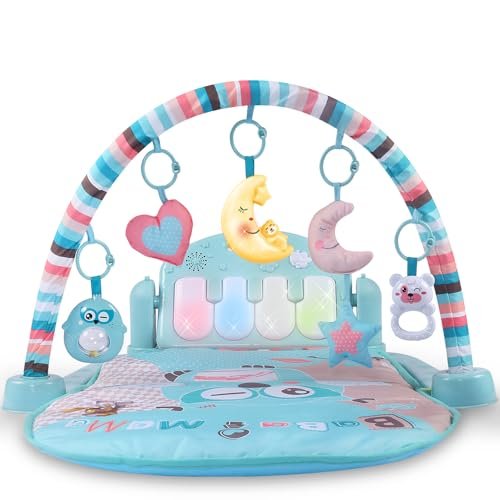
TEMI Baby Gym Toys & Activity Play Mat, Kick and Play Piano Gym Center with Music and Lights, Electronic Learning Toys for Infants, Toddlers, Newborn, Girls and Boys Ages 1 to 36 Months
TEMI Baby Gym Toys & Activity Play Mat, Kick and Play Piano Gym Center with Music and Lights, Electronic Learning Toys for Infants, Toddlers, Newborn, Girls and Boys Ages 1 to 36 Months
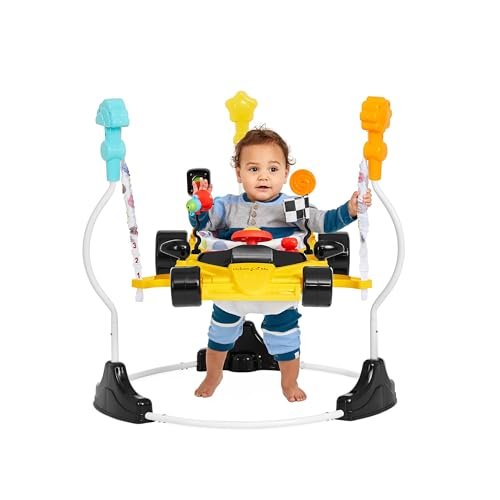
Dream On Me, Champ Activity Center & Jumper, Yellow
Dream On Me, Champ Activity Center & Jumper, Yellow
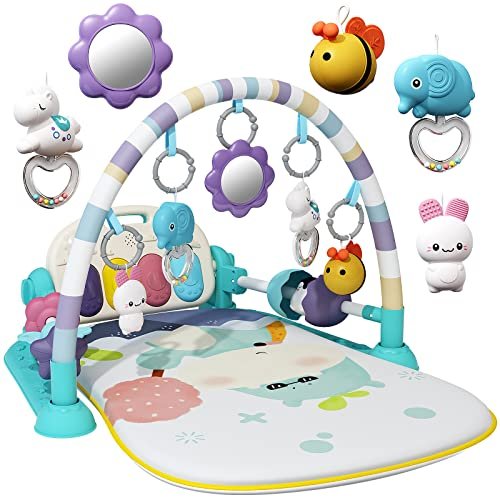
Baby Gym With Kick and Play Piano, Activity Mat for Tummy Time With 5 Infant Learning Sensory, Music and Lights for Newborn Boy or Girl (Green)
Baby Gym With Kick and Play Piano, Activity Mat for Tummy Time With 5 Infant Learning Sensory, Music and Lights for Newborn Boy or Girl (Green)
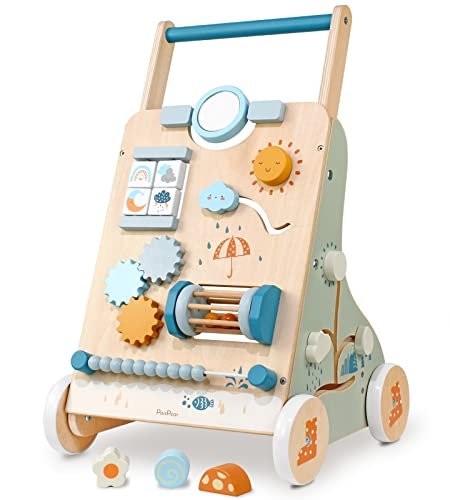
PairPear Wooden Baby Walker, Baby Push Walker, Montessori Walker Toy with Activity Center for Girls Boys, Adjustable Speed Baby Walker for Kids Development
PairPear Wooden Baby Walker, Baby Push Walker, Montessori Walker Toy with Activity Center for Girls Boys, Adjustable Speed Baby Walker for Kids Development
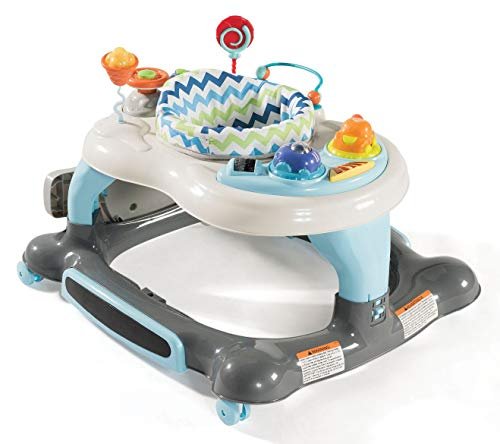
Storkcraft 3-in-1 Activity Walker and Rocker with Jumping Board Feeding Tray, Interactive Toy Tray for Toddlers Infants, Blue/Gray
Storkcraft 3-in-1 Activity Walker and Rocker with Jumping Board Feeding Tray, Interactive Toy Tray for Toddlers Infants, Blue/Gray
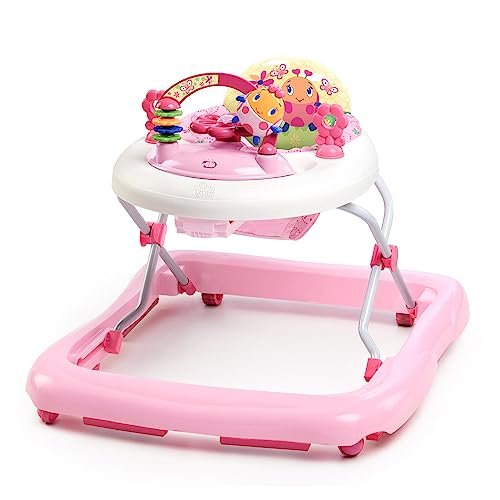
Bright Starts JuneBerry Walk-A-Bout Baby Walker and Entertainer, Removeable Floor Toy, with Easy Fold Frame for Storage, Ages 6 Months +
Bright Starts JuneBerry Walk-A-Bout Baby Walker and Entertainer, Removeable Floor Toy, with Easy Fold Frame for Storage, Ages 6 Months +
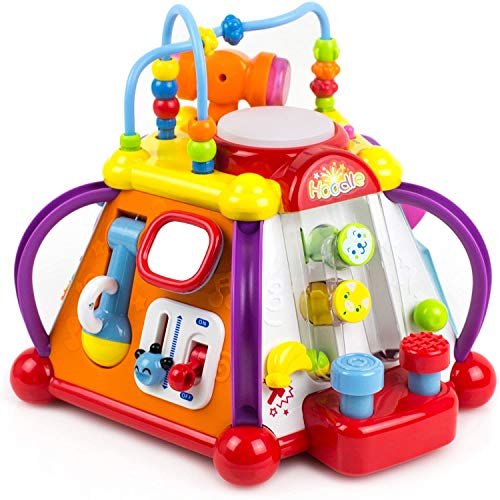
Toysery Baby Activity Center – Toddler Kids Learning & Skill Development Cube with Lights & Music. Enhance Skill Development with a 15 in 1 Game Functions Toy
Toysery Baby Activity Center – Toddler Kids Learning & Skill Development Cube with Lights & Music. Enhance Skill Development with a 15 in 1 Game Functions Toy
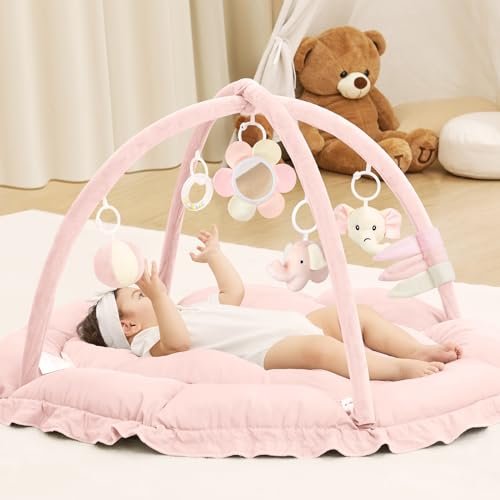
ANGELBLISS 5 in 1 Baby Play Gym Mat, Reversible Tummy Time Mat with 5 Sensory Toys for Stage-Based Developmental, Thick & Large Baby Activity Center from Newborn to Toddler (Pink)
ANGELBLISS 5 in 1 Baby Play Gym Mat, Reversible Tummy Time Mat with 5 Sensory Toys for Stage-Based Developmental, Thick & Large Baby Activity Center from Newborn to Toddler (Pink)