
Why Responsive Feeding Is Important for Babies
Responsive feeding is one of the most important foundations for healthy infant development. It involves paying close attention to your baby’s hunger and fullness cues and responding with care, patience, and consistency. Rather than feeding on a rigid schedule or encouraging babies to eat beyond their comfort level, responsive feeding supports a more natural and emotionally supportive feeding experience.
This approach helps babies build healthy relationships with food while also strengthening emotional security and trust with caregivers. Over time, responsive feeding can positively influence eating habits, emotional development, and self-regulation skills throughout childhood and beyond.
Helps Promote Healthy Eating Habits
Responsive feeding encourages babies to recognize and trust their own hunger and fullness signals. Instead of eating because they are pressured or distracted, babies learn to eat according to their body’s natural needs.
When caregivers respond appropriately to feeding cues, babies begin developing a healthier relationship with food from an early age. This can help support long-term healthy eating behaviors and reduce the likelihood of overeating or ignoring fullness signals later in life.
Encourages Awareness of Hunger & Fullness
Babies naturally communicate hunger and fullness through behaviors such as:
- Rooting
- Sucking motions
- Turning toward the breast or bottle
- Fussiness
- Turning away when full
- Slowing down feeding
- Falling asleep during feeding
Responsive feeding helps babies learn to recognize and trust these internal signals rather than relying on external pressure to eat.
Supports Balanced Nutrition
By responding to your baby’s needs appropriately, responsive feeding helps ensure they receive the nutrients necessary for healthy growth and development.
This feeding style also encourages gradual exposure to different tastes and textures as babies grow, helping support a more varied and balanced diet over time.
Supports Healthy Growth & Development
During infancy, babies experience rapid physical and brain development. Proper nutrition during this stage is essential for:
- Growth
- Brain development
- Immune function
- Muscle development
- Cognitive development
Responsive feeding supports this process by helping babies receive nourishment when they truly need it rather than according to rigid schedules alone.
Helps Prevent Overfeeding
Feeding babies beyond their natural fullness cues may interfere with their ability to self-regulate food intake.
Responsive feeding helps caregivers recognize signs that a baby has had enough, which may include:
- Turning away from the bottle or breast
- Closing their mouth
- Becoming distracted
- Relaxing their hands or body
Respecting these cues can help promote healthier eating behaviors later in childhood.
Strengthens Emotional Bonding
Feeding is not only about nutrition — it is also an important emotional interaction between caregiver and baby.
Responsive feeding creates opportunities for:
- Eye contact
- Comfort
- Physical closeness
- Communication
- Emotional reassurance
These interactions help strengthen attachment and create a deeper emotional connection between parent and child.
Builds Trust & Security
When caregivers consistently respond to feeding cues, babies begin learning that their needs will be met safely and reliably.
This helps build:
- Trust
- Emotional security
- Confidence in caregivers
- Feelings of safety
A secure feeding environment contributes positively to emotional development during infancy.
Encourages Self-Regulation Skills
One of the most important long-term benefits of responsive feeding is the development of self-regulation skills.
By learning to respond to internal hunger and fullness cues, babies begin building healthy habits related to:
- Appetite control
- Emotional regulation
- Food awareness
- Eating independence
These self-regulation abilities may continue to benefit children as they grow older.
Reduces Feeding Stress
Responsive feeding can also help reduce stress during mealtimes for both babies and caregivers.
Rather than focusing on forcing a certain amount of food or following rigid feeding expectations, responsive feeding encourages a calmer and more flexible approach.
This may help create:
- More enjoyable feeding experiences
- Less anxiety around eating
- Better communication between caregiver and baby
Positive mealtime experiences are important for healthy emotional development.
Helps Babies Feel Understood
When caregivers notice and respond to feeding cues, babies learn that their feelings and needs matter.
This consistent responsiveness helps babies feel:
- Valued
- Comforted
- Safe
- Emotionally supported
These early experiences contribute to healthy attachment and emotional confidence.
Supports Long-Term Healthy Habits
The feeding habits established during infancy can influence future attitudes toward food and eating.
Responsive feeding may help encourage:
- Better food awareness
- Healthier eating patterns
- Improved self-control around food
- Reduced mealtime struggles
Early feeding experiences often shape future relationships with food.
Responsive Feeding Looks Different for Every Baby
Every baby is unique, and responsive feeding is not about following strict rules.
Some babies may:
- Feed more frequently
- Eat smaller amounts
- Need more comfort during feedings
- Show hunger cues differently
Learning your baby’s individual patterns and preferences is an important part of responsive caregiving.
Tips for Practicing Responsive Feeding
Helpful responsive feeding practices may include:
- Watching for hunger and fullness cues
- Feeding calmly and patiently
- Avoiding pressure or force-feeding
- Making eye contact during feeding
- Minimizing distractions
- Allowing babies to eat at their own pace
Consistency and attentiveness are key parts of responsive feeding.
Final Thoughts
Responsive feeding is about more than simply providing nutrition — it is a powerful way to support your baby’s emotional, physical, and developmental well-being. By responding thoughtfully to your baby’s feeding cues, you help build trust, encourage healthy eating habits, strengthen emotional bonding, and support lifelong self-regulation skills.
Every feeding interaction becomes an opportunity to nurture not only your baby’s body, but also their sense of security, comfort, and connection.
With patience, attentiveness, and consistency, responsive feeding can help create a healthier and more positive foundation for your baby’s growth and development.
Trending Articles
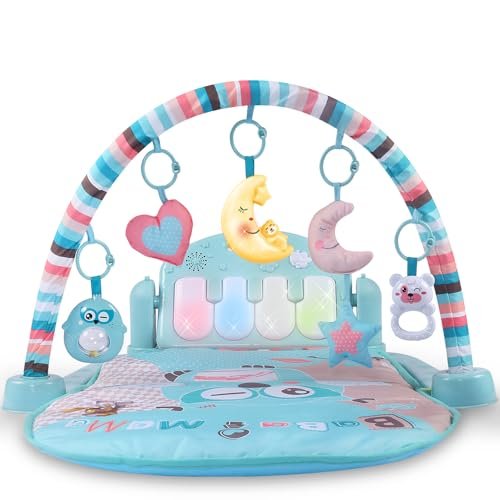
TEMI Baby Gym Toys & Activity Play Mat, Kick and Play Piano Gym Center with Music and Lights, Electronic Learning Toys for Infants, Toddlers, Newborn, Girls and Boys Ages 1 to 36 Months
TEMI Baby Gym Toys & Activity Play Mat, Kick and Play Piano Gym Center with Music and Lights, Electronic Learning Toys for Infants, Toddlers, Newborn, Girls and Boys Ages 1 to 36 Months
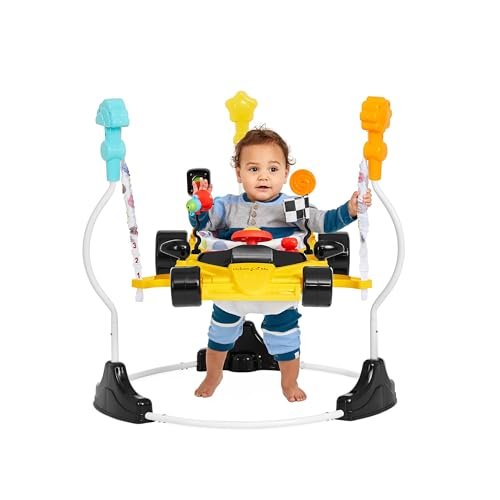
Dream On Me, Champ Activity Center & Jumper, Yellow
Dream On Me, Champ Activity Center & Jumper, Yellow
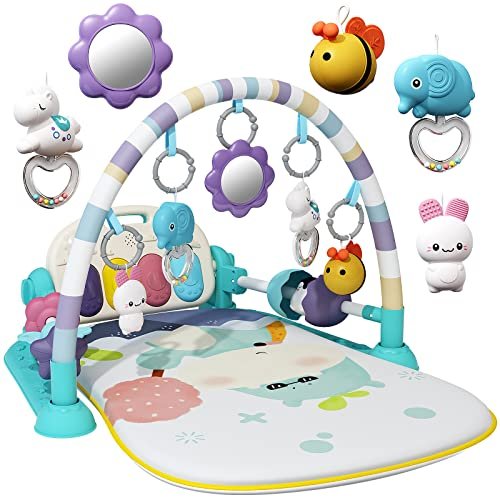
Baby Gym With Kick and Play Piano, Activity Mat for Tummy Time With 5 Infant Learning Sensory, Music and Lights for Newborn Boy or Girl (Green)
Baby Gym With Kick and Play Piano, Activity Mat for Tummy Time With 5 Infant Learning Sensory, Music and Lights for Newborn Boy or Girl (Green)
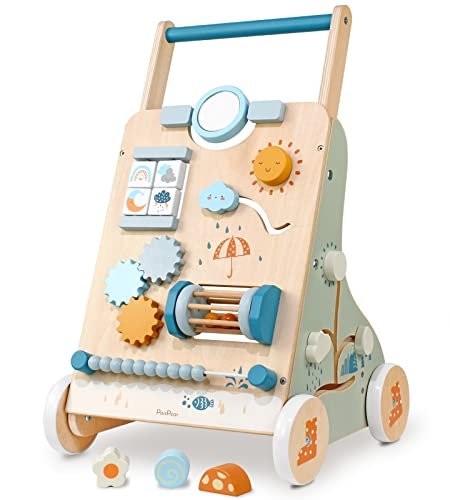
PairPear Wooden Baby Walker, Baby Push Walker, Montessori Walker Toy with Activity Center for Girls Boys, Adjustable Speed Baby Walker for Kids Development
PairPear Wooden Baby Walker, Baby Push Walker, Montessori Walker Toy with Activity Center for Girls Boys, Adjustable Speed Baby Walker for Kids Development
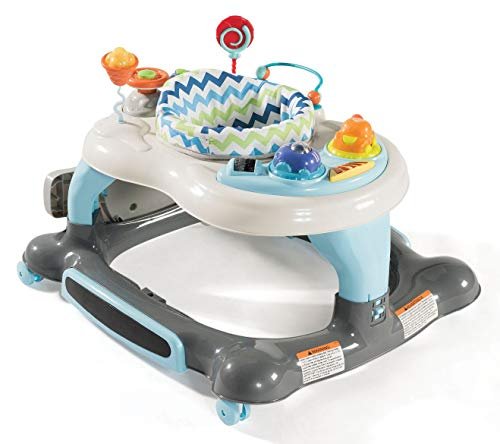
Storkcraft 3-in-1 Activity Walker and Rocker with Jumping Board Feeding Tray, Interactive Toy Tray for Toddlers Infants, Blue/Gray
Storkcraft 3-in-1 Activity Walker and Rocker with Jumping Board Feeding Tray, Interactive Toy Tray for Toddlers Infants, Blue/Gray
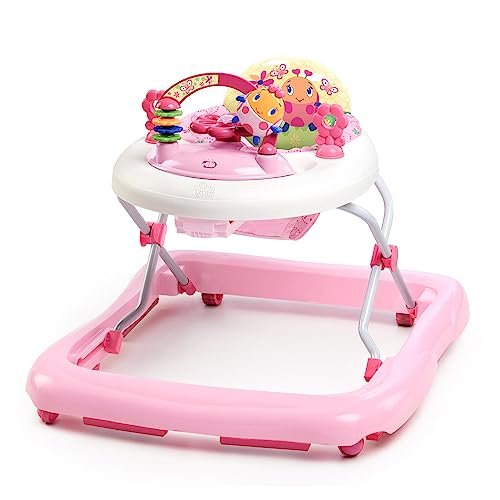
Bright Starts JuneBerry Walk-A-Bout Baby Walker and Entertainer, Removeable Floor Toy, with Easy Fold Frame for Storage, Ages 6 Months +
Bright Starts JuneBerry Walk-A-Bout Baby Walker and Entertainer, Removeable Floor Toy, with Easy Fold Frame for Storage, Ages 6 Months +
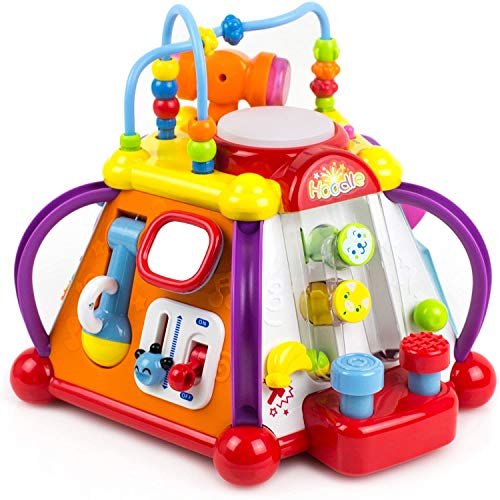
Toysery Baby Activity Center – Toddler Kids Learning & Skill Development Cube with Lights & Music. Enhance Skill Development with a 15 in 1 Game Functions Toy
Toysery Baby Activity Center – Toddler Kids Learning & Skill Development Cube with Lights & Music. Enhance Skill Development with a 15 in 1 Game Functions Toy
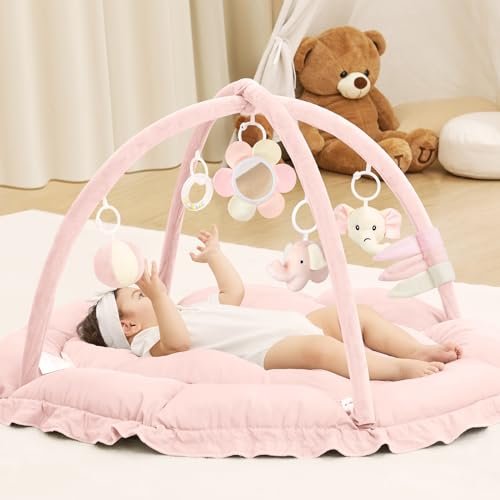
ANGELBLISS 5 in 1 Baby Play Gym Mat, Reversible Tummy Time Mat with 5 Sensory Toys for Stage-Based Developmental, Thick & Large Baby Activity Center from Newborn to Toddler (Pink)
ANGELBLISS 5 in 1 Baby Play Gym Mat, Reversible Tummy Time Mat with 5 Sensory Toys for Stage-Based Developmental, Thick & Large Baby Activity Center from Newborn to Toddler (Pink)