How Baby Walkers Can Support Early Exploration, Movement, and Independent Play
One of the most exciting stages of infancy begins when babies start becoming mobile. After months of observing the world from a blanket or play mat, many little ones become eager to explore their surroundings, reach new places, and interact with everything within sight. This growing curiosity often coincides with important developmental milestones such as sitting independently, standing with support, cruising, and taking first steps.
For many parents, finding toys and activity centers that keep babies engaged while encouraging movement can make everyday life easier and more enjoyable. Baby walkers designed with interactive features, sensory activities, and developmental play opportunities can provide an entertaining environment where babies can practice coordination, strengthen muscles, and satisfy their natural desire to explore.
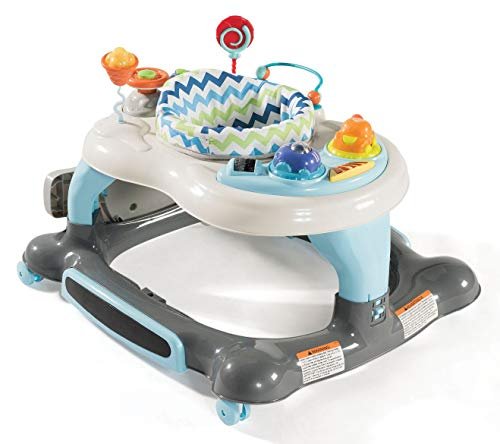
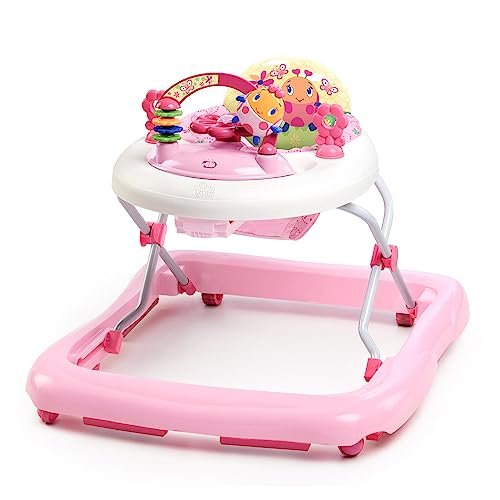
Modern activity walkers go far beyond simple mobility aids. Many now include removable toy stations, interactive lights and sounds, developmental activities, and adjustable features that adapt as babies grow. These versatile products are designed to provide both entertainment and opportunities for learning during an exciting period of development.
If you're looking for a toy that combines movement, sensory stimulation, and educational play, an activity walker may become one of your baby's favorite ways to explore the world.
Why Movement Is Important During Infancy
During the first year of life, babies develop an impressive range of physical abilities.
From rolling and sitting to crawling and standing, every new skill builds upon previous experiences. Encouraging safe movement opportunities helps babies strengthen muscles, improve balance, and develop body awareness.
While every child develops at their own pace, providing age-appropriate opportunities for exploration can help support growing confidence and independence.
Activity walkers often create an environment where babies can engage with their surroundings while practicing coordination and mobility skills.
Encouraging Curiosity Through Interactive Play
Babies are naturally curious learners.
They explore the world through touch, movement, sound, sight, and interaction. An engaging activity center can help channel this curiosity into productive and entertaining experiences.
Lights, Sounds, and Music
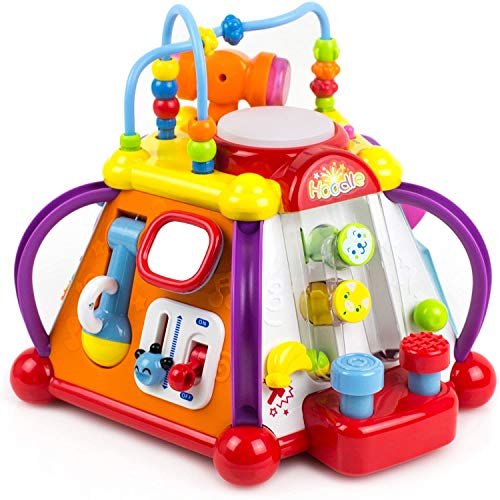
Bright lights, cheerful melodies, and interactive sounds capture a baby's attention and encourage engagement.
When babies press buttons, spin components, or activate sounds through their actions, they begin learning about cause and effect. These simple discoveries form the foundation for future problem-solving skills.
Musical features can also introduce babies to rhythm, patterns, and auditory stimulation while making playtime more enjoyable.
Sensory Exploration
Interactive toys encourage babies to use multiple senses simultaneously.
Different textures, colors, sounds, and movements provide opportunities for sensory learning while helping babies stay interested and engaged during play sessions.
Sensory-rich experiences can support cognitive development while encouraging exploration and curiosity.
Supporting Physical Development
As babies prepare for independent movement, they spend considerable time strengthening their muscles and practicing coordination.
Building Leg Strength
Standing and moving with support can help babies become more aware of how their bodies work.
Many activity walkers encourage babies to push, move, and explore while engaging muscles used for balance and movement.
Improving Coordination
Mobility involves much more than simply moving from one place to another.
Babies must learn to coordinate their legs, maintain balance, navigate obstacles, and understand spatial relationships. Interactive walkers provide opportunities to practice these developing skills in a supervised environment.
Encouraging Confidence
One of the most important aspects of development is confidence.
When babies discover that they can move independently and interact with their surroundings, they often become more eager to explore and learn new skills.
A Toy That Grows With Your Baby
Parents often appreciate products that remain useful throughout multiple developmental stages.
Adjustable Height Positions
Babies grow rapidly during the first year.
Walkers with adjustable height settings can accommodate changing needs while helping ensure a comfortable fit as babies become taller and stronger.
This flexibility allows the product to continue providing value throughout different stages of development.
Adapting to New Skills
As babies gain confidence and coordination, they often interact with toys differently.
Products that adjust alongside a child's growth can help maintain engagement while continuing to offer age-appropriate challenges.
The Benefits of a Removable Activity Station
One feature many parents appreciate is a detachable toy station.
Floor Play Opportunities
A removable activity center allows babies to continue exploring even when they are not using the walker.
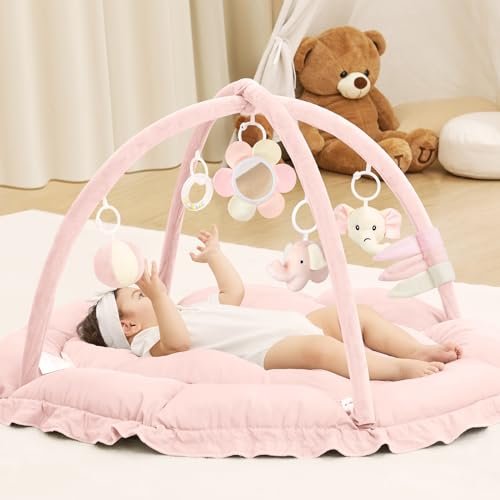
Floor play encourages reaching, grasping, sitting, and independent interaction with toys, providing additional opportunities for development.
Entertainment Beyond the Walker
Because the activity panel can often be used separately, parents can bring the fun to different environments.
Whether playing in the living room, visiting relatives, or enjoying a road trip, portable toy stations help keep babies entertained wherever they go.
Encouraging Longer Use
Multi-purpose designs often extend the lifespan of a toy.
Rather than being limited to a single mode of play, removable activity stations provide flexibility that adapts to a child's changing interests and abilities.
Educational Play Through Interactive Features
Many modern activity centers incorporate educational elements designed to support early learning.
Exploring Sounds and Language
Songs, melodies, and playful sound effects expose babies to different auditory experiences.
Repeated exposure to language, music, and sounds can help support listening skills and early communication development.
Practicing Cause and Effect
Interactive buttons and toy features allow babies to discover how their actions create responses.
This process encourages experimentation and strengthens early cognitive skills.
Developing Fine Motor Skills
Manipulating buttons, grabbing toys, spinning pieces, and activating interactive features all contribute to fine motor development.
These seemingly simple activities help strengthen hand muscles while improving coordination and control.
Comfort and Convenience for Parents
While babies focus on play, parents often appreciate practical features that simplify daily life.
Easy Cleaning
Babies are experts at creating messes.
Machine-washable seat pads and wipe-clean surfaces make maintenance easier, helping parents keep activity centers clean and ready for everyday use.
Foldable Design
Space-saving features can be especially valuable for families living in apartments, smaller homes, or households with limited storage space.
Foldable walkers allow parents to store the product conveniently when not in use.
Portable Entertainment
Lightweight designs and removable activity stations provide flexibility for families who frequently move between rooms or travel.
Choosing the Right Baby Walker
When selecting an activity walker, consider your baby's age, developmental stage, and interests.
Look for features such as:
- Adjustable height settings
- Stable construction
- Interactive learning activities
- Easy-to-clean materials
- Portable or foldable designs
- Age-appropriate sensory features
Most importantly, choose products that encourage active engagement rather than passive entertainment.
A Thoughtful Gift for Growing Babies
Activity walkers often make excellent gifts because they combine developmental benefits with long-lasting entertainment.
For baby showers, birthdays, holidays, and milestone celebrations, many parents appreciate gifts that support learning while remaining fun and practical.
The combination of mobility, sensory play, music, lights, and educational activities can provide months of enjoyment as babies progress through important developmental stages.
Encouraging Parent-Child Interaction
Although activity centers encourage independent exploration, they also create wonderful opportunities for bonding.
Parents can sing along to songs, identify colors and sounds, encourage movement, and celebrate developmental achievements together.
These shared moments not only support learning but also strengthen emotional connections between parent and child.
Final Thoughts
A thoughtfully designed baby walker can offer much more than mobility. By combining movement, sensory exploration, music, lights, educational activities, and interactive play, these versatile activity centers help create engaging opportunities for learning and discovery.
Features such as adjustable height settings, removable toy stations, interactive sounds, and developmental play elements allow the walker to adapt as babies grow and develop new skills. At the same time, practical benefits such as easy cleaning, portability, and compact storage make these products convenient for busy families.
For parents seeking a toy that encourages curiosity, supports developmental milestones, and provides hours of engaging entertainment, an activity walker can be a valuable addition to a baby's early learning journey.