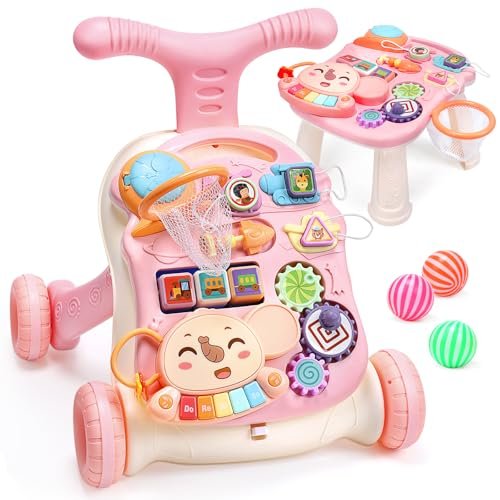
The Benefits of a Sit-to-Stand Baby Walker: Supporting Early Mobility Through Play
Watching a baby take their first steps is one of the most memorable milestones in early childhood. Those wobbly movements, excited smiles, and growing confidence mark the beginning of a whole new stage of independence and exploration. During this important developmental period, many parents look for toys that can encourage movement while providing opportunities for learning and play.
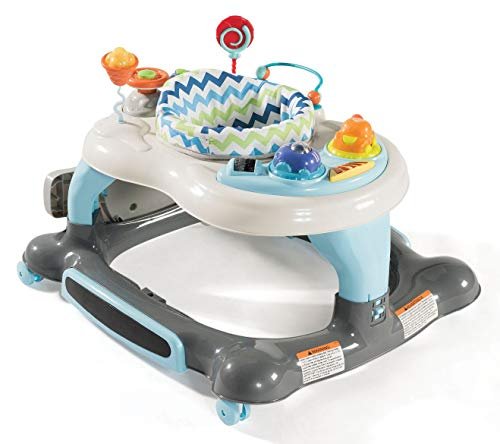
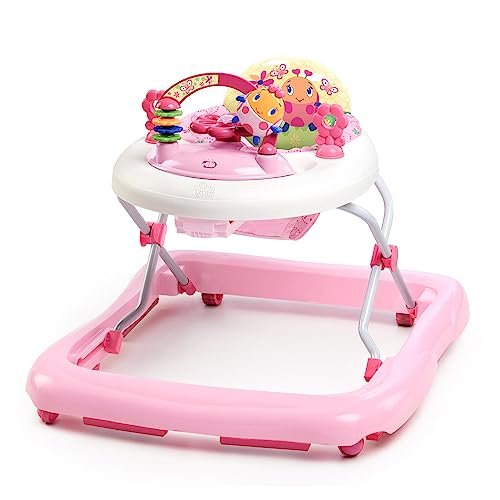
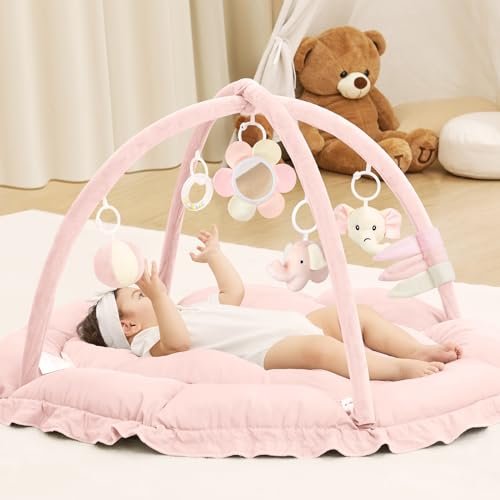
A sit-to-stand baby walker offers much more than simple mobility support. Modern activity walkers combine interactive learning features, sensory play, and developmental activities into one engaging toy designed to grow alongside your child. From tummy time and seated play to standing and walking practice, these versatile toys can provide months of entertainment and skill-building opportunities.
When thoughtfully designed with stability, safety, and age-appropriate activities in mind, a baby push walker can become a valuable addition to your little one's play space.
Why Sit-to-Stand Walkers Are Popular Among Parents
Babies develop at their own pace, but most go through a stage where they become eager to pull themselves up, stand, and eventually walk.
A sit-to-stand walker helps support this natural curiosity by providing a sturdy object that babies can hold onto while exploring movement. Unlike passive entertainment toys, these activity centers encourage active engagement and physical exploration.
Parents often appreciate products that offer multiple uses because they provide greater long-term value. A quality baby walker can often transition from an activity center for younger babies into a walking companion for toddlers who are building confidence on their feet.
Encouraging Movement Through Play
Movement is one of the primary ways babies learn about the world around them.
Building Confidence During Early Walking Stages
Before babies take independent steps, they often spend weeks or months practicing balance, pulling up on furniture, and cruising along stable surfaces.
A push walker can provide additional opportunities for supported movement while allowing babies to practice coordination and balance at their own pace.
Because babies remain actively engaged in the process, they are able to explore movement in a playful and enjoyable way.
Supporting Gross Motor Development
Activities such as standing, pushing, reaching, and walking all contribute to the development of gross motor skills.
These skills are important because they help babies strengthen muscles used for movement, coordination, and overall physical development.
Providing age-appropriate opportunities for active play can help keep little ones engaged as they continue practicing new abilities.
More Than a Walker: An Interactive Activity Center
One of the biggest advantages of modern sit-to-stand walkers is their versatility.
Multiple Play Opportunities in One Toy
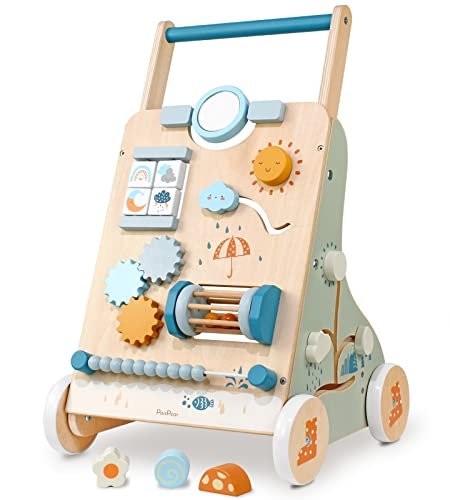
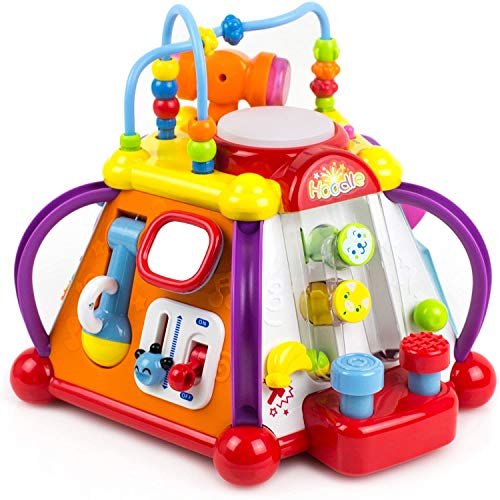
Many activity walkers include a variety of interactive features designed to keep babies entertained while encouraging exploration.
Common activity zones may include:
- Shape sorting games
- Musical buttons and keys
- Spinning gears
- Sensory elements
- Rattles and movable pieces
- Ball play activities
The variety helps maintain interest while introducing babies to different textures, sounds, movements, and problem-solving experiences.
Encouraging Independent Discovery
Babies learn through repetition and exploration.
Interactive features allow them to experiment with cause and effect, such as pressing a button to hear a sound or spinning a gear to observe movement. These simple activities can keep little ones engaged while encouraging curiosity.
Supporting Fine Motor Skill Development
While many parents focus on walking support, activity centers can also contribute to the development of smaller movements.
Hands-On Play Opportunities
Manipulating buttons, turning gears, grasping rattles, and sorting shapes all require hand-eye coordination and finger control.
These activities help babies practice the small movements they use throughout daily life.
Learning Through Touch and Exploration
Sensory play is an important part of early childhood development.
Different textures, sounds, colors, and moving parts create opportunities for babies to explore and interact with their environment in meaningful ways.
Stability and Safety Features Matter
When selecting a push walker, stability is often one of the first features parents evaluate.
Wide Bases Provide Added Support
A walker with a broad base can offer additional stability as babies learn to pull themselves up and move forward.
A stable structure helps create a more comfortable experience for babies who are still developing balance and coordination.
Thoughtful Design for Growing Explorers
Features such as easy-grip handles and carefully designed frames can make it easier for little hands to hold on while exploring movement.
Parents should always follow manufacturer recommendations regarding age, use, and supervision to ensure safe play experiences.
Adjustable Features That Grow With Your Baby
Every child develops differently.
Customizable Walking Resistance
Some baby walkers include adjustable wheel settings that allow parents to modify movement resistance.
As babies become stronger and more confident walkers, adjustments can help match the toy to their changing abilities.
This flexibility may extend the usefulness of the walker over a longer period of time.
Adapting to Different Developmental Stages
A versatile walker often supports several stages of development:
- Floor play for younger babies
- Seated activity exploration
- Pull-to-stand practice
- Assisted walking
- Independent push play
This multi-stage functionality can provide greater value compared to single-purpose toys.
A Detachable Activity Panel for Flexible Play
One feature many parents appreciate is a removable activity center.
Play Beyond Walking Practice
Detachable activity panels can often be used separately from the walker itself. This allows babies to enjoy interactive play while sitting on the floor, during tummy time, or in other supervised play environments.
The ability to separate the activity center from the walker helps increase versatility and keeps the toy engaging for a longer period.
Convenient for Different Play Areas
Portable activity panels can easily move from room to room, making it easier to keep babies entertained throughout the day.
Choosing Educational Toys That Encourage Learning
Parents often seek toys that combine entertainment with developmental benefits.
Introducing Cause and Effect
Interactive toys help babies learn that their actions can produce results.
Pressing a key creates a sound. Turning a gear creates movement. Dropping a shape into the correct opening creates success.
These simple interactions help build early learning experiences through play.
Encouraging Problem Solving
Activities such as shape sorting introduce basic problem-solving opportunities while helping babies practice observation and persistence.
The goal isn't academic learning but rather supporting exploration and discovery in an age-appropriate way.
A Thoughtful Gift for Growing Babies
Finding a gift that remains useful over time can sometimes be challenging.
A sit-to-stand activity walker is often a popular choice because it combines entertainment, mobility support, and interactive play into a single product.
Whether purchased for:
- First birthdays
- Baby showers
- Holiday celebrations
- Milestone gifts
it offers practical value that families can enjoy throughout multiple developmental stages.
What to Look for in a Sit-to-Stand Walker
When comparing baby activity walkers, consider features such as:
Mobility Features
- Stable wide base
- Easy-grip handle
- Adjustable wheel resistance
- Smooth movement
Learning Features
- Shape sorters
- Musical elements
- Interactive buttons
- Sensory activities
- Movable gears and rattles
Safety and Comfort Features
- Rounded edges
- Durable construction
- Non-toxic materials
- Easy-to-clean surfaces
These details can help create a safer and more enjoyable play experience.
Final Thoughts
A sit-to-stand baby walker can be much more than a walking toy. By combining movement, sensory exploration, interactive learning, and imaginative play, it offers a versatile experience that grows alongside your child.
Features such as adjustable speed controls, activity panels, shape sorters, musical buttons, and stable support structures help create engaging opportunities for exploration while encouraging active play. Whether your baby is just beginning to sit independently or is preparing to take those exciting first steps, a thoughtfully designed activity walker can provide hours of entertainment and developmental play.
For parents looking for a toy that combines fun, versatility, and long-term value, a sit-to-stand walker remains one of the most popular choices for supporting early childhood exploration and movement.