The Complete Guide to Choosing a Baby Carrier That Grows With Your Child
Few parenting products get as much daily use as a baby carrier. From soothing a newborn during those early weeks to carrying a curious toddler on family outings, a well-designed carrier can quickly become one of the most valuable tools in a parent's routine.
Babies naturally seek closeness. They love hearing familiar voices, feeling the warmth of a caregiver, and observing the world from a secure position. At the same time, parents need practical solutions that allow them to move freely throughout the day. A quality baby carrier bridges that gap by keeping babies close while freeing up a parent's hands for everyday activities.
Modern baby carriers have evolved significantly over the years. Today's designs offer multiple carrying positions, ergonomic support systems, breathable materials, and built-in storage features that help families stay comfortable through every stage of childhood. Whether you're preparing for your first baby or upgrading your current carrier, understanding what features matter most can help you make a confident decision.
Why Babywearing Remains Popular Among Parents
For generations, parents around the world have relied on babywearing as a practical way to care for their children while remaining active.
Today's parents face many of the same challenges. Grocery shopping, household chores, travel, school drop-offs, and outdoor activities become much easier when your baby is comfortably secured while your hands remain free.
Many families discover that babywearing helps simplify daily life while encouraging valuable opportunities for interaction and bonding. Instead of placing a baby in a stroller or seat for every activity, parents can remain physically connected throughout the day.
This combination of convenience and closeness explains why baby carriers continue to be one of the most recommended baby registry essentials.
The Advantage of Multiple Carrying Positions
Adapting to Your Baby's Growth
One of the biggest benefits of modern baby carriers is versatility.
As babies grow and develop, their needs change. A carrier that works well for a newborn may not provide the same level of convenience for an active toddler. Multi-position carriers address this challenge by offering several carrying options that can adapt to different stages of growth.
Many parents appreciate having the flexibility to switch between carrying styles depending on their child's age, activity level, and comfort preferences.
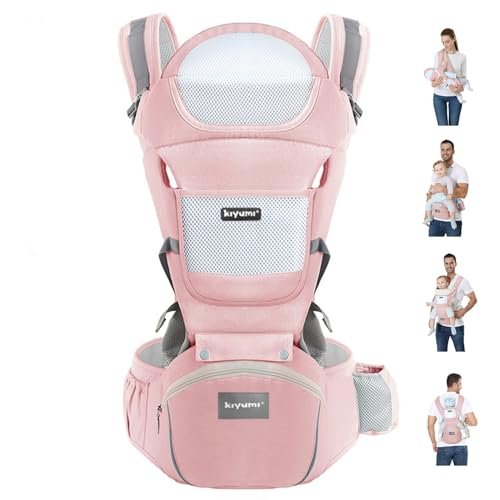
Six Ways to Carry for Everyday Situations
Multi-position baby carriers often allow parents to choose from several carrying configurations.
These may include:
- Front inward-facing carrying
- Front outward-facing carrying
- Hip carrying
- Back carrying
- Cradle carrying for younger infants
- Hip seat-assisted carrying
Having multiple options allows parents to customize their experience based on daily activities. A short walk around the neighborhood may call for one position, while a longer family outing may benefit from another.
This flexibility can significantly extend the usefulness of a carrier throughout infancy and toddlerhood.
Understanding Ergonomic Baby Carrier Design
Why Proper Positioning Matters
Comfort is important not only for parents but also for babies.
Many ergonomic baby carriers are designed to support a natural seated position while distributing weight more evenly across the body. Features such as structured hip seats and supportive panels help create a stable environment during carrying.
When evaluating carriers, parents often look for designs that prioritize both comfort and adjustability while following the manufacturer's recommended positioning guidelines.
Reducing Strain for Parents
Carrying a growing baby can place significant pressure on the shoulders, back, and waist.
Modern ergonomic carriers address this challenge by distributing weight across multiple support points rather than concentrating it in a single area. Wide waist belts, padded shoulder straps, and structured support systems help create a more balanced carrying experience.
Many parents notice a substantial difference when using a carrier specifically designed for long-term comfort.
Why Hip Seat Carriers Are Growing in Popularity
Added Support During Longer Carrying Sessions
Hip seat carriers have become increasingly popular because they offer additional support beneath the baby.
Instead of relying entirely on fabric and shoulder straps, the seat provides a stable platform that helps support the child's weight. This design can make carrying feel more comfortable during longer outings.
For parents with older babies who frequently want to be picked up and put down, a hip seat carrier can be especially convenient.
Practical for Active Toddlers
Toddlers often switch between walking independently and wanting to be carried.
A hip seat design can make these transitions easier because parents can quickly position their child without making extensive adjustments. This convenience becomes particularly valuable during family outings, shopping trips, and travel days.
Breathable Fabrics for Year-Round Comfort
Keeping Parents and Babies Comfortable
Anyone who has carried a baby for an extended period knows that body heat can quickly build up.
Breathable fabrics help address this challenge by encouraging airflow between parent and child. Many modern carriers incorporate mesh panels or ventilated materials designed to improve comfort in warmer weather.
These features are particularly appreciated during outdoor activities, travel, and summer months.
Soft Materials for Sensitive Skin
Babies spend hours in close contact with carrier fabrics, making material quality an important consideration.
Soft, skin-friendly fabrics help create a more comfortable experience for infants while reducing irritation caused by rough seams or stiff materials. Many parents prefer carriers made from breathable cotton blends and lightweight fabrics that remain comfortable throughout the day.
Adjustable Features for the Entire Family
One Carrier for Multiple Caregivers
Not every parent or caregiver has the same body type.
Adjustable shoulder straps and waist belts allow a single carrier to fit multiple family members comfortably. Whether mom, dad, grandparents, or other caregivers are helping with childcare, an adjustable design helps ensure a better fit.
This flexibility can increase the value of the carrier while making it easier to share responsibilities.
Growing Alongside Your Child
Babies change rapidly during the first three years of life.
A carrier designed to accommodate a broad weight range can remain useful much longer than a basic newborn-only model. Adjustable support systems allow families to continue using the same carrier as their child grows from infancy into toddlerhood.
For parents seeking long-term value, adaptability is often a key consideration.
Smart Storage Features Parents Love
Keeping Essentials Within Reach
Parents rarely leave home without a variety of essentials.
Built-in storage pockets can help simplify outings by providing space for items such as:
- Phones
- Keys
- Wallets
- Pacifiers
- Small toys
- Baby bottles
- Wipes
Having these items readily accessible reduces the need to carry additional bags during shorter trips.
Simplifying Everyday Adventures
The best parenting products solve multiple problems at once.
A carrier that combines comfortable babywearing with practical storage can make errands, walks, and family outings significantly easier. These small conveniences often become the features parents appreciate most after months of daily use.
Why a Baby Carrier Makes a Thoughtful Gift
A quality baby carrier is one of those products that many parents don't fully appreciate until they start using it regularly.
For baby showers, birthdays, and newborn celebrations, a versatile carrier can provide lasting value. Unlike products used only briefly, an adjustable carrier often remains useful throughout multiple stages of growth.
Because it combines convenience, comfort, and everyday practicality, it is frequently considered one of the most useful gifts for new parents.
What to Look for When Buying a Baby Carrier
When comparing different models, consider the following features:
Ergonomic Support
Look for designs that help distribute weight comfortably and support natural positioning.
Multiple Carrying Positions
Greater versatility allows the carrier to adapt as your child grows.
Breathable Materials
Mesh panels and lightweight fabrics can improve comfort during extended use.
Adjustable Fit
Wide adjustment ranges make the carrier suitable for multiple caregivers.
Storage Features
Built-in pockets add convenience during outings and travel.
Hip Seat Support
A structured seat can provide additional comfort for both parent and child.
Final Thoughts
A versatile baby carrier can become one of the most valuable tools in a parent's daily routine. By combining ergonomic support, multiple carrying positions, breathable materials, adjustable features, and practical storage options, today's carriers offer solutions for every stage of early childhood.
Whether you're carrying a newborn close to your heart, helping an infant explore the world from a new perspective, or supporting a toddler during family adventures, the right carrier can make everyday life easier and more enjoyable. For many families, it becomes more than just a piece of baby gear—it becomes an essential companion that supports connection, comfort, and freedom throughout the parenting journey.