Why Wooden Activity Centers Are One of the Best Educational Toys for Toddlers
As babies transition into toddlerhood, their curiosity seems to grow by the day. Suddenly, every object becomes an opportunity for discovery. They want to touch, push, pull, spin, slide, open, close, and explore everything within reach. This natural curiosity plays a critical role in early childhood development, helping children build the physical, cognitive, and problem-solving skills they will use throughout their lives.
For parents looking to encourage learning through play, few toys offer as much long-lasting value as a well-designed wooden activity center. Combining multiple developmental activities into a single interactive space, these educational toys create countless opportunities for exploration while keeping little hands and minds engaged.
Unlike many electronic toys that focus primarily on passive entertainment, wooden activity centers encourage active participation. Every movement requires a child to think, experiment, and interact with their environment. This hands-on approach supports important developmental milestones while fostering creativity, independence, and confidence.
Whether placed in a playroom, nursery, daycare, or family room, a quality wooden activity center can become a favorite destination for learning and discovery.
Why Hands-On Learning Matters During Toddlerhood
Toddlers learn best by doing.
During the early years, children absorb information through direct experiences rather than formal instruction. Every time they move a bead along a wire, slide an animal across a track, or spin a dial, they are actively learning about cause and effect, movement, balance, and spatial relationships.
Hands-on learning allows children to engage multiple senses simultaneously. They see colors, hear sounds, feel textures, and observe how their actions create results. These experiences help strengthen neural connections that support future learning.
An activity center provides a structured environment where these valuable experiences occur naturally through play.
Supporting Fine Motor Skill Development
Fine motor skills involve the small muscles of the hands and fingers that children use for everyday tasks.
Developing these skills during toddlerhood helps prepare children for future activities such as drawing, writing, buttoning clothing, using utensils, and building with blocks.
Strengthening Hand Muscles
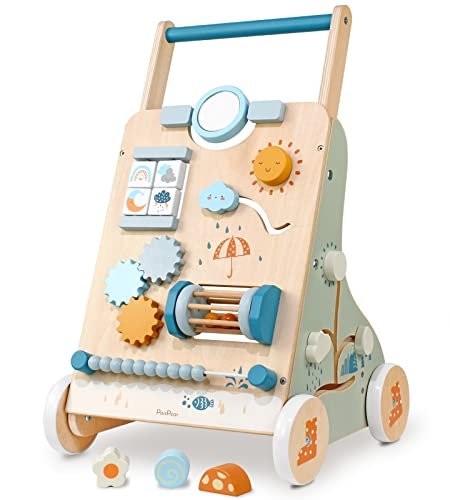
Activities such as sliding gliders, moving beads, spinning dials, and manipulating shapes require toddlers to use precise hand movements.
Repeated practice helps strengthen the muscles needed for more advanced tasks later in childhood.
Improving Finger Dexterity
Interactive components encourage children to grasp, pinch, rotate, and maneuver objects.
These seemingly simple actions contribute significantly to developing coordination and control.
Building Hand-Eye Coordination
When toddlers move objects along tracks or complete activity challenges, they are coordinating what they see with how they move their hands.
This skill supports everything from sports and art to academic learning later on.
Encouraging Cognitive Development Through Play
A thoughtfully designed activity center offers much more than physical entertainment.
Understanding Cause and Effect
One of the most important lessons young children learn is that their actions create outcomes.
When a child pushes a glider along a track, spins a wheel, or moves a bead through a maze, they begin understanding how their actions influence the world around them.
This understanding forms the foundation for future reasoning and problem-solving skills.
Developing Problem-Solving Abilities
Many activity center features require children to think critically and experiment.
They may need to determine how a piece moves, figure out how shapes fit together, or discover what happens when they interact with different elements.
These experiences encourage persistence, curiosity, and independent thinking.
Supporting Early Learning Concepts
Activity centers often introduce toddlers to shapes, colors, patterns, movement, and spatial awareness in ways that feel natural and enjoyable.
Because children are actively engaged, learning occurs organically through play.
Promoting Gross Motor Development
Although activity centers are often associated with fine motor skills, they also support larger physical movements.
Encouraging Movement
Toddlers frequently move around the activity center, reaching from different angles and shifting positions as they explore.
This encourages balance, coordination, and body awareness.
Supporting Seated and Kneeling Play
Many activity centers are designed to accommodate children who are sitting independently or kneeling comfortably.
These positions help strengthen core muscles while supporting stable play experiences.
Building Confidence Through Exploration
As toddlers gain mastery over different activities, they develop confidence in their abilities.
This confidence often encourages them to continue exploring and trying new challenges.
Why Open-Ended Play Is So Valuable
One of the greatest strengths of wooden activity centers is their ability to support open-ended play.
Learning at Their Own Pace
Every child develops differently.
An activity center allows toddlers to choose the activities that interest them most while exploring at their own speed.
This self-directed approach helps foster independence and confidence.
Encouraging Creativity
Even simple components can inspire imaginative play.
Animal-themed gliders may become characters in a story. Bead mazes may transform into adventure paths. The possibilities are limited only by a child's imagination.
Long-Term Engagement
Because activity centers offer multiple activities in one toy, they often remain interesting for longer periods than single-purpose toys.
Children frequently return to different features as their skills and interests evolve.
The Appeal of Nature-Inspired Themes
Many wooden activity centers use themes inspired by nature, animals, and outdoor adventures.
Capturing a Child's Imagination
Treehouses, animals, flowers, and woodland creatures naturally spark curiosity and storytelling.
These themes encourage children to engage more deeply with their play experiences.
Creating a Welcoming Play Environment
Colorful illustrations and playful designs help make activity centers visually appealing while supporting early recognition of shapes, animals, and colors.
Inspiring Exploration
Nature-themed toys often encourage children to think about the world around them while creating opportunities for imaginative adventures.
The Benefits of Wooden Toys
Wooden toys continue to be popular among parents and educators for good reason.
Durability
Wooden activity centers are often built to withstand years of daily play.
Their sturdy construction makes them ideal for families with multiple children or shared play environments.
Timeless Design
Unlike trend-driven toys that quickly lose appeal, wooden toys often offer a classic aesthetic that remains attractive for years.
Reduced Overstimulation
Many parents appreciate that wooden activity centers encourage active engagement without relying heavily on flashing lights or constant electronic sounds.
This allows children to focus on exploration and learning rather than passive entertainment.
A Perfect Addition to Playrooms and Nurseries
Activity centers fit naturally into many different environments.
Ideal for Home Use
Whether placed in a playroom, nursery, living room, or family room, they provide a dedicated space for learning and exploration.
Great for Shared Spaces
Daycare centers, waiting rooms, libraries, and classrooms often use activity centers because they encourage cooperative play while remaining durable enough for frequent use.
A Beautiful Decorative Piece
Many wooden activity centers are attractive enough to complement home décor while still serving as highly functional educational toys.
Why Activity Centers Make Excellent Gifts
Parents often appreciate gifts that combine educational value with long-term usability.
A wooden activity center offers:
- Multiple developmental activities
- Long-lasting durability
- Screen-free entertainment
- Opportunities for independent play
- Educational benefits that grow with the child
For first birthdays, holidays, milestone celebrations, and special occasions, activity centers provide a thoughtful gift that continues delivering value long after it is unwrapped.
Encouraging Parent-Child Interaction
While activity centers support independent play, they also create wonderful opportunities for family interaction.
Parents can help identify animals, count beads, describe colors, practice vocabulary, and celebrate accomplishments together. These shared experiences help strengthen emotional bonds while supporting language development and learning.
Often, the conversations and interactions inspired by play become just as valuable as the toy itself.
Final Thoughts
A wooden activity center is much more than a toy. It serves as an interactive learning environment where toddlers can develop fine motor skills, strengthen coordination, build problem-solving abilities, and explore their creativity through hands-on play.
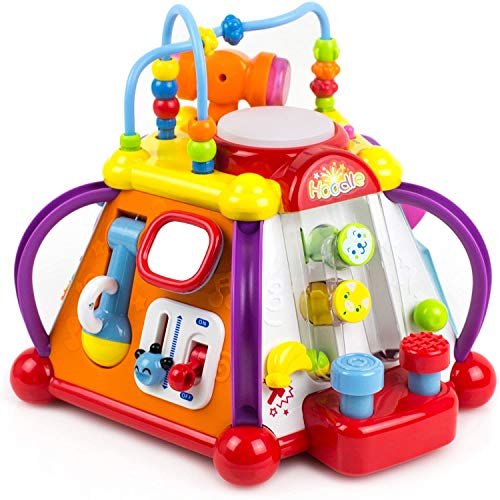
With engaging features such as bead runs, gliders, spinning components, shape activities, and imaginative themes, activity centers offer countless opportunities for discovery. Their durable construction, educational value, and timeless appeal make them a favorite among parents, educators, and children alike.
For families seeking a screen-free toy that encourages learning, creativity, and independent exploration, a quality wooden activity center can become a cherished part of a child's developmental journey and a valuable companion through the toddler years.