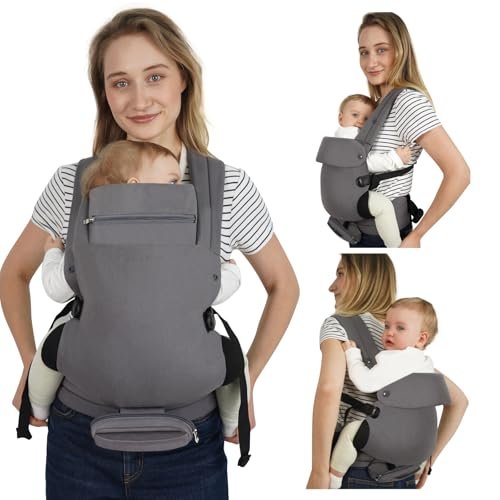
👶 [3-WAY CARRY& BONDING MODES] Cradle newborns tummy-to-tummy (7-15lbs) like a gentle hug, with breathable fabric keeping delicate skin cozy. When curious eyes want to see the world (4+ months), safely rotate baby outward to spot puppies at the park or rainbow bubbles. When your adventurer grows (12+ months), switch to back-carry mode and hike hands-free while sharing giggles over your shoulder. ☁️ [PREMIUM MATERIALS] Our toddler carrier is made of high quality cotton material, soft and sturdy, lightweight and durable. The inner side of the newborn carrier is made of mesh design, more breathable and allows you to use it for a long time without feeling uncomfortable even in hot weather. The leg openings are designed with thickened sponge padding, and the seams are well-designed to minimize friction on the skin and effectively improve comfort, so that your baby's legs can place more comfortably and naturally. ❤️ [CUSTOMIZED TO GROW TOGETHER] Our breathable baby carrier is designed to meet the needs of babies in every stage of growth from 7-44 lbs. Adjustable shoulder straps and waist belt length to accommodate baby's growth and mommy/daddy's changing body shape, making the carrier fit both adult and baby's body, enhancing wearing comfort. *Please refer to the instruction manual before use, the instruction manual is labeled with the steps of using the baby wearing wrap in different ways to help you better use the newborn baby carrier.
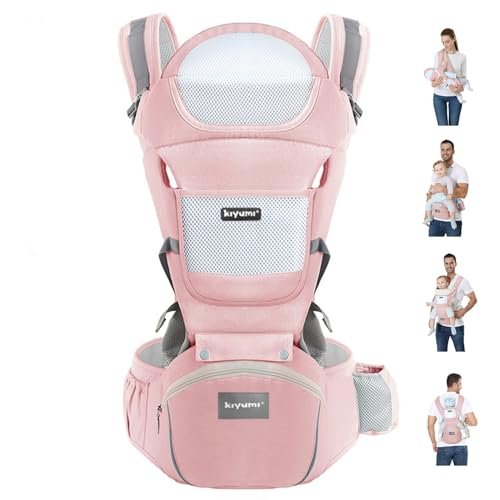
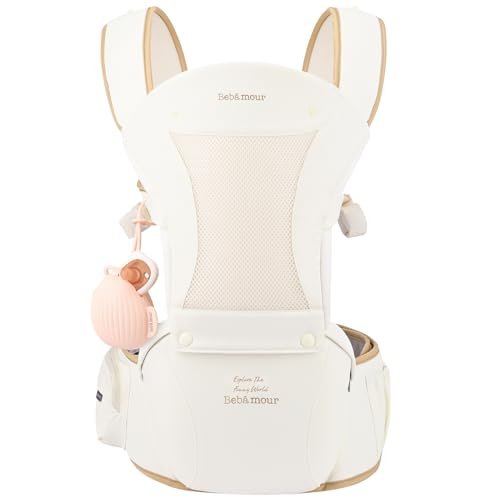
♬【6 carrying methods Baby Carriers】: 6 difffrent carrying methods for you to choose according to your baby's growth situation and scene .We can separate the shoulder straps and hip seat easily.It is suitable for children aged 0-36months. ,parents can choose the most comfortable carrying way according to the baby's growth period. ♬【Safety and Ergonomically Designed】 The thickened hip seat maintains the baby's M-shape during carrying, helping their skeletal development.Baby hip carrier is ergonomic and redistribute baby's weight evenly to ensure healthy hip development. ♬【High Quality Materials】This baby carrier newborn to toddler is made of soft baby skin-friendly fabric, which is soft and comfortable.(Suitable for babies 0-36 months, 7-45Lbs) the breathable 3D Mesh at any time to make your baby more comfortable and breathable.
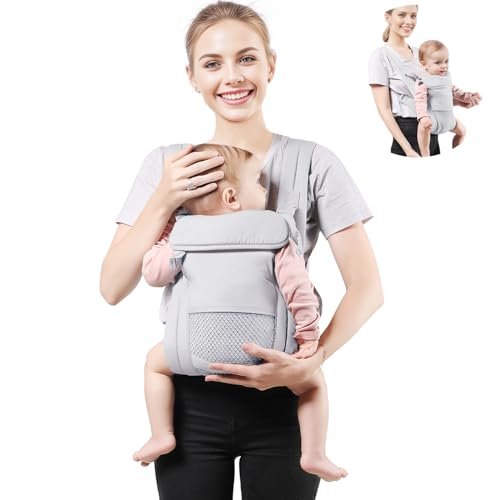
【Suitable for 7-30bls Baby】Adjustable size as your baby grows (7-30 pounds ). Shiaon baby carriers helps distribute baby's weight evenly, reducing pressure and pain in the upper back, shoulders, neck or waist, comfortable for both parent and baby. 【Easy to Wear】Quick In and out. You can put your baby in the baby carrier within 1 minute. No more messing about and struggling to get your child situated in a carrier, avoid children crying in the waiting process. 【All Seasons】This infant carrier wrap is made with premium cotton and 3D breathable mesh, comfortable, lightweight, cool and helps reduce sweat, bringing the baby the gentlest care, suitable for all seasons.
Expert Design for Safety & Comfort: Designed by a professional baby carrier manufacturer, this product ensures both your baby's safety and your comfort with ergonomic support for your back. Versatile Carrying Options: Offers 6 adjustable carrying positions to suit your baby's growth stages, including a horizontal position for newborns. Detailed instructions are included for easy use. Fully Adjustable Fit: Features wide, padded shoulder and waist straps for maximum comfort. The waistband adjusts from 65-118cm (25-46.5") and includes an extender for an additional 10 inches, ensuring a perfect fit for all body types.
Should You Travel With a Car Seat for Your Baby?Traveling with a baby requires careful planning, and one of the biggest decisions parents face is whether to bring a car seat during their trip. While carrying a car seat may seem inconvenient at first, it often provides significant advantages in terms of safety, comfort, and peace of mind.Before your next family vacation, road trip, or flight, it’s important to understand the key factors involved in traveling with a baby car seat so you can choose the option that best fits your needs.Safety Should Always Come FirstYour baby’s safety is the most important consideration when traveling. A properly installed and high-quality car seat provides essential protection during car rides, turbulence on airplanes, and unexpected situations while on the move.Before traveling, make sure your car seat is:Properly installed according to manufacturer instructionsCompatible with your vehicleCorrectly adjusted for your child’s age and weightFree from damage or excessive wearSecurely fastened at the appropriate angleParents should regularly inspect straps, buckles, padding, and connectors to ensure everything remains in safe working condition.If your baby uses a rear-facing car seat, never place it in a front passenger seat with active airbags, as this can create serious safety risks.Using your own trusted car seat also eliminates uncertainty about the condition, cleanliness, or history of rental or borrowed seats.Transportation Options While TravelingThe best transportation setup often depends on the type of trip you’re taking and how frequently you’ll be moving between locations.Air TravelMost airlines allow parents to bring a baby car seat either:As checked baggageAt the gateOr inside the cabin if the child has a purchased seatUsing an approved car seat during the flight can provide added safety and familiarity for your baby, especially during long trips.A lightweight travel car seat can also make airport navigation much easier.Road TripsFor family road trips, bringing your own car seat is usually the safest and most comfortable option. Your baby remains in a familiar environment, and you maintain full control over installation quality and cleanliness.Having your own seat also avoids the inconvenience of searching for rental options after arriving at your destination.Rental Cars & Ride-Sharing ServicesWhile some car rental companies offer car seat rentals, availability and quality can vary significantly. Rental seats may not always meet your cleanliness standards or installation expectations.Ride-sharing services may also require you to provide your own car seat depending on local regulations and the age of your child.Bringing your own seat ensures consistency and peace of mind wherever you travel.Public TransportationBuses, trains, and other forms of public transportation often have different policies regarding car seats. Before traveling, check the transportation provider’s guidelines to determine:Whether car seats are requiredHow they must be securedIf special seating arrangements are neededPlanning ahead can help avoid unnecessary stress during your journey.Practicality & ConvenienceAlthough carrying a car seat may initially seem bulky, modern travel-friendly models are designed to be lightweight, compact, and easier to transport.Many travel car seats now feature:Lightweight constructionFoldable or compact designsQuick installation systemsCompatibility with stroller framesComfortable carrying strapsUsing a stroller frame compatible with your infant car seat can make airport transfers and sightseeing much more manageable.A familiar car seat can also help babies feel more secure and comfortable during travel, reducing stress for both parents and children.Is Bringing Your Own Car Seat Worth It?For many families, the answer is yes.Bringing your own car seat offers several advantages:Better safety controlFamiliar comfort for your babyCleaner and more reliable equipmentEasier transitions between transportation methodsLong-term cost savings compared to repeated rentalsParents who travel frequently often find that investing in a dedicated travel car seat becomes extremely worthwhile over time.Understanding the CostsTraveling with a car seat can involve additional expenses, but it’s important to compare those costs against convenience and safety benefits.Potential expenses may include:Purchasing a travel-friendly car seatAirline baggage fees (if applicable)Travel bags or protective coversAdditional storage space during transitHowever, relying on rentals can also become expensive, especially for frequent travelers. Rental availability may vary, and not all rental seats offer the same level of quality or cleanliness.Investing in your own lightweight travel seat can often provide better long-term value and greater peace of mind.Tips for Traveling With a Baby Car SeatTo make traveling smoother, consider these practical tips:Use a protective travel bag for flightsLabel your car seat clearly with contact informationPractice installation before your tripChoose FAA-approved seats for air travelUse lightweight stroller compatibility when possibleBring cleaning wipes for quick maintenanceCheck airline and transportation policies ahead of timePreparation can make traveling with a car seat far less stressful and much more efficient.Final ThoughtsTraveling with a baby car seat may require extra planning, but for many parents, the benefits far outweigh the inconvenience. Safety, familiarity, comfort, and long-term practicality are major advantages that can help make family travel smoother and more enjoyable.Whether you’re flying across the country, taking a road trip, or simply navigating a busy city, having the right car seat setup can provide confidence and peace of mind throughout your journey.
How to Keep Your Baby Safe in Crowded PlacesTaking your baby into crowded places can feel overwhelming for many parents. Busy shopping centers, airports, events, festivals, public transportation, and tourist attractions often come with distractions, noise, and unpredictable situations that require extra attention and preparation.While crowded environments can be exciting and enjoyable, keeping your baby safe should always remain the top priority. With thoughtful planning, the right baby gear, and strong awareness of your surroundings, you can confidently navigate busy places while protecting your little one.Here are some practical tips to help keep your baby safe in crowded environments.Choose Safe & Comfortable Babywearing OptionsOne of the safest and most practical ways to move through crowded areas with a baby is by using a reliable baby carrier.Babywearing helps keep your baby:Close to your bodyMore secure in busy environmentsProtected from accidental bumpsComforted by physical closenessIt also keeps your hands free, making it easier to carry bags, navigate crowds, or manage other responsibilities.Types of Baby CarriersDifferent babywearing options work well depending on your comfort level and your baby’s age.Structured Baby CarriersStructured carriers with padded straps and secure buckles offer strong support and are excellent for long outings.Look for carriers that provide:Adjustable strapsProper neck and head supportErgonomic positioningBreathable fabricSecure fastening systemsBaby WrapsSoft baby wraps create a snug and cozy fit while allowing flexibility in positioning.Wraps are especially popular for newborns because they:Promote bondingOffer skin-to-skin closenessDistribute weight evenlyAllow hands-free movementSlingsBaby slings are lightweight and easy to use for shorter trips or quick errands.However, it’s important to ensure your baby’s airway remains clear and their head is properly supported at all times.Always follow manufacturer safety guidelines for any babywearing product you use.Plan Ahead Before Going OutStrategic planning can significantly reduce stress and improve safety when visiting crowded places with your baby.Before leaving home:Research the locationIdentify family-friendly areasLocate restrooms and baby-changing stationsCheck crowd levels and peak hoursReview parking and exit locationsWhenever possible, try to visit popular places during less crowded times to reduce overstimulation and improve mobility.Pack Essential Baby SuppliesA well-prepared diaper bag can make a huge difference during busy outings.Important items may include:Diapers and wipesExtra clothingBottles or snacksPacifiersBurp clothsBaby blanketHand sanitizerSmall first aid kitEmergency contact informationHaving everything organized and easily accessible helps you respond quickly when needed.Dress Your Baby for VisibilityIn crowded environments, choosing clothing that makes your baby easy to identify can be helpful.Bright colors, distinctive patterns, or noticeable accessories may help you quickly spot your child in busy areas.If your baby uses a stroller, consider attaching a recognizable tag, ribbon, or accessory for easier identification.Maintain Constant CommunicationIf you're visiting crowded places with a partner, family member, or group, communication becomes extremely important.Before entering busy areas:Agree on meeting pointsAssign responsibilitiesDiscuss emergency proceduresDecide who is primarily watching the babyGood communication helps everyone stay organized and reduces confusion if unexpected situations occur.Create an Emergency PlanEven with careful preparation, emergencies can happen. Having a simple plan in place can help you react more calmly and efficiently.Important emergency preparations include:Identifying nearby exitsKnowing where security staff are locatedSaving emergency numbers in your phoneCarrying medical information if neededAgreeing on a reunification spotIf traveling with multiple adults, assign roles ahead of time so everyone knows what to do during stressful situations.Stay Alert & Aware of Your SurroundingsCrowded places can be distracting, but staying aware of your surroundings is one of the best ways to protect your baby.Pay attention to:Fast-moving crowdsUneven surfacesEscalators and stairsPotential tripping hazardsLoud noises or overstimulating environmentsTry to avoid situations where people are pushing or rushing aggressively through crowds.Be Careful With Strollers in Crowded AreasStrollers can be convenient, but they may also become difficult to maneuver in very crowded spaces.When using a stroller:Always lock the brakes when stoppedKeep valuables secureAvoid hanging heavy bags on handlesStay aware of wheel positioning near curbs or escalatorsUse stroller sunshades when outdoorsIn extremely crowded areas, babywearing may sometimes be safer and easier than navigating with a stroller.Protect Your Baby From Germ ExposureBusy public places naturally expose babies to more germs and bacteria.Helpful hygiene habits include:Washing your hands frequentlyUsing baby-safe sanitizing wipesAvoiding unnecessary contact with strangersCleaning shopping cart handles or public surfacesKeeping feeding items clean and coveredIf your baby is very young or has health concerns, consult your pediatrician about appropriate precautions in public spaces.Know Your Baby’s LimitsCrowded places can become overstimulating for babies. Loud sounds, bright lights, unfamiliar faces, and constant movement may cause stress or discomfort.Watch for signs that your baby may need a break, including:FussinessCryingYawningRubbing eyesIncreased irritabilityTaking quiet breaks in calmer areas can help your baby relax and recharge.Final ThoughtsKeeping your baby safe in crowded places requires preparation, awareness, and flexibility. By planning ahead, choosing secure babywearing or stroller options, staying organized, and maintaining clear communication, you can reduce stress and navigate busy environments more confidently.Every outing is different, and unexpected situations can happen, but staying calm and prepared can help you protect your little one while still enjoying meaningful experiences together.With thoughtful precautions and good planning, crowded places can become much easier — and safer — for both parents and babies.
How to Handle Baby Safety During TravelTraveling with a baby can be an exciting and memorable experience, but it also requires extra planning and attention to safety. Whether you’re taking a short road trip, flying across the country, or traveling internationally, ensuring your baby’s comfort, health, and security should always remain a top priority.From proper car seat use to emergency preparedness and baby-friendly accommodations, thoughtful preparation can help make traveling smoother and far less stressful for parents and babies alike.Here are some important baby travel safety tips every parent should know.Prioritize Car Seat SafetyOne of the most important aspects of baby travel safety is proper car seat use.Whether traveling by personal vehicle, rental car, or rideshare service, your baby should always ride in an appropriate car seat that is correctly installed.Use the Right Car SeatChoose a car seat based on your baby’s:AgeWeightHeightDevelopmental stageInfants should remain in rear-facing car seats for as long as recommended by safety guidelines because rear-facing seats provide better protection for the head, neck, and spine.Proper Installation MattersA high-quality car seat is only effective if installed correctly.Always:Follow manufacturer instructionsSecure the seat tightlyEnsure straps fit snuglyPosition the chest clip correctlyDouble-check stability before travelMany communities also offer certified car seat inspection programs for parents who want additional guidance.Never Leave Your Baby Alone in a VehicleEven during quick stops or errands, babies should never be left unattended in a vehicle.Temperatures inside cars can rise or drop dangerously fast, even in mild weather conditions.Always take your baby with you whenever exiting the vehicle.Pack Essential Baby SuppliesTraveling becomes much easier when you’re fully prepared with essential baby items.Packing thoughtfully helps reduce stress and ensures you can respond quickly to your baby’s needs.Important Baby Travel EssentialsHelpful items to pack may include:DiapersWipesChanging padExtra clothingBibs and burp clothsBottles and formulaBreastfeeding suppliesSnacks for older babiesBaby blanketPacifiersFavorite toys or comfort itemsKeeping essentials easily accessible during travel can make a major difference.Don’t Forget Feeding SuppliesBabies may need frequent feeding breaks during travel.Pack enough:FormulaBreast milkBottlesSnacksWater for older infantsto account for delays or unexpected schedule changes.Portable bottle warmers or insulated bottle bags can also be helpful while traveling.Choose Baby-Friendly AccommodationsWhere you stay can significantly affect your baby’s comfort and safety during travel.Baby-friendly accommodations can simplify routines and reduce the amount of gear you need to bring.Look for Helpful AmenitiesWhen booking accommodations, consider properties that offer:Cribs or bassinetsHigh chairsBaby bathtubsKitchenettesLaundry accessBlackout curtainsQuiet sleeping areasThese features can make your stay far more comfortable and convenient.Create a Safe Sleep EnvironmentSafe sleep remains important while traveling.Your baby’s sleep area should remain:FirmFlatClear of loose beddingFree from pillows and stuffed toysPortable travel cribs or bassinets can provide safer sleep options while away from home.Maintain Health & Emergency PreparednessPreparing for possible health concerns before your trip can help reduce stress if unexpected situations arise.A little preparation goes a long way when traveling with babies.Pack a Baby First Aid KitA small travel first aid kit may include:ThermometerInfant pain relieverBandagesAntiseptic wipesSaline dropsNasal aspiratorPrescription medicationsEmergency contact informationHaving these items nearby can help you respond quickly to minor issues.Stay Updated on VaccinationsBefore traveling, ensure your baby’s vaccinations are current according to your pediatrician’s recommendations.Depending on your destination, additional travel-related health precautions may also be advised.Research Local Healthcare OptionsBefore arriving at your destination, identify nearby:HospitalsPediatric clinicsPharmaciesEmergency servicesThis preparation can be especially valuable during international travel or trips to unfamiliar areas.Monitor Hydration & TemperatureBabies can become dehydrated or overheated more quickly than adults.Pay close attention to:Feeding frequencyWet diapersBody temperatureComfort levelsDress your baby appropriately for the climate and adjust layers as needed.Practice Safe Air Travel HabitsFlying with a baby requires some additional planning to maintain safety and comfort.Use FAA-Approved Car Seats When PossibleFor air travel, many experts recommend using an FAA-approved car seat on the airplane whenever possible.This provides:Better protection during turbulenceMore familiar comfort for your babySafer restraint during the flightAlways verify airline car seat policies before traveling.Help Reduce Ear PressureChanges in cabin pressure during takeoff and landing can make babies uncomfortable.Feeding during ascent or descent may help relieve ear pressure through swallowing.This may include:BreastfeedingBottle feedingPacifier useThese actions can help reduce discomfort during flights.Keep Your Baby Entertained SafelyTravel can feel long and overstimulating for babies.Bring a few familiar items such as:Soft toysBooksTeethersSensory toysto help keep your baby calm and comfortable during the journey.Prepare for Unexpected DelaysTravel delays are common, especially during busy seasons.Pack extra:DiapersClothingFormulaSnacksWipesto account for unexpected schedule disruptions.It’s often safer to pack more than you think you’ll need.Stay Flexible With RoutinesTravel can temporarily disrupt sleep schedules and feeding routines.While maintaining consistency can help, flexibility is also important during travel days.Pay attention to your baby’s cues and adjust expectations when necessary.Trust Your InstinctsParents often recognize when something feels “off” with their baby.If your baby seems unusually:LethargicIrritableFeverishDehydratedDifficult to comfortseek medical guidance promptly.Your instincts are valuable during travel situations.Final ThoughtsHandling baby safety during travel involves thoughtful planning, proper safety equipment, and preparation for unexpected situations. From secure car seat use and safe sleep environments to emergency preparedness and baby-friendly accommodations, each step contributes to a safer and more enjoyable travel experience.While traveling with a baby may feel overwhelming at times, good preparation can help you navigate challenges more confidently and comfortably.With patience, flexibility, and attention to safety, family travel can become a rewarding and memorable experience for everyone involved.
Understanding Baby Separation Anxiety: Gentle Ways to Help Your Little One Feel SecureOne day your baby is happily playing nearby while you move around the house, and the next they seem upset the moment you walk out of the room. For many parents, this sudden clinginess can be surprising, exhausting, and even heartbreaking. However, separation anxiety is a completely normal part of infant and toddler development.As babies grow, they begin to understand that they are separate individuals from their parents. At the same time, they develop strong emotional attachments to the people who care for them most. While this is a positive and healthy developmental milestone, it can also lead to feelings of distress whenever a trusted caregiver disappears from view.Whether your baby cries when you leave the room, struggles during daycare drop-offs, or becomes upset when left with family members, it's important to remember that these reactions are often signs of a strong and loving bond.The good news is that separation anxiety is typically temporary. With patience, consistency, and plenty of reassurance, most children gradually develop the confidence needed to handle separations more comfortably. Understanding what your baby is experiencing can help you respond in ways that support their emotional development while making this phase easier for the entire family.What Is Separation Anxiety?Separation anxiety refers to the distress babies and young children may experience when separated from a parent or primary caregiver.This developmental stage commonly begins around six to eight months of age and often becomes more noticeable during the first and second years of life. During this period, babies develop a stronger awareness of their surroundings and become deeply attached to the people they rely on for comfort, safety, and care.As their understanding of the world expands, babies begin to realize that parents continue to exist even when they are no longer visible. While this new understanding is an important cognitive milestone, it can also create worry when they cannot see the people they trust most.For many children, separation anxiety appears during specific situations such as bedtime, daycare transitions, babysitting arrangements, or even brief moments when a parent steps into another room.Why Separation Anxiety Is a Normal Part of DevelopmentAlthough separation anxiety can be challenging, it is often a sign that your baby's emotional and cognitive skills are developing appropriately.Growing Awareness of RelationshipsYoung babies initially live very much in the present moment. As they mature, they begin to recognize familiar faces, establish attachments, and understand the importance of relationships.This growing awareness allows babies to form meaningful emotional bonds with caregivers. While these attachments are healthy and necessary, they can also make temporary separations feel upsetting.Understanding Object PermanenceOne of the most important developmental milestones associated with separation anxiety is object permanence.Object permanence refers to a child's growing understanding that people and objects continue to exist even when they cannot see them. Once babies develop this awareness, they begin to notice when parents leave and may worry about when they will return.Ironically, the very skill that helps babies understand the world more accurately can temporarily make separations feel more difficult.Building Emotional SecurityOver time, repeated experiences of separation and reunion teach children that parents leave and come back. These experiences gradually build trust and emotional security, helping children become more confident and independent.Common Signs of Separation AnxietyEvery baby expresses separation anxiety differently.Some children become upset only occasionally, while others experience stronger emotional reactions. Understanding the signs can help parents respond with empathy and patience.Crying When a Parent LeavesOne of the most recognizable signs is crying or fussiness when a caregiver leaves the room.Even brief separations can trigger distress, especially if a baby is tired, hungry, or feeling overwhelmed.Increased ClinginessMany babies seek extra physical closeness during periods of separation anxiety.You may notice your child wanting to be held more often, following you around the house, or becoming upset when placed down for independent play.Difficulty With New CaregiversBabies experiencing separation anxiety may initially resist being cared for by relatives, babysitters, or childcare providers, even if they have met them before.This reaction usually improves with familiarity and consistent positive experiences.Sleep ChallengesSome babies who are experiencing separation anxiety may become more resistant to naps or bedtime routines.Nighttime wake-ups may also increase as babies seek reassurance and connection with caregivers.Creating a Predictable Daily RoutineOne of the most effective ways to support a baby experiencing separation anxiety is through consistency.Babies feel more secure when they know what to expect throughout the day. Predictable routines create a sense of stability and help children understand that their world remains safe and familiar.Establish Regular Daily PatternsConsistent schedules for feeding, naps, playtime, and bedtime can provide reassurance during a period when emotions may feel overwhelming.While every day does not need to be identical, maintaining familiar patterns can help reduce uncertainty.Use Familiar RitualsSimple routines often become powerful sources of comfort.Reading the same bedtime story, singing a favorite lullaby, or following a consistent nap routine can signal safety and predictability to your child.Over time, these rituals become emotional anchors that help babies feel secure.Practicing Gentle and Gradual SeparationsLearning to be apart from parents is a skill that develops gradually.Rather than avoiding separations completely, gentle practice can help babies build confidence over time.Start SmallBegin with very short separations.For example, step into another room for a few moments while continuing to speak calmly so your baby can hear your voice. Return before your child becomes overly distressed.These brief experiences help reinforce the idea that separations are temporary.Increase Time GraduallyAs your baby becomes more comfortable, gradually extend the length of time you spend apart.Small successes help build trust and confidence without overwhelming your child.Practice With Trusted CaregiversAllowing your baby to spend short periods with trusted family members can also help them learn that they can feel safe and cared for even when you are not present.The goal is not to eliminate attachment but to expand your child's circle of trusted relationships.The Importance of Comfort and ReassuranceWhen babies experience separation anxiety, they are not being difficult or manipulative. They are expressing a genuine emotional need for comfort and connection.Respond With EmpathyAcknowledging your baby's feelings helps them feel understood.Gentle cuddles, soothing words, and a calm presence can go a long way in helping your child regulate difficult emotions.Maintain a Calm GoodbyeLong, emotional goodbyes can sometimes increase anxiety.A brief, confident farewell communicates that you trust the situation and expect to return. This can help your baby feel more secure than repeated departures and returns.Focus on ReunionsWhen you return, greet your baby warmly and positively.These consistent reunions reinforce an important lesson: even when parents leave, they always come back.Over time, this repeated experience strengthens trust and reduces anxiety.Helping Your Baby Build ConfidenceWhile it is natural to comfort your child, it is also important to encourage age-appropriate independence.Encourage Independent PlayProviding opportunities for short periods of independent play can help babies develop confidence in their own abilities.Start small by remaining nearby while allowing your child to explore toys independently.Celebrate Small SuccessesEvery successful separation, no matter how brief, is a step forward.Positive encouragement helps reinforce confidence and resilience as your child learns to navigate new experiences.When Separation Anxiety May Feel More IntenseCertain situations can temporarily increase separation anxiety, including:Changes in routineStarting daycareFamily travelIllnessTeething discomfortDevelopmental milestonesMoving to a new homeDuring these periods, your child may need additional patience and reassurance while adjusting to new circumstances.Supporting Yourself as a ParentSeparation anxiety can be emotionally draining for parents as well.Hearing your baby cry when you leave can trigger feelings of guilt, frustration, or sadness. It's important to remember that separation anxiety is not a reflection of poor parenting. In fact, it often reflects a strong attachment between parent and child.Giving yourself grace during this phase is just as important as supporting your baby. Seeking help from family members, friends, or parenting communities can make challenging days feel more manageable.Final ThoughtsSeparation anxiety is a common and healthy stage of childhood development that reflects your baby's growing awareness of relationships and emotional connections. While it can be difficult for both parents and children, it is usually temporary and gradually improves with time.By creating predictable routines, practicing gentle separations, offering consistent reassurance, and responding with patience and empathy, you can help your child build the confidence needed to handle time apart more comfortably.Every comforting hug, calm goodbye, and joyful reunion helps strengthen your child's sense of security. With your support and understanding, your baby will learn that separations are temporary, relationships remain strong, and the people they love always return.
How to Prevent Jet Lag in Babies: Practical Travel Tips for Better Sleep and Happier Family TripsTraveling with a baby can be one of the most rewarding ways to create family memories, but crossing time zones often comes with a challenge many parents dread: jet lag. While adults may struggle with fatigue, disrupted sleep, and difficulty adjusting to a new schedule, babies can experience similar challenges—often expressing their discomfort through fussiness, shortened naps, night waking, and changes in feeding routines.For parents, a vacation or family visit can quickly become exhausting when a baby who normally sleeps well suddenly wakes up at odd hours or struggles to settle down. Fortunately, there are practical steps you can take before, during, and after your trip to help minimize the effects of jet lag and make the adjustment process easier for everyone.Although it's impossible to completely eliminate the impact of traveling across time zones, understanding how your baby's sleep patterns work and preparing in advance can significantly improve the experience. With patience, flexibility, and a few simple strategies, many babies adapt surprisingly well to new schedules.If you're planning a family vacation, international trip, or visit to relatives in another time zone, this guide will help you understand how to reduce jet lag and support healthy sleep habits while traveling with your baby.Why Babies Experience Jet LagJet lag occurs when the body's internal clock, often referred to as the circadian rhythm, becomes out of sync with the local time at your destination.Babies rely heavily on consistent sleep schedules, feeding routines, and environmental cues to regulate their daily rhythms. When these cues suddenly change due to travel across time zones, their bodies need time to adjust.Unlike adults, babies cannot understand why bedtime suddenly happens earlier or later than usual. As a result, they may become confused by the new schedule and struggle to fall asleep or stay asleep.The number of time zones crossed, your baby's age, temperament, and sleep habits can all influence how quickly they adapt.Understanding Your Baby's Natural Sleep PatternsBefore you can help your baby adjust to a new time zone, it's helpful to understand their current sleep habits.Every baby has unique sleep needs. Some infants are naturally flexible and adapt quickly to changes, while others thrive on routine and may require more time to adjust.Observe Sleep CuesPay attention to your baby's natural signals of tiredness.Common signs include:Rubbing eyesYawningReduced activityFussinessLooking away from stimulationRecognizing these cues while traveling can help you respond before your baby becomes overtired, which often makes sleep more difficult.Know Your Baby's Sleep ScheduleUnderstanding your baby's usual nap times, bedtime, and wake-up routine provides a helpful foundation for planning adjustments before your trip.Keeping track of these patterns for a week or two before traveling can help identify the best strategy for transitioning to a new time zone.Start Adjusting Before You LeaveOne of the most effective ways to reduce jet lag is to begin preparing before your departure.Shift Bedtime GraduallyIf possible, start adjusting your baby's schedule several days before traveling.Move bedtime, wake-up time, and meal times by approximately 15 to 30 minutes each day toward the destination's schedule.For example, if you're traveling to a destination where bedtime will occur earlier, begin gradually moving your baby's bedtime earlier before departure.Small adjustments often feel less disruptive than attempting a complete schedule change all at once.Adjust Nap Times TooMany parents focus only on nighttime sleep, but daytime naps also play an important role.Gradually shifting naps alongside bedtime can help your baby's internal clock adapt more smoothly.Use Natural Light to Reset Your Baby's Body ClockLight is one of the most powerful tools for regulating sleep cycles.Exposure to natural daylight helps signal to the brain when it's time to be awake and alert.Prioritize Morning SunlightOnce you arrive at your destination, try to spend time outdoors during daylight hours.Morning sunlight can be especially helpful in encouraging your baby's body to adapt to the local schedule.A stroller walk, outdoor breakfast, or time at a local park can provide beneficial exposure while helping your family settle into the new environment.Reduce Evening Light ExposureJust as daylight encourages wakefulness, dimmer lighting helps prepare the body for sleep.As bedtime approaches, reduce exposure to bright lights and screens whenever possible. Creating a calm environment in the evening can support the transition to sleep in the new time zone.Create a Familiar Sleep EnvironmentNew places can feel exciting but also unfamiliar for babies.Maintaining elements of your baby's normal sleep environment can provide comfort and consistency during travel.Bring Familiar Sleep ItemsWhenever possible, pack items your baby associates with bedtime.Examples include:Favorite sleep sackFamiliar blanket (if age-appropriate and used safely)Lovey or comfort itemWhite noise machinePortable nightlightThese familiar objects can help signal that it's time to sleep, even in a new location.Recreate Your Home RoutineBabies often find comfort in predictability.Try to maintain your usual bedtime routine as closely as possible, including activities such as:Bath timePajamasFeedingReading a storySinging a lullabyThe sequence itself often becomes a powerful cue for sleep.Manage Sleep During the FlightAir travel presents unique challenges for babies, especially on long-haul flights.Encourage Sleep When PossibleIf the flight coincides with your baby's normal sleep time, do your best to encourage rest.Dressing your baby in comfortable sleepwear, using familiar sleep cues, and maintaining a calm atmosphere may help support sleep during travel.Stay FlexibleWhile routines are helpful, travel days often require flexibility.Some babies sleep less than usual during flights, while others sleep more. Avoid stressing over perfect schedules and focus instead on keeping your baby comfortable.Avoid OvertirednessOne of the biggest contributors to travel-related sleep difficulties is overtiredness.When babies become excessively tired, falling asleep can actually become more challenging.Watch Wake Windows CarefullyPay attention to how long your baby has been awake between naps and bedtime.Travel excitement, unfamiliar surroundings, and stimulating environments can sometimes mask signs of fatigue until your baby suddenly becomes overwhelmed.Responding early to sleep cues can help prevent overtired meltdowns.Feeding and Hydration During TravelTravel can sometimes disrupt feeding schedules.While maintaining routines is helpful, flexibility may be necessary during travel days.Offering regular feedings and ensuring adequate hydration can help support your baby's overall comfort while adjusting to a new environment.Well-fed babies often handle travel-related disruptions more easily than hungry or dehydrated ones.How Long Does Baby Jet Lag Last?Every baby adjusts differently.Some infants adapt within a day or two, while others may require several days to fully settle into a new schedule.A commonly cited guideline suggests that adjustment may take approximately one day per time zone crossed, although individual experiences vary considerably.Patience is important during this process.Most babies eventually adapt as they receive consistent exposure to local sleep schedules, meal times, and daylight patterns.Practical Travel Tips for ParentsWhen traveling across time zones with a baby:Keep expectations realistic.Focus on flexibility rather than perfection.Prioritize sleep opportunities.Use daylight strategically.Maintain familiar bedtime routines.Offer extra comfort during the adjustment period.Allow time for adaptation.A relaxed approach often helps both parents and babies navigate travel more successfully.Final ThoughtsTraveling with a baby across time zones can feel intimidating, but jet lag doesn't have to ruin your family adventure. By understanding your baby's sleep patterns, gradually adjusting schedules before departure, maximizing exposure to natural light, and creating a familiar sleep environment, you can significantly reduce the challenges associated with travel-related sleep disruptions.The key is preparation, patience, and flexibility. Every baby responds differently, and even the best travel plan may require adjustments along the way. Fortunately, most babies are remarkably adaptable when given the support, comfort, and consistency they need.With thoughtful planning and realistic expectations, your family can spend less time worrying about sleep schedules and more time enjoying the experiences, memories, and adventures that make traveling together so special.
How to Keep Your Baby Safe During Outdoor PlayOutdoor play offers babies a wonderful opportunity to explore the world around them. Fresh air, natural light, new sounds, different textures, and open spaces all contribute to early learning and development. Whether you're spending time in the backyard, visiting a local park, enjoying a family picnic, or taking a stroll through nature, outdoor experiences can help stimulate curiosity and encourage healthy growth.However, while outdoor play can be exciting and beneficial, it also introduces new safety considerations for parents and caregivers. Uneven surfaces, sun exposure, insects, water hazards, and unfamiliar environments require extra attention when young children are involved.The good news is that a few simple precautions can help create a safe and enjoyable outdoor experience for your baby. By planning ahead, staying attentive, and choosing age-appropriate equipment, you can confidently support your child's outdoor adventures while minimizing potential risks.Why Outdoor Play Is Important for BabiesBabies learn through exploration. Every sight, sound, texture, and movement helps them understand the world around them.Outdoor environments provide unique sensory experiences that indoor spaces often cannot replicate. Feeling grass beneath tiny feet, listening to birds sing, watching leaves move in the wind, and observing different colors and shapes can all support early cognitive development.Outdoor play also encourages movement. As babies roll, crawl, reach, stand, and eventually walk, they develop important physical skills that contribute to balance, coordination, and confidence.While these experiences are valuable, creating a safe environment allows your baby to explore without unnecessary dangers.Creating a Safe Outdoor Play AreaBefore allowing your baby to play outside, take a few moments to inspect the area carefully.Check for Potential HazardsOutdoor spaces can contain hidden risks that may not be obvious at first glance. Sharp objects, rocks, sticks, garden tools, broken toys, and small items that pose choking hazards should be removed before playtime begins.If your baby is crawling or beginning to walk, pay close attention to anything within reach. Babies naturally explore by touching and putting objects in their mouths, making regular safety checks especially important.Inspect Play EquipmentIf you're using swings, slides, activity centers, or climbing toys designed for babies and toddlers, ensure everything is sturdy and properly assembled.Look for:Loose screws or boltsCracked plastic componentsSharp edgesRusted metal partsUnstable structuresRegular inspections help prevent accidents and ensure equipment remains safe as your child grows.Choose Appropriate Ground SurfacesFalls are a normal part of childhood, especially when babies are learning to sit, crawl, stand, and walk.Whenever possible, choose soft surfaces such as:GrassRubber playground flooringSandMulch designed for playgroundsHard surfaces like concrete, stone, or asphalt can increase injury risk if your child loses balance.Protecting Your Baby From the SunSun safety should always be a priority during outdoor activities.Dress for Sun ProtectionLightweight clothing that covers the arms and legs can help reduce direct sun exposure while keeping your baby comfortable.A wide-brimmed hat provides additional protection for the face, ears, and neck. Sunglasses designed for infants and toddlers may also help shield sensitive eyes from bright sunlight.Choose breathable fabrics that help prevent overheating while still offering protection.Use Baby-Safe SunscreenFor older babies, applying a broad-spectrum sunscreen can help protect exposed skin during outdoor play.Be sure to:Apply sunscreen before going outdoorsCover commonly missed areas such as ears and feetReapply as directed, especially during extended outdoor activitiesAlways follow product instructions and consult your pediatrician if you have questions about sunscreen use for your baby's age.Seek Shade During Peak HoursThe sun tends to be strongest during the middle of the day. Whenever possible, plan outdoor activities during the early morning or late afternoon when temperatures are often more comfortable.Trees, umbrellas, canopies, and covered play areas can provide additional protection from direct sunlight.The Importance of Active SupervisionNo safety product can replace attentive supervision.Stay Within ReachYoung children can move surprisingly quickly. Even babies who are only crawling can reach hazards in seconds.Remaining close allows you to respond immediately if your baby:FallsEncounters an unsafe objectApproaches stairs or waterGets tangled in equipmentActive supervision means more than simply being nearby. It involves watching your child continuously and staying engaged with their environment.Establish Clear BoundariesAs babies become more mobile, setting safe play boundaries becomes increasingly important.If you're in a backyard, ensure gates remain closed. At parks, stay within designated play areas and avoid allowing babies to wander near parking lots, roads, ponds, or other potentially dangerous locations.Consistent boundaries help children gradually learn safe limits as they grow.Choosing Baby-Friendly Outdoor GearThe right equipment can make outdoor play safer and more enjoyable for everyone.Age-Appropriate Play EquipmentWhen selecting outdoor toys and activity centers, look for products specifically designed for your child's age and developmental stage.Features to consider include:Stable constructionRounded edgesNon-toxic materialsSecure seatingAppropriate size and weight limitsActivity centers, play mats, sensory toys, and outdoor play stations can encourage exploration while providing a structured environment.Comfortable Clothing MattersBabies are more likely to enjoy outdoor play when they're comfortable.Dress your child according to the weather conditions:Breathable fabrics for warm daysLayered clothing for cooler temperaturesWaterproof gear when necessaryAvoid clothing with loose strings or small decorative parts that could create safety concerns.Water Safety Requires Extra AttentionWater can be appealing to curious babies, but it requires constant supervision.Even shallow water can pose risks to young children.Whether you're near:PoolsSplash padsLakesBeachesWater tablesMaintain close supervision at all times.Never rely solely on flotation devices or barriers. Staying within arm's reach is one of the most effective ways to help keep your baby safe around water.Be Prepared for Outdoor EmergenciesWhile most outdoor outings go smoothly, preparation can help you respond quickly if unexpected situations arise.Carry Essential SuppliesA small diaper bag or outdoor kit can make a big difference.Consider bringing:Diapers and wipesExtra clothingWater for older babies and caregiversSunscreenHatSnacks for older infantsBasic first aid suppliesHaving essentials readily available can make outdoor adventures more enjoyable and less stressful.Know Basic First AidParents don't need to become medical professionals, but learning basic first aid skills can increase confidence during outdoor activities.Understanding how to respond to minor bumps, scrapes, insect bites, or choking emergencies can provide valuable peace of mind.Encouraging Safe ExplorationOne of the most rewarding aspects of outdoor play is watching your baby discover new things independently.Instead of preventing every challenge, focus on creating an environment where exploration can happen safely.Allow your baby to:Touch different texturesObserve naturePractice movement skillsExplore age-appropriate toysExperience new sights and soundsThese experiences help build confidence, curiosity, and resilience while supporting healthy development.Common Outdoor Safety Mistakes Parents Can AvoidEven experienced parents occasionally overlook small details.Some common mistakes include:Forgetting sun protection on cloudy daysLeaving babies unattended for "just a moment"Using equipment designed for older childrenFailing to inspect play areas before useUnderestimating the risks associated with waterBeing aware of these potential pitfalls can help make outdoor play safer and more enjoyable.ConclusionOutdoor play provides countless opportunities for babies to learn, grow, and experience the world around them. From developing motor skills and sensory awareness to building curiosity and confidence, time spent outdoors can be a valuable part of early childhood.By creating a safe play environment, protecting your baby from sun exposure, choosing age-appropriate gear, maintaining active supervision, and preparing for unexpected situations, you can help ensure every outdoor adventure is both fun and secure.With thoughtful planning and attentive care, outdoor play can become one of the most rewarding parts of your baby's early years—creating lasting memories while supporting healthy development every step of the way.
 amazon
32.39
amazon
32.39