Baby Push Walker With Breaks: This walker toy made of premium high quality nature wood,comes with breaks,allowing baby to build confidence and balance as they learn to walk Activity Center Wooden Toy: Pairpear baby walker comes with 9 activity toys including rotatable mirror,abacus,spinning gears,shape sorter and much more baby learning toys.Encourage toddllers imaginative play Classical Design Walker: Easy to be assembled .Adjustable activity walkers work with the child's natural growth.Babies could put their favorite toys at the back of walker
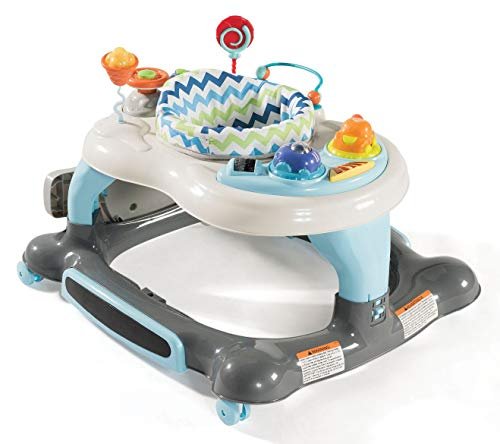
FUN & INTERACTIVE: The Storkcraft 3-in-1 Activity Walker with Jumping Board and Feeding Tray offers far more than your typical walker. An entertaining toy tray, jumping board, rocking feature, and even a feeding tray, are all combined to give your little one the ultimate interactive experience STATIONARY JUMPER: Let your baby enjoy the fun rocking feature while the jumping board is in place. The 360-degree swivel will make it easy for your little one to reach all the different toys INTERACTIVE TOY TRAY: The removable toy trays include an interactive steering wheel, ice cream cone, lollipop teether, plus cars & buttons with sounds. Made of Plastic components, polyester fabric
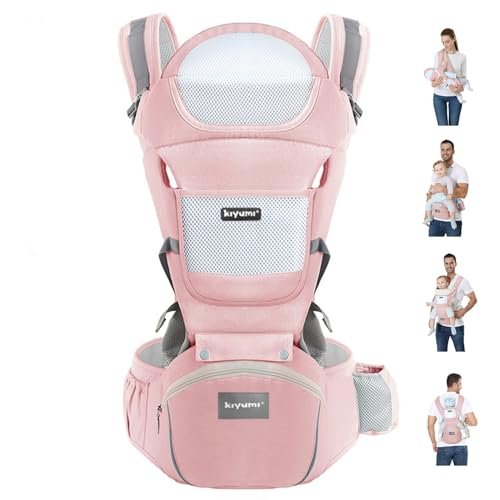
♬【6 carrying methods Baby Carriers】: 6 difffrent carrying methods for you to choose according to your baby's growth situation and scene .We can separate the shoulder straps and hip seat easily.It is suitable for children aged 0-36months. ,parents can choose the most comfortable carrying way according to the baby's growth period. ♬【Safety and Ergonomically Designed】 The thickened hip seat maintains the baby's M-shape during carrying, helping their skeletal development.Baby hip carrier is ergonomic and redistribute baby's weight evenly to ensure healthy hip development. ♬【High Quality Materials】This baby carrier newborn to toddler is made of soft baby skin-friendly fabric, which is soft and comfortable.(Suitable for babies 0-36 months, 7-45Lbs) the breathable 3D Mesh at any time to make your baby more comfortable and breathable.
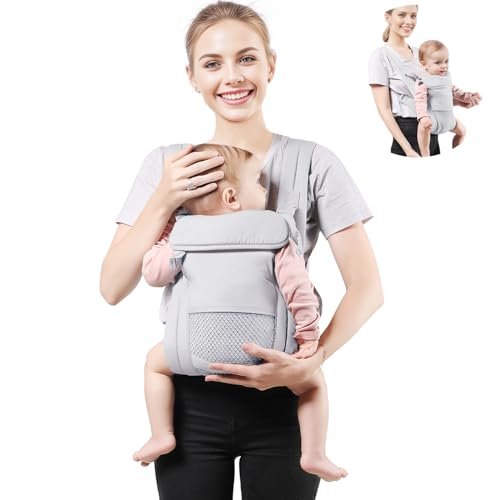
【Suitable for 7-30bls Baby】Adjustable size as your baby grows (7-30 pounds ). Shiaon baby carriers helps distribute baby's weight evenly, reducing pressure and pain in the upper back, shoulders, neck or waist, comfortable for both parent and baby. 【Easy to Wear】Quick In and out. You can put your baby in the baby carrier within 1 minute. No more messing about and struggling to get your child situated in a carrier, avoid children crying in the waiting process. 【All Seasons】This infant carrier wrap is made with premium cotton and 3D breathable mesh, comfortable, lightweight, cool and helps reduce sweat, bringing the baby the gentlest care, suitable for all seasons.
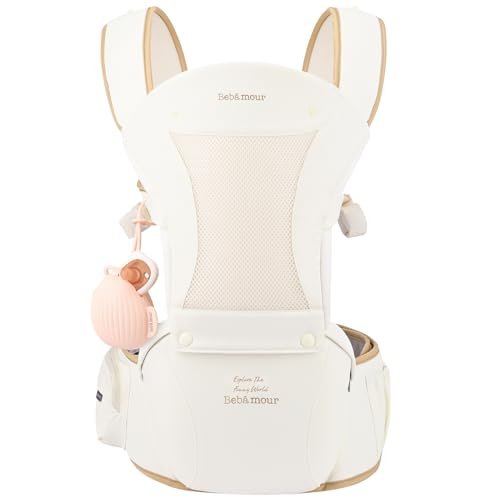
Expert Design for Safety & Comfort: Designed by a professional baby carrier manufacturer, this product ensures both your baby's safety and your comfort with ergonomic support for your back. Versatile Carrying Options: Offers 6 adjustable carrying positions to suit your baby's growth stages, including a horizontal position for newborns. Detailed instructions are included for easy use. Fully Adjustable Fit: Features wide, padded shoulder and waist straps for maximum comfort. The waistband adjusts from 65-118cm (25-46.5") and includes an extender for an additional 10 inches, ensuring a perfect fit for all body types.
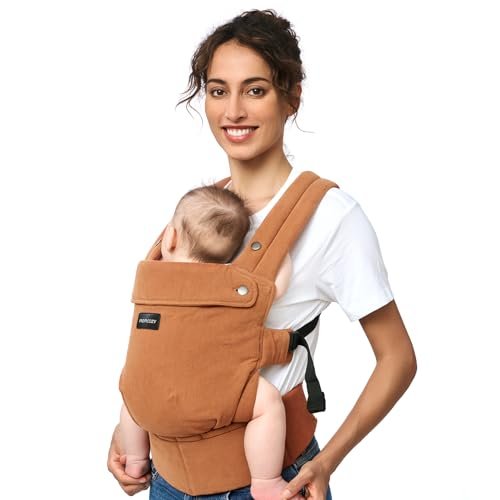
Premium Cotton Linen: Experience the luxury of Momcozy's natural, durable, and breathable cotton linen material, perfect for keeping your baby cool and comfortable. Its intuitive design provides lasting support and comfort for both you and your little one, whether at home or on the go. Grows with Your Baby: Designed to adjust through three stages, this carrier supports 7-44 lbs, ensuring a snug, ergonomic "M" position for healthy hip development and padded leg openings for optimal comfort. Ergonomic Waist EVA Support: The built-in EVA waist support not only offers crucial lumbar support but also minimizes strain on your back, ensuring a labor-saving and comfortable carrying experience.
How to Keep Your Baby Cool in Hot WeatherHot summer temperatures can quickly become uncomfortable for babies, making it important for parents to take extra precautions during warm weather. Babies are more sensitive to heat than adults because their bodies cannot regulate temperature as efficiently. Keeping your little one cool, hydrated, and protected from overheating is essential for their comfort and safety.Fortunately, with a few simple strategies, you can help your baby stay comfortable even on the hottest days.Dress Your Baby in Lightweight ClothingOne of the easiest ways to help your baby stay cool is by choosing the right clothing.Lightweight, breathable fabrics allow air to circulate and help reduce sweating and overheating.Choose Breathable FabricsSoft natural materials are usually best during hot weather.Ideal fabric choices include:CottonBambooLightweight linen blendsThese materials help absorb moisture while remaining gentle on delicate baby skin.Avoid heavy, thick, or synthetic fabrics that may trap heat.Use Light-Colored ClothingDark colors absorb more heat from sunlight, while lighter shades help reflect heat away from the body.Choose:WhiteBeigePastelsSoft neutralsLight blues or pinksto help your baby stay cooler outdoors.Avoid OverdressingBabies generally need only one light layer more than an adult would wear comfortably.Overdressing can quickly lead to overheating, especially in humid weather.Check your baby’s:NeckChestBackto monitor whether they feel too warm or sweaty.Keep Your Baby HydratedHydration is one of the most important factors in helping babies stay safe during hot weather.Offer Frequent FeedingsFor babies under approximately:6 months6\ \text{months}6 monthsbreast milk or formula should remain the primary source of hydration.Feed your baby more frequently during hot weather if they seem thirsty or unsettled.Water for Older BabiesFor babies already eating solids, small amounts of water may help support hydration during warm days.Always follow your pediatrician’s guidance regarding water intake based on your baby’s age.Watch for Signs of DehydrationBabies can become dehydrated quickly in high temperatures.Possible signs include:Dry lips or mouthFewer wet diapersUnusual fussinessSleepinessSunken soft spot on the headCrying without tearsIf you notice these symptoms, contact your healthcare provider promptly.Create a Cool Indoor EnvironmentKeeping indoor spaces cool can help your baby rest more comfortably during hot weather.Maintain Comfortable Room TemperaturesTry to keep your baby’s room comfortably cool.A room temperature around:20∘C–22∘C20^\circ\text{C}\text{–}22^\circ\text{C}20∘C–22∘Cis often considered comfortable for babies.Use Fans SafelyFans can help circulate air and improve comfort.Position fans to move air around the room rather than blowing directly on your baby continuously.You can also improve airflow by:Opening windows during cooler hoursUsing ceiling fansCreating cross-ventilationBlock Direct Sunlight IndoorsClosing curtains or blinds during the hottest parts of the day can help keep rooms cooler.Blackout curtains or thermal curtains may help reduce heat buildup significantly.Use Lightweight BeddingChoose breathable bedding materials and avoid heavy blankets during hot weather.Babies generally sleep more comfortably with:Lightweight sleep sacksThin cotton pajamasBreathable crib sheetsAvoid overdressing during naps or bedtime.Limit Outdoor Exposure During Peak HeatOutdoor time can still be enjoyable, but timing matters greatly during hot weather.Avoid Midday HeatThe sun is typically strongest between:10 AM–4 PM10\ \text{AM}\text{–}4\ \text{PM}10 AM–4 PMWhenever possible, schedule outdoor activities during:Early morningsLate afternoonsEarly eveningswhen temperatures are usually lower.Prioritize ShadeWhen outdoors, keep your baby shaded whenever possible.Helpful shade options include:Stroller canopiesUmbrellasHats with wide brimsTreesPortable tentsHowever, avoid completely covering strollers with blankets, as this can trap dangerous heat inside.Protect Your Baby’s SkinBabies have extremely sensitive skin that can burn quickly in the sun.Use Protective ClothingLightweight long sleeves, sun hats, and breathable fabrics can help reduce sun exposure.Look for clothing with built-in UV protection when possible.Apply Baby-Safe SunscreenFor babies older than approximately:6 months6\ \text{months}6 monthsuse baby-safe sunscreen on exposed skin during outdoor activities.Choose:Broad-spectrum SPFFragrance-free formulasSensitive skin productsand reapply as needed.Keep Outdoor Play Safe & ComfortableBabies can still enjoy outdoor activities safely with proper precautions.Bring Cooling EssentialsHelpful summer items may include:Portable fanCooling towelsInsulated water bottlesExtra clothingShade coversCooling stroller linersThese small tools can make outdoor trips more comfortable.Check Surfaces Before Sitting or CrawlingOutdoor surfaces can become extremely hot in direct sunlight.Always test:Playground equipmentCar seatsStrollersPavementSandbefore placing your baby on them.Never Leave Your Baby in a CarEven for a few minutes, parked cars can become dangerously hot very quickly.Temperatures inside vehicles can rise rapidly, creating a severe risk of heatstroke.Always double-check the car before locking it.Watch for Signs of OverheatingIt’s important to recognize when your baby may be getting too hot.Signs may include:Excessive sweatingFlushed skinRapid breathingFussinessLethargyWarm skinHeat rashMove your baby to a cooler area immediately if you notice these symptoms.Cool Baths Can HelpA lukewarm bath can help lower body temperature gently and comfortably during especially hot days.Avoid cold water, as sudden temperature changes may make babies uncomfortable.Keep Sleep ComfortableHot weather can sometimes disrupt sleep routines.To help improve sleep quality:Keep rooms coolDress baby lightlyUse breathable sleepwearAvoid overheating during napsComfortable sleep environments can help babies rest better during warm weather.Final ThoughtsKeeping your baby cool during hot weather involves a combination of lightweight clothing, proper hydration, sun protection, and creating a comfortable environment indoors and outdoors. By paying attention to temperature, monitoring signs of overheating, and planning activities carefully, you can help your baby stay safe, comfortable, and happy throughout the summer months.Simple daily adjustments can make a big difference in helping your little one enjoy warm weather more comfortably.
Safe Sleep Practices for BabiesCreating a safe sleep environment is one of the most important ways to protect your baby’s health and well-being. Safe sleep habits can significantly reduce the risk of sleep-related accidents and conditions such as Sudden Infant Death Syndrome (SIDS). While newborn sleep can feel overwhelming for parents, following a few essential guidelines can help create a safer and more comfortable sleeping space for your little one.Understanding safe sleep practices allows parents to feel more confident while helping babies rest safely through the night.Always Place Your Baby on Their BackOne of the most important safe sleep recommendations is placing your baby on their back for every sleep.This includes:Nighttime sleepNapsShort sleep periodsSupervised resting timesBack sleeping significantly lowers the risk of SIDS and helps keep your baby’s airway open during sleep.Why Back Sleeping MattersResearch has shown that babies who sleep on their backs are less likely to experience dangerous breathing problems during sleep.The “Back to Sleep” recommendation has helped reduce SIDS rates worldwide and remains one of the most important infant sleep safety practices.Use a Firm MattressA firm sleep surface is essential for safe infant sleep.Babies should sleep on:A firm crib mattressA bassinet mattressA properly fitted sleep surfaceSoft surfaces can increase the risk of suffocation or accidental airway obstruction.Avoid Soft Sleep SurfacesDo not place your baby to sleep on:SofasAdult bedsCushionsBean bagsSoft mattressesPillowsThese surfaces may conform around your baby’s face and make breathing difficult.Ensure the Mattress Fits ProperlyThe mattress should fit snugly inside the crib or bassinet without gaps around the edges.Loose spaces between the mattress and crib frame can create entrapment hazards for babies.Keep the Crib Free of Loose BeddingA bare sleep space is one of the safest environments for babies.Avoid placing loose items inside the crib.Items to Avoid in the CribKeep the sleeping area free from:BlanketsPillowsStuffed animalsPositionersLoose sheetsBumper padsThese items may increase the risk of suffocation or overheating.Use Fitted Sheets OnlyThe safest crib setup typically includes:A firm mattressA tightly fitted crib sheetand nothing else inside the crib.Choose Safe Sleep ClothingInstead of loose blankets, consider using wearable sleep options.Safe alternatives include:Sleep sacksWearable blanketsLightweight footed pajamasThese options help keep babies warm without introducing loose bedding hazards.Practice Room SharingRoom sharing can help improve infant sleep safety during the first months of life.What Is Room Sharing?Room sharing means your baby sleeps in your room but on a separate sleep surface such as:A cribBassinetCradleExperts often recommend room sharing for approximately:6–12 months6\text{–}12\ \text{months}6–12 monthsto help reduce SIDS risk.Benefits of Room SharingRoom sharing allows parents to:Monitor the baby more easilyRespond quickly to feeding needsComfort the baby fasterMaintain safer sleep supervisionIt can also support nighttime bonding and feeding routines.Avoid Bed SharingAlthough room sharing is recommended, bed sharing is generally not advised for infants.Adult beds may contain:Soft mattressesLoose blanketsPillowsGapsOverheating risksthat can create dangerous sleep environments for babies.Maintain a Comfortable Room TemperatureBabies can overheat more easily than adults, so maintaining a comfortable room temperature is important.A room that feels comfortable for a lightly clothed adult is usually appropriate for a baby as well.Watch for OverheatingSigns your baby may be too warm include:SweatingDamp hairFlushed cheeksRapid breathingAvoid overdressing your baby during sleep.Consider Pacifier UseSome studies suggest pacifier use during sleep may help reduce the risk of SIDS.If breastfeeding, many parents choose to wait until breastfeeding is well established before introducing a pacifier.Never force a pacifier if your baby refuses it.Avoid Smoking Around Your BabyExposure to smoke significantly increases the risk of sleep-related dangers for infants.Keep your baby’s environment completely smoke-free, including:CigarettesVapesSecondhand smokeSupervised Tummy Time While AwakeAlthough babies should sleep on their backs, supervised tummy time during awake periods is still important.Tummy time helps strengthen:Neck musclesShoulder musclesMotor developmentCoordinationAlways supervise tummy time closely.Follow Updated Sleep Safety GuidelinesInfant sleep safety recommendations can evolve over time as new research becomes available.Regular pediatric checkups can help ensure you stay informed about current safe sleep practices.Trust Safe Sleep Products CarefullyNot all marketed baby sleep products are necessarily recommended by pediatric sleep experts.Be cautious with products claiming to:Prevent SIDSPosition babiesImprove sleep safetyAlways consult trusted pediatric guidance when selecting sleep products.Create a Consistent Sleep RoutineA calm and predictable bedtime routine can help babies sleep more comfortably and safely.Simple routines may include:Bath timeFeedingSoft musicReadingGentle cuddlingConsistency often helps babies feel secure and relaxed before sleep.Final ThoughtsSafe sleep practices play a major role in protecting your baby during infancy. By placing your baby on their back, using a firm mattress, avoiding loose bedding, practicing room sharing safely, and maintaining a comfortable sleep environment, you can significantly reduce sleep-related risks.Creating a simple, consistent, and safe sleep setup helps support healthier rest for both babies and parents.
Understanding Baby Separation Anxiety: Gentle Ways to Help Your Little One Feel SecureOne day your baby is happily playing nearby while you move around the house, and the next they seem upset the moment you walk out of the room. For many parents, this sudden clinginess can be surprising, exhausting, and even heartbreaking. However, separation anxiety is a completely normal part of infant and toddler development.As babies grow, they begin to understand that they are separate individuals from their parents. At the same time, they develop strong emotional attachments to the people who care for them most. While this is a positive and healthy developmental milestone, it can also lead to feelings of distress whenever a trusted caregiver disappears from view.Whether your baby cries when you leave the room, struggles during daycare drop-offs, or becomes upset when left with family members, it's important to remember that these reactions are often signs of a strong and loving bond.The good news is that separation anxiety is typically temporary. With patience, consistency, and plenty of reassurance, most children gradually develop the confidence needed to handle separations more comfortably. Understanding what your baby is experiencing can help you respond in ways that support their emotional development while making this phase easier for the entire family.What Is Separation Anxiety?Separation anxiety refers to the distress babies and young children may experience when separated from a parent or primary caregiver.This developmental stage commonly begins around six to eight months of age and often becomes more noticeable during the first and second years of life. During this period, babies develop a stronger awareness of their surroundings and become deeply attached to the people they rely on for comfort, safety, and care.As their understanding of the world expands, babies begin to realize that parents continue to exist even when they are no longer visible. While this new understanding is an important cognitive milestone, it can also create worry when they cannot see the people they trust most.For many children, separation anxiety appears during specific situations such as bedtime, daycare transitions, babysitting arrangements, or even brief moments when a parent steps into another room.Why Separation Anxiety Is a Normal Part of DevelopmentAlthough separation anxiety can be challenging, it is often a sign that your baby's emotional and cognitive skills are developing appropriately.Growing Awareness of RelationshipsYoung babies initially live very much in the present moment. As they mature, they begin to recognize familiar faces, establish attachments, and understand the importance of relationships.This growing awareness allows babies to form meaningful emotional bonds with caregivers. While these attachments are healthy and necessary, they can also make temporary separations feel upsetting.Understanding Object PermanenceOne of the most important developmental milestones associated with separation anxiety is object permanence.Object permanence refers to a child's growing understanding that people and objects continue to exist even when they cannot see them. Once babies develop this awareness, they begin to notice when parents leave and may worry about when they will return.Ironically, the very skill that helps babies understand the world more accurately can temporarily make separations feel more difficult.Building Emotional SecurityOver time, repeated experiences of separation and reunion teach children that parents leave and come back. These experiences gradually build trust and emotional security, helping children become more confident and independent.Common Signs of Separation AnxietyEvery baby expresses separation anxiety differently.Some children become upset only occasionally, while others experience stronger emotional reactions. Understanding the signs can help parents respond with empathy and patience.Crying When a Parent LeavesOne of the most recognizable signs is crying or fussiness when a caregiver leaves the room.Even brief separations can trigger distress, especially if a baby is tired, hungry, or feeling overwhelmed.Increased ClinginessMany babies seek extra physical closeness during periods of separation anxiety.You may notice your child wanting to be held more often, following you around the house, or becoming upset when placed down for independent play.Difficulty With New CaregiversBabies experiencing separation anxiety may initially resist being cared for by relatives, babysitters, or childcare providers, even if they have met them before.This reaction usually improves with familiarity and consistent positive experiences.Sleep ChallengesSome babies who are experiencing separation anxiety may become more resistant to naps or bedtime routines.Nighttime wake-ups may also increase as babies seek reassurance and connection with caregivers.Creating a Predictable Daily RoutineOne of the most effective ways to support a baby experiencing separation anxiety is through consistency.Babies feel more secure when they know what to expect throughout the day. Predictable routines create a sense of stability and help children understand that their world remains safe and familiar.Establish Regular Daily PatternsConsistent schedules for feeding, naps, playtime, and bedtime can provide reassurance during a period when emotions may feel overwhelming.While every day does not need to be identical, maintaining familiar patterns can help reduce uncertainty.Use Familiar RitualsSimple routines often become powerful sources of comfort.Reading the same bedtime story, singing a favorite lullaby, or following a consistent nap routine can signal safety and predictability to your child.Over time, these rituals become emotional anchors that help babies feel secure.Practicing Gentle and Gradual SeparationsLearning to be apart from parents is a skill that develops gradually.Rather than avoiding separations completely, gentle practice can help babies build confidence over time.Start SmallBegin with very short separations.For example, step into another room for a few moments while continuing to speak calmly so your baby can hear your voice. Return before your child becomes overly distressed.These brief experiences help reinforce the idea that separations are temporary.Increase Time GraduallyAs your baby becomes more comfortable, gradually extend the length of time you spend apart.Small successes help build trust and confidence without overwhelming your child.Practice With Trusted CaregiversAllowing your baby to spend short periods with trusted family members can also help them learn that they can feel safe and cared for even when you are not present.The goal is not to eliminate attachment but to expand your child's circle of trusted relationships.The Importance of Comfort and ReassuranceWhen babies experience separation anxiety, they are not being difficult or manipulative. They are expressing a genuine emotional need for comfort and connection.Respond With EmpathyAcknowledging your baby's feelings helps them feel understood.Gentle cuddles, soothing words, and a calm presence can go a long way in helping your child regulate difficult emotions.Maintain a Calm GoodbyeLong, emotional goodbyes can sometimes increase anxiety.A brief, confident farewell communicates that you trust the situation and expect to return. This can help your baby feel more secure than repeated departures and returns.Focus on ReunionsWhen you return, greet your baby warmly and positively.These consistent reunions reinforce an important lesson: even when parents leave, they always come back.Over time, this repeated experience strengthens trust and reduces anxiety.Helping Your Baby Build ConfidenceWhile it is natural to comfort your child, it is also important to encourage age-appropriate independence.Encourage Independent PlayProviding opportunities for short periods of independent play can help babies develop confidence in their own abilities.Start small by remaining nearby while allowing your child to explore toys independently.Celebrate Small SuccessesEvery successful separation, no matter how brief, is a step forward.Positive encouragement helps reinforce confidence and resilience as your child learns to navigate new experiences.When Separation Anxiety May Feel More IntenseCertain situations can temporarily increase separation anxiety, including:Changes in routineStarting daycareFamily travelIllnessTeething discomfortDevelopmental milestonesMoving to a new homeDuring these periods, your child may need additional patience and reassurance while adjusting to new circumstances.Supporting Yourself as a ParentSeparation anxiety can be emotionally draining for parents as well.Hearing your baby cry when you leave can trigger feelings of guilt, frustration, or sadness. It's important to remember that separation anxiety is not a reflection of poor parenting. In fact, it often reflects a strong attachment between parent and child.Giving yourself grace during this phase is just as important as supporting your baby. Seeking help from family members, friends, or parenting communities can make challenging days feel more manageable.Final ThoughtsSeparation anxiety is a common and healthy stage of childhood development that reflects your baby's growing awareness of relationships and emotional connections. While it can be difficult for both parents and children, it is usually temporary and gradually improves with time.By creating predictable routines, practicing gentle separations, offering consistent reassurance, and responding with patience and empathy, you can help your child build the confidence needed to handle time apart more comfortably.Every comforting hug, calm goodbye, and joyful reunion helps strengthen your child's sense of security. With your support and understanding, your baby will learn that separations are temporary, relationships remain strong, and the people they love always return.
How to Prevent Falls and Injuries in Babies: A Complete Guide to Creating a Safer HomeFew milestones are as exciting as watching your baby learn to roll, crawl, pull up, and eventually take their first steps. These moments represent important stages of growth and development, but they also introduce new safety challenges for parents and caregivers.Babies are naturally curious. They explore the world through movement, touch, and experimentation, often without understanding potential dangers. A baby who couldn't move across a room yesterday may suddenly discover how to roll off a blanket, climb onto furniture, or reach objects that seemed completely out of reach. Because developmental changes can happen quickly, creating a safe environment becomes an ongoing process rather than a one-time task.The good news is that many common childhood falls and injuries can be prevented with careful planning, appropriate supervision, and the right safety equipment. Small adjustments throughout your home can significantly reduce risks while still allowing your child to explore, learn, and build confidence.This guide covers practical ways to improve baby safety at home, create safer sleep environments, choose secure baby gear, and reduce the risk of common accidents as your child grows.Why Fall Prevention Matters During the First YearsFalls are among the most common causes of injury during infancy and early childhood.As babies gain new physical abilities, they often attempt movements before they fully understand their limitations. A baby learning to sit may suddenly topple over. A crawler may head directly toward stairs. A toddler who recently learned to walk may become unsteady while exploring new environments.Because babies have limited coordination and balance, even seemingly minor hazards can lead to injuries.Fortunately, many risks can be minimized by anticipating developmental milestones before they occur. Baby-proofing your home early allows you to stay one step ahead of your growing explorer.Creating a Safer Home EnvironmentA safe home provides babies with opportunities to explore while minimizing unnecessary hazards.Secure Furniture to Prevent Tip-OversAs babies become mobile, furniture can quickly become an attractive climbing target.Dressers, bookshelves, television stands, and storage units should always be anchored securely to the wall using appropriate anti-tip hardware. Even lightweight furniture can become unstable when a child pulls or climbs on it.Many serious household accidents occur when furniture tips forward unexpectedly. Securing these items is one of the most important safety improvements parents can make.Cover Electrical Outlets and Secure CordsBabies are naturally curious about electrical outlets, plugs, and cords.Use outlet covers or safety plugs to block unused outlets, and keep cords hidden whenever possible. Electrical cords should never hang where a baby can pull on them.Consider using cord organizers or protective covers to reduce access to wires around lamps, televisions, and electronics.Reduce Tripping HazardsAs babies learn to crawl and walk, floors should remain as clear as possible.Remove clutter, secure loose rugs, and keep small objects off the ground. Even everyday household items can become obstacles for an unsteady crawler or new walker.Creating open pathways allows babies to move more freely and safely as they develop mobility skills.Stair and Window SafetySome of the most serious falls occur around stairs and windows.Install Safety GatesStairways should be protected with safety gates at both the top and bottom.Choose hardware-mounted gates for the top of stairs whenever possible, as these generally provide greater stability than pressure-mounted models.Regularly inspect gates to ensure they remain secure and properly functioning.Protect WindowsMany parents underestimate the risks associated with windows.Window guards and safety locks can help prevent falls while still allowing ventilation. Keep furniture, cribs, and climbing objects away from windows to reduce the temptation for curious children to climb.Never rely solely on window screens, as they are not designed to prevent falls.Safe Sleep Practices for BabiesSleep safety is another important part of injury prevention.Creating a secure sleep environment helps reduce potential risks while supporting healthy sleep habits.Always Place Babies on Their Backs to SleepCurrent safe sleep recommendations generally encourage placing babies on their backs for naps and nighttime sleep.This position is widely recognized as the safest sleep position for healthy infants.Consistency is important, so caregivers, grandparents, babysitters, and daycare providers should follow the same approach.Keep the Sleep Space SimpleA baby's sleep area should remain free from unnecessary items.Soft blankets, pillows, stuffed animals, and loose bedding can create avoidable hazards inside a crib or bassinet.A firm mattress with a properly fitted sheet is typically all that is needed for a safe sleep environment.Avoid Unsafe Sleep SurfacesBabies should sleep in approved sleep spaces designed specifically for infants.Couches, armchairs, adult beds, and other soft surfaces are not intended for infant sleep and may increase safety risks.Providing a dedicated sleep space helps create a safer sleeping environment.The Importance of Active SupervisionNo amount of baby-proofing can completely replace attentive supervision.Stay Within Reach During Elevated ActivitiesChanging tables, beds, couches, and other elevated surfaces require constant attention.Babies can roll unexpectedly, even before parents anticipate it. Keeping one hand on your baby during diaper changes can help prevent sudden falls.If you need to step away, even briefly, move your baby to a safe location such as a crib or play yard.Monitor Playtime CloselyPlaytime provides valuable opportunities for learning and development, but supervision remains important.Observe your baby as they explore toys, practice movement skills, and interact with their environment. This allows you to quickly respond to potential hazards before accidents occur.Be Especially Alert During Developmental MilestonesPeriods of rapid development often bring increased risk.A baby who has just learned to crawl, stand, or climb may attempt new movements repeatedly, often without understanding danger.Adjusting supervision levels during these transitions can help prevent injuries.Choosing Safe Baby Gear and EquipmentBaby products can make daily life easier, but safety should always remain the top priority.Follow Current Safety StandardsWhen purchasing baby gear, choose products that meet current safety regulations and recommendations.Items such as:CribsHigh chairsStrollersPlay yardsCar seatsActivity centersshould be purchased from reputable manufacturers and used according to the instructions provided.Inspect Equipment RegularlyEven high-quality products require ongoing maintenance.Check for loose screws, broken parts, worn straps, damaged buckles, and signs of wear. Address any problems immediately before continuing use.Routine inspections can help identify potential hazards before they become safety concerns.Use Products as IntendedMany accidents occur when baby gear is used in unintended ways.Always follow weight limits, age recommendations, and manufacturer guidelines. Avoid modifying products or adding accessories that were not designed for that specific item.Using equipment correctly significantly improves overall safety.Creating Safe Play AreasBabies need opportunities to move, explore, and develop confidence.Designating specific safe play areas can encourage independence while reducing risks.Use Soft, Open SpacesPlay mats, foam flooring, and open floor areas provide comfortable environments for rolling, crawling, and early walking practice.These surfaces can help cushion minor tumbles while encouraging physical development.Remove Hazardous ObjectsBefore allowing independent play, scan the area from your baby's perspective.Look for:Sharp cornersSmall objectsLoose cordsBreakable decorationsUnstable furnitureEliminating these hazards creates a safer environment for exploration.Common Household Hazards Parents Often OverlookSome safety risks are easy to miss because they are part of everyday life.Examples include:Tablecloths that can be pulled downFloor lamps with accessible cordsPet food and water bowlsDecorative plantsRemote controls with removable batteriesLaundry baskets placed near furnitureChairs positioned close to counters or tablesRegularly evaluating your home through your baby's eyes can reveal hidden risks you may not have noticed previously.Building Safe Habits as Your Baby GrowsChild safety is not a one-time project.As babies develop new abilities, parents often need to adjust their home environment and safety strategies accordingly.What was safe for a newborn may not be safe for a crawler. Likewise, a toddler may encounter entirely different hazards than an infant.Regularly reassessing your home helps ensure that safety measures continue to match your child's developmental stage.Final ThoughtsPreventing falls and injuries begins with understanding how quickly babies grow and how naturally curious they become. By creating a safer home environment, following safe sleep practices, supervising actively, and choosing reliable baby gear, parents can dramatically reduce many common risks.The goal is not to eliminate every bump or tumble—minor mishaps are often part of learning and development. Instead, the focus should be on preventing serious injuries while giving babies the freedom to explore their world with confidence.With thoughtful preparation, ongoing supervision, and age-appropriate safety measures, you can create an environment that supports both your baby's development and your peace of mind.
How Self-Care Can Improve Your Self-Esteem: A Practical Guide for Busy MomsMotherhood is one of the most rewarding experiences in life, but it can also be one of the most demanding. Between caring for children, managing a household, maintaining relationships, and balancing work responsibilities, many mothers place their own needs at the bottom of an already overwhelming to-do list.Over time, this constant focus on everyone else's well-being can leave little room for personal growth, rest, and self-reflection. Many moms find themselves feeling exhausted, disconnected from their identity, or questioning their own value outside of their caregiving role. When this happens, self-esteem can quietly begin to suffer.The truth is that taking care of yourself is not selfish. In fact, self-care is one of the most powerful ways to strengthen self-confidence, improve emotional well-being, and develop a healthier relationship with yourself. When you consistently meet your own physical, emotional, and mental needs, you send yourself an important message: you matter too.If you've ever felt guilty about taking time for yourself, it may be time to rethink self-care. Rather than being a luxury, it can be an essential tool for building confidence, resilience, and a positive sense of self-worth.Understanding the Connection Between Self-Care and Self-EsteemSelf-esteem refers to how we perceive our own value and worth. It influences how we speak to ourselves, how we handle challenges, and how we interact with others.When self-care is neglected for long periods, it often becomes easier to fall into patterns of self-criticism, exhaustion, and emotional burnout. Many parents become so focused on caring for everyone else that they unintentionally stop caring for themselves.Self-care helps interrupt this cycle.Every time you make a healthy choice for your well-being, you reinforce the belief that your needs deserve attention. These seemingly small actions accumulate over time, helping create a stronger sense of confidence and self-respect.Why Moms Often Struggle to Prioritize ThemselvesMany mothers feel pressure to constantly put their families first.While caring for loved ones is an important part of parenting, it can sometimes lead to unrealistic expectations. Society often celebrates self-sacrifice while overlooking the importance of maintaining personal well-being.As a result, many moms experience guilt when they consider taking time for themselves.The Myth of SelflessnessA common misconception is that a "good mother" should always place her own needs last.In reality, consistently ignoring your own physical and emotional health can make it harder to show up as the parent, partner, friend, and individual you want to be.Children also learn by observing their parents. When they see you practicing healthy self-care, they gain valuable lessons about balance, boundaries, and self-respect.The Impact of BurnoutChronic exhaustion affects more than energy levels.It can influence mood, patience, confidence, motivation, and overall quality of life. Over time, burnout may make it difficult to recognize your strengths and accomplishments.Prioritizing self-care helps create opportunities for recovery, reflection, and renewed confidence.The Benefits of Prioritizing Self-CareInvesting in yourself creates benefits that extend far beyond the present moment.Improved Emotional Well-BeingTaking time for activities that help you relax and recharge can support emotional balance and resilience.Whether it's enjoying a quiet cup of coffee, reading a book, journaling, or spending time outdoors, these moments provide opportunities to reconnect with yourself and process daily stress.Increased ConfidenceSelf-care often leads to increased confidence because it demonstrates self-respect.When you consistently meet your own needs, you begin to view yourself as someone worthy of care and attention. This mindset can positively influence many areas of life, from relationships to personal goals.Better Physical HealthPhysical well-being and self-esteem are closely connected.Prioritizing nutritious meals, movement, hydration, and quality sleep can improve energy levels and help you feel more capable of handling everyday responsibilities.Feeling physically stronger often contributes to a more positive self-image as well.Greater Patience and PresenceWhen your emotional and physical needs are being met, it becomes easier to remain patient, focused, and present with your family.Many parents discover that caring for themselves actually improves their ability to care for others.Simple Self-Care Habits That Fit Into Busy Mom LifeOne of the biggest misconceptions about self-care is that it requires large amounts of time or money.In reality, meaningful self-care can often be incorporated into small moments throughout the day.Start the Morning IntentionallyThe way you begin your day can influence your mindset for hours afterward.Instead of immediately diving into responsibilities, consider spending a few minutes focusing on yourself. This might include:StretchingDeep breathingDrinking waterReading a few pages of a bookEnjoying coffee without distractionsEven five minutes of intentional quiet time can create a calmer start to the day.Create Mini Breaks Throughout the DaySelf-care doesn't always require scheduling an entire afternoon away.Short breaks can help restore mental energy and reduce stress. Taking a brief walk, stepping outside for fresh air, or listening to a favorite song can provide meaningful moments of restoration.Protect Your SleepSleep is one of the most overlooked forms of self-care.While perfect sleep isn't always realistic for parents, prioritizing healthy sleep habits whenever possible can significantly improve mood, energy, and confidence.Building Confidence Through Daily Self-CareConfidence isn't built overnight. It develops through repeated actions that reinforce self-worth.Keep Promises to YourselfWhen you commit to caring for yourself and follow through, you strengthen trust in your own abilities.Whether it's drinking more water, taking a daily walk, or setting aside time for a hobby, honoring commitments to yourself helps build confidence over time.Celebrate Small WinsMany moms focus only on what remains unfinished.Instead, try recognizing daily accomplishments. Preparing meals, helping a child learn something new, completing a task, or simply making it through a challenging day are all achievements worth acknowledging.Small victories matter.Practice Positive Self-TalkThe way you speak to yourself has a powerful impact on self-esteem.If you frequently criticize yourself, consider replacing harsh thoughts with more supportive and compassionate language.Rather than focusing on perceived shortcomings, remind yourself of your strengths, efforts, and growth.Setting Healthy BoundariesSelf-care often requires learning to establish boundaries.Many parents struggle with saying no because they fear disappointing others. However, constantly overcommitting can lead to stress, resentment, and exhaustion.Respect Your Own LimitsRecognizing your limits isn't a sign of weakness. It's a sign of self-awareness.Giving yourself permission to rest, delegate tasks, or decline unnecessary obligations can create more space for activities that genuinely support your well-being.Protect Your Personal TimeEven small blocks of uninterrupted personal time can have a significant impact.Whether it's fifteen minutes of reading, a hobby, exercise, or quiet reflection, protecting time for yourself reinforces the idea that your needs matter.Gratitude and Self-AppreciationMany people find it easier to appreciate others than themselves.Developing self-esteem often involves recognizing your own value and contributions.Keep a Gratitude JournalWriting down a few things you're grateful for each day can shift focus away from stress and toward positive experiences.Over time, this practice can encourage a more optimistic outlook and greater appreciation for daily life.Acknowledge Your StrengthsParents frequently underestimate the skills they use every day.Patience, resilience, problem-solving, compassion, adaptability, and dedication are valuable strengths that deserve recognition.Taking time to acknowledge these qualities can help build a healthier self-image.Creating a Personalized Self-Care PlanThe most effective self-care routines are the ones that align with your lifestyle and preferences.Ask yourself:What activities help me feel energized?What helps me feel calm?What makes me feel confident?What have I been neglecting lately?What small changes could I make this week?Your answers can serve as the foundation for a realistic and sustainable self-care plan.Remember, self-care doesn't need to be perfect. Consistency matters far more than intensity.Final ThoughtsImproving self-esteem through self-care is not about achieving perfection or becoming a different person. It's about recognizing your worth, honoring your needs, and creating habits that support your overall well-being.For moms, self-care can be especially transformative because it provides an opportunity to reconnect with the person behind the many responsibilities of parenting. Through small daily actions whether prioritizing sleep, setting boundaries, practicing gratitude, or simply taking a few quiet moments for yourself you reinforce an important truth: your well-being matters.The journey toward greater confidence and self-esteem begins with simple acts of self-respect. By making self-care a regular part of your life, you not only improve your own happiness but also model healthy habits and self-worth for your children. In the end, caring for yourself may be one of the most valuable gifts you can give both yourself and your family.
How to Prevent Jet Lag in Babies: Practical Travel Tips for Better Sleep and Happier Family TripsTraveling with a baby can be one of the most rewarding ways to create family memories, but crossing time zones often comes with a challenge many parents dread: jet lag. While adults may struggle with fatigue, disrupted sleep, and difficulty adjusting to a new schedule, babies can experience similar challenges—often expressing their discomfort through fussiness, shortened naps, night waking, and changes in feeding routines.For parents, a vacation or family visit can quickly become exhausting when a baby who normally sleeps well suddenly wakes up at odd hours or struggles to settle down. Fortunately, there are practical steps you can take before, during, and after your trip to help minimize the effects of jet lag and make the adjustment process easier for everyone.Although it's impossible to completely eliminate the impact of traveling across time zones, understanding how your baby's sleep patterns work and preparing in advance can significantly improve the experience. With patience, flexibility, and a few simple strategies, many babies adapt surprisingly well to new schedules.If you're planning a family vacation, international trip, or visit to relatives in another time zone, this guide will help you understand how to reduce jet lag and support healthy sleep habits while traveling with your baby.Why Babies Experience Jet LagJet lag occurs when the body's internal clock, often referred to as the circadian rhythm, becomes out of sync with the local time at your destination.Babies rely heavily on consistent sleep schedules, feeding routines, and environmental cues to regulate their daily rhythms. When these cues suddenly change due to travel across time zones, their bodies need time to adjust.Unlike adults, babies cannot understand why bedtime suddenly happens earlier or later than usual. As a result, they may become confused by the new schedule and struggle to fall asleep or stay asleep.The number of time zones crossed, your baby's age, temperament, and sleep habits can all influence how quickly they adapt.Understanding Your Baby's Natural Sleep PatternsBefore you can help your baby adjust to a new time zone, it's helpful to understand their current sleep habits.Every baby has unique sleep needs. Some infants are naturally flexible and adapt quickly to changes, while others thrive on routine and may require more time to adjust.Observe Sleep CuesPay attention to your baby's natural signals of tiredness.Common signs include:Rubbing eyesYawningReduced activityFussinessLooking away from stimulationRecognizing these cues while traveling can help you respond before your baby becomes overtired, which often makes sleep more difficult.Know Your Baby's Sleep ScheduleUnderstanding your baby's usual nap times, bedtime, and wake-up routine provides a helpful foundation for planning adjustments before your trip.Keeping track of these patterns for a week or two before traveling can help identify the best strategy for transitioning to a new time zone.Start Adjusting Before You LeaveOne of the most effective ways to reduce jet lag is to begin preparing before your departure.Shift Bedtime GraduallyIf possible, start adjusting your baby's schedule several days before traveling.Move bedtime, wake-up time, and meal times by approximately 15 to 30 minutes each day toward the destination's schedule.For example, if you're traveling to a destination where bedtime will occur earlier, begin gradually moving your baby's bedtime earlier before departure.Small adjustments often feel less disruptive than attempting a complete schedule change all at once.Adjust Nap Times TooMany parents focus only on nighttime sleep, but daytime naps also play an important role.Gradually shifting naps alongside bedtime can help your baby's internal clock adapt more smoothly.Use Natural Light to Reset Your Baby's Body ClockLight is one of the most powerful tools for regulating sleep cycles.Exposure to natural daylight helps signal to the brain when it's time to be awake and alert.Prioritize Morning SunlightOnce you arrive at your destination, try to spend time outdoors during daylight hours.Morning sunlight can be especially helpful in encouraging your baby's body to adapt to the local schedule.A stroller walk, outdoor breakfast, or time at a local park can provide beneficial exposure while helping your family settle into the new environment.Reduce Evening Light ExposureJust as daylight encourages wakefulness, dimmer lighting helps prepare the body for sleep.As bedtime approaches, reduce exposure to bright lights and screens whenever possible. Creating a calm environment in the evening can support the transition to sleep in the new time zone.Create a Familiar Sleep EnvironmentNew places can feel exciting but also unfamiliar for babies.Maintaining elements of your baby's normal sleep environment can provide comfort and consistency during travel.Bring Familiar Sleep ItemsWhenever possible, pack items your baby associates with bedtime.Examples include:Favorite sleep sackFamiliar blanket (if age-appropriate and used safely)Lovey or comfort itemWhite noise machinePortable nightlightThese familiar objects can help signal that it's time to sleep, even in a new location.Recreate Your Home RoutineBabies often find comfort in predictability.Try to maintain your usual bedtime routine as closely as possible, including activities such as:Bath timePajamasFeedingReading a storySinging a lullabyThe sequence itself often becomes a powerful cue for sleep.Manage Sleep During the FlightAir travel presents unique challenges for babies, especially on long-haul flights.Encourage Sleep When PossibleIf the flight coincides with your baby's normal sleep time, do your best to encourage rest.Dressing your baby in comfortable sleepwear, using familiar sleep cues, and maintaining a calm atmosphere may help support sleep during travel.Stay FlexibleWhile routines are helpful, travel days often require flexibility.Some babies sleep less than usual during flights, while others sleep more. Avoid stressing over perfect schedules and focus instead on keeping your baby comfortable.Avoid OvertirednessOne of the biggest contributors to travel-related sleep difficulties is overtiredness.When babies become excessively tired, falling asleep can actually become more challenging.Watch Wake Windows CarefullyPay attention to how long your baby has been awake between naps and bedtime.Travel excitement, unfamiliar surroundings, and stimulating environments can sometimes mask signs of fatigue until your baby suddenly becomes overwhelmed.Responding early to sleep cues can help prevent overtired meltdowns.Feeding and Hydration During TravelTravel can sometimes disrupt feeding schedules.While maintaining routines is helpful, flexibility may be necessary during travel days.Offering regular feedings and ensuring adequate hydration can help support your baby's overall comfort while adjusting to a new environment.Well-fed babies often handle travel-related disruptions more easily than hungry or dehydrated ones.How Long Does Baby Jet Lag Last?Every baby adjusts differently.Some infants adapt within a day or two, while others may require several days to fully settle into a new schedule.A commonly cited guideline suggests that adjustment may take approximately one day per time zone crossed, although individual experiences vary considerably.Patience is important during this process.Most babies eventually adapt as they receive consistent exposure to local sleep schedules, meal times, and daylight patterns.Practical Travel Tips for ParentsWhen traveling across time zones with a baby:Keep expectations realistic.Focus on flexibility rather than perfection.Prioritize sleep opportunities.Use daylight strategically.Maintain familiar bedtime routines.Offer extra comfort during the adjustment period.Allow time for adaptation.A relaxed approach often helps both parents and babies navigate travel more successfully.Final ThoughtsTraveling with a baby across time zones can feel intimidating, but jet lag doesn't have to ruin your family adventure. By understanding your baby's sleep patterns, gradually adjusting schedules before departure, maximizing exposure to natural light, and creating a familiar sleep environment, you can significantly reduce the challenges associated with travel-related sleep disruptions.The key is preparation, patience, and flexibility. Every baby responds differently, and even the best travel plan may require adjustments along the way. Fortunately, most babies are remarkably adaptable when given the support, comfort, and consistency they need.With thoughtful planning and realistic expectations, your family can spend less time worrying about sleep schedules and more time enjoying the experiences, memories, and adventures that make traveling together so special.
The Best Baby Bathtubs for Small Spaces: Smart Bathing Solutions for Modern FamiliesBath time is one of the most important parts of a baby's daily routine. It provides an opportunity for bonding, relaxation, sensory exploration, and establishing comforting habits that can become part of a healthy bedtime routine. However, for many parents living in apartments, condos, small homes, or shared living spaces, finding room for a traditional baby bathtub can be surprisingly challenging.Baby gear already takes up a significant amount of space. Between cribs, strollers, changing stations, swings, and toys, every square foot matters. Adding a bulky baby bathtub to an already crowded bathroom can feel impractical, especially when storage space is limited.Fortunately, today's parents have more options than ever. Modern baby bathtubs are designed with convenience, portability, and compact living in mind. Whether you need a foldable tub, an inflatable option, a sink insert, or a collapsible design that can be tucked away after each use, there are solutions that make bath time both safe and space-efficient.If you're searching for the best baby bathtub for a small bathroom or limited storage space, understanding the different types available can help you choose the perfect fit for your family's needs.Why Space-Saving Baby Bathtubs Are Worth ConsideringA traditional baby bathtub may work well in larger homes, but it isn't always practical for families living in smaller spaces.Space-saving baby bathtubs offer several advantages beyond simply taking up less room.First, they help keep bathrooms organized by reducing clutter. Many compact tubs can be folded, collapsed, or stored vertically when not in use. This allows parents to reclaim valuable floor space while still having access to a dedicated bathing solution.Second, portable baby bathtubs are often easier to transport. Whether you're visiting grandparents, staying in a hotel, or traveling for an extended period, lightweight designs can make bathing your baby far more convenient.Finally, many modern compact bathtubs include thoughtful features that enhance comfort and safety without requiring extra space.What to Look for in a Baby Bathtub for Small SpacesBefore choosing a baby bathtub, it's helpful to consider your specific living situation and bathing routine.Easy StorageThe primary goal of a space-saving bathtub is to minimize storage demands.Look for products that:Fold flatCollapse verticallyHang on a wall hookStore behind doorsFit inside cabinetsThe easier the bathtub is to store, the more practical it will be for daily use.Lightweight ConstructionA heavy bathtub can become frustrating to move, especially when navigating a small bathroom.Many modern baby tubs use lightweight materials that are durable while remaining easy to carry and reposition.Safety FeaturesEven compact designs should prioritize safety.Important features may include:Non-slip surfacesStable support basesTemperature indicatorsSoft paddingSecure positioning for newbornsSafety should never be compromised for convenience.Ease of CleaningBaby bathtubs should be simple to rinse and dry after use.Quick-drain systems and mold-resistant materials can help reduce maintenance and keep bath time hygienic.Compact Foldable Baby BathtubsFoldable baby bathtubs have become increasingly popular among parents with limited storage space.These tubs are specifically designed to collapse into a much thinner profile when not in use, making them easy to store in closets, under sinks, or between appliances.Why Parents Love Foldable DesignsOne of the biggest advantages of foldable tubs is their ability to provide a full-sized bathing experience without permanently occupying valuable bathroom space.Many models feature sturdy folding legs, soft inserts for newborns, and ergonomic shapes that support babies comfortably throughout different developmental stages.When bath time is over, the tub can often be folded within seconds and stored out of sight.Ideal for Apartments and Small HomesFamilies living in apartments frequently choose foldable bathtubs because they maximize functionality while minimizing clutter.The ability to store the tub vertically is especially useful in bathrooms where floor space is limited.Inflatable Baby BathtubsInflatable baby bathtubs provide another practical solution for small spaces.Made from soft, air-filled materials, these tubs can be inflated when needed and deflated afterward for compact storage.Travel-Friendly ConvenienceParents who travel frequently often appreciate inflatable bathtubs because they pack easily into luggage.Whether visiting relatives or staying in vacation accommodations, having a familiar bathing environment can help make bath time less stressful for both parents and babies.Soft and Comfortable DesignInflatable tubs typically provide a cushioned surface that many babies find comfortable.The soft sides can help create a cozy bathing experience while reducing the risk of bumps against hard surfaces.Things to ConsiderWhile inflatable tubs offer convenience, parents should inspect them regularly for leaks and ensure they remain properly inflated before each use.Proper setup helps maintain stability and safety during bath time.Collapsible Baby Bath TubsCollapsible baby bathtubs combine many of the benefits of foldable and traditional tubs.Unlike inflatable models, collapsible tubs generally feature rigid frames with flexible sides that compress downward for storage.Designed to Grow With Your BabyMany collapsible tubs accommodate newborns, infants, and older babies through adjustable features or removable inserts.This versatility can make them a long-lasting investment for growing families.Quick Setup and StorageParents often appreciate how quickly collapsible tubs can be assembled and put away.The setup process typically takes only a few seconds, making them convenient for daily use even in small homes.Durable and PracticalBecause collapsible tubs use sturdy materials, they often provide excellent stability while maintaining a compact storage footprint.For many families, they offer an ideal balance between convenience and durability.Sink Inserts: The Ultimate Small-Space SolutionFor parents with extremely limited space, sink inserts can be one of the most practical options available.These bathing supports fit directly inside kitchen or bathroom sinks, creating a secure and comfortable bathing area for young babies.Perfect for NewbornsSink inserts are particularly popular during the newborn stage.Their smaller size helps babies feel secure while allowing parents to bathe them without excessive bending or kneeling.Minimal Storage RequirementsPerhaps the biggest advantage of sink inserts is their compact size.Many models can be folded, rolled, or hung to dry after use, requiring almost no dedicated storage space.Convenient for Daily UseBecause sink inserts eliminate the need to fill a larger bathtub, they can make quick baths more convenient during the first months of life.Many parents appreciate how easy they are to set up and clean.Choosing the Right Baby Bathtub for Your FamilyThe best bathtub ultimately depends on your lifestyle, available space, and personal preferences.A Foldable Tub May Be Best If:You need a sturdy bathtub that stores compactly and supports your baby through multiple stages.An Inflatable Tub May Be Best If:You travel frequently or need a lightweight bathing solution that can be packed away easily.A Collapsible Tub May Be Best If:You want a durable, long-term option that combines stability with efficient storage.A Sink Insert May Be Best If:You have a newborn and extremely limited bathroom space.Additional Tips for Bathing Babies in Small SpacesEven with a compact bathtub, a few strategies can make bath time easier.Organize Bath Supplies NearbyKeep essentials such as towels, washcloths, baby wash, and fresh clothes within arm's reach before starting the bath.This reduces the need to move around while bathing your baby.Use Vertical StorageWall hooks, hanging baskets, and over-the-door organizers can help maximize storage in small bathrooms.Many parents use these solutions to store bathtubs and bath accessories efficiently.Prioritize Safety Over ConvenienceNo matter how compact or portable a bathtub may be, supervision remains the most important aspect of bath time safety.Always stay within arm's reach of your baby while they are in water.Final ThoughtsLiving in a small home or apartment doesn't mean you have to sacrifice convenience when it comes to baby bath time. Today's space-saving baby bathtubs offer practical solutions that combine safety, comfort, and easy storage, making them ideal for modern families with limited room.Whether you choose a foldable bathtub, inflatable model, collapsible design, or sink insert, the right option can simplify your daily routine while providing a comfortable bathing experience for your baby. By focusing on storage efficiency, safety features, and ease of use, you can find a bathtub that fits seamlessly into your home and supports your growing family's needs.With the right setup, bath time can remain one of the most enjoyable parts of your baby's day—regardless of how much space you have available.
How to Care for Baby Clothes: Simple Tips to Keep Them Soft, Safe, and Long-LastingFrom tiny newborn onesies and cozy sleepers to adorable socks and baby blankets, baby clothes quickly become some of the most frequently used items in your home. During the first year alone, many parents find themselves doing laundry more often than they ever imagined. Between spit-ups, diaper leaks, food stains, and everyday messes, baby clothing goes through a lot.While it may be tempting to simply toss everything into the washing machine and hope for the best, proper baby clothing care can make a significant difference. Babies have delicate skin that is more sensitive to irritation than adult skin, which means the products and methods used to wash their clothes matter. The right care routine can help maintain softness, preserve fabric quality, and reduce exposure to unnecessary irritants.Fortunately, caring for baby clothes doesn't need to be complicated. With a few simple habits and the right laundry products, you can keep your baby's wardrobe comfortable, clean, and ready for everyday adventures.Whether you're preparing for a newborn, organizing hand-me-downs, or looking for better ways to care for your little one's clothing, this guide covers everything parents need to know.Why Proper Baby Clothing Care MattersBaby clothes do more than simply keep your child warm and comfortable. They sit directly against sensitive skin throughout the day and night, making fabric care an important part of your baby's overall comfort.Newborn and infant skin is thinner and more delicate than adult skin. Because of this, harsh detergents, lingering chemicals, strong fragrances, and rough fabrics may sometimes contribute to discomfort or irritation.Proper washing and storage practices can help ensure that baby clothes remain soft, breathable, and comfortable while extending their lifespan. This becomes especially valuable when clothing is passed down to younger siblings or shared among family members.In addition, maintaining clean clothing helps reduce exposure to dirt, bacteria, allergens, and everyday messes that naturally accumulate during active babyhood.Why You Should Wash New Baby Clothes Before UseMany parents are surprised to learn that new baby clothes should be washed before being worn for the first time.During manufacturing, packaging, transportation, and store display, fabrics can come into contact with dust, residues, and various substances that may not be visible.Washing new garments before use helps remove these residues while softening the fabric and preparing it for your baby's sensitive skin.This simple step can help ensure your baby starts with clean, fresh clothing from day one.Choosing the Right Detergent for Baby ClothesOne of the most important decisions parents make regarding baby laundry is selecting an appropriate detergent.Look for Gentle FormulasBaby clothes don't necessarily require a special detergent, but many parents prefer products designed specifically for sensitive skin.Gentle formulas often avoid:Strong fragrancesHarsh dyesExcessive additivesUnnecessary chemicalsThese products are generally designed to clean effectively while being less likely to leave irritating residues behind.Consider Hypoallergenic OptionsHypoallergenic detergents are formulated to reduce the likelihood of skin irritation.For babies with particularly sensitive skin, many parents find these products offer additional peace of mind.Avoid Overusing DetergentUsing more detergent doesn't necessarily result in cleaner clothes.In fact, excess detergent may leave residue in fabrics, making garments feel stiff and potentially increasing the likelihood of skin irritation.Always follow the manufacturer's recommended dosage guidelines.Best Washing Practices for Baby ClothesThe way you wash baby clothing can have a major impact on comfort, durability, and cleanliness.Separate Baby Laundry When PossibleMany parents choose to wash baby clothes separately, particularly during the newborn stage.This approach helps reduce exposure to heavily soiled adult clothing, strong fragrances, and specialized laundry products that may not be ideal for infant garments.While separate washing isn't always necessary, it can be beneficial for particularly sensitive babies.Use Gentle Wash CyclesBaby clothing is often made from softer, more delicate fabrics.Using a gentle or delicate wash cycle can help preserve fabric quality while reducing wear and tear caused by more aggressive washing settings.Wash With Cool or Warm WaterExtremely hot water may contribute to shrinking, fading, or premature fabric wear.Cool or warm water is often sufficient for cleaning everyday baby clothing while helping preserve softness and color.Always check garment labels for specific washing instructions.How to Keep Baby Clothes SoftSoftness is one of the qualities parents value most in baby clothing.After all, soft fabrics help keep babies comfortable during naps, playtime, and everyday activities.Avoid Harsh Laundry ProductsStrong detergents and certain laundry additives may leave fabrics feeling rough over time.Choosing gentle products specifically designed for sensitive skin can help maintain softness while effectively cleaning clothing.Don't Overload the Washing MachineWhen too many items are packed into a single load, clothes may not rinse properly.Poor rinsing can leave detergent residue behind, which may affect both softness and cleanliness.Allowing adequate space for garments to move freely during washing helps improve results.Consider Baby-Friendly Fabric ConditionersSome parents choose to use fabric conditioners formulated specifically for baby clothing.If you decide to use one, select a gentle product and follow instructions carefully to avoid excessive buildup on fabrics.Line Dry When PossibleAir drying can help preserve fabric integrity and softness while reducing wear caused by high heat.Many parents find that line drying delicate baby items extends their lifespan and helps maintain their original feel.Handling Common Baby Clothing StainsBabies are experts at creating stains.From milk and formula spills to food messes and diaper accidents, stains are an unavoidable part of parenthood.Treat Stains QuicklyThe sooner a stain is addressed, the easier it typically is to remove.Rinsing the affected area promptly can prevent stains from setting deeply into the fabric.Pre-Treat Before WashingApplying a gentle stain treatment before laundering can improve stain removal without requiring aggressive washing methods.Always test new stain removers on a small area first and choose products suitable for baby clothing whenever possible.Sunlight Can Help NaturallyMany parents appreciate that natural sunlight can help brighten fabrics and reduce the appearance of certain stains.Line drying outdoors offers the added benefit of fresh air while helping keep clothes smelling clean.Caring for Special Baby ItemsCertain baby clothing items may require additional attention.Socks and MittensSmall items like baby socks and mittens can easily disappear during laundry.Using mesh laundry bags helps keep these tiny essentials together while protecting them from stretching or snagging.SleepwearBaby pajamas and sleepwear should be cared for according to manufacturer recommendations to maintain their intended fit and performance.Proper care helps ensure these garments remain comfortable and durable through frequent washing.Delicate FabricsSome special occasion outfits, knitwear, or handmade garments may require hand washing or delicate cycles.Checking care labels before laundering helps prevent accidental damage.Storing Baby Clothes ProperlyOnce clothing is clean, proper storage helps maintain freshness and organization.Keep Clothes Dry and CleanStore baby clothes in clean, dry areas away from excess moisture.Damp environments can contribute to unpleasant odors and fabric deterioration.Organize by SizeBabies grow surprisingly quickly.Sorting clothing by size makes it easier to locate appropriate outfits while helping you stay organized as your child develops.Preserve Hand-Me-DownsIf you plan to save clothing for future children, wash items thoroughly before storage and place them in breathable containers or garment bags.This helps maintain fabric quality while keeping clothes ready for future use.Common Baby Clothing Care MistakesMany parents unintentionally make laundry choices that can shorten the lifespan of baby garments.Common mistakes include:Using excessive detergentIgnoring care labelsOverloading the washerUsing overly hot waterStoring clothes before they're fully dryDelaying stain treatmentAvoiding these habits can help keep clothing looking and feeling its best.Final ThoughtsBaby clothes endure a remarkable amount of wear during the first years of life. Proper care not only helps garments stay soft and comfortable but also supports your baby's overall comfort and well-being.By choosing gentle detergents, washing clothes carefully, treating stains promptly, and storing garments properly, parents can extend the life of their baby's wardrobe while creating a clean and comfortable environment for sensitive skin.The good news is that baby clothing care doesn't require complicated routines or expensive products. Consistent, thoughtful laundry habits are often enough to keep tiny outfits looking adorable, feeling soft, and ready for whatever adventures come next. With a little extra attention, your baby's favorite clothes can remain comfortable and beautiful through countless washes and memorable milestones.
Post-Bath Baby Massage: A Gentle Routine That Promotes Relaxation and BondingBath time is often one of the most enjoyable parts of a baby's daily routine. The warm water, playful splashes, and soothing environment can help little ones unwind after a busy day of exploring their world. But what happens after the bath can be just as valuable.A gentle baby massage after bathing can transform an ordinary bedtime routine into a calming ritual that encourages relaxation, comfort, and connection. For many parents, these quiet moments provide an opportunity to slow down, focus entirely on their baby, and strengthen the emotional bond that grows through everyday interactions.Beyond creating special memories, post-bath massage can become a comforting part of your baby's routine. The combination of warmth, gentle touch, and one-on-one attention often helps babies feel secure and relaxed, making it a wonderful addition to the evening wind-down process.In this guide, we'll explore the benefits of post-bath baby massage, how to choose a safe massage oil, simple massage techniques to try, and tips for creating a peaceful routine that works for your family.Why Baby Massage After Bath Time Works So WellAfter a warm bath, your baby's muscles are naturally relaxed, and their skin is clean and ready to absorb moisture. This makes bath time an ideal opportunity for a gentle massage.Many parents notice that their babies seem calmer after massage sessions. The soft, rhythmic touch can help create a sense of security while providing valuable sensory stimulation. For babies who enjoy physical contact, massage can become a comforting signal that sleep or quiet time is approaching.Massage also encourages parents to tune into their baby's cues. During these moments, you may notice subtle expressions, movements, and responses that strengthen your understanding of your baby's preferences and comfort levels.The Benefits of Post-Bath Baby MassageWhile every baby responds differently, many families find that regular massage becomes a treasured part of daily life.Encourages RelaxationThe gentle motions used during baby massage can help create a calm environment that encourages relaxation. Many parents incorporate massage into their bedtime routine because it helps signal that the day is coming to an end.The combination of warm skin, soft lighting, and quiet interaction often creates a soothing experience for both parent and child.Supports Parent-Baby BondingPhysical touch plays an important role in building secure attachments between parents and babies.When you spend uninterrupted time massaging your baby, you're communicating comfort, attention, and affection. These moments of connection can be especially valuable during the newborn months when bonding is still developing.Provides Positive Sensory ExperiencesBabies learn about the world through their senses. Gentle massage introduces new sensations that help babies become more aware of their bodies.The feeling of soft hands moving across their skin, combined with eye contact and soothing voices, creates a rich sensory experience that supports early development.May Help Establish a Bedtime RoutineBabies often thrive on predictable routines. Incorporating massage after a bath can create a consistent sequence of calming activities that helps your baby recognize when it's time to rest.A typical evening routine might include:Warm bathGentle massageFresh pajamasFeedingQuiet cuddlesBedtimeOver time, these repeated patterns can help create a sense of familiarity and comfort.Choosing the Best Massage Oil for Your BabyNot all oils are suitable for baby massage, so it's important to choose products carefully.Look for Gentle, Simple IngredientsBabies have delicate skin that can be sensitive to fragrances, dyes, and harsh additives. Choose oils specifically designed for babies or simple natural oils that are known to be gentle.Popular options include:Coconut oilGrapeseed oilSunflower oilSweet almond oil (if no nut sensitivities are present)Always perform a small patch test before using a new product to check for any signs of irritation.Avoid Strong FragrancesWhile scented oils may seem appealing, strong fragrances can sometimes irritate sensitive skin. Unscented or lightly scented options are often the safest choice for infants.Use Only a Small AmountA little oil goes a long way. Using too much can make your baby's skin slippery and difficult to handle comfortably. Start with a small amount and add more only if needed.How to Massage Your Baby SafelyBaby massage should always be gentle and guided by your baby's comfort level.Create a Calm EnvironmentBefore beginning, make sure the room is warm and comfortable. Gather everything you'll need ahead of time so you can focus entirely on your baby.Many parents find that soft music, dim lighting, or white noise helps create a peaceful atmosphere.Start With the Legs and FeetMany babies enjoy having their feet massaged first.Using gentle strokes, move your hands from the thighs down toward the ankles. Lightly massage the soles of the feet and gently rub each tiny toe.Watch your baby's reactions and adjust your touch accordingly.Move to the Arms and HandsUsing similar long, gentle motions, massage your baby's arms from the shoulders toward the hands.You can softly rub their palms and gently squeeze each finger. This can be especially soothing after a busy day of grasping toys and exploring.Massage the Tummy CarefullyFor babies who seem comfortable, gentle circular motions on the tummy can be relaxing.Use light pressure and move your hands in a clockwise direction. If your baby appears uncomfortable or fussy, simply move on to another area.Finish With the BackLay your baby on their tummy if they are comfortable in that position and gently stroke from the shoulders down toward the lower back.Slow, smooth movements often help conclude the massage session in a calm and soothing way.Reading Your Baby's CuesOne of the most important parts of baby massage is paying attention to your baby's signals.Every baby is different. Some enjoy longer massage sessions, while others prefer just a few minutes of gentle touch.Signs your baby is enjoying the massage may include:Relaxed body postureSmilingCooingCalm eye contactContent facial expressionsIf your baby becomes fussy, turns away, stiffens their body, or begins crying, it's best to pause and try again another time.Massage should always feel enjoyable, not forced.Creating the Perfect Post-Bath RoutineThe most effective baby routines are often the simplest.Rather than viewing massage as another task on your to-do list, think of it as a quiet opportunity to connect with your child.A relaxing post-bath routine may include:Keep the Environment CalmReduce household noise, dim bright lights, and create a peaceful setting where both you and your baby can relax.Use Gentle ConversationTalk softly to your baby during the massage. Your voice is familiar and comforting, helping reinforce feelings of safety and security.Stay ConsistentYou don't need a lengthy massage every night. Even five to ten minutes of gentle touch can become a meaningful part of your daily routine.Consistency often matters more than duration.Common Mistakes to AvoidWhen introducing baby massage, keep a few simple guidelines in mind.Avoid:Using excessive pressureMassaging irritated or broken skinUsing heavily scented productsMassaging immediately after a large feedingContinuing if your baby appears uncomfortableThe goal is relaxation, comfort, and connection—not perfection.Final ThoughtsA post-bath baby massage is much more than a skincare routine. It's a simple yet powerful way to nurture your baby's sense of security while creating meaningful moments of connection. The gentle touch, quiet interaction, and focused attention can help transform ordinary evenings into cherished bonding experiences.As with many aspects of parenting, every baby is unique. Some babies will eagerly look forward to massage time, while others may prefer shorter sessions. The key is to follow your baby's cues and create a routine that feels natural for both of you.With patience, consistency, and a gentle touch, post-bath massage can become one of the most comforting and rewarding parts of your daily routine—helping both you and your baby end the day feeling calm, connected, and ready for restful sleep.
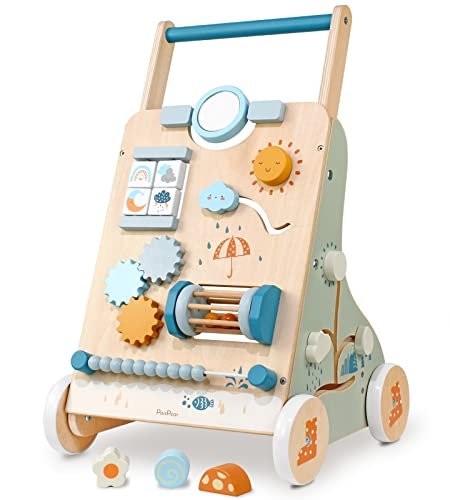 amazon
67.99
amazon
67.99