Removable electronic toy with lights, melodies, and sounds. Recommended for: 6 plus months, sitting up to 26 pounds Toy can be used for floor play or on-the-go High seat back provides additional support and comfort
【6 Different Modes of Our Baby Newborn Infant Play Mat Gym】Lying, Sitting, Tummy Time, Kick as well as Play & Take-Along. The unique musical piano key with Light attracts the baby to touch, immediately emits a beautiful sound, and stimulates the baby's curiosity. 【5 In 1 All-Round Development】4 Removable sensory toys and 1 flower mirror, fully meet the baby's growth needs. 4 Toys: Baby teapot rattle, water cup rattles for newborn baby touching-growing,and TV rattle,clock rattle for improve baby responsiveness.Piano keyboards touching for graphics ,listening .All for colors cognitive. 1 flower mirror,as an important way for self-discovery. 【Specially Designed for Babies】0-12 month baby brain development educational,The kick-activated piano is specially design for infant baby 0-12 months, its cheerful nursery music encourage baby to kick again and again. Baby play gyms encourage babies to use and develop the muscles in their arms, legs, tummy, back, and neck. It stimulates hand-eye coordination, fine & gross motor skills.
Signs Your Baby Is Healthy and Growing WellAs a parent, it’s natural to wonder whether your baby is developing properly and staying healthy. While every baby grows at their own pace, there are several positive signs that can indicate your little one is thriving physically, emotionally, and developmentally.Healthy babies typically show steady growth, increasing awareness of their surroundings, regular feeding and sleeping patterns, and strong interaction with caregivers.Understanding these healthy development signs can help reassure you while also helping you recognize when additional medical guidance may be needed.Here are some important signs that your baby is healthy and developing well.Steady Physical DevelopmentOne of the clearest indicators of a healthy baby is steady physical growth and development.Babies gradually build strength, coordination, and mobility as they grow.Common Physical MilestonesAlthough every baby develops at their own pace, many healthy babies begin reaching milestones such as:Lifting their head during tummy timeRolling overSitting with supportReaching for objectsCrawlingPulling up to standTaking early stepsThese milestones show that muscles, coordination, and motor skills are developing properly.Improved Hand-Eye CoordinationAs babies grow, they become more curious and interactive with their environment.Healthy developmental signs may include:Grabbing toysBringing objects to their mouthTracking movement with their eyesReaching intentionallyExploring textures and objectsThese behaviors help support sensory and cognitive development.Consistent Weight Gain & GrowthSteady growth is another important sign of good health.Pediatricians typically monitor:WeightLength/heightHead circumferenceduring routine checkups to ensure your baby is growing appropriately.Healthy babies generally gain weight steadily during infancy, although growth patterns naturally vary between children.Healthy Eating HabitsA healthy baby usually shows interest in feeding and receives adequate nutrition for growth and development.Signs of Healthy FeedingPositive feeding signs may include:Regular feeding sessionsGood appetiteSucking and swallowing effectivelyAppearing satisfied after feedingProducing regular wet and dirty diapersAs babies begin solids, curiosity about different foods and textures is also a positive developmental sign.Exploring New FoodsIntroducing a variety of nutritious foods helps support healthy growth.Healthy eating habits may involve exposure to:FruitsVegetablesWhole grainsLean proteinsDairy or alternativesAllowing babies to explore colors, textures, and flavors can help encourage a positive relationship with food over time.Regular Sleep PatternsSleep is extremely important for healthy development during infancy.While sleep schedules vary depending on age, healthy babies usually begin developing more predictable sleep patterns over time.Healthy Sleep SignsSigns of healthy sleep habits may include:Falling asleep relatively easilySleeping for age-appropriate periodsWaking for feedings appropriatelyReturning to sleep after comfortingGradually developing routinesNewborns typically sleep approximately:14–17 hours per dayalthough sleep patterns vary widely during the first months.Responding to Sleep CuesHealthy babies often display recognizable signs of tiredness such as:YawningEye rubbingFussinessReduced activityLearning your baby’s cues can help support healthier sleep routines.Strong Emotional BondingA strong emotional connection between you and your baby is another important sign of healthy development.Babies thrive on affection, responsiveness, and secure attachment.Positive Interaction SignsHealthy bonding behaviors may include:Making eye contactSmiling responsivelyCalming when comfortedRecognizing familiar voicesReacting to caregiversEnjoying interaction and playThese social and emotional behaviors help support communication and brain development.Responsive CommunicationEven before babies can speak, they communicate constantly through:CryingFacial expressionsSoundsMovementSmilesEye contactHealthy babies typically become increasingly interactive and responsive as they grow.Curiosity & AlertnessA healthy baby often shows curiosity about the world around them.You may notice your baby:Looking around attentivelyWatching facesFollowing soundsReacting to movementExploring toys and texturesThese behaviors demonstrate growing awareness and cognitive development.Healthy Skin Tone & AppearancePhysical appearance can also provide clues about your baby’s health.Healthy babies generally have:Good skin colorBright eyesStrong muscle toneRegular movementSmooth breathing patternsTemporary newborn conditions like mild rashes or peeling skin are often normal, but persistent concerns should always be discussed with a pediatrician.Regular Wet & Dirty DiapersDiaper output is one of the simplest ways to monitor your baby’s hydration and feeding success.Healthy babies usually produce regular:Wet diapersBowel movementsSigns of proper hydrationThe number may vary depending on age and feeding type, but consistently low diaper output may require medical attention.Active Movement & Muscle ToneHealthy babies move their arms and legs actively and gradually develop stronger muscle control over time.Positive movement signs may include:StretchingKickingGraspingRollingSupporting their headPushing during tummy timeMovement helps strengthen muscles and supports developmental progress.Emotional Comfort & ContentmentAlthough all babies cry sometimes, healthy babies are often consolable and experience periods of calmness and contentment throughout the day.Signs of emotional well-being may include:Relaxed body languageCalm alert periodsEnjoyment during interactionInterest in surroundingsAbility to settle after comfortingTrust Your Instincts as a ParentParents often notice subtle changes in their baby before anyone else.If something feels unusual — such as sudden lethargy, feeding difficulties, breathing concerns, or developmental regression — trust your instincts and contact your pediatrician.Early medical guidance is always valuable when concerns arise.Regular Pediatric Checkups MatterRoutine wellness visits are important for monitoring:GrowthDevelopmentNutritionSleepVaccinationsMilestonesYour pediatrician can help answer questions and ensure your baby is progressing appropriately.Final ThoughtsHealthy babies show many positive signs through their growth, behavior, feeding habits, sleep patterns, and interactions with caregivers. While every child develops differently, steady progress, curiosity, bonding, and overall responsiveness are often reassuring indicators of good health.Remember that no baby develops perfectly according to a strict timeline. Focus on overall patterns of growth and well-being rather than comparing your child to others.By staying attentive, nurturing strong connections, and maintaining regular pediatric care, you can help support your baby’s healthy development every step of the way.
Best Exercises to Support Your Baby’s DevelopmentSupporting your baby’s development involves more than simply watching them grow — it also means creating opportunities for movement, exploration, sensory experiences, and interaction. Simple daily activities and gentle exercises can help strengthen muscles, improve coordination, encourage cognitive growth, and support emotional bonding.Every baby develops at their own pace, but incorporating age-appropriate exercises into your routine can help encourage healthy physical and developmental progress during the early months and years of life.Here are some of the best exercises and activities to help support your baby’s overall development.The Importance of Movement in Early DevelopmentMovement plays a major role in helping babies develop essential skills needed for future milestones such as:Rolling overSitting upCrawlingStandingWalkingHand-eye coordinationBalanceActive play also supports cognitive, emotional, and sensory development.Tummy TimeTummy time is one of the most important early exercises for babies.This simple activity involves placing your baby on their stomach while awake and supervised.Benefits of Tummy TimeTummy time helps strengthen important muscles including:Neck musclesShoulder musclesArm musclesCore musclesThese muscles are essential for future developmental milestones such as crawling, sitting, and walking.Helps Prevent Flat SpotsRegular tummy time may also help reduce pressure on the back of your baby’s head, which can help prevent flat spots caused by spending long periods lying on their back.Start Slowly & Gradually Increase TimeNewborns may only tolerate tummy time for short periods initially.Many parents begin with sessions lasting:3–5 minutes3\text{–}5\ \text{minutes}3–5 minutesa few times per day and gradually increase duration as the baby becomes stronger and more comfortable.Always supervise tummy time closely.Sensory Play ActivitiesSensory play helps stimulate your baby’s developing senses and supports brain development through exploration and interaction.These activities encourage babies to learn through:TouchSightSoundMovementTextureTemperatureTexture ExplorationAllowing babies to safely experience different textures can help stimulate sensory development.Examples may include:Soft fabricsCrinkly toysSilicone teethersWater playPlush toysSensory matsExploring textures encourages curiosity and sensory awareness.Music & Sound ActivitiesMusic and sound-based activities can help support auditory development and emotional connection.Helpful activities may include:Singing songsListening to calming musicUsing rattlesReading aloudPlaying gentle instrumentsBabies often respond positively to rhythm, repetition, and familiar voices.Visual StimulationBabies benefit from visually engaging activities as their eyesight develops.Simple visual exercises may include:High-contrast cardsBright-colored toysMirrorsTracking moving objectsFace-to-face interactionThese activities help improve focus and visual tracking skills.Reaching & Grasping ExercisesAs babies grow, reaching and grasping become important developmental skills.Encourage these abilities by placing toys slightly within reach to motivate movement and coordination.Benefits of Grasping ActivitiesThese exercises help improve:Fine motor skillsHand strengthCoordinationHand-eye coordinationSensory awarenessSoft rattles, textured toys, and lightweight objects often work well for these activities.Rolling PracticeHelping babies practice rolling can support strength and body coordination.You can encourage rolling by:Placing toys beside themGently guiding movementUsing tummy time regularlyRolling helps babies strengthen their core muscles and develop body awareness.Supported Sitting ActivitiesOnce babies begin developing stronger neck and core muscles, supported sitting can become an important exercise.This may involve:Sitting with assistanceUsing pillows for supportEncouraging upright posture during playSupported sitting helps babies strengthen muscles needed for independent sitting and balance.Standing With SupportAs babies grow stronger, supported standing exercises can help prepare them for walking.Allow babies to:Bear weight on their legsBounce gently with supportHold onto stable surfacesThese activities help strengthen leg muscles and improve balance.Encourage Crawling ExplorationCrawling helps babies build strength, coordination, and spatial awareness.You can encourage crawling by:Placing toys slightly out of reachCreating safe floor spaceUsing motivating sensory toysJoining your baby on the floorExploration helps babies build confidence and mobility skills.Bonding Through MovementPhysical activities are also excellent opportunities for emotional bonding between parent and baby.Movement-based bonding activities may include:Baby massageGentle dancingBabywearing walksYoga stretchesRockingSinging while moving togetherThese interactions help strengthen emotional connection and provide comfort and reassurance.Baby Massage BenefitsGentle baby massage may help support:RelaxationSleep qualityDigestionBody awarenessParent-child bondingUsing soft touch and calm interaction can create soothing experiences for your baby.Reading & Interactive PlayAlthough not traditionally considered “exercise,” interactive communication activities help support cognitive and language development.Talking, reading, and responding to your baby encourages:Social interactionEmotional securityEarly communication skillsBrain developmentSimple daily interaction has a powerful impact on development.Follow Your Baby’s PaceEvery baby develops differently, so it’s important not to compare milestones too closely.Watch for your baby’s cues and comfort levels during activities.Signs your baby may need a break include:FussinessTurning awayCryingFatigueOverstimulationShort, positive sessions are often more beneficial than lengthy activities.Safety Always Comes FirstWhen practicing developmental exercises:Always supervise your babyUse safe play surfacesAvoid elevated areasChoose age-appropriate toysSupport your baby properly during movementCreating a safe environment allows babies to explore confidently.Final ThoughtsSimple daily exercises and activities can play a major role in supporting your baby’s physical, cognitive, emotional, and sensory development. Tummy time, sensory play, reaching exercises, movement activities, and bonding interactions all help build the foundation for important developmental milestones.The most valuable part of these exercises is not perfection — it’s consistent interaction, encouragement, and connection with your baby.By creating a safe, stimulating, and loving environment, you help support healthy development while building meaningful moments together every day.
How to Keep Your Baby Cool in Hot WeatherHot summer temperatures can quickly become uncomfortable for babies, making it important for parents to take extra precautions during warm weather. Babies are more sensitive to heat than adults because their bodies cannot regulate temperature as efficiently. Keeping your little one cool, hydrated, and protected from overheating is essential for their comfort and safety.Fortunately, with a few simple strategies, you can help your baby stay comfortable even on the hottest days.Dress Your Baby in Lightweight ClothingOne of the easiest ways to help your baby stay cool is by choosing the right clothing.Lightweight, breathable fabrics allow air to circulate and help reduce sweating and overheating.Choose Breathable FabricsSoft natural materials are usually best during hot weather.Ideal fabric choices include:CottonBambooLightweight linen blendsThese materials help absorb moisture while remaining gentle on delicate baby skin.Avoid heavy, thick, or synthetic fabrics that may trap heat.Use Light-Colored ClothingDark colors absorb more heat from sunlight, while lighter shades help reflect heat away from the body.Choose:WhiteBeigePastelsSoft neutralsLight blues or pinksto help your baby stay cooler outdoors.Avoid OverdressingBabies generally need only one light layer more than an adult would wear comfortably.Overdressing can quickly lead to overheating, especially in humid weather.Check your baby’s:NeckChestBackto monitor whether they feel too warm or sweaty.Keep Your Baby HydratedHydration is one of the most important factors in helping babies stay safe during hot weather.Offer Frequent FeedingsFor babies under approximately:6 months6\ \text{months}6 monthsbreast milk or formula should remain the primary source of hydration.Feed your baby more frequently during hot weather if they seem thirsty or unsettled.Water for Older BabiesFor babies already eating solids, small amounts of water may help support hydration during warm days.Always follow your pediatrician’s guidance regarding water intake based on your baby’s age.Watch for Signs of DehydrationBabies can become dehydrated quickly in high temperatures.Possible signs include:Dry lips or mouthFewer wet diapersUnusual fussinessSleepinessSunken soft spot on the headCrying without tearsIf you notice these symptoms, contact your healthcare provider promptly.Create a Cool Indoor EnvironmentKeeping indoor spaces cool can help your baby rest more comfortably during hot weather.Maintain Comfortable Room TemperaturesTry to keep your baby’s room comfortably cool.A room temperature around:20∘C–22∘C20^\circ\text{C}\text{–}22^\circ\text{C}20∘C–22∘Cis often considered comfortable for babies.Use Fans SafelyFans can help circulate air and improve comfort.Position fans to move air around the room rather than blowing directly on your baby continuously.You can also improve airflow by:Opening windows during cooler hoursUsing ceiling fansCreating cross-ventilationBlock Direct Sunlight IndoorsClosing curtains or blinds during the hottest parts of the day can help keep rooms cooler.Blackout curtains or thermal curtains may help reduce heat buildup significantly.Use Lightweight BeddingChoose breathable bedding materials and avoid heavy blankets during hot weather.Babies generally sleep more comfortably with:Lightweight sleep sacksThin cotton pajamasBreathable crib sheetsAvoid overdressing during naps or bedtime.Limit Outdoor Exposure During Peak HeatOutdoor time can still be enjoyable, but timing matters greatly during hot weather.Avoid Midday HeatThe sun is typically strongest between:10 AM–4 PM10\ \text{AM}\text{–}4\ \text{PM}10 AM–4 PMWhenever possible, schedule outdoor activities during:Early morningsLate afternoonsEarly eveningswhen temperatures are usually lower.Prioritize ShadeWhen outdoors, keep your baby shaded whenever possible.Helpful shade options include:Stroller canopiesUmbrellasHats with wide brimsTreesPortable tentsHowever, avoid completely covering strollers with blankets, as this can trap dangerous heat inside.Protect Your Baby’s SkinBabies have extremely sensitive skin that can burn quickly in the sun.Use Protective ClothingLightweight long sleeves, sun hats, and breathable fabrics can help reduce sun exposure.Look for clothing with built-in UV protection when possible.Apply Baby-Safe SunscreenFor babies older than approximately:6 months6\ \text{months}6 monthsuse baby-safe sunscreen on exposed skin during outdoor activities.Choose:Broad-spectrum SPFFragrance-free formulasSensitive skin productsand reapply as needed.Keep Outdoor Play Safe & ComfortableBabies can still enjoy outdoor activities safely with proper precautions.Bring Cooling EssentialsHelpful summer items may include:Portable fanCooling towelsInsulated water bottlesExtra clothingShade coversCooling stroller linersThese small tools can make outdoor trips more comfortable.Check Surfaces Before Sitting or CrawlingOutdoor surfaces can become extremely hot in direct sunlight.Always test:Playground equipmentCar seatsStrollersPavementSandbefore placing your baby on them.Never Leave Your Baby in a CarEven for a few minutes, parked cars can become dangerously hot very quickly.Temperatures inside vehicles can rise rapidly, creating a severe risk of heatstroke.Always double-check the car before locking it.Watch for Signs of OverheatingIt’s important to recognize when your baby may be getting too hot.Signs may include:Excessive sweatingFlushed skinRapid breathingFussinessLethargyWarm skinHeat rashMove your baby to a cooler area immediately if you notice these symptoms.Cool Baths Can HelpA lukewarm bath can help lower body temperature gently and comfortably during especially hot days.Avoid cold water, as sudden temperature changes may make babies uncomfortable.Keep Sleep ComfortableHot weather can sometimes disrupt sleep routines.To help improve sleep quality:Keep rooms coolDress baby lightlyUse breathable sleepwearAvoid overheating during napsComfortable sleep environments can help babies rest better during warm weather.Final ThoughtsKeeping your baby cool during hot weather involves a combination of lightweight clothing, proper hydration, sun protection, and creating a comfortable environment indoors and outdoors. By paying attention to temperature, monitoring signs of overheating, and planning activities carefully, you can help your baby stay safe, comfortable, and happy throughout the summer months.Simple daily adjustments can make a big difference in helping your little one enjoy warm weather more comfortably.
How to Tell if Your Baby Is TeethingTeething is an important developmental milestone that most babies experience during their first few years of life. While every baby reacts differently, teething can sometimes cause discomfort, fussiness, and noticeable behavioral changes. Understanding the common signs of teething can help you comfort your baby and better manage this challenging stage.Although teething can be uncomfortable, it’s completely normal and temporary.Common Signs of TeethingBabies often display several recognizable symptoms as their teeth begin to emerge through the gums.Increased DroolingOne of the earliest and most common signs of teething is excessive drooling.As teeth begin moving beneath the gums, saliva production often increases significantly. You may notice:Constant droolingWet shirts or bibsDrool rash around the mouth or chinKeeping your baby dry with soft bibs and gently wiping excess drool can help prevent skin irritation.Swollen or Sensitive GumsTeething can cause gums to become swollen, tender, or slightly red.Your baby may appear uncomfortable when:FeedingUsing pacifiersBrushing gumsChewing objectsYou might even notice a small white bump where a tooth is beginning to emerge.Chewing on EverythingMany babies instinctively chew on objects to relieve pressure and discomfort from teething.You may notice your baby biting or chewing:FingersToysBlanketsTeething ringsPacifiersThe pressure from chewing can help soothe sore gums temporarily.Irritability & FussinessTeething discomfort can make babies more irritable than usual.Your baby may become:More clingyEasily upsetDifficult to sootheExtra sensitiveThis is especially common when multiple teeth are erupting at once.Changes in Sleep PatternsSome babies experience disrupted sleep during teething periods.Teething discomfort may lead to:Frequent wakingTrouble falling asleepShorter napsRestlessness at nightComforting bedtime routines may help ease nighttime fussiness.Changes in Eating HabitsTeething can sometimes make feeding uncomfortable.Your baby may:Refuse bottles or breastfeeds temporarilyEat less than usualPrefer cold foodsBecome fussy during mealsCold purees, yogurt, or chilled teething toys may provide relief for older babies eating solids.Mild Temperature IncreaseSome babies experience a slight rise in body temperature while teething.However, true high fevers are generally not considered normal teething symptoms.If your baby develops a significant fever or appears seriously ill, consult your pediatrician.Teething TimelineEvery baby develops differently, but most babies begin teething around:6 months6\ \text{months}6 monthsalthough some may start earlier or later.Typical Tooth Eruption OrderBaby teeth generally appear in the following sequence:Around 6–10 MonthsBottom front teeth (lower central incisors)Around 8–12 MonthsTop front teeth (upper central incisors)Around 9–16 MonthsSide incisorsAround 13–19 MonthsFirst molarsAround 16–23 MonthsCanine teethAround 23–33 MonthsSecond molarsMost children have approximately:202020baby teeth by around age:333Safe Ways to Soothe Teething DiscomfortThere are several gentle ways to help comfort your teething baby.Offer Chilled Teething ToysCold temperatures can help reduce gum inflammation and numb discomfort.Helpful options include:Chilled teething ringsCold washclothsRefrigerated pacifiersAvoid freezing teething toys completely, as extreme cold may hurt sensitive gums.Gently Massage the GumsUsing a clean finger to gently massage your baby’s gums may provide temporary relief.The gentle pressure can help soothe soreness and reduce discomfort.Provide Safe Chewing OptionsBabies often feel better when they can safely chew on something firm but soft enough for their gums.Always supervise teething toys and choose age-appropriate options.Comfort & DistractionSometimes simple comfort measures work best.Helpful soothing methods may include:Extra cuddlesSingingGentle rockingWalksQuiet playtimeDistraction can help shift your baby’s focus away from discomfort.Keep the Skin DryExcessive drooling can irritate delicate skin.To prevent rashes:Change bibs frequentlyPat drool gentlyApply baby-safe moisturizer if neededAvoid rubbing the skin harshly.When to Contact Your PediatricianAlthough teething is normal, some symptoms may indicate another illness rather than teething alone.Contact your healthcare provider if your baby experiences:High feverSevere diarrheaPersistent vomitingRefusal to eat for long periodsExtreme lethargyDifficulty breathingThese symptoms are generally not caused by teething alone.Avoid Unsafe Teething RemediesSome teething products may not be recommended for babies.Avoid:Teething necklacesUnsafe gels with numbing ingredientsFrozen hard objectsSmall choking hazardsAlways choose pediatrician-approved teething solutions.Be Patient With the ProcessTeething can be uncomfortable for both babies and parents, but the phase is temporary.Some babies experience only mild symptoms, while others may seem more sensitive during tooth eruption.Every baby responds differently.Final ThoughtsTeething is a natural part of your baby’s growth and development. Common signs such as drooling, swollen gums, chewing behaviors, irritability, and disrupted sleep can help indicate when teeth are beginning to emerge. By understanding the teething timeline and using safe soothing techniques, you can help make this stage more manageable and comforting for your little one.With patience, comfort, and gentle care, your baby will gradually move through this important milestone.
Safe Sleep Practices for BabiesCreating a safe sleep environment is one of the most important ways to protect your baby’s health and well-being. Safe sleep habits can significantly reduce the risk of sleep-related accidents and conditions such as Sudden Infant Death Syndrome (SIDS). While newborn sleep can feel overwhelming for parents, following a few essential guidelines can help create a safer and more comfortable sleeping space for your little one.Understanding safe sleep practices allows parents to feel more confident while helping babies rest safely through the night.Always Place Your Baby on Their BackOne of the most important safe sleep recommendations is placing your baby on their back for every sleep.This includes:Nighttime sleepNapsShort sleep periodsSupervised resting timesBack sleeping significantly lowers the risk of SIDS and helps keep your baby’s airway open during sleep.Why Back Sleeping MattersResearch has shown that babies who sleep on their backs are less likely to experience dangerous breathing problems during sleep.The “Back to Sleep” recommendation has helped reduce SIDS rates worldwide and remains one of the most important infant sleep safety practices.Use a Firm MattressA firm sleep surface is essential for safe infant sleep.Babies should sleep on:A firm crib mattressA bassinet mattressA properly fitted sleep surfaceSoft surfaces can increase the risk of suffocation or accidental airway obstruction.Avoid Soft Sleep SurfacesDo not place your baby to sleep on:SofasAdult bedsCushionsBean bagsSoft mattressesPillowsThese surfaces may conform around your baby’s face and make breathing difficult.Ensure the Mattress Fits ProperlyThe mattress should fit snugly inside the crib or bassinet without gaps around the edges.Loose spaces between the mattress and crib frame can create entrapment hazards for babies.Keep the Crib Free of Loose BeddingA bare sleep space is one of the safest environments for babies.Avoid placing loose items inside the crib.Items to Avoid in the CribKeep the sleeping area free from:BlanketsPillowsStuffed animalsPositionersLoose sheetsBumper padsThese items may increase the risk of suffocation or overheating.Use Fitted Sheets OnlyThe safest crib setup typically includes:A firm mattressA tightly fitted crib sheetand nothing else inside the crib.Choose Safe Sleep ClothingInstead of loose blankets, consider using wearable sleep options.Safe alternatives include:Sleep sacksWearable blanketsLightweight footed pajamasThese options help keep babies warm without introducing loose bedding hazards.Practice Room SharingRoom sharing can help improve infant sleep safety during the first months of life.What Is Room Sharing?Room sharing means your baby sleeps in your room but on a separate sleep surface such as:A cribBassinetCradleExperts often recommend room sharing for approximately:6–12 months6\text{–}12\ \text{months}6–12 monthsto help reduce SIDS risk.Benefits of Room SharingRoom sharing allows parents to:Monitor the baby more easilyRespond quickly to feeding needsComfort the baby fasterMaintain safer sleep supervisionIt can also support nighttime bonding and feeding routines.Avoid Bed SharingAlthough room sharing is recommended, bed sharing is generally not advised for infants.Adult beds may contain:Soft mattressesLoose blanketsPillowsGapsOverheating risksthat can create dangerous sleep environments for babies.Maintain a Comfortable Room TemperatureBabies can overheat more easily than adults, so maintaining a comfortable room temperature is important.A room that feels comfortable for a lightly clothed adult is usually appropriate for a baby as well.Watch for OverheatingSigns your baby may be too warm include:SweatingDamp hairFlushed cheeksRapid breathingAvoid overdressing your baby during sleep.Consider Pacifier UseSome studies suggest pacifier use during sleep may help reduce the risk of SIDS.If breastfeeding, many parents choose to wait until breastfeeding is well established before introducing a pacifier.Never force a pacifier if your baby refuses it.Avoid Smoking Around Your BabyExposure to smoke significantly increases the risk of sleep-related dangers for infants.Keep your baby’s environment completely smoke-free, including:CigarettesVapesSecondhand smokeSupervised Tummy Time While AwakeAlthough babies should sleep on their backs, supervised tummy time during awake periods is still important.Tummy time helps strengthen:Neck musclesShoulder musclesMotor developmentCoordinationAlways supervise tummy time closely.Follow Updated Sleep Safety GuidelinesInfant sleep safety recommendations can evolve over time as new research becomes available.Regular pediatric checkups can help ensure you stay informed about current safe sleep practices.Trust Safe Sleep Products CarefullyNot all marketed baby sleep products are necessarily recommended by pediatric sleep experts.Be cautious with products claiming to:Prevent SIDSPosition babiesImprove sleep safetyAlways consult trusted pediatric guidance when selecting sleep products.Create a Consistent Sleep RoutineA calm and predictable bedtime routine can help babies sleep more comfortably and safely.Simple routines may include:Bath timeFeedingSoft musicReadingGentle cuddlingConsistency often helps babies feel secure and relaxed before sleep.Final ThoughtsSafe sleep practices play a major role in protecting your baby during infancy. By placing your baby on their back, using a firm mattress, avoiding loose bedding, practicing room sharing safely, and maintaining a comfortable sleep environment, you can significantly reduce sleep-related risks.Creating a simple, consistent, and safe sleep setup helps support healthier rest for both babies and parents.
Baby Reflux: How to Recognize the Signs and Help Your Little One Feel More ComfortableFew things are more stressful for parents than watching their baby seem uncomfortable after a feeding. Frequent spit-up, fussiness, interrupted sleep, and feeding difficulties can leave caregivers wondering whether what they're seeing is normal or a sign of something more. One common concern among parents of newborns and infants is baby reflux.The good news is that reflux is extremely common during infancy. As babies grow and their digestive systems mature, many outgrow reflux naturally. However, understanding the symptoms and knowing how to manage them can make daily life significantly easier for both babies and parents.Learning to recognize reflux early allows caregivers to respond appropriately, provide comfort, and discuss concerns with their pediatrician when necessary. While every baby is different, understanding the basics of infant reflux can help you feel more confident as you navigate this stage of development.In this guide, we'll explore what baby reflux is, common symptoms to watch for, possible causes, practical ways to manage discomfort, and when it may be time to seek medical advice.What Is Baby Reflux?Baby reflux occurs when stomach contents flow back into the esophagus after feeding. This can happen because the muscle that normally keeps food in the stomach—the lower esophageal sphincter—is still developing during infancy.As a result, some milk or formula may move back up, causing spit-up or discomfort.For many babies, occasional reflux is simply a normal part of development. Because infants spend much of their time lying down and consume a liquid diet, reflux episodes can happen relatively frequently during the first months of life.In many cases, reflux improves gradually as babies become more upright, begin eating solid foods, and develop stronger digestive muscles.Common Signs and Symptoms of Baby RefluxRecognizing reflux symptoms can help parents determine whether their baby's behavior may be linked to digestive discomfort.Frequent Spitting UpOne of the most recognizable signs of reflux is frequent spit-up after feedings.Many babies spit up occasionally, but reflux may involve larger amounts or more frequent episodes. While this can be messy and concerning, spit-up alone doesn't always indicate a serious problem.It's important to observe patterns rather than focusing on isolated incidents.Fussiness During or After FeedingsSome babies become irritable during feeding sessions or shortly afterward.You may notice crying, squirming, or general discomfort while feeding. These behaviors can sometimes be associated with reflux because stomach contents moving upward may create an unpleasant sensation.Back Arching and Body TensionParents often notice babies arching their backs or stiffening their bodies during or after feedings.This behavior can be a response to discomfort and may occur alongside other reflux symptoms. While occasional arching can be normal, persistent episodes may warrant discussion with a healthcare professional.Interrupted SleepBabies experiencing reflux may appear uncomfortable when lying flat.Some infants wake frequently, struggle to settle after feedings, or seem restless during sleep. Although many factors can affect infant sleep, reflux-related discomfort may contribute to nighttime disturbances in some babies.Feeding ChallengesCertain babies with reflux may feed eagerly at first but become fussy partway through a feeding.Others may pull away from the bottle or breast, cry, or seem frustrated while eating. Monitoring feeding behaviors can provide helpful information when discussing concerns with your pediatrician.Why Reflux Happens in BabiesUnderstanding the causes of reflux can help parents feel reassured that this condition is often related to normal infant development.An Immature Digestive SystemA baby's digestive system is still learning how to function efficiently.The muscle that separates the stomach from the esophagus is often not fully developed during infancy. Because this muscle isn't always strong enough to keep stomach contents where they belong, milk can sometimes travel back upward.As babies grow, this muscle typically becomes stronger and more effective.A Liquid DietUnlike older children and adults, babies consume only breast milk or formula during the early months.Liquids move more easily within the digestive tract, which can contribute to reflux episodes, particularly when babies lie down soon after feeding.Small Stomachs Fill QuicklyInfants have very small stomachs that fill rapidly.Even a modest feeding can create pressure within the stomach, making spit-up more likely. This is one reason reflux tends to be especially common among younger babies.Practical Tips for Managing Baby RefluxAlthough reflux cannot always be prevented completely, certain strategies may help reduce symptoms and improve comfort.Keep Your Baby Upright After FeedingsOne of the simplest and most effective approaches is to hold your baby upright after feeding sessions.Allowing your baby to remain upright for approximately 20 to 30 minutes may help food stay in the stomach while digestion begins.Many parents incorporate this time into cuddling, reading, or quiet interaction after meals.Burp Frequently During FeedingsSwallowed air can sometimes contribute to digestive discomfort.Frequent burping during and after feedings may help release trapped air and reduce pressure in the stomach.For bottle-fed babies, taking brief pauses during feeding can create natural opportunities for burping.Offer Smaller, More Frequent FeedingsSometimes smaller feedings given more often may be easier for babies to handle than larger meals spaced farther apart.This approach may reduce stomach pressure and decrease the likelihood of spit-up episodes.If you're considering significant feeding changes, it's always a good idea to discuss them with your pediatrician first.Avoid Tight Clothing Around the AbdomenClothing and diapers that are overly tight around the stomach can increase pressure and potentially worsen reflux symptoms.Choosing comfortable, properly fitting clothing can help support overall comfort throughout the day.Helping Relieve Reflux-Related DiscomfortWhile managing reflux often focuses on feeding strategies, there are additional ways to help your baby feel more comfortable.Gentle Tummy MassageSome parents find that a gentle tummy massage helps relax their baby and support comfort after feedings.Using light circular motions around the abdomen may help ease tension and encourage relaxation.Create Calm Feeding EnvironmentsBabies can sometimes feed more comfortably in calm, quiet surroundings.Reducing distractions and maintaining a relaxed atmosphere may help make feeding sessions more pleasant for both baby and caregiver.Watch for Individual TriggersEvery baby is unique.Keeping a simple journal of feeding times, symptoms, sleep patterns, and spit-up episodes can sometimes reveal patterns that help parents better understand their baby's needs.When Should Parents Talk to a Pediatrician?Although reflux is common, it's always appropriate to discuss concerns with your pediatrician if symptoms seem severe, persistent, or unusual.Seek professional guidance if:Your baby appears consistently uncomfortable.Feeding becomes increasingly difficult.Sleep disruption becomes significant.Symptoms worsen over time.You have concerns about your baby's overall well-being.A pediatrician can evaluate your baby's symptoms, rule out other potential causes, and recommend appropriate next steps if needed.Supporting Yourself as a ParentManaging baby reflux can be exhausting.Frequent feedings, extra laundry, interrupted sleep, and concern for your baby's comfort can take an emotional toll on caregivers. It's important to remember that many families experience similar challenges, and seeking support from healthcare providers, family members, or parenting communities can be helpful.Patience is often key during this stage. Many babies gradually improve as their digestive systems mature, making reflux less noticeable over time.Final ThoughtsBaby reflux can be frustrating and sometimes worrying for parents, but understanding the condition can make it much easier to manage. By recognizing common symptoms, learning why reflux occurs, and implementing simple comfort measures, caregivers can often help their babies feel more comfortable during daily feedings and routines.Keeping your baby upright after meals, offering smaller feedings, burping frequently, and paying attention to feeding habits can all contribute to a more comfortable experience. Most importantly, maintaining open communication with your pediatrician ensures that any concerns are addressed appropriately.With patience, observation, and supportive care, many families find that reflux becomes easier to manage as their baby grows and develops. In the meantime, focusing on comfort, consistency, and gentle routines can help make this phase a little smoother for everyone involved.
How to Prevent Falls and Injuries in Babies: A Complete Guide to Creating a Safer HomeFew milestones are as exciting as watching your baby learn to roll, crawl, pull up, and eventually take their first steps. These moments represent important stages of growth and development, but they also introduce new safety challenges for parents and caregivers.Babies are naturally curious. They explore the world through movement, touch, and experimentation, often without understanding potential dangers. A baby who couldn't move across a room yesterday may suddenly discover how to roll off a blanket, climb onto furniture, or reach objects that seemed completely out of reach. Because developmental changes can happen quickly, creating a safe environment becomes an ongoing process rather than a one-time task.The good news is that many common childhood falls and injuries can be prevented with careful planning, appropriate supervision, and the right safety equipment. Small adjustments throughout your home can significantly reduce risks while still allowing your child to explore, learn, and build confidence.This guide covers practical ways to improve baby safety at home, create safer sleep environments, choose secure baby gear, and reduce the risk of common accidents as your child grows.Why Fall Prevention Matters During the First YearsFalls are among the most common causes of injury during infancy and early childhood.As babies gain new physical abilities, they often attempt movements before they fully understand their limitations. A baby learning to sit may suddenly topple over. A crawler may head directly toward stairs. A toddler who recently learned to walk may become unsteady while exploring new environments.Because babies have limited coordination and balance, even seemingly minor hazards can lead to injuries.Fortunately, many risks can be minimized by anticipating developmental milestones before they occur. Baby-proofing your home early allows you to stay one step ahead of your growing explorer.Creating a Safer Home EnvironmentA safe home provides babies with opportunities to explore while minimizing unnecessary hazards.Secure Furniture to Prevent Tip-OversAs babies become mobile, furniture can quickly become an attractive climbing target.Dressers, bookshelves, television stands, and storage units should always be anchored securely to the wall using appropriate anti-tip hardware. Even lightweight furniture can become unstable when a child pulls or climbs on it.Many serious household accidents occur when furniture tips forward unexpectedly. Securing these items is one of the most important safety improvements parents can make.Cover Electrical Outlets and Secure CordsBabies are naturally curious about electrical outlets, plugs, and cords.Use outlet covers or safety plugs to block unused outlets, and keep cords hidden whenever possible. Electrical cords should never hang where a baby can pull on them.Consider using cord organizers or protective covers to reduce access to wires around lamps, televisions, and electronics.Reduce Tripping HazardsAs babies learn to crawl and walk, floors should remain as clear as possible.Remove clutter, secure loose rugs, and keep small objects off the ground. Even everyday household items can become obstacles for an unsteady crawler or new walker.Creating open pathways allows babies to move more freely and safely as they develop mobility skills.Stair and Window SafetySome of the most serious falls occur around stairs and windows.Install Safety GatesStairways should be protected with safety gates at both the top and bottom.Choose hardware-mounted gates for the top of stairs whenever possible, as these generally provide greater stability than pressure-mounted models.Regularly inspect gates to ensure they remain secure and properly functioning.Protect WindowsMany parents underestimate the risks associated with windows.Window guards and safety locks can help prevent falls while still allowing ventilation. Keep furniture, cribs, and climbing objects away from windows to reduce the temptation for curious children to climb.Never rely solely on window screens, as they are not designed to prevent falls.Safe Sleep Practices for BabiesSleep safety is another important part of injury prevention.Creating a secure sleep environment helps reduce potential risks while supporting healthy sleep habits.Always Place Babies on Their Backs to SleepCurrent safe sleep recommendations generally encourage placing babies on their backs for naps and nighttime sleep.This position is widely recognized as the safest sleep position for healthy infants.Consistency is important, so caregivers, grandparents, babysitters, and daycare providers should follow the same approach.Keep the Sleep Space SimpleA baby's sleep area should remain free from unnecessary items.Soft blankets, pillows, stuffed animals, and loose bedding can create avoidable hazards inside a crib or bassinet.A firm mattress with a properly fitted sheet is typically all that is needed for a safe sleep environment.Avoid Unsafe Sleep SurfacesBabies should sleep in approved sleep spaces designed specifically for infants.Couches, armchairs, adult beds, and other soft surfaces are not intended for infant sleep and may increase safety risks.Providing a dedicated sleep space helps create a safer sleeping environment.The Importance of Active SupervisionNo amount of baby-proofing can completely replace attentive supervision.Stay Within Reach During Elevated ActivitiesChanging tables, beds, couches, and other elevated surfaces require constant attention.Babies can roll unexpectedly, even before parents anticipate it. Keeping one hand on your baby during diaper changes can help prevent sudden falls.If you need to step away, even briefly, move your baby to a safe location such as a crib or play yard.Monitor Playtime CloselyPlaytime provides valuable opportunities for learning and development, but supervision remains important.Observe your baby as they explore toys, practice movement skills, and interact with their environment. This allows you to quickly respond to potential hazards before accidents occur.Be Especially Alert During Developmental MilestonesPeriods of rapid development often bring increased risk.A baby who has just learned to crawl, stand, or climb may attempt new movements repeatedly, often without understanding danger.Adjusting supervision levels during these transitions can help prevent injuries.Choosing Safe Baby Gear and EquipmentBaby products can make daily life easier, but safety should always remain the top priority.Follow Current Safety StandardsWhen purchasing baby gear, choose products that meet current safety regulations and recommendations.Items such as:CribsHigh chairsStrollersPlay yardsCar seatsActivity centersshould be purchased from reputable manufacturers and used according to the instructions provided.Inspect Equipment RegularlyEven high-quality products require ongoing maintenance.Check for loose screws, broken parts, worn straps, damaged buckles, and signs of wear. Address any problems immediately before continuing use.Routine inspections can help identify potential hazards before they become safety concerns.Use Products as IntendedMany accidents occur when baby gear is used in unintended ways.Always follow weight limits, age recommendations, and manufacturer guidelines. Avoid modifying products or adding accessories that were not designed for that specific item.Using equipment correctly significantly improves overall safety.Creating Safe Play AreasBabies need opportunities to move, explore, and develop confidence.Designating specific safe play areas can encourage independence while reducing risks.Use Soft, Open SpacesPlay mats, foam flooring, and open floor areas provide comfortable environments for rolling, crawling, and early walking practice.These surfaces can help cushion minor tumbles while encouraging physical development.Remove Hazardous ObjectsBefore allowing independent play, scan the area from your baby's perspective.Look for:Sharp cornersSmall objectsLoose cordsBreakable decorationsUnstable furnitureEliminating these hazards creates a safer environment for exploration.Common Household Hazards Parents Often OverlookSome safety risks are easy to miss because they are part of everyday life.Examples include:Tablecloths that can be pulled downFloor lamps with accessible cordsPet food and water bowlsDecorative plantsRemote controls with removable batteriesLaundry baskets placed near furnitureChairs positioned close to counters or tablesRegularly evaluating your home through your baby's eyes can reveal hidden risks you may not have noticed previously.Building Safe Habits as Your Baby GrowsChild safety is not a one-time project.As babies develop new abilities, parents often need to adjust their home environment and safety strategies accordingly.What was safe for a newborn may not be safe for a crawler. Likewise, a toddler may encounter entirely different hazards than an infant.Regularly reassessing your home helps ensure that safety measures continue to match your child's developmental stage.Final ThoughtsPreventing falls and injuries begins with understanding how quickly babies grow and how naturally curious they become. By creating a safer home environment, following safe sleep practices, supervising actively, and choosing reliable baby gear, parents can dramatically reduce many common risks.The goal is not to eliminate every bump or tumble—minor mishaps are often part of learning and development. Instead, the focus should be on preventing serious injuries while giving babies the freedom to explore their world with confidence.With thoughtful preparation, ongoing supervision, and age-appropriate safety measures, you can create an environment that supports both your baby's development and your peace of mind.
How to Know If Your Baby Is Getting Enough MilkBringing a new baby home comes with countless questions, and one of the most common concerns for new parents is whether their baby is getting enough milk. Whether you're breastfeeding, pumping, formula feeding, or combining feeding methods, it's natural to wonder if your little one is receiving the nutrition they need to grow and thrive.Unlike older children who can tell you when they're hungry or full, babies communicate through subtle cues. This can leave parents second-guessing every feeding session, especially during the first few weeks when routines are still developing. Fortunately, there are several reliable signs that can help you determine whether your baby is feeding well.Rather than focusing on a single indicator, healthcare professionals typically recommend looking at the bigger picture. Weight gain, diaper output, feeding behavior, and your baby's overall contentment all work together to provide valuable clues about their nutritional intake.Understanding these signs can help ease anxiety and give you greater confidence as you navigate your baby's feeding journey.Why Milk Intake Matters During the First YearDuring infancy, milk serves as the primary source of nutrition for your baby. Whether breast milk or formula, it provides the calories, nutrients, hydration, and energy needed for healthy growth and development.Babies grow rapidly during their first year. Their bodies require consistent nourishment to support everything from brain development and muscle growth to immune system function and everyday activity.Because babies grow at different rates, there is no universal amount of milk that every child should consume. Instead of focusing solely on ounces or feeding durations, it's more helpful to observe how your baby is growing and behaving over time.Healthy Weight Gain Is One of the Best IndicatorsOne of the most dependable ways to determine whether your baby is getting enough milk is by monitoring weight gain.Understanding Normal Weight ChangesIt's completely normal for newborns to lose a small amount of weight during the first few days after birth. Most babies regain this weight within the first couple of weeks and then continue gaining steadily.After the newborn period, many babies gain approximately 4 to 7 ounces per week during the first several months, although individual growth patterns can vary.Tracking Growth Over TimeYour pediatrician will regularly measure your baby's weight, length, and head circumference during well-baby visits. These measurements are plotted on growth charts to monitor overall development.A baby who consistently follows their growth curve is usually receiving adequate nutrition. Small variations are normal, but a sudden slowdown in growth may warrant further evaluation.If you ever have concerns about your baby's weight gain, discussing them with your pediatrician or a lactation consultant can provide reassurance and personalized guidance.Diaper Output Offers Valuable CluesMany experienced parents quickly learn that diapers can reveal a lot about a baby's health.Wet Diapers MatterA well-fed baby typically produces a healthy number of wet diapers each day. While diaper patterns vary by age, most newborns begin producing at least six wet diapers daily after the first week of life.Wet diapers indicate that your baby is receiving enough fluids and staying properly hydrated.What About Dirty Diapers?Bowel movement frequency varies considerably between babies. Some infants have several bowel movements each day, while others may go less frequently.Breastfed babies often produce soft, yellow, seedy stools during the early months. Formula-fed babies may have slightly firmer bowel movements.Rather than focusing solely on frequency, pay attention to consistency and any sudden changes. Significant decreases in diaper output can sometimes indicate feeding concerns and should be discussed with a healthcare provider.Feeding Behavior Can Reveal a LotYour baby's actions during and after feedings often provide important clues about whether they are getting enough milk.Signs Your Baby Is Feeding WellA baby who is feeding effectively often:Latches comfortably and feeds activelySwallows regularly during feedingAppears focused and engaged while eatingReleases the breast or bottle naturally when satisfiedSeems calm and content after feedingDuring breastfeeding, you may notice a pattern of sucking followed by audible swallowing. This usually indicates active milk transfer.Signs Your Baby May Still Be HungryEvery baby has fussy moments, but persistent signs of hunger may include:Rooting shortly after a feedingConstant sucking on handsCrying immediately after nursing or bottle feedingDifficulty settling between feedingsOccasional cluster feeding, especially during growth spurts, is normal and does not necessarily mean your baby isn't getting enough milk.Understanding Breastfeeding SatisfactionFor breastfeeding parents, it can sometimes feel difficult to measure how much milk a baby consumes since there are no ounce markings to rely on.Fortunately, babies provide plenty of feedback.Contentment After NursingA satisfied breastfed baby often appears relaxed after feeding. Their hands may open and loosen, their body may seem calm, and they may drift off to sleep or quietly observe their surroundings.These signs often indicate that your baby has fed comfortably and received enough milk.Let Baby Set the PaceBabies vary widely in how long they nurse. Some efficient feeders finish quickly, while others prefer slower, longer sessions.Allowing your baby to feed until they naturally release the breast helps ensure they receive both the thirst-quenching foremilk and the richer hindmilk that arrives later in the feeding.Offering both breasts during a feeding can also help support adequate intake, although every baby develops their own feeding preferences.Growth Spurts Can Change Feeding PatternsMany parents become concerned when a baby suddenly seems hungry all the time.In reality, growth spurts are a normal part of infancy.During these periods, babies may:Feed more frequentlyWake more often at nightNurse longer than usualSeem temporarily fussierCommon growth spurts often occur around 2 weeks, 3 weeks, 6 weeks, 3 months, and 6 months, although every baby is different.These phases are usually temporary and often help increase milk supply naturally in breastfeeding mothers.When to Seek Professional AdviceWhile most feeding concerns can be resolved with guidance and support, certain situations deserve prompt attention.Contact your healthcare provider if your baby:Has significantly fewer wet diapers than usualShows poor or stalled weight gainAppears lethargic or unusually sleepyHas difficulty feeding consistentlySeems persistently unsatisfied after most feedingsShows signs of dehydration such as a dry mouth or very dark urineTrust your instincts as a parent. If something feels off, it's always appropriate to seek professional guidance.Practical Tips for Monitoring Your Baby's IntakeMany parents find it helpful to keep simple notes during the early weeks.Tracking the following can provide reassurance:Feeding timesFeeding durationNumber of wet diapersNumber of bowel movementsWeekly weight checks when recommended by your healthcare providerThis information can also be helpful during pediatric appointments if feeding concerns arise.Every Baby Is DifferentOne of the most important things to remember is that there is no single "perfect" feeding pattern.Some babies feed frequently in small amounts, while others prefer larger, less frequent meals. Some gain weight rapidly, while others grow more gradually. What matters most is your baby's overall health, growth, hydration, and development over time.Comparing your baby to others often creates unnecessary worry. Focus instead on your child's unique patterns and progress.Final ThoughtsWondering whether your baby is getting enough milk is a completely normal part of parenthood. Fortunately, babies provide several reliable signs that can help guide you. Consistent weight gain, healthy diaper output, effective feeding behavior, and overall contentment are all strong indicators that your baby is receiving the nourishment they need.While occasional worries are natural, looking at the complete picture rather than focusing on a single feeding session can provide valuable reassurance. As you become more familiar with your baby's cues and routines, you'll gain confidence in understanding their needs.Remember, every baby grows at their own pace. With attentive care, regular pediatric checkups, and support when needed, you can feel confident that you're helping your little one get the best possible start in life.
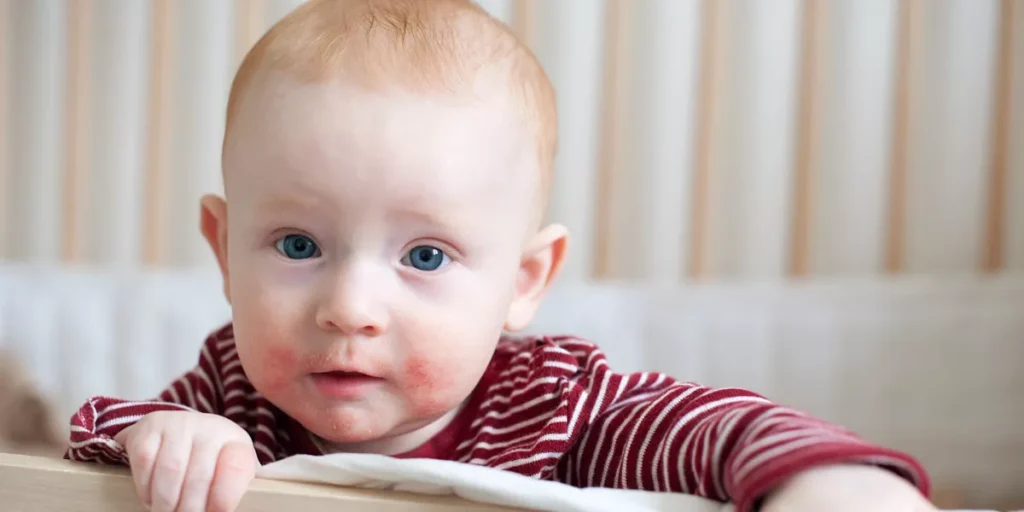
Signs of Food Allergies in Babies: What Every Parent Should KnowIntroducing solid foods is an exciting milestone in your baby’s first year. Watching your little one explore new flavors, textures, and foods can be both fun and rewarding. However, for some babies, certain foods may trigger allergic reactions, making it important for parents to recognize the warning signs early.Food allergies in babies can present in many different ways. While some reactions happen within minutes of eating a particular food, others may develop over several hours. Symptoms can range from mild skin irritation to more serious reactions that require immediate medical attention.Understanding how food allergies appear in infants can help parents respond quickly and confidently. Knowing what to watch for also makes introducing new foods less stressful and allows families to work closely with healthcare professionals when concerns arise.In this guide, we'll explore the most common signs of food allergies in babies, when symptoms may appear, and what parents can do if they suspect a food-related reaction.Understanding Food Allergies in BabiesA food allergy occurs when the body's immune system mistakenly identifies a food protein as harmful and reacts to it. Even small amounts of the triggering food can sometimes cause symptoms.Food allergies are different from food intolerances. While intolerances may cause digestive discomfort, food allergies involve the immune system and can potentially lead to more serious reactions.Some of the foods most commonly associated with allergies include:Cow's milkEggsPeanutsTree nutsSoyWheatFishShellfishSesameMany babies tolerate these foods without any issues, but understanding the signs of a possible allergy remains important during food introduction.Skin Reactions: One of the Most Common SignsSkin changes are often among the earliest and most noticeable signs of a food allergy in babies.Hives and Raised RashesHives are red, itchy, raised bumps that can appear suddenly after a baby eats a triggering food. They may appear on the face, neck, chest, arms, or other parts of the body.Some hives disappear within a few hours, while others may come and go during the allergic reaction.Redness and FlushingParents may notice areas of redness around the mouth, cheeks, or other parts of the body shortly after feeding.While mild redness isn't always caused by an allergy, persistent or recurring skin reactions after eating a particular food should be discussed with a healthcare provider.Eczema Flare-UpsBabies with eczema may experience worsening symptoms when certain foods trigger their immune system. Dry, itchy, or inflamed skin can become more noticeable following exposure to an allergen.It's important to remember that eczema alone does not confirm a food allergy, but it can sometimes be associated with allergic conditions.Digestive Symptoms to Watch ForFood allergies frequently affect the digestive system because food passes directly through the gastrointestinal tract.Vomiting After FeedingRepeated vomiting shortly after eating may indicate an allergic response. While occasional spit-up is common in babies, sudden vomiting associated with a specific food should not be ignored.Diarrhea and Loose StoolsSome babies may develop loose stools or diarrhea after consuming a food they are allergic to. In some cases, mucus may also be present.Digestive symptoms can sometimes appear several hours after eating, making it more difficult to identify the specific trigger.Excessive Gas and Stomach DiscomfortBabies experiencing digestive reactions may appear uncomfortable, pull their legs toward their stomach, or cry more than usual after feeding.Although gas can occur for many reasons, recurring symptoms connected to certain foods deserve attention.Respiratory Symptoms Can Signal an Allergic ReactionFood allergies don't only affect the skin and digestive system. They can also impact the respiratory system.Persistent CoughingSome babies develop coughing shortly after exposure to an allergen. This may occur alongside other symptoms such as hives or facial swelling.WheezingWheezing is a high-pitched sound that occurs when breathing becomes more difficult. It can be a sign that the airways are narrowing due to an allergic reaction.Nasal CongestionAlthough congestion can result from many childhood illnesses, sudden nasal symptoms following food exposure may sometimes be linked to allergies.Any breathing difficulties should be taken seriously and evaluated immediately.Swelling Around the Face and MouthFacial swelling is another important symptom parents should recognize.Lip and Tongue SwellingSwelling of the lips, tongue, or mouth may occur shortly after eating an allergenic food.This symptom can be particularly concerning because swelling inside the mouth or throat may interfere with breathing.Puffy EyesSome babies develop swelling around the eyes during an allergic reaction. The eyes may appear red, watery, or puffy.If swelling occurs together with breathing difficulties, immediate medical attention is necessary.Behavioral Changes and General IrritabilityNot all allergy symptoms are easy to see.Sometimes a baby's behavior may provide clues that something is wrong.Increased FussinessA baby experiencing discomfort from an allergic reaction may become unusually fussy or difficult to soothe.Parents often notice changes in behavior shortly after feeding, particularly when a new food has recently been introduced.Difficulty SleepingDiscomfort from itching, digestive upset, or general inflammation may interfere with normal sleep patterns.A baby who suddenly becomes restless after eating certain foods may be experiencing an adverse reaction.Refusing FeedingsSome babies may begin refusing foods associated with discomfort. While feeding challenges are common during infancy, repeated refusal of specific foods should be noted.Signs of a Severe Allergic ReactionAlthough rare, severe allergic reactions can occur in babies.A severe reaction, sometimes called anaphylaxis, is a medical emergency.Seek immediate emergency medical care if your baby develops:Difficulty breathingSevere wheezingSwelling of the tongue or throatPale or bluish skinSudden weakness or limpnessLoss of consciousnessPrompt treatment is critical during severe allergic reactions.How to Introduce New Foods SafelyIntroducing new foods gradually can help parents identify potential reactions more easily.Offer One New Food at a TimeIntroducing foods individually allows you to monitor your baby's response before moving on to another ingredient.Many healthcare professionals recommend waiting several days between introducing new foods.Keep a Food JournalTracking what your baby eats and noting any symptoms can help identify patterns if reactions occur.Record:Foods offeredDate introducedAmount consumedAny symptoms observedThis information can be valuable during discussions with your pediatrician.Observe CarefullyAfter introducing a new food, pay attention to changes in your baby's skin, digestion, breathing, and behavior over the next several hours and days.When to Contact Your PediatricianIt's always a good idea to contact your pediatrician if you notice symptoms that may be related to a food allergy.Seek medical advice if your baby experiences:Repeated rashes after eatingPersistent vomitingDiarrhea associated with specific foodsSwellingBreathing changesOngoing feeding difficultiesEarly evaluation can help identify triggers and create a safe feeding plan moving forward.ConclusionRecognizing the signs of food allergies in babies can help parents respond quickly and confidently when concerns arise. Symptoms may appear on the skin, affect digestion, impact breathing, or show up as changes in behavior and mood. Because reactions can vary from mild to severe, careful observation during the introduction of new foods is essential.Most babies enjoy a wide variety of foods without any issues, but understanding the potential signs of food allergies allows families to navigate this important stage of development with greater peace of mind. When in doubt, consult your pediatrician for guidance and support as your baby explores the exciting world of solid foods.
Post-Bath Baby Massage: A Gentle Routine That Promotes Relaxation and BondingBath time is often one of the most enjoyable parts of a baby's daily routine. The warm water, playful splashes, and soothing environment can help little ones unwind after a busy day of exploring their world. But what happens after the bath can be just as valuable.A gentle baby massage after bathing can transform an ordinary bedtime routine into a calming ritual that encourages relaxation, comfort, and connection. For many parents, these quiet moments provide an opportunity to slow down, focus entirely on their baby, and strengthen the emotional bond that grows through everyday interactions.Beyond creating special memories, post-bath massage can become a comforting part of your baby's routine. The combination of warmth, gentle touch, and one-on-one attention often helps babies feel secure and relaxed, making it a wonderful addition to the evening wind-down process.In this guide, we'll explore the benefits of post-bath baby massage, how to choose a safe massage oil, simple massage techniques to try, and tips for creating a peaceful routine that works for your family.Why Baby Massage After Bath Time Works So WellAfter a warm bath, your baby's muscles are naturally relaxed, and their skin is clean and ready to absorb moisture. This makes bath time an ideal opportunity for a gentle massage.Many parents notice that their babies seem calmer after massage sessions. The soft, rhythmic touch can help create a sense of security while providing valuable sensory stimulation. For babies who enjoy physical contact, massage can become a comforting signal that sleep or quiet time is approaching.Massage also encourages parents to tune into their baby's cues. During these moments, you may notice subtle expressions, movements, and responses that strengthen your understanding of your baby's preferences and comfort levels.The Benefits of Post-Bath Baby MassageWhile every baby responds differently, many families find that regular massage becomes a treasured part of daily life.Encourages RelaxationThe gentle motions used during baby massage can help create a calm environment that encourages relaxation. Many parents incorporate massage into their bedtime routine because it helps signal that the day is coming to an end.The combination of warm skin, soft lighting, and quiet interaction often creates a soothing experience for both parent and child.Supports Parent-Baby BondingPhysical touch plays an important role in building secure attachments between parents and babies.When you spend uninterrupted time massaging your baby, you're communicating comfort, attention, and affection. These moments of connection can be especially valuable during the newborn months when bonding is still developing.Provides Positive Sensory ExperiencesBabies learn about the world through their senses. Gentle massage introduces new sensations that help babies become more aware of their bodies.The feeling of soft hands moving across their skin, combined with eye contact and soothing voices, creates a rich sensory experience that supports early development.May Help Establish a Bedtime RoutineBabies often thrive on predictable routines. Incorporating massage after a bath can create a consistent sequence of calming activities that helps your baby recognize when it's time to rest.A typical evening routine might include:Warm bathGentle massageFresh pajamasFeedingQuiet cuddlesBedtimeOver time, these repeated patterns can help create a sense of familiarity and comfort.Choosing the Best Massage Oil for Your BabyNot all oils are suitable for baby massage, so it's important to choose products carefully.Look for Gentle, Simple IngredientsBabies have delicate skin that can be sensitive to fragrances, dyes, and harsh additives. Choose oils specifically designed for babies or simple natural oils that are known to be gentle.Popular options include:Coconut oilGrapeseed oilSunflower oilSweet almond oil (if no nut sensitivities are present)Always perform a small patch test before using a new product to check for any signs of irritation.Avoid Strong FragrancesWhile scented oils may seem appealing, strong fragrances can sometimes irritate sensitive skin. Unscented or lightly scented options are often the safest choice for infants.Use Only a Small AmountA little oil goes a long way. Using too much can make your baby's skin slippery and difficult to handle comfortably. Start with a small amount and add more only if needed.How to Massage Your Baby SafelyBaby massage should always be gentle and guided by your baby's comfort level.Create a Calm EnvironmentBefore beginning, make sure the room is warm and comfortable. Gather everything you'll need ahead of time so you can focus entirely on your baby.Many parents find that soft music, dim lighting, or white noise helps create a peaceful atmosphere.Start With the Legs and FeetMany babies enjoy having their feet massaged first.Using gentle strokes, move your hands from the thighs down toward the ankles. Lightly massage the soles of the feet and gently rub each tiny toe.Watch your baby's reactions and adjust your touch accordingly.Move to the Arms and HandsUsing similar long, gentle motions, massage your baby's arms from the shoulders toward the hands.You can softly rub their palms and gently squeeze each finger. This can be especially soothing after a busy day of grasping toys and exploring.Massage the Tummy CarefullyFor babies who seem comfortable, gentle circular motions on the tummy can be relaxing.Use light pressure and move your hands in a clockwise direction. If your baby appears uncomfortable or fussy, simply move on to another area.Finish With the BackLay your baby on their tummy if they are comfortable in that position and gently stroke from the shoulders down toward the lower back.Slow, smooth movements often help conclude the massage session in a calm and soothing way.Reading Your Baby's CuesOne of the most important parts of baby massage is paying attention to your baby's signals.Every baby is different. Some enjoy longer massage sessions, while others prefer just a few minutes of gentle touch.Signs your baby is enjoying the massage may include:Relaxed body postureSmilingCooingCalm eye contactContent facial expressionsIf your baby becomes fussy, turns away, stiffens their body, or begins crying, it's best to pause and try again another time.Massage should always feel enjoyable, not forced.Creating the Perfect Post-Bath RoutineThe most effective baby routines are often the simplest.Rather than viewing massage as another task on your to-do list, think of it as a quiet opportunity to connect with your child.A relaxing post-bath routine may include:Keep the Environment CalmReduce household noise, dim bright lights, and create a peaceful setting where both you and your baby can relax.Use Gentle ConversationTalk softly to your baby during the massage. Your voice is familiar and comforting, helping reinforce feelings of safety and security.Stay ConsistentYou don't need a lengthy massage every night. Even five to ten minutes of gentle touch can become a meaningful part of your daily routine.Consistency often matters more than duration.Common Mistakes to AvoidWhen introducing baby massage, keep a few simple guidelines in mind.Avoid:Using excessive pressureMassaging irritated or broken skinUsing heavily scented productsMassaging immediately after a large feedingContinuing if your baby appears uncomfortableThe goal is relaxation, comfort, and connection—not perfection.Final ThoughtsA post-bath baby massage is much more than a skincare routine. It's a simple yet powerful way to nurture your baby's sense of security while creating meaningful moments of connection. The gentle touch, quiet interaction, and focused attention can help transform ordinary evenings into cherished bonding experiences.As with many aspects of parenting, every baby is unique. Some babies will eagerly look forward to massage time, while others may prefer shorter sessions. The key is to follow your baby's cues and create a routine that feels natural for both of you.With patience, consistency, and a gentle touch, post-bath massage can become one of the most comforting and rewarding parts of your daily routine—helping both you and your baby end the day feeling calm, connected, and ready for restful sleep.
Managing Allergies in Babies: A Practical Guide for ParentsBringing a new baby into the world comes with countless joys, but it also introduces new responsibilities—especially when it comes to protecting your child's health. One concern that many parents face during infancy is the possibility of allergies. Whether related to food, environmental triggers, or other substances, allergic reactions can be confusing and sometimes frightening when they first appear.The good news is that most parents can successfully manage allergies with the right knowledge, careful observation, and support from healthcare professionals. Understanding common allergens, recognizing symptoms early, and creating a safe environment can help reduce the risk of serious reactions and improve your baby's comfort.Because babies cannot tell us how they feel, parents often become detectives, looking for clues that something may not be right. A rash after a meal, ongoing digestive discomfort, or unexpected breathing difficulties can all signal that an allergen may be involved.This guide will help you understand how allergies affect babies, what warning signs to watch for, and practical strategies to reduce exposure and keep your child safe.Understanding Allergies in BabiesAn allergy occurs when the body's immune system mistakenly identifies a normally harmless substance as a threat. In response, the immune system releases chemicals that can trigger a range of symptoms affecting the skin, digestive system, or respiratory tract.While some allergies may develop later in childhood, others can appear during infancy. Family history may increase the likelihood of allergies, but even babies without a family history can develop allergic sensitivities.It's important to remember that not every rash, upset stomach, or sneeze is caused by an allergy. However, recurring symptoms that consistently appear after exposure to certain foods or environmental triggers deserve attention.Common Allergens That Affect BabiesUnderstanding the most common allergens can help parents identify potential triggers more quickly.Food AllergensFood allergies are among the most common concerns during infancy, particularly as babies begin exploring solid foods.Common food allergens include:PeanutsTree nutsEggsCow's milkSoyWheatFishShellfishMany babies tolerate these foods without any problems, but introducing new foods carefully allows parents to monitor for reactions.Environmental AllergensNot all allergies are food-related. Environmental triggers can also cause symptoms in some babies.Common environmental allergens include:Pet danderDust mitesMoldPollenCigarette smoke and other airborne irritantsWhile environmental allergies are more commonly diagnosed in older children, some infants may show sensitivity to these triggers early on.Skin and Contact AllergensCertain skincare products, detergents, fragrances, and fabrics may irritate sensitive skin or contribute to allergic reactions.Products labeled for sensitive or fragrance-free use are often preferred for babies with delicate skin.Signs and Symptoms of Allergies in BabiesBecause babies cannot communicate their symptoms verbally, parents must rely on physical and behavioral clues.Skin ReactionsSkin symptoms are often among the first noticeable signs of an allergic reaction.These may include:RednessHivesItchy patchesEczema flare-upsSwelling around the face or mouthA rash that repeatedly appears after exposure to a specific food or product should be discussed with a healthcare provider.Digestive SymptomsFood allergies frequently affect the digestive system.Possible symptoms include:VomitingDiarrheaExcessive gasStomach discomfortUnusual fussiness after feedingWhile digestive symptoms can have many causes, recurring issues linked to specific foods may indicate an allergy or sensitivity.Respiratory SymptomsSome allergic reactions affect the airways and breathing.Parents should watch for:Persistent coughingWheezingNasal congestionSneezingDifficulty breathingAny breathing difficulty should be treated as a medical emergency and evaluated immediately.Behavioral ChangesBabies experiencing allergic reactions may become:More irritable than usualDifficult to sootheRestless during sleepLess interested in feedingAlthough these symptoms can be associated with many infant challenges, patterns often emerge when allergies are involved.When to Seek Medical AttentionWhile some allergic reactions are mild, others can become serious very quickly.Seek immediate medical care if your baby experiences:Swelling of the lips, tongue, or throatDifficulty breathingSevere vomitingLoss of consciousnessSudden lethargyWidespread hives accompanied by breathing symptomsPrompt medical evaluation is always the safest approach when a severe allergic reaction is suspected.Allergy Testing and DiagnosisIf your pediatrician suspects allergies, they may recommend additional evaluation.Medical History ReviewThe diagnostic process often begins with a detailed review of your baby's symptoms, feeding history, and family medical background.Keeping a symptom journal can be extremely helpful. Recording foods, reactions, timing, and environmental exposures may reveal important patterns.Allergy Testing OptionsHealthcare professionals may recommend:Skin Prick TestingSmall amounts of potential allergens are introduced to the skin to observe whether a reaction occurs.Blood TestingBlood tests can measure specific antibodies associated with allergic responses.Elimination DietsUnder medical supervision, certain foods may be temporarily removed and later reintroduced to determine whether they are contributing to symptoms.Testing decisions should always be guided by qualified healthcare professionals.Preventing Allergic ReactionsAlthough allergies cannot always be prevented, there are many ways parents can reduce the risk of reactions.Introduce Foods CarefullyWhen introducing new foods, offer one new food at a time and wait several days before introducing another.This approach makes it easier to identify the source if a reaction occurs.Maintain a Clean Home EnvironmentReducing exposure to environmental allergens can help sensitive babies.Regularly:Wash beddingVacuum carpets and upholsteryClean stuffed toysControl humidity levelsReduce dust accumulationThese simple habits can improve overall indoor air quality.Be Mindful of Skincare ProductsChoose gentle products designed for babies whenever possible.Fragrance-free lotions, soaps, detergents, and shampoos may help reduce irritation for babies with sensitive skin.Monitor New ExposuresWhether introducing a new food, pet, laundry detergent, or skincare product, pay close attention to how your baby responds over the following days.Small observations can provide valuable clues.Creating an Allergy-Friendly RoutineManaging allergies often becomes easier once parents establish consistent routines.Meal planning, ingredient checking, and maintaining a symptom journal can all help reduce uncertainty. If your baby has confirmed allergies, make sure caregivers, grandparents, daycare providers, and babysitters understand the triggers and know what symptoms to watch for.Clear communication helps create a safer environment wherever your child spends time.Supporting Your Baby's ComfortLiving with allergies can be frustrating for both babies and parents. Skin irritation, digestive discomfort, and disrupted sleep can affect the entire family.Focus on creating a calm and supportive environment. Follow your healthcare provider's recommendations, stay informed, and remember that many children successfully manage allergies while continuing to grow and thrive.As your child gets older, you'll gain a better understanding of their specific triggers and how to avoid them effectively.ConclusionManaging allergies in babies begins with awareness, observation, and proactive care. By understanding common allergens, recognizing symptoms early, and working closely with healthcare professionals, parents can help reduce the risk of serious reactions while keeping their baby comfortable and healthy.Every baby is unique, and allergy experiences can vary widely. What matters most is staying attentive to your child's needs, introducing new foods thoughtfully, and creating a safe environment that supports their growth and development. With patience and preparation, parents can confidently navigate the challenges of infant allergies and help their little ones thrive.
Safe Ways to Handle Baby Medications: A Parent’s Complete GuideAs a parent, few things are more stressful than seeing your baby feeling unwell. Whether it's a fever, teething discomfort, an ear infection, or another common childhood illness, medications are sometimes necessary to help your little one recover comfortably. However, administering medicine to babies requires extra care, attention, and accuracy.Unlike adults, babies are much more sensitive to medication dosages. Even small mistakes in measuring, storing, or administering medicine can have serious consequences. That's why understanding safe medication practices is one of the most important skills every parent and caregiver should develop.The good news is that with a little preparation and knowledge, giving medications safely can become a routine part of caring for your child. From reading labels correctly to storing medicines properly and knowing when to call your pediatrician, there are several simple steps that can help protect your baby's health.This guide will walk you through everything parents need to know about safely handling baby medications at home.Why Medication Safety Matters for BabiesBabies process medications differently than older children and adults. Their bodies are still developing, which means they can be more vulnerable to medication errors, accidental overdoses, and unexpected side effects.Because infant medications are often given in very small amounts, precision matters. A tiny measuring mistake may result in giving too much or too little medication. Additionally, babies cannot explain how they feel, making it even more important for parents to carefully monitor their reactions.Developing safe medication habits early helps create a safer environment and reduces the likelihood of preventable mistakes.Proper Storage Guidelines for Baby MedicationsOne of the easiest ways to improve medication safety is by storing medicines correctly.Keep Medications Out of ReachBabies become curious surprisingly quickly. What seems inaccessible today may be within reach tomorrow.Store all medications:In locked cabinets whenever possibleOn high shelvesAway from changing tables and cribsOut of sight of childrenNever leave medication on countertops, bedside tables, or diaper-changing stations, even temporarily.Protect Medicines From Heat and MoistureMany medications lose effectiveness when exposed to extreme temperatures, humidity, or direct sunlight.To maintain medication quality:Store medicines in a cool, dry locationAvoid bathroom medicine cabinets if possibleKeep medications away from kitchen stoves and windowsFollow storage instructions provided on the packagingSome medications may require refrigeration, while others should never be frozen. Always check the label for specific instructions.Keep Original Packaging IntactOriginal packaging contains important information including:Dosage instructionsExpiration datesActive ingredientsSafety warningsAvoid transferring medications into different containers unless specifically instructed by a pharmacist.How to Measure Medication AccuratelyCorrect dosing is one of the most critical aspects of medication safety.Use the Right Measuring ToolKitchen teaspoons and tablespoons should never be used to measure medication.Instead, use:Oral syringesMedicine droppersDosing cups provided with the medicationThese tools are designed to provide accurate measurements and reduce dosing errors.Double-Check Every DoseBefore administering medication:Read the label carefullyConfirm the dosage recommended by your pediatricianVerify your baby's weight if dosing is weight-basedMeasure slowly and carefullyWhen you're tired or distracted, it's especially important to pause and double-check the amount before giving it to your baby.Ask Questions When UnsureNever guess a dosage.If instructions seem unclear or conflicting, contact:Your pediatricianA pharmacistA healthcare providerA quick phone call can prevent potentially serious mistakes.Understanding Medication LabelsMedication labels contain essential information that helps parents use products safely and effectively.Read the Active IngredientsMany cold, fever, and pain-relief products contain similar ingredients.Understanding the active ingredient helps prevent accidentally giving multiple medications that contain the same substance.Check Age RecommendationsNot all medications are appropriate for infants.Always verify:Minimum age requirementsWeight-based recommendationsPediatric usage instructionsNever assume that a medication safe for an older sibling is appropriate for a younger baby.Review Warnings CarefullyMedication labels often include important warnings regarding:AllergiesDrug interactionsSide effectsSpecial precautionsTaking a few extra minutes to read the entire label can provide valuable safety information.Safe Administration Tips for ParentsGiving medication to a baby can sometimes be challenging, especially if they resist.Stay Calm and PatientBabies often sense stress and anxiety.Approach medication time calmly and confidently. A gentle tone and reassuring touch can help your baby feel more comfortable.Position Your Baby CorrectlyWhen administering liquid medication:Hold your baby in an upright or semi-upright positionAvoid giving medicine while they are lying flatSlowly dispense liquid into the side of the cheekThis reduces the risk of choking and makes swallowing easier.Never Mix Medication Without GuidanceSome parents are tempted to hide medication in bottles or large amounts of food.However, this can create dosing problems if the baby doesn't finish the entire feeding.Always consult your pediatrician before mixing medication with food or beverages.Monitoring Your Baby After MedicationAfter administering medicine, observe your baby closely.Pay attention to:Changes in behaviorSleepinessSkin reactionsDigestive changesFeeding patternsMost medications are well tolerated, but monitoring allows you to identify any unusual reactions quickly.Keeping a simple medication log can also be helpful, especially if multiple caregivers are involved.Record:Medication nameDose givenTime administeredAny noticeable reactionsThis reduces the risk of accidental duplicate doses.When to Contact a Healthcare ProfessionalWhile many common infant medications are safe when used correctly, there are situations where professional guidance is essential.Contact your healthcare provider if:Symptoms worsen instead of improvingYour baby refuses multiple dosesYou suspect an incorrect dose was givenNew symptoms appear after medicationYour baby develops unusual side effectsTrust your instincts. If something doesn't seem right, seeking medical advice is always the safest choice.Seek Emergency Care Immediately If Your Baby Has:Difficulty breathingSwelling of the lips, tongue, or faceSevere lethargySeizuresLoss of consciousnessSigns of a severe allergic reactionPrompt medical attention can be critical in emergency situations.Common Medication Mistakes Parents Can AvoidEven experienced parents occasionally make mistakes. Awareness can help reduce the risk.Some common errors include:Using kitchen spoons instead of dosing syringesForgetting previous dosesGiving adult medication to a babyMisreading dosage instructionsUsing expired medicationAdministering medicine in poor lightingCreating a consistent medication routine can help minimize these risks.Building a Family Medication Safety PlanMedication safety isn't just about one dose—it's about creating habits that protect your child every day.Consider:Keeping emergency contact numbers accessibleUsing a medication tracking app or notebookEducating grandparents and babysitters about dosing instructionsReviewing medication expiration dates regularlyWhen everyone caring for your baby follows the same safety practices, the risk of errors decreases significantly.ConclusionSafely handling baby medications requires attention, patience, and accurate information. By storing medications properly, measuring doses carefully, reading labels thoroughly, and monitoring your baby after administration, you can help ensure that treatments remain both safe and effective.Every parent wants to do what's best for their child, and medication safety is an important part of that responsibility. While giving medicine can sometimes feel intimidating, following simple precautions and seeking professional guidance when needed can help you care for your baby with confidence and peace of mind.A few extra moments spent checking instructions and staying organized can make a meaningful difference in protecting your little one's health and well-being.
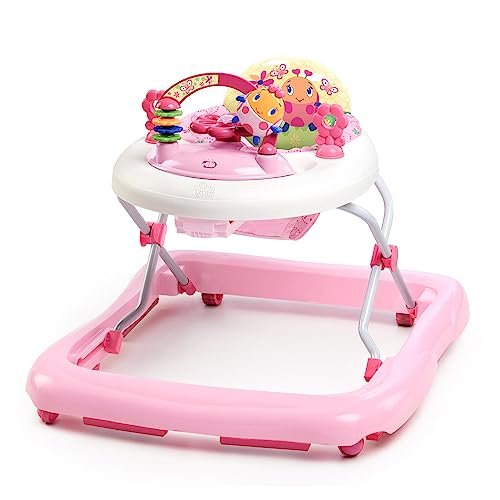 amazon
54.99
amazon
54.99